
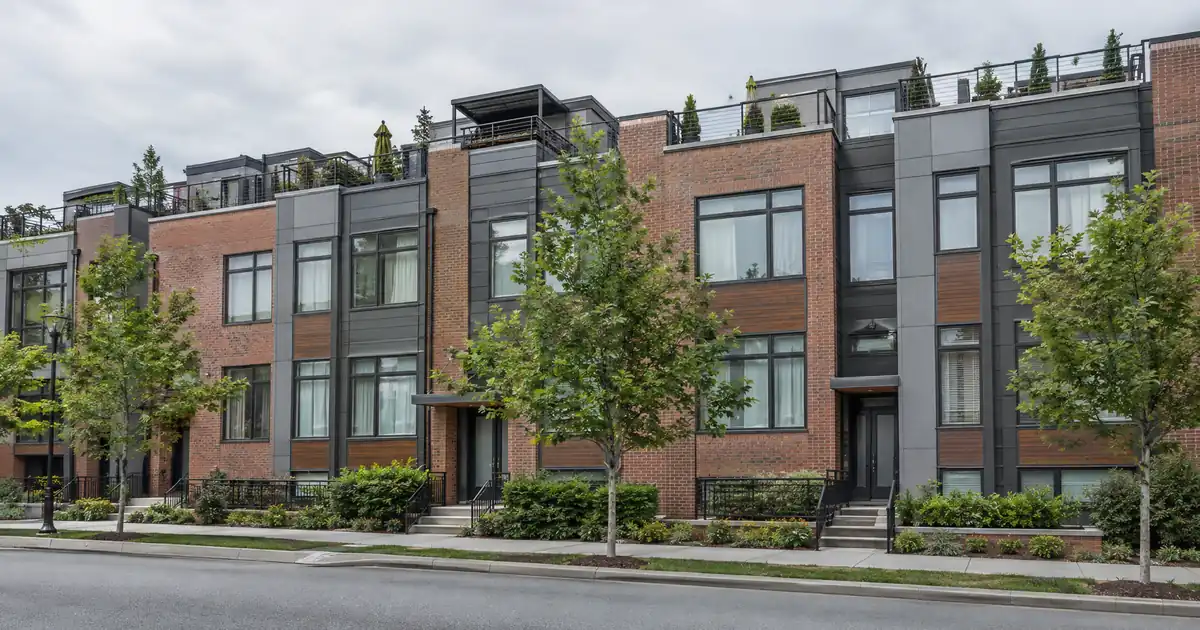
The Quick Read: A condo cash-out usually costs more than the same loan on a house, because the lender has to approve the building as well as you. There is no single “condo fee.” The extra cost comes from three places: a lower leverage ceiling in some cases, pricing adjustments built into the loan terms, and the paperwork the building and its homeowners association (HOA) must supply. Your credit and equity still matter, but the building often decides the outcome.
Key Takeaways
- Conventional cash-out on a one-unit primary residence tops out at 80% loan-to-value (LTV). A condo can land lower if the building has restrictions.
- The condo premium is not a line item. It shows up inside the pricing you are quoted.
- The lender reviews the project: its finances, insurance, ownership mix and condition.
- HOA dues count against your debt-to-income ratio, which can limit how much you can borrow.
- Streamline refinances (FHA and VA) do not pay out cash. Cash-out is a separate, fully underwritten loan.
What Does “Costs More” Actually Mean on a Condo?
It means three layers stack up. A house gets one review: you and the property. A condo gets two: you and the unit, then the building around it.
Layer one is leverage. Layer two is pricing. Layer three is process cost: documents, delays and the odd surprise fee.
Take them one at a time, because each behaves differently.
Leverage. LTV is the loan amount divided by the home’s appraised value. On conventional loans, a cash-out refinance on a one-unit primary residence reaches 80% LTV. Two- to four-unit primary residences, second homes and investment properties reach 75%. That cap comes from the loan type and occupancy, not from the condo itself. A condo is eligible for the full 80% on paper. In practice, the building’s review type or project restrictions can pull the ceiling lower. Terms vary by lender guidelines, property type, leverage, credit profile, and full file review.
Pricing. Conventional lenders pay adjustments to the loan buyers, and those flow into your terms. Think of it as a surcharge for risk. Cash-out loans carry more of it than rate-and-term loans, and certain property attributes add more, condos among them. The size moves with your credit score and LTV. You never see it on a line of your closing paperwork. It is baked into what you are quoted.
Process. The condo needs documents a house does not. Someone has to collect them, and that someone is usually the HOA’s management company.
Why Cash-Out Already Costs More Than a Plain Refinance
A refinance swaps your old loan for a new one. Nothing comes out except incidental cash. Lenders treat that as lower risk.
A cash-out refinance replaces your loan with a bigger one and hands you the difference. You owe more against the same home. Lenders respond with a lower leverage ceiling and higher pricing. That is the baseline, before any condo enters the picture.
Then add the condo. Same borrower, same equity, same cash goal: the condo version typically carries more adjustment, more paperwork and a bit less room on leverage. Not a disaster. Just a stack.
For the general mechanics of how Lendmire arranges this loan type, see its cash-out refinance programs page.
The Cost Stack: House vs. Condo
| Cost layer | House | Condo |
|---|---|---|
| LTV ceiling (one-unit primary) | 80% | 80% at most, sometimes lower |
| Pricing adjustments | Cash-out only | Cash-out plus property attribute |
| Appraisal | Unit and lot | Unit, comps, project condition |
| Third-party reviews | None | Building questionnaire and insurance |
| Debt-to-income | Taxes, insurance | Same, plus HOA dues |
Two lines deserve a closer look. The appraisal drives LTV, and condo values depend partly on how the building is doing. A building with deferred repairs can pull comparable sales down. And the questionnaire is the form the HOA completes about its finances, insurance and ownership. Management companies commonly charge for it, and the amount varies by building. Ask early who pays and when.
How the Lender Approves the Building
The building has to be eligible before your credit even matters. Fannie Mae’s Selling Guide section on project standards sorts condo projects by type. An “established” project is largely sold, fully built, with no further phases and with control turned over to owners. Most refinances involve an established project.
From there the lender picks a review path:
1. Full review. The lender digs into the project’s budget, reserves, insurance and ownership details and keeps the results in the file.
2. Limited review. A lighter check, available only for attached units in established projects, and only on certain transactions.
3. Waived review. Some small projects and detached condo units skip the project review, subject to basic requirements.
Here is the catch. A unit in a small project that belongs to a larger master association can be pushed into full review. So a building that looks tiny can still get the heavy treatment.
In plain words: which review the lender can use changes how much you can borrow.
What the Building Review Looks For
Lenders look at the building as a business. Common checkpoints, described in general terms:
- Reserves. Does the HOA budget set aside money for repairs, and is it meaningful?
- Delinquent dues. Too many owners behind on dues is a warning sign.
- Insurance. The master policy has to cover the building adequately.
- Owner concentration. Too many units held by one owner raises concern.
- Owner-occupancy mix. A building dominated by rentals can limit leverage.
- Litigation and repairs. Pending lawsuits, critical repairs or evacuation orders can block the loan outright.
Some projects are ineligible entirely, such as condo hotels and timeshares. Projects in insolvency proceedings are out too.
Most of these checks produce a yes or no. But some produce “yes, with restrictions,” and that is where cost creeps in. A building may be approved only for primary residences. Another may carry a lower LTV cap than standard. Same borrower, different building, different answer.
Honestly, this is the part borrowers underestimate. You can have a 780 score and strong income and still get stalled by a building you do not control.
A Worked Picture
Picture two homeowners with the same credit, the same income and the same goal: take out the maximum cash against a primary residence.
The first owns a detached house. Appraisal comes in, the file is reviewed, the loan is priced for a cash-out on a primary residence at 80% LTV. Exact terms depend on the lender’s guidelines, property type, leverage, and a full review of the borrower’s file.
The second owns a condo in an established building. The appraisal leans on condo comparables. The lender runs a project review. Pricing carries the cash-out adjustment plus the condo attribute. If the building has a restriction, the second owner may also borrow somewhat less than 80%.
Both borrowers end up with a cash-out loan. The second pays more for it, in pricing, in process and sometimes in lost leverage. How much more depends on credit, LTV and the building. The pricing schedule changes over time, so a lender must show you the current version for your file.
Credit, Seasoning and the Rules That Hit Everyone
These apply to condos and houses alike, but they bite harder when the building is already adding friction.
Seasoning. Seasoning is the waiting period before you can cash out. Across the conventional programs Lendmire places files with, the loan you are paying off must be at least 12 months old, counted from note date to note date. A borrower must also have been on title for 6 months. Exceptions exist for delayed financing, inheritance and legal awards.
Credit and ratios. The wholesale conventional programs start at a 620 decision score. An automated approval governs most files, with a total debt ratio ceiling of 50%. Manually underwritten loans use tighter ratios of 36% or 45%, depending on reserves and score factors. HOA dues are part of that ratio. A building with high dues can leave less room to qualify.
Mortgage insurance. Mortgage insurance is a monthly premium that protects the lender when your equity is thin. It is required above 80% LTV. Because agency conventional cash-out stops at 80%, it normally does not apply here. One wholesale lane goes past that agency limit, reaching 89.99% LTV on a primary residence with no mortgage insurance. It requires a 680 score, a 50% ratio, a thirty-year fixed loan, a conforming balance and its own six months of seasoning. Whether a particular condo fits that lane comes down to file review and project eligibility.
Texas. On a Texas homestead, the state constitution caps cash-out at the agency figure, and that wholesale lane is not written there.
All of this is subject to lender guidelines and full file review. Nothing here is a commitment to lend.
Where the 80% Rule Breaks
The limits depend on unit count and occupancy. Real-world limits come from elsewhere. These are the named edge cases:
- Unavailable project status. Fannie Mae’s project database can flag a building as unavailable, and that stops the loan regardless of your strength.
- Project-specific restrictions. A building may be limited to primary residences or capped at lower LTV.
- Master-association projects. A small project inside a larger association may require full review.
- Second homes and rentals. Occupancy decides leverage. A second-home or investment condo cash-out sits at 75%, not 80%. That is the only note this article needs on those cases.
- Expiring reviews. Project reviews carry expiration dates, so a delay in your file can force a fresh review.
- Co-ops. Co-op share loans have their own rules and do not allow second-home cash-out.
FHA and VA: The Streamline Trap
A lot of condo owners with government loans assume “streamline” means cash. It does not.
The FHA Streamline and the VA IRRRL are no-cash-out products. The FHA version typically skips the appraisal and uses limited credit review, and it requires a net tangible benefit, meaning the refinance has to measurably help you. The VA version carries a 0.5% funding fee unless you are exempt, no VA appraisal, a net tangible benefit and a seasoning requirement of the later of 210 days and six payments.
A cash-out on a government loan is a different transaction. HUD describes the Simple Refinance as a no-cash-out refinance of an existing FHA-insured loan. FHA cash-out is its own fully underwritten loan, and the condo project generally needs FHA approval or an approved review route. The VA treats the two as separate policies as well. VA’s Circular 26-19-22 warns lenders not to mix up cash-out and IRRRL rules. For VA cash-out, the condo project generally needs VA approval, and an IRRRL generally does not trigger a fresh one. Confirm the building’s status on VA.gov before you plan around it.
Key Terms Defined
LTV (loan-to-value): the new loan amount divided by the home’s appraised value, expressed as a percentage.
Loan-level price adjustment: a risk-based surcharge on conventional loans, built into your pricing rather than shown as a separate fee.
Seasoning: the minimum age of your current loan, or time on title, before a cash-out is allowed.
Warrantable condo: a condo project that meets the guidelines of the agencies that buy conventional loans.
Condo questionnaire: the form the HOA completes about the building’s finances, insurance and ownership.
Net tangible benefit: a measurable improvement the FHA and VA streamlines require, such as a lower payment.
Is It Worth the Extra Cost?
Run this checklist before you apply:
1. What is the cash for? Debt payoff, repairs and a down payment all have different math.
2. How much equity will you really keep? Closing costs come out of your proceeds or get rolled into the loan. The CFPB‘s research on cash-out refinances notes the costs can be substantial, including origination, appraisal, title and taxes.
3. What does the building look like on paper? Ask your management company for the questionnaire turnaround and any pending assessments.
4. How tight is your debt ratio with HOA dues included?
5. What are the alternatives? A home equity loan or line avoids replacing your first loan. It may still involve a building review, so ask.
A rule of thumb from the files Lendmire arranges: the condo cash-out works best when the building is stable, the unit has ample equity cushion and the cash goal is specific. It works worst when the borrower is leaning on the maximum LTV in a building with thin reserves.
Tax treatment can depend on your situation; borrowers should speak with a qualified tax professional before relying on any deduction or credit.
If you are weighing a cash-out refinance against keeping the loan you have, Lendmire can help you compare the programs and the equity each one reaches.
Frequently Asked Questions
Does a condo cash-out refinance always have a lower LTV than a house?
Not always. The conventional ceiling is the same 80% on a one-unit primary residence. The difference appears when the building’s review path or project restrictions lower the cap. Subject to lender guidelines, ask for the building’s specific limits before you assume 80%.
Will I see a “condo fee” on my Loan Estimate?
No. The condo effect shows up inside the pricing, not as a labeled charge. You may see separate charges for the HOA questionnaire or documents, depending on the management company. Compare the full Loan Estimates side by side.
Can the building stop my refinance even if I qualify?
Yes. Eligibility is a separate gate from your credit and income. Reasons include an unavailable project status, litigation, insufficient insurance, critical repairs or heavy owner concentration. Project reviews also expire, so delays can force a redo.
Do HOA dues affect how much I can borrow?
Yes. Dues count in your total debt ratio. The wholesale conventional programs generally allow up to a 50% ratio on automated approvals, but dues use up part of that room. A building with high dues can reduce your borrowing power.
Can I get cash out through an FHA Streamline or VA IRRRL?
No. Both are no-cash-out products designed to improve an existing government loan. To pull equity out of a condo with an FHA or VA loan, you need a cash-out refinance with its own underwriting and project requirements.
For your own numbers, request a scenario review with Lendmire.
About Lendmire
Lendmire (NMLS# 2371349) is a mortgage broker licensed for consumer lending in 16 states. Lendmire arranges FHA, VA, conventional and jumbo purchase and refinance loans through wholesale lenders; every file is underwritten by the lender under the applicable program guidelines. Scotsman Guide named Lendmire a Top Mortgage Workplace in both 2025 and 2026.
Get Started
Ready to find the right loan for you?
In about 30 seconds you can review financing options available for your home or investment property. No commitment required.
Informational only. Not a Loan Estimate, approval, or commitment to lend. Program availability and eligibility are subject to lender guidelines, credit approval, property review, and underwriting.
References
1. Fannie Mae Selling Guide B4-2.1-01, General Information on Project Standards
4. CFPB
This article is part of Lendmire’s Refinance series — every loan program’s qualification details, guidelines, and scenarios live on the loan options page.
Related reading: How Much a Cash-Out Refinance Releases for Renovation After Payoff · How Much a Cash-Out Refinance Costs a Retiree Living on Assets · Cash-Out Refinance Closing Costs Line by Line for Homeowners
Brandon Miller
Founder & CEO, Mortgage Loan Originator, Lendmire LLC
- Mortgage Loan Originator · NMLS# 1129696 · Verify on NMLS Consumer Access
- North Carolina Real Estate Broker · License# 343312 · Verify on NCREC
- North Carolina Insurance Producer · License# 19053198 · Property, Casualty, Life, Health · Verify on NAIC SBS
- Lendmire LLC · Firm NMLS# 2371349 · Verify firm licensure
Compliance and disclosures. Lendmire (NMLS# 2371349) is a licensed mortgage broker and is not a direct lender, depository institution, financial advisor, or tax professional. Content in this article is general market analysis and educational information — not financial, legal, or tax advice for any specific situation. Lendmire does not guarantee loan approval; every transaction is subject to underwriting by the funding lender. Mortgage pricing and loan program guidelines are subject to change at any time without notice and vary by borrower characteristics, property type, and state regulations. Lendmire complies with Equal Housing Opportunity. Licensure verification: NMLS Consumer Access.