
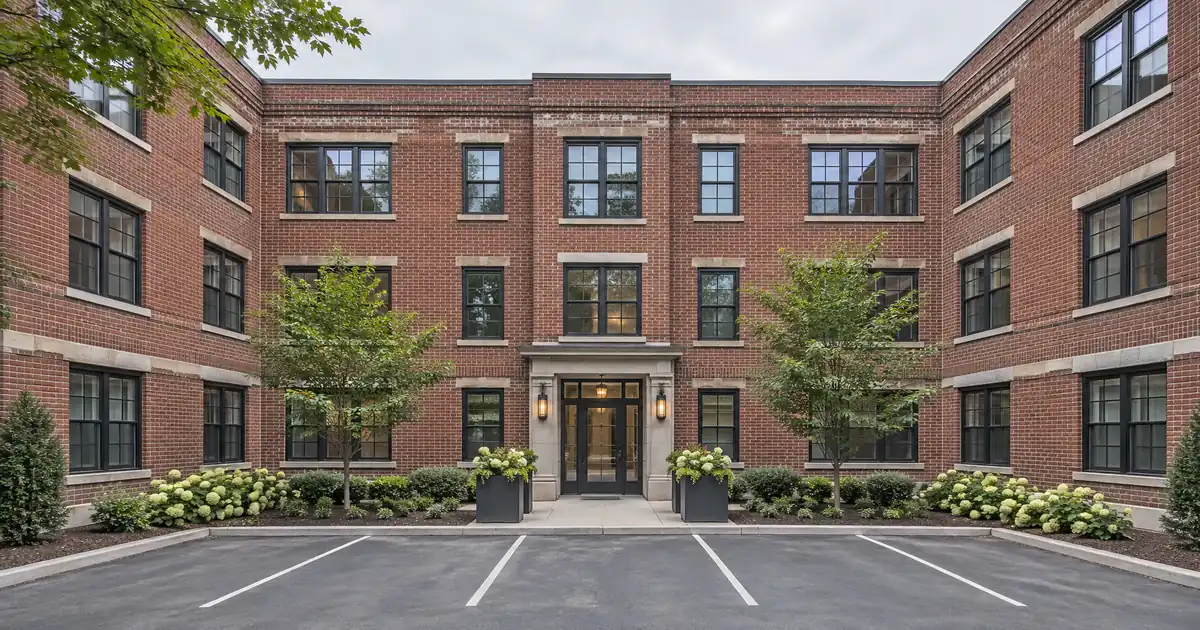
The Quick Read: A cash-out refinance keeps you in the asset and turns part of your equity into cash. A sale ends ownership and converts all of it. The catch is that a 5+ unit building does not fit the home-loan rules most people picture when they hear “cash-out refinance.” Those programs cover one to four units. Bigger buildings go through a commercial track with different underwriting, so the honest answer starts with which lane your property sits in.
Key Takeaways
- Consumer cash-out refinance programs are built for one- to four-unit properties. A 5+ unit building is financed as commercial multifamily.
- Refinancing keeps ownership and adds debt. Selling ends the debt and ends your claim on future value.
- On a one- to four-unit home, cash-out leverage tops out at 80% on a one-unit principal residence and 75% on two to four units.
- Selling has its own costs and a tax question, which belongs with a tax professional.
- The right choice depends on what you want the building to do for you over the next several years.
Who Each Option Is Really For
A cash-out refinance fits the owner who wants to stay. You like the asset, the income or the home, and you need cash for something else. You accept a bigger loan balance in exchange.
Cash-out refinance estimate
The starting figures are an example value with a balance and a cash request in proportion. Replace them with yours.
Editable benchmark: 7.18% as of November 5, 2026 · Freddie Mac 30-year average via FRED®. A conventional market reference, not a cash-out refinance quote.
Illustrative starting assumptions: a $350,000 home value, a $193,000 current balance, the agency cap on a one-unit principal residence, a thirty-year term at the current Freddie Mac benchmark, and property taxes and insurance estimated at typical national rates. Every field is editable.
Illustrative estimate only — not a Loan Estimate, approval, quote, or commitment to lend. The rate field carries the weekly Freddie Mac thirty-year conventional benchmark, a market reference and not a cash-out refinance quote; a cash-out loan is priced by the lender at lock. The cash available is the loan the program cap allows less the balances paid off, before closing costs, which are not included. The HELOC line is the program’s combined loan-to-value ceiling applied to the same value and balance. Taxes and insurance are editable estimates. Licensed in sixteen states for consumer mortgages.
Selling fits the owner who is ready to leave. You give up the asset, and nothing is left to service.
Here is the wrinkle with a 5+ unit building. If you own one, the refinance side of this comparison runs through a commercial lender, not a home-loan program. The consumer figures here describe the one- to four-unit lane. They are useful as a yardstick for what a home-style cash-out looks like, and as a warning about what does not carry over.
Side-by-Side
| Factor | Consumer cash-out (1–4 units) | 5+ unit refinance | Selling |
|---|---|---|---|
| Loan type | Consumer mortgage | Commercial multifamily loan | No new loan |
| Leverage | 80% one unit; 75% two to four | Set by building income | Not applicable |
| Credit floor | 620 decision score, wholesale programs | Property and sponsor strength | None |
| Mortgage insurance | Cash-out caps at 80%; one no-MI lane goes higher | Not a consumer feature | None |
| Occupancy | Primary, second home or investment; sets leverage | Commercial; living there doesn’t change the track | Not a factor |
| Documentation | Personal income, credit, appraisal | Building income, expenses, sponsor | Listing, payoff statement |
| Seasoning | Loan 12 months old; 6 months on title | Varies by program | None |
| What you keep | The asset, with more debt | The asset, with more debt | Cash, no asset |
Every consumer figure above is subject to lender guidelines and full file review. None of it is a commitment to lend.
Where the Line Falls Between Home Loans and Building Loans
Lendmire’s cash-out refinance programs page covers the consumer side: home loans arranged through wholesale lenders. A broker can place those loans on a single-family home, a condo, or a duplex through fourplex. Past four units, the financing belongs to the commercial multifamily lane instead.
The Fannie Mae eligibility matrix lists its cash-out and limited cash-out options for one- to four-unit properties. Its multifamily program, described on the Fannie Mae multifamily DUS page, is aimed at existing, stabilized properties with at least five units. That page also describes a creditworthy single-asset borrower and fixed or variable pricing.
Underwriting changes too. On a home loan, the lender looks at your personal income, your credit and your debts. On a 5+ unit building, the lender looks mostly at what the building earns, what it costs to run, and how strong the owner is. Your paycheck plays a much smaller role.
You may be living in one of the units. That does not move you back to the consumer lane. The building’s unit count decides the track.
What a Consumer Cash-Out Actually Looks Like
If your property is one to four units, the cash-out picture is concrete. Here is how it works across the wholesale programs a broker like Lendmire places files with.
Leverage. Conventional cash-out is written to 80% of value on a one-unit principal residence. It is 75% on two- to four-unit principal residences, second homes and investment property. Occupancy sets the leverage. Mortgage insurance is required above 80% on the agency path, with one exception: a wholesale no-MI cash-out lane reaching 89.99% LTV. It requires a 680 score and a 50% ratio on a thirty-year fixed. It is limited to a primary residence at a conforming balance, and it carries its own six months of seasoning. Final terms depend on the lender’s guidelines, the property type, and the borrower’s complete credit picture.
Credit. Wholesale conventional programs start at a 620 decision score. The automated finding governs most files, with a total ratio ceiling of 50%. Manually underwritten loans use tighter ratios, along with the reserve and score factors in the eligibility matrix.
Seasoning. The first mortgage being paid off must be at least 12 months old, counted note date to note date. A borrower must also have been on title for six months. Exceptions exist for delayed financing after a cash purchase, for inheritance, and for legal awards. The Fannie Mae Selling Guide sets out the cash-out transaction rules, including the delayed financing exception.
Reserves. The matrix notes that minimum reserves apply on cash-out files when the automated casefile shows a ratio above 45%.
Now compare that with limited cash-out, which people confuse with cash-out all the time. Limited cash-out is mainly a refinance. It pays off the existing first mortgage, closing costs and a purchase-money second, and returns only a sliver of cash. It is not a way to pull equity.
When a Cash-Out Refinance Is the Better Fit
A cash-out refinance wins when you want to keep owning the asset and the numbers still hold with a bigger loan. A few situations point that way.
You need cash but expect the property to keep rewarding you. If the building’s income or your home’s long-term value matters to you, selling hands that over to a buyer. A refinance lets you tap equity and stay in.
Your equity is big, but your plan is small. Say you need a modest slice of equity for a repair, a payoff or a down payment elsewhere. Selling a whole building to free a fraction of it is a blunt tool.
Your existing loan is working against you. A refinance can replace a loan whose terms no longer fit. That is a mechanics point, not a promise of savings. A new loan carries its own costs, and cash-out pricing adds adjustments that depend on leverage and credit score.
You can carry the larger balance. Taking cash out raises the balance and can change the monthly obligation. On a home loan, the lender tests that against your income. On a 5+ unit building, the lender tests it against the building’s income, so a drop in occupancy or rent hurts more.
Picture an owner of a fourplex who lives in one unit. The consumer lane applies, with leverage in the 75% range for a two- to four-unit principal residence. If the file meets credit, ratio and seasoning requirements, the owner keeps the building and its other three rents. That works, but only because the property sits at four units, not five.
Now flip it. Picture an owner of a six-unit building who wants the same result. The consumer rules do not apply. The refinance goes through a commercial lender, on commercial terms, with underwriting built on the building.
The Risks That Come With Staying In
Refinancing keeps the exposure. You are still the owner when a roof fails or a tenant leaves. You still carry a larger loan against the same building.
Commercial loans on larger buildings often come with prepayment structures, such as yield maintenance or step-down schedules, and with shorter terms than a thirty-year home loan. Those features can shape whether you can sell or refinance again later. Ask about them before you sign.
When Selling Is the Better Fit
Selling wins when ownership itself has become the problem.
You are tired of running it. A building with five or more units is a business. If management, repairs and turnover cost you more energy than the equity is worth, a sale ends that. A refinance does not.
The building needs money you do not want to put in. A cash-out adds debt on top of an asset that may need capital work. If the numbers only work on optimistic assumptions, borrowing more is the riskier path.
You want a clean break. Selling pays off the loan and puts the remainder in your hands. No balance carries forward, and no maturity date arrives.
Your loan is nearing a hard stop. If your existing financing matures soon and a refinance looks tight, a sale takes the pressure off.
You want the capital somewhere else. Equity in one building is concentrated. A sale can spread it across other plans.
What you give up is real. You lose the rental income and any future appreciation, and the sale carries its own transaction costs. Net proceeds are what remains after the payoff, those costs and any tax. Tax treatment can depend on your situation; borrowers should speak with a qualified tax professional before relying on any deduction or credit.
A Short Rules Note on Protections
Home loans carry ability-to-repay protections. Under the CFPB’s Regulation Z rule, those protections do not apply to credit extended primarily for a business, commercial or agricultural purpose, even when a dwelling secures it. A loan on a 5+ unit building often falls on the commercial side of that line. Do not assume a commercial loan comes with the same safeguards as a home refinance.
Key Terms Defined
Cash-out refinance: A new first mortgage that pays off the old one and returns the difference to you as cash.
Limited cash-out refinance: A refinance that mainly changes your rate or term and returns only a small amount of cash.
Seasoning: The waiting period a lender wants before a refinance, such as how long the current loan or your ownership has been in place.
LTV (loan-to-value): The loan balance divided by the property’s appraised value, shown as a percentage.
Mortgage insurance: Coverage that protects the lender when your down payment or equity is small. On the agency path it cancels at your request at 80% of original value and ends automatically at 78%.
Stabilized property: A building with steady occupancy and income, which commercial lenders usually require.
Net proceeds: What you walk away with after the payoff, closing costs and any tax.
Hybrid Paths Worth a Look
You do not have to pick one end of this comparison. Some owners refinance now to fund a specific goal, then sell later. Others sell and keep a smaller property in the consumer lane, where financing is simpler.
A building owner might also reduce risk by paying down debt rather than pulling cash out. That keeps the asset and lowers the balance. It does not release equity.
Whatever the path, run a stress test before deciding. Ask what happens if occupancy drops, if repairs hit, or if the loan comes due when conditions are tough. A plan that only works when everything goes right is a risky plan.
Before You Talk to a Lender
Gather these items so the first conversation is useful:
- Your current loan statement and payoff figure.
- The building’s income and expense records.
- Your best estimate of its value.
- Your reason for taking cash out, or for selling.
- The legal unit count, since it decides your lane.
The Balanced Verdict
Choose a cash-out refinance if you want to keep the asset, you can carry more debt, and the property keeps earning. Choose a sale if you want out, need the whole equity, or cannot comfortably carry a bigger loan.
If your property is one to four units, a broker can arrange the consumer path and compare it to selling on real numbers. If your building has five or more units, expect a commercial lender, and treat the home-loan figures as a reference point only.
If you are weighing a cash-out refinance against keeping the loan you have, Lendmire can help you compare the programs and the equity each one reaches.
Frequently Asked Questions
Can I do a regular cash-out refinance on a 5+ unit building?
No. Consumer cash-out programs cover one to four units. A building with five or more units goes through a commercial multifamily loan, with underwriting built on the building’s income and the owner’s strength.
What is the difference between cash-out and limited cash-out?
Cash-out lets you take equity as cash. Limited cash-out is mainly a rate-and-term refinance that returns only minimal cash. At Fannie Mae, the limit is the lesser of 2% of the new loan amount or $2,000. At Freddie Mac, it is the greater of 1% of the new loan amount or $2,000. Both limits are agency rules and remain subject to lender guidelines.
How long must I own the property before a cash-out refinance?
On the consumer path, the loan being paid off must be at least 12 months old, and a borrower must have been on title for six months. Each is subject to lender guidelines.
Does a cash-out refinance require mortgage insurance?
Mortgage insurance is required above 80% LTV on the agency path, except in the one wholesale no-MI cash-out lane, and conventional cash-out otherwise tops out at 80% on a one-unit principal residence. That lane reaches 89.99% with no mortgage insurance, for a primary residence at a conforming balance, a 680 score and a 50% ratio. Each figure is subject to lender guidelines and a complete review of property type, leverage, and credit.
Are refinance proceeds treated like sale proceeds?
No, they are different events. A refinance replaces your old loan with a new, larger one. The cash you receive is borrowed money, so you still own the property and still owe the full balance. A sale ends the debt and the ownership: the buyer’s payment goes first to your payoff and selling costs, and what remains is your net proceeds. Selling also raises a tax question, which belongs with a tax professional. Lendmire does not give tax advice.
For your own numbers, request a scenario review with Lendmire.
About Lendmire
As a mortgage broker (NMLS# 2371349), Lendmire helps homeowners and home buyers in 16 states with FHA, VA, conventional and jumbo purchase and refinance loans arranged through wholesale lenders. Lendmire is never the lender; program terms are set by the lender and the agency guidelines. Scotsman Guide named Lendmire a Top Mortgage Workplace in both 2025 and 2026.
Get Started
Ready to find the right loan for you?
See your offer in seconds. No credit pull, no obligation.
Informational only. Not a Loan Estimate, approval, or commitment to lend. Program availability and eligibility are subject to lender guidelines, credit approval, property review, and underwriting.
References
1. Fannie Mae Eligibility Matrix
2. Fannie Mae Multifamily DUS Mortgage Loans
3. Fannie Mae Selling Guide: Cash-Out Refinance Transactions
4. CFPB Regulation Z, Section 1026.43
This article is part of Lendmire’s cash-out refinance program — full qualification details, guidelines, and scenarios live on the program page.
Related reading: Best Cash-Out Refinance Program to Borrow the Maximum Equity Allowed · How the Cash-Back Line Works on a Cash-Out Refinance · Cash-Out Refinance vs Home Equity Loan Qualification Requirements
Brandon Miller
Founder & CEO, Mortgage Loan Originator, Lendmire LLC
- Mortgage Loan Originator · NMLS# 1129696 · Verify on NMLS Consumer Access
- North Carolina Real Estate Broker · License# 343312 · Verify on NCREC
- North Carolina Insurance Producer · License# 19053198 · Property, Casualty, Life, Health · Verify on NAIC SBS
- Lendmire LLC · Firm NMLS# 2371349 · Verify firm licensure
Important disclosures. Lendmire (NMLS# 2371349) is a licensed mortgage brokerage. Lendmire is not a direct lender, depository institution, or financial advisor. All loan inquiries are subject to lender underwriting; this article does not constitute a commitment to lend. Rates, terms, and program guidelines are subject to change without notice and vary by borrower profile, property type, and state. Information in this article is general in nature and is not financial, legal, or tax advice. Equal Housing Opportunity. NMLS Consumer Access: nmlsconsumeraccess.org.