
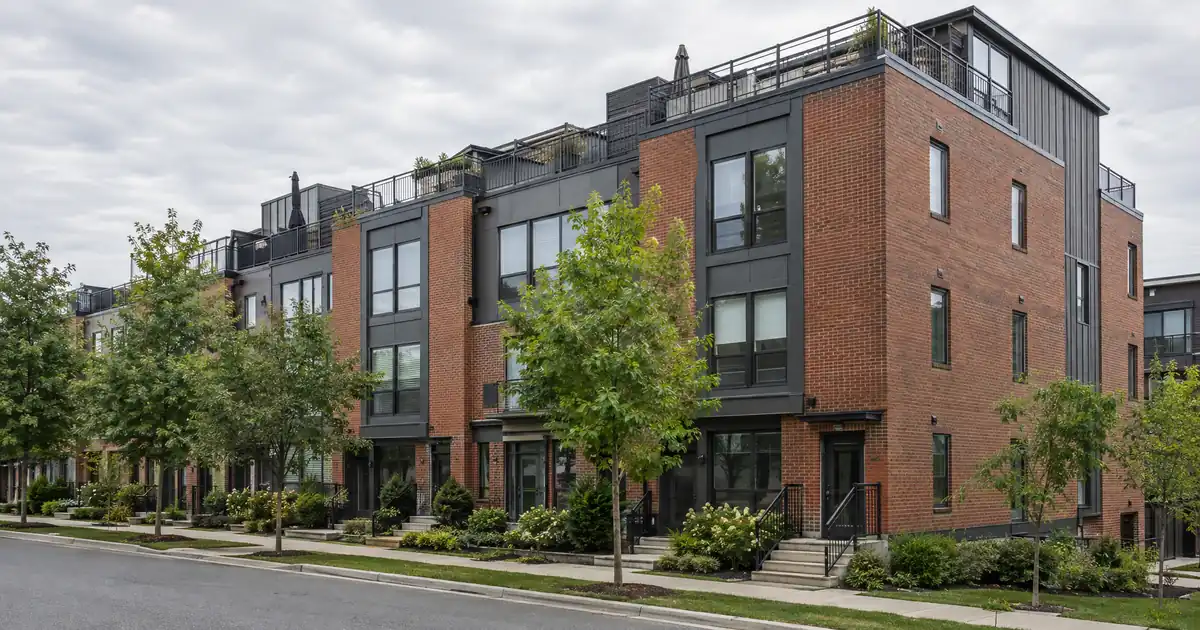
The Quick Read: A jumbo cash-out on a second-home condo or co-op passes two tests: the borrower and the building. The borrower test covers credit, ratios, reserves, and the equity you leave in the unit. The building test covers the project’s finances, insurance, and rental rules. Second-home cash-out generally carries lower leverage than a primary-residence cash-out, and co-ops are the hardest property type to place. Every figure here is subject to lender guidelines and full file review.
Key Takeaways
- Occupancy sets leverage. A second home sits between a primary residence and an investment property.
- A strong borrower can still be turned down because the building fails review.
- Condo and co-op are different products with different appraisal forms and approval routes.
- Rental pools and management control over occupancy can disqualify a unit as a second home.
- Jumbo lenders borrow agency structure but set their own limits, often stricter.
What Makes a Cash-Out Loan “Jumbo” on a Second Home?
A loan is jumbo when it starts one dollar above the conforming limit for the county and unit count. FHFA sets that limit and updates it each year, so check its county list rather than relying on a number from an article. Fannie Mae and Freddie Mac do not buy jumbo loans. No public rulebook sets jumbo cash-out leverage, credit, or reserve minimums, because each wholesale lender writes its own.
Across the wholesale jumbo programs Lendmire places files with, the envelope looks like this. The headline lane uses a 660 decision score. Leverage reaches 90% on the highest lanes, and loans run to $5,000,000 on the largest. Fixed lanes use a 50% ratio ceiling, with 45% on the adjustable lane and 43% on the interest-only lane. Reserves are counted in months of the full payment and rise with the loan amount. Appraisals scale too: above a lane’s threshold amount, two appraisals are required.
Cash-out is different from purchase. Lenders set it at lower leverage, and the largest lanes add a cash cap. Those figures belong to the lane, so read them as a range of structures and not one universal number. This is the tradeoff that matters most for a second home: the same property can reach noticeably more leverage on a purchase than on a cash-out.
The structure of the loan can vary too. Fixed, adjustable, and interest-only versions exist. Each has its own ratio ceiling and its own appetite for condos.
What Counts as a Second Home?
Occupancy is the first gate. The agency benchmark, from the Fannie Mae Selling Guide on occupancy types, says a second home must be:
- occupied by the borrower for some part of the year
- a one-unit dwelling
- suitable for year-round use
- under the borrower’s exclusive control
- not a rental property or timeshare arrangement
A management agreement that controls who occupies the unit rules out second-home treatment. That matters for resort buildings. If the unit sits in a rental pool, the lender will likely treat it as something else, and the leverage changes with it.
Some rental income can coexist with a second home, as long as that income is not used to qualify. Jumbo lenders vary on how much occasional short-term renting they tolerate. Lenders place a high priority on correct occupancy, and misstating it is a core underwriting risk. Occupancy decides the leverage, so be accurate about how you use the unit.
Step by Step: How the Loan Is Underwritten
Step 1: Classify the occupancy. The lender confirms the unit is a true second home, based on your use, location, and any rental arrangements.
Step 2: Check ownership and seasoning. The agency benchmark in the Fannie Mae cash-out refinance guide requires at least one borrower to be on title for six months before the new loan funds. A unit listed for sale must come off the market by funding. A temporary buydown makes the loan ineligible as cash-out. Jumbo lenders often follow the same shape, though each sets its own clock.
Step 3: Review the project. This is the step that separates a condo from a house. Covered in the next section.
Step 4: Order the appraisal. A condo unit uses Form 1073. A co-op interest uses Form 2090. Above a lane’s threshold, jumbo files need two appraisals. The piece on handling two appraisals on a second home walks through how that works in practice.
Step 5: Underwrite the borrower. The lender verifies income, assets, debts, and reserves, then applies credit and ratio standards. Reserves on a jumbo are measured in months of the full payment, and they rise with the loan amount.
Step 6: Weigh what decides the outcome. In rough order of weight: the lender’s maximum second-home cash-out leverage, the project’s approval status, the appraised value, occupancy documentation, and then reserves and credit.
The Building Test: Where Condos and Co-Ops Get Stuck
A building can fail even when the borrower is strong. For a condo, the lender reviews the project and the association’s financial and insurance health. Special assessments, deferred maintenance, high investor concentration, and weak association finances all raise flags. Form 1073 collects much of this data.
Newer review rules add another layer. Fannie Mae and Freddie Mac updated project review at FHFA’s direction. As described in Fannie Mae’s announcement SEL-2023-06, critical repairs and special assessments get attention in projects with five or more attached units. A building with unaddressed critical repairs can stall a file regardless of your credit.
Jumbo lenders do not have to copy the agency rules. They can be stricter, by excluding certain buildings or requiring more reserves. They can also be more flexible. Two of the wholesale lanes Lendmire works with accept non-warrantable condominiums, which opens a path for buildings that agency-style review would reject. Even then, the building’s insurance and condition still matter.
The practical consequence: ask for the project documents early. Your management company holds the questionnaire and financials, and third-party turnaround can be the slowest part of the file.
Condo vs. Co-Op: Where Eligibility Diverges
Condo and co-op are not interchangeable. A condo gives you title to a unit. A co-op gives you shares in a corporation and a lease on the unit. That difference changes everything downstream.
| Factor | Condo | Co-Op |
|---|---|---|
| What you own | Unit title | Shares plus proprietary lease |
| Appraisal form | Form 1073 | Form 2090 |
| Project review | Association and project review | Corporation review, special lender approval |
| Lender pool | Wider | Narrower |
| Non-warrantable options | Available on two lanes | Rare |
Per the Fannie Mae co-op project eligibility rules, agency co-op share loans can only be sold by lenders specially approved for them. Jumbo works the same way in practice: fewer wholesale lenders will touch a co-op, and those that do apply their own corporation review. Form 1073 isn’t designed for co-op units, so appraisers use Form 2090 instead.
Co-op corporations may also have a say in lien documents. Your lender and the corporation’s managing agent will tell you what they need. Start that conversation early.
Honest take: if you own a co-op as a second home and want jumbo cash-out, expect a thinner menu and more patience. If you own a condo in a conventional building, the path is far easier. The property type can matter as much as your credit profile.
Second Home, Primary, or Investment: How Occupancy Moves Leverage
Lanes set leverage by occupancy: primary residence, second home, and investment property each have their own limits. Second-home cash-out generally sits between the other two.
The agency benchmark shows the pattern. On the Fannie Mae Eligibility Matrix, a one-unit second-home cash-out tops out at 75% LTV, a second-home purchase or limited cash-out reaches 90%, and a primary-residence cash-out sits at 80%. Those are conforming figures, not jumbo limits. Jumbo second-home cash-out is lender-specific and typically tighter than primary-residence cash-out.
Two lessons follow. First, the amount of equity you must leave in the home is larger on a second home. Second, limited cash-out (taking very little cash) allows much higher leverage than a true cash-out, so the amount of cash you want matters. If you only need to pay off the existing loan and pocket a small sum, a limited cash-out structure may reach further than a full cash-out.
Where the General Rule Breaks
Condo hotels and rental-pool buildings. Units in condo or co-op hotels are not considered residential in nature under agency rules, per Fannie Mae’s Selling Guide. Resort-area condos with mandatory rental programs often fail the second-home test.
Recent all-cash purchases. A delayed financing exception lets an all-cash buyer refinance inside the six-month window. It still counts and is leveraged as cash-out. It only waives the seasoning clock. Expect to document the source of the purchase funds.
Waivers don’t travel. Agency project-review waivers apply to certain limited cash-out refinances of condos. They do not apply to co-ops or to cash-out loans. Even when review is waived, insurance and critical-repair tests still apply.
Thin-comp resort markets. Few comparable sales make appraisals harder, and on jumbo files above the lane’s threshold, you need two of them. A low appraisal cuts proceeds directly.
Small projects. Review depth varies with building size. Smaller projects can be easier on some tests and harder on others, because one unit’s problems weigh more.
Ability to repay. Jumbo loans are still subject to the federal ability-to-repay rule. The lender must verify income, assets, and debts. Jumbo does not mean no rules.
Documents to Gather
Expect to provide:
- income and asset documentation, plus statements for reserves
- the current mortgage statement and proof of ownership date
- homeowners and master-policy insurance details
- the condo questionnaire, budget, and financials, or the co-op’s financial statements
- any documentation of how the unit is used and whether it is ever rented
Condo questionnaires and co-op financials come from the management company, not you. Order them first.
What the Decision Looks Like in Practice
Picture a borrower with a condo in a resort town, owned for several years, used a few months a year. The unit is in a conventional building with no rental program. The file looks reasonable: seasoning is met, occupancy is clean, and the building is stable. The question becomes how much equity the lender requires you to leave behind, and whether the appraisal supports the cash you want.
Now picture the same borrower with a co-op unit in a building with a weak reserve fund. Their credit has not changed, but the lender pool shrinks and the building review becomes the main risk. Here the better move might be a smaller cash-out, a different lane, or waiting until the corporation’s finances improve.
A few rules of thumb:
- If you need maximum cash and the building is clean, a condo on a lane with a cash cap and stronger leverage may fit.
- If the building has special assessments or a rental program, ask whether a non-warrantable lane is the better route before spending on appraisals.
- If the amount you want is modest, compare the cash-out against keeping your current loan.
- If you want to put proceeds toward renovation, Lendmire’s piece Should a Condo or Co-op Owner Fund a Remodel With a Jumbo Cash-Out? covers that tradeoff.
Tax treatment can depend on your situation; borrowers should speak with a qualified tax professional before relying on any deduction or credit.
Lendmire’s jumbo cash-out refinance program is arranged through wholesale lenders, and the right lane depends on property type, occupancy, and loan size.
Key Terms Defined
Seasoning: The length of time you have held title to the property before a cash-out refinance can fund.
Warrantable condo: A condominium project that meets standard agency-style review for finances, insurance, and ownership mix.
Non-warrantable condo: A project that fails one or more of those tests, which narrows the lender pool and calls for a program that accepts it.
Project review: The lender’s check of the building’s finances, insurance, and condition, separate from your own credit and income.
Limited cash-out: A refinance where the borrower takes only a small amount of cash, usually allowing higher leverage than a full cash-out.
Reserves: Liquid funds, measured in months of the full payment, that you must show after closing.
Frequently Asked Questions
Can I take cash out of a second-home co-op with a jumbo loan?
Sometimes, but the pool of lenders is smaller than for condos. Co-op share loans require lenders approved to handle them, and each reviews the corporation’s finances. Your credit, reserves, and equity all still apply. Terms are subject to lender guidelines and full file review.
Is second-home cash-out leverage lower than primary-residence cash-out?
Usually yes. Lanes set leverage by occupancy, and second-home cash-out generally sits below primary-residence cash-out and above investment property. The agency benchmark shows the same pattern. Jumbo lenders set their own figures, so a specific lane may differ.
Can I rent out my second-home condo and still qualify?
Occasional use may be tolerated, but a rental pool or a management agreement controlling occupancy generally disqualifies the unit as a second home. Rental income typically cannot be used to qualify. Tolerance varies by lender.
Do I have to wait six months after buying to do a cash-out?
Often, yes, because lenders look for time on title. An all-cash buyer may use a delayed financing exception, which waives the clock but still treats the loan as cash-out. Documentation of the original purchase funds is usually required.
Why was my condo declined when my credit is strong?
The building may have failed review. Special assessments, unaddressed critical repairs, weak association finances, or heavy investor ownership can sink a file. Some lanes accept non-warrantable condominiums, which may open another route.
If you are weighing a cash-out refinance against keeping the loan you have, Lendmire can help you compare the programs and the equity each one reaches. Program figures are subject to lender guidelines and are not a commitment to lend.
For your own numbers, request a scenario review with Lendmire.
About Lendmire
Lendmire, NMLS# 2371349, is a mortgage brokerage with consumer lending licenses in 16 states. FHA, VA, conventional and jumbo purchase and refinance loans are arranged through wholesale lending partners, and each application is reviewed individually by the lender. Scotsman Guide named Lendmire a Top Mortgage Workplace in both 2025 and 2026.
For current guidelines, see jumbo loan programs.
Get Started
Ready to find the right loan for you?
In about 30 seconds you can review financing options available for your home or investment property. No commitment required.
Informational only. Not a Loan Estimate, approval, or commitment to lend. Program availability and eligibility are subject to lender guidelines, credit approval, property review, and underwriting.
References
1. FHFA
2. Fannie Mae Selling Guide: Occupancy Types
3. Fannie Mae Selling Guide: Cash-Out Refinance Transactions
4. Fannie Mae Selling Guide Announcement SEL-2023-06
5. Fannie Mae Selling Guide: Co-op Project Eligibility
6. Fannie Mae Eligibility Matrix
8. CFPB General QM final rule (Dec 2020)
This article is part of Lendmire’s Jumbo Loans series — every loan program’s qualification details, guidelines, and scenarios live on the loan options page.
Related reading: Jumbo Cash-Out Reserve Requirements on a Second Home · Can Jumbo Cash-Out Funds Be the Down Payment on a Second Home? · Jumbo Cash-Out Refinance Rules for a Texas Second Home
Brandon Miller
Founder & CEO, Mortgage Loan Originator, Lendmire LLC
- Mortgage Loan Originator · NMLS# 1129696 · Verify on NMLS Consumer Access
- North Carolina Real Estate Broker · License# 343312 · Verify on NCREC
- North Carolina Insurance Producer · License# 19053198 · Property, Casualty, Life, Health · Verify on NAIC SBS
- Lendmire LLC · Firm NMLS# 2371349 · Verify firm licensure
Important disclosures. Lendmire (NMLS# 2371349) is a licensed mortgage brokerage. Lendmire is not a direct lender, depository institution, or financial advisor. All loan inquiries are subject to lender underwriting; this article does not constitute a commitment to lend. Rates, terms, and program guidelines are subject to change without notice and vary by borrower profile, property type, and state. Information in this article is general in nature and is not financial, legal, or tax advice. Equal Housing Opportunity. NMLS Consumer Access: nmlsconsumeraccess.org.