New Construction Vs Existing Home: Bank Statement Loan Differences

Property-level qualification is where the two paths split. An existing home can close on rental income the day it’s leased.

Property-level qualification is where the two paths split. An existing home can close on rental income the day it’s leased.

Underwriting checks two things: who controls the money, and whether pulling it out hurts the business. A CPA letter helps, but statements do the real work.

Below $1 million, primary-residence leverage runs as high as 90%. Above $4 million, every file goes through case-by-case review before anyone submits it.

Super Jumbo Bank Statement Cash-Out Fund A Business — Yes, in most cases.

Amortizing structures build equity faster and avoid a payment jump later, but they demand a stronger qualifying number from day one.

Bank statement jumbo works when your business throws off strong cash flow but your CPA’s write-offs make your 1040 look thin.

A $700,000 rental can often reach 85% loan-to-value, but a $5,000,000 rental typically tops out around 55%.
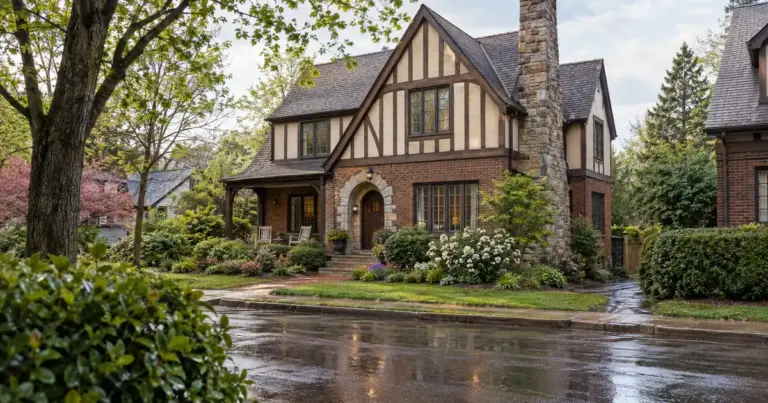
Unvested funds, business accounts, gifts, and most trust assets never count at all.

Nobody has to withdraw a dollar to use this credit; it’s a qualification calculation, not a liquidation event.
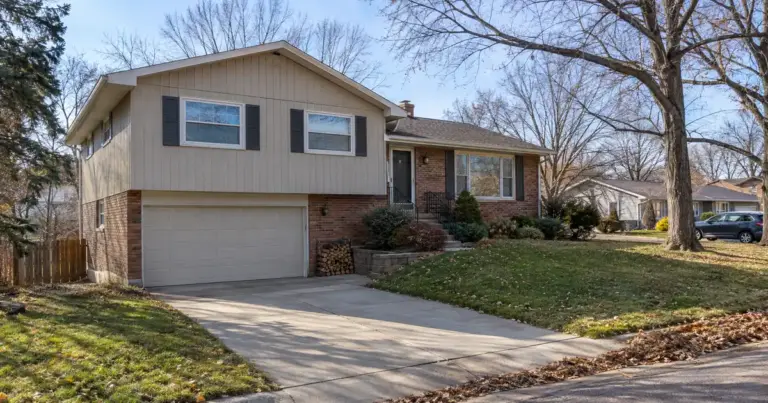
Expense Factor Vs CPA Letter For A K-1 Practice Owner Mortgage: what borrowers need to know about high-net-worth bank-statement financing, from Lendmire.

Asset qualifier skips that step and checks whether enough liquidity remains after closing to cover the loan and other debts.

Retirees usually pair this with a separate financing lane — a DSCR loan — if they also own rental property.

Get the occupancy wrong and you’re not looking at a repricing — you’re looking at a covenant breach.

– Non-warrantable condos are typically financeable to 80% loan-to-value through select wholesale lenders, versus 85% for a warrantable unit.

But the payoff has to show up on your credit report before an underwriter can count it, and that can take longer than borrowers expect.