Asset Depletion Vs A P&L Loan After A Liquidity Event

If a business sale left you with a lump sum and no active operating income, asset depletion usually fits.

If a business sale left you with a lump sum and no active operating income, asset depletion usually fits.

Minimum Credit Score On A Bank Statement Loan — There is no single minimum credit score for a bank statement loan.

What actually changes by occupancy is leverage and credit tier, not the DTI number itself.
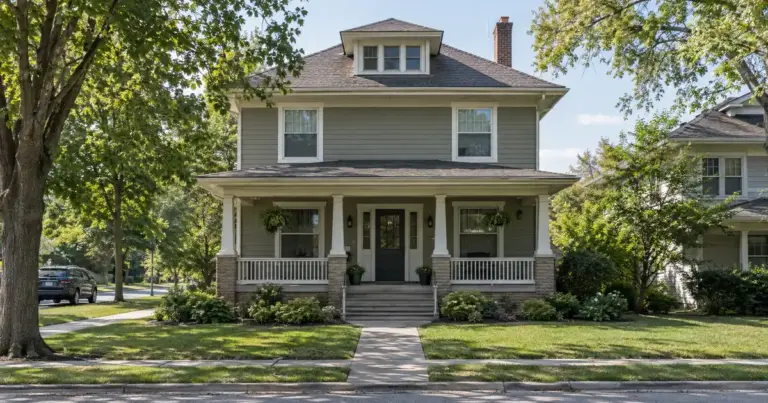
A primary residence usually gets the lightest read. Rentals, second homes, multi-unit buildings, and larger balances draw more.
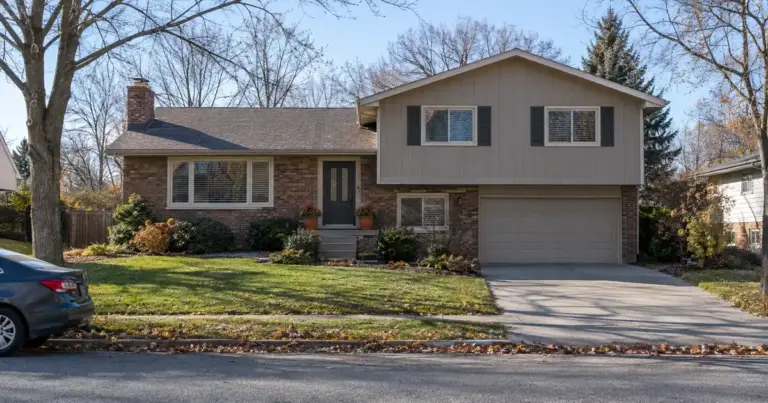
Picking between them starts with one honest question: will this property be occupied part-time by the practice owner, or will it be rented out?

A DSCR loan qualifies the property, using its rent, and it legally cannot be used on a home you plan to occupy.

A DSCR loan qualifies the property, using its rental income, for a home run as a rental business.

A 24-month window averages two years and usually wins when your income is uneven, seasonal, or was stronger last year than this year.

ARM Vs Fixed When Business Expenses Shrink — Choosing between an adjustable-rate and a fixed-rate loan is a payment-behavior decision.

A P&L loan qualifies you off a CPA-prepared profit-and-loss statement instead.

Non-QM Jumbo Vs Bank Jumbo For A Retiree Living On Assets: what borrowers need to know about high-net-worth bank-statement financing, from Lendmire.

Non-QM Jumbo Vs Bank Jumbo — A bank jumbo wants a documentable, ongoing income story built on tax returns.

A contractor (1099) loan is built for people who receive 1099 income directly. Most loan-out earners don’t.

Neither product finances a rental property directly — both document you, the borrower.

A P&L loan reads a CPA-prepared profit-and-loss statement and uses the net income line instead.