Super Jumbo Bank Statement Loans In Mississippi: Requirements

Either way, the underlying mechanics — deposit averaging, expense ratios, and size-based leverage steps — work the same wherever the property sits.

Either way, the underlying mechanics — deposit averaging, expense ratios, and size-based leverage steps — work the same wherever the property sits.

Cash and cash-equivalent accounts generally count near full value.

A lender turns a portion of that balance into a monthly “income” figure, then underwrites the loan against that number.

Not every dollar counts equally — cash counts closer to full value, stocks and retirement accounts get discounted, and some assets never count at all.

Maryland adds one wrinkle: much of the state’s housing stock near the D.C.

Asset Depletion Mortgages In Michigan — An asset depletion mortgage lets a borrower qualify using liquid assets instead of a paycheck.

Asset Depletion Mortgages In Nebraska: Assets, Not Income: what borrowers need to know about high-net-worth bank-statement financing, from Lendmire.

Loan size runs from roughly $300,000 up to $30,000,000 across two separate program ladders.
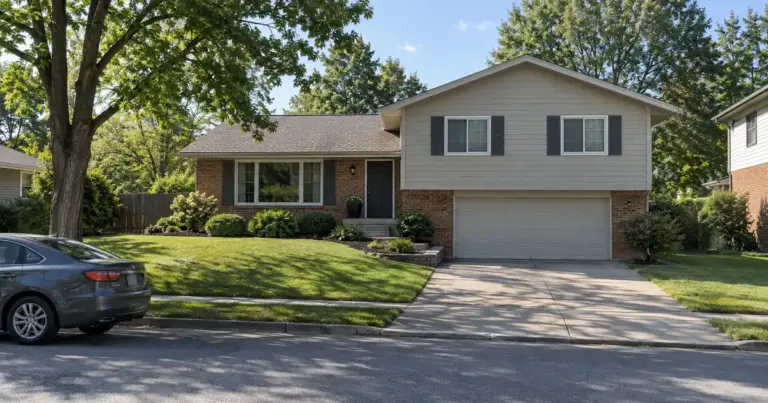
Underwriters divide eligible assets by a set number of months instead of looking at a paycheck.

There is no regulatory line that defines “super jumbo” — it is a lender overlay concept, and the leverage tightens as the loan gets bigger.

Asset Depletion Mortgages In New Hampshire: Which Assets Count: what borrowers need to know about high-net-worth bank-statement financing, from Lendmire.

Reserves and leverage move together: as the loan gets bigger, the maximum loan-to-value drops and the required cash reserves climb.

Reserve requirements grow alongside loan size and portfolio count, not just credit score.

Asset Depletion Mortgages In Massachusetts — These loans convert liquid savings into qualifying income instead of tax returns or pay stubs.

Cash and securities usually count close to full value; retirement funds get discounted for early-withdrawal tax exposure.