
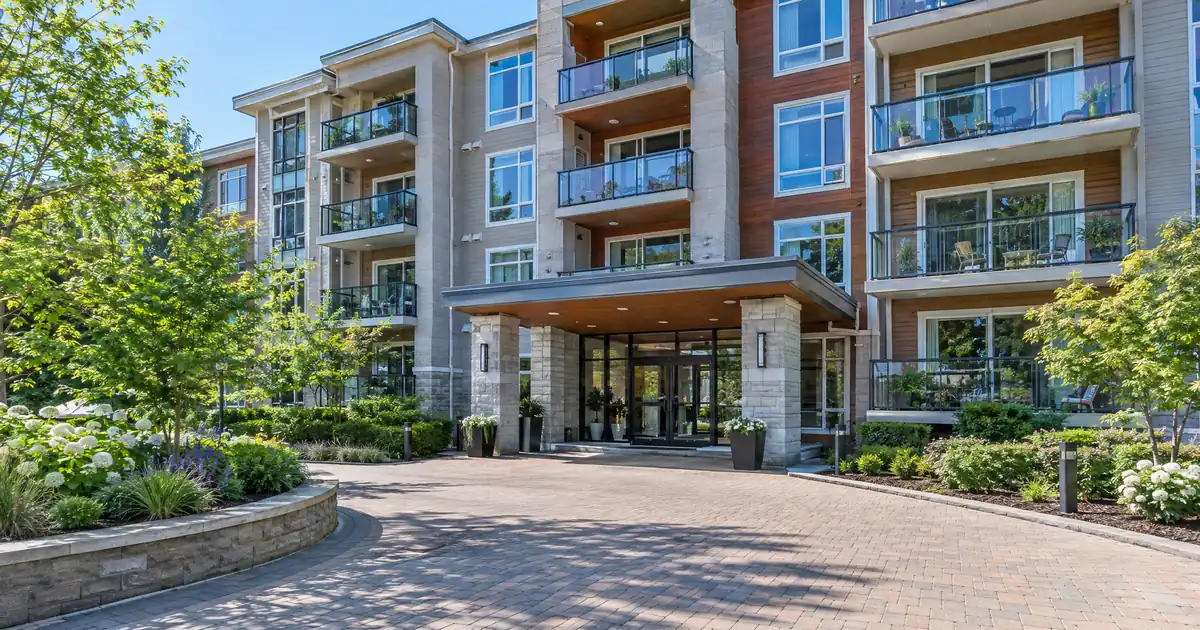
The Quick Read: Usually, yes, if the new loan clears three tests: its size against the county limit, the leverage the program allows on a cash-out, and the building’s eligibility. A condo is not barred from jumbo cash-out. The building gets reviewed along with you. Terms vary by lender and are subject to full file review.
The Three Tests Every Condo Cash-Out Has to Pass
A condo cash-out is judged on three separate questions. The loan can fail any one of them. Each test has a different referee, and that is why two owners with the same income can get different answers.
| Test | What it measures | Who sets it | What a condo changes |
|---|---|---|---|
| Loan size | Is the new loan above the county limit? | Federal limit, set by county | Nothing. A condo counts as a one-unit home. |
| Leverage | New loan as a share of value | The lender’s program | Lenders may be stricter on condos |
| Building | Is the project reviewable? | Lender plus agency standards | Everything. This is the condo-only test. |
Most owners focus on the first test. The building test is the one that surprises them.
Here is how it plays out. A house is judged on the house and the borrower. A condo is judged on the unit, the borrower, and the association that runs the building. You can control your own file. You cannot control the HOA’s finances.
What Makes a Loan “Jumbo” in a High-Cost State?
A loan is jumbo when it starts one dollar above your county’s conforming limit. The limit is set county by county, not state by state. It changes every year, so check the current figure for your county before you plan anything.
“High-cost state” is a loose phrase. It does not mean every county there sits at the top of the range. The FHFA’s published limits rise above the baseline only where 115% of the local median home value exceeds it. They also can never climb more than 50% above the baseline.
So two condo owners in the same state can face two different limits. One may be inside a high-cost county. Another may be in a county at the baseline.
A cash-out can also push you over the line. Say you owe a loan that sits under the limit today. You take out cash, and the new, larger loan lands above it. Now you are in jumbo territory, even though your old mortgage was conforming.
Some terms you will hear:
- High-balance conforming means a loan above the standard baseline but still within your county’s higher limit.
- Jumbo means a loan above the county’s limit entirely.
Why a Jumbo Cash-Out Is Judged Differently Than a Purchase
A cash-out refinance is a bigger new loan. It pays off your old mortgage and hands you the rest in cash. Lenders treat that as more risk than a purchase.
Across the wholesale jumbo programs I place files with, cash-out leverage sits lower than purchase leverage. The headline lane reaches 90% leverage, and several lanes allow up to 89.99% combined loan-to-value. The rest of the lanes stop at 80%. Cash-out always lands below those top numbers, and the largest lanes also put a cash cap on what you can take. The lane that fits you depends on the amount, your credit, and your occupancy. Final terms depend on lender guidelines, property type, leverage, and the borrower’s complete credit picture.
For a sense of how other programs treat the same question, the Fannie Mae eligibility matrix caps a one-unit primary-residence cash-out at 80% on conforming loans. Second homes and investment properties get lower caps. Jumbo programs set their own limits, and the wholesale lanes described above are the ones I work with. These specifics are subject to lender guidelines and a full review of property, leverage, and credit.
Occupancy matters. If the condo is your main home, you get the best leverage a lane offers. A second home or rental condo gets lane-specific leverage that is typically lower. That is the only note this article gives on the topic.
Where Condos Trip Up
Condos trip up on the building. A lender looks at how the HOA is run, how it is funded, and who owns the units. A weak building can sink a strong borrower.
Here is what lenders look at:
- The HOA budget and whether it sets money aside for repairs.
- How many units are owner-occupied versus rented.
- Pending lawsuits against the association.
- Special assessments, planned or in progress.
- How much of the building is commercial space.
- Insurance coverage on the building.
Some buildings are ineligible for agency-backed loans outright. Characteristics that cause trouble include hotel-style operations, split ownership, heavy commercial space, and an association that earns a large share of its income from side businesses. Others are flagged for critical repairs.
A building that fails agency standards is often called “non-warrantable.” That label sounds final. It is not. Industry coverage notes that such condos can often still be financed through portfolio or jumbo lenders, usually on tougher terms. Two of the wholesale lanes I place files with accept non-warrantable condominiums. Fewer lenders participate, so the choices narrow.
Can You Look Up Whether Your Building Is Approved?
Mostly no. Agency status lists have historically been visible to lenders, not owners. Fannie Mae’s project-review rules carry an “Unavailable” status, and even a building with a review waiver cannot carry it.
You can still do some homework:
1. Ask your property manager for the budget, financial statements, insurance certificates and the lender questionnaire.
2. Ask whether any lawsuit or special assessment is pending.
3. Ask whether another owner has recently refinanced or sold with an agency loan.
That last question is a decent signal. It is not proof. Your lender’s own review is the final word.
A related myth is that the project-review waiver lets anyone skip the building check. It does not. It covers narrow transaction types, mostly limited cash-out refinances of loans the agency already owns. It is not a cash-out shortcut, and it does not apply to jumbo loans.
Another change: Fannie Mae ended its “Limited Review” path for newer applications. Established projects now generally need a full review unless a waiver applies. In practice, jumbo lenders were already doing full reviews on larger loans. The jumbo lanes rarely offer a streamlined condo check.
A Worked Example: Which Test Binds First?
Picture a condo in a high-cost county. This example is illustrative, not a quote.
You live in the unit. You owe about half its value. You want to take cash out and land on a new loan that sits well above your county’s limit.
Test one, size. The new loan is above the limit. It is jumbo.
Test two, leverage. The new balance has to fit under the lane’s cash-out ceiling. Cash-out sits below purchase leverage, and the largest lanes add a cash cap. If your ask is too big, the lender scales it back. The lane’s loan maximum runs up to $5,000,000, but most condo cash-outs land well below that.
Test three, building. The lender reviews the HOA documents. Say the association has a pending special assessment. The lender may want the assessment paid or funded before it will move forward. Or it may route you to a lane that accepts non-warrantable condominiums.
In this example, the building binds. Your equity was fine. Your credit was fine. The HOA file decided how the deal looks.
The lowest ceiling of the three tests sets your outcome. Check all three before you start.
If the Building Fails: What Happens Next?
A building problem moves your deal. It does not always end it.
| Building issue | Likely effect | Realistic next step |
|---|---|---|
| Pending lawsuit against the HOA | Many lenders pause or decline | Ask for a lane that accepts non-warrantable condominiums |
| High share of rented units | Tighter review, lower leverage | Expect a stricter lane |
| Pending special assessment | Extra scrutiny of HOA finances | Resolve or document how it is funded |
| Hotel-style or rental-pool use | Often ineligible on standard lanes | Narrow set of lenders, if any |
| Heavy commercial space | May fail project standards | Portfolio-style review |
| Unit in a detached condo | May be exempt from project review | Treat more like a house |
Each case is reviewed on its own. Terms are subject to lender guidelines, and none of this is a promise that a lender will approve the loan.
What Rising HOA Dues Do to Your Qualifying
Monthly HOA dues count as housing expense. So does any special assessment you pay on a schedule. Both sit on top of your mortgage payment when the lender figures your debt load.
The fixed jumbo lanes I place files with set a ratio ceiling of 50%. That is the share of your monthly income that goes to debts, including the new housing payment. The adjustable lanes stop at 45%, and the interest-only lanes at 43%. Rising dues push your ratio up even when your income stays flat.
This is why a high-dues building can cap your cash-out amount. The lender may approve a smaller loan than you asked for. Sometimes the dues alone make the difference between lanes.
A bigger loan also changes the monthly picture. The new loan replaces your old one. The balance is larger, the term resets, and your payment generally moves with it. Weigh that against what you plan to do with the cash.
The Rules That Still Apply to a Jumbo
Jumbo does not mean no rules. The federal ability-to-repay rule covers most mortgages, jumbos included. Lenders must make a reasonable, good-faith call that you can repay. That means documenting income, assets, employment, credit history and monthly expenses.
For you, that means paperwork. Expect pay records, asset statements, and a credit review. The wholesale lanes use a 660 decision score on the headline lane. Other lanes may ask for more. All of it is subject to lender guidelines and full file review.
Tax treatment can depend on your situation; borrowers should speak with a qualified tax professional before relying on any deduction or credit.
Jumbo Cash-Out, Staying Conforming, or Something Else?
Jumbo is not always the best move. Here is how the options compare for a condo owner.
| Option | Good fit when | Watch out for |
|---|---|---|
| Jumbo cash-out | The new loan lands above the county limit | Building review, cash caps, reserves |
| Conforming or high-balance | Your new loan fits under the county limit | Building on an agency do-not-lend list |
| A smaller cash-out | The building is the weak link | You take less cash |
| Waiting | A lawsuit or assessment is about to resolve | Equity sits idle |
Sometimes a smaller cash-out keeps you under the county limit. That can open a wider group of lenders. Ask yourself whether you need the full amount, or whether part of it would do.
FHA and VA programs exist, and HUD keeps its own approved-condo list. They are usually not a path for large cash-outs.
Key Terms Defined
Jumbo loan: A mortgage that starts one dollar above your county’s conforming limit.
Cash-out refinance: A new, larger loan that pays off your old one and gives you the difference in cash.
Conforming limit: The federal loan-size cap for agency-backed loans, set by county each year.
Warrantable condo: A building that meets agency standards for financing.
Non-warrantable condo: A building that fails those standards. Some lenders can still finance it.
Project review: The lender’s check of the condo association’s finances, ownership mix, insurance and legal status.
Special assessment: A one-time charge to owners for repairs or a shortfall. Lenders count it as housing expense.
Reserves: Cash left over after closing, measured in months of your full payment. The amount rises with the loan size.
Your Pre-Application Checklist
Do these before you apply. They cut surprises.
1. Find your county’s current conforming limit and compare it to the new loan you want.
2. Decide how much cash you actually need. A smaller number can open more options.
3. Request HOA documents: budget, financials, insurance certificates, and the lender questionnaire.
4. Ask the property manager about lawsuits and special assessments.
5. Check how much of the building is owner-occupied.
6. Gather income, asset and credit records.
7. Plan for the appraisal. A condo appraisal covers the unit and the project, and lender requirements rise with the loan amount. Two appraisals are required above a lane’s threshold amount.
Small buildings and unusual ones can make appraisals harder. Appraisers report project details, HOA information and any commercial space. Unusual buildings leave them fewer comparable sales.
Next Step
If you are weighing a cash-out refinance against keeping the loan you have, Lendmire can help you compare the programs and the equity each one reaches. Start with the jumbo cash-out refinance program page to see how the lanes are laid out. Lendmire is a mortgage broker, so it arranges these loans through wholesale lenders. Lenders make the final call, and nothing here is a commitment to lend.
Frequently Asked Questions
Does the county limit decide whether my condo loan is jumbo?
Yes. The limit is set by county, not by state, and a condo counts as a one-unit home. If your new loan lands above your county’s limit, it is jumbo. Check the current-year limit, because it changes.
Can I take a jumbo cash-out if my building is non-warrantable?
Sometimes. Fewer lenders participate, and terms can be stricter. Each building is reviewed on its own, subject to lender guidelines.
How much equity do I need to keep?
It depends on the lane. Jumbo leverage tops out at 90% on the headline lane, with several lanes at up to 89.99% combined loan-to-value and the rest at 80%. Cash-out sits lower than purchase leverage, and the largest lanes add a cash cap. A second home gets different leverage than a primary home.
Will HOA dues and special assessments hurt my approval?
Yes, they can. Dues and scheduled assessments count as housing expense, which raises your debt ratio. Ceilings are 50% on the fixed lanes, 45% on the adjustable lanes and 43% on the interest-only lanes. A high-dues building may mean a smaller loan.
Can I find out in advance if my building is approved?
Not reliably. Agency lists of unavailable projects have historically been lender-only. You can ask the property manager for the HOA documents and the legal and assessment status. The lender’s review settles it.
About Lendmire
Lendmire is a mortgage brokerage (NMLS# 2371349) licensed for consumer mortgage lending in 16 states, arranging FHA, VA, conventional and jumbo purchase and refinance loans through a wholesale lending network. Eligibility is determined by the lender on each file. Scotsman Guide named Lendmire a Top Mortgage Workplace in both 2025 and 2026.
For your own numbers, request a scenario review with Lendmire.
Get Started
Ready to find the right loan for you?
In about 30 seconds you can review financing options available for your home or investment property. No commitment required.
Informational only. Not a Loan Estimate, approval, or commitment to lend. Program availability and eligibility are subject to lender guidelines, credit approval, property review, and underwriting.
References
1. FHFA conforming loan limit addendum
2. Fannie Mae eligibility matrix
3. Bankrate on Fannie and Freddie condo rules
4. Fannie Mae Selling Guide: waiver of project review
5. CFPB: what is the ability-to-repay rule?
This article is part of Lendmire’s Jumbo Loans series — every loan program’s qualification details, guidelines, and scenarios live on the loan options page.
Related reading: How to Structure a Jumbo Cash-Out for a High-Earning W-2 Homeowner · Is a Jumbo Cash-Out Refinance Offered in Every High-Cost State? · Can a Spouse Who Lives Out of State Sign a Jumbo Cash-Out?
Brandon Miller
Founder & CEO, Mortgage Loan Originator, Lendmire LLC
- Mortgage Loan Originator · NMLS# 1129696 · Verify on NMLS Consumer Access
- North Carolina Real Estate Broker · License# 343312 · Verify on NCREC
- North Carolina Insurance Producer · License# 19053198 · Property, Casualty, Life, Health · Verify on NAIC SBS
- Lendmire LLC · Firm NMLS# 2371349 · Verify firm licensure
Compliance and disclosures. Lendmire (NMLS# 2371349) is a licensed mortgage broker and is not a direct lender, depository institution, financial advisor, or tax professional. Content in this article is general market analysis and educational information — not financial, legal, or tax advice for any specific situation. Lendmire does not guarantee loan approval; every transaction is subject to underwriting by the funding lender. Mortgage pricing and loan program guidelines are subject to change at any time without notice and vary by borrower characteristics, property type, and state regulations. Lendmire complies with Equal Housing Opportunity. Licensure verification: NMLS Consumer Access.