
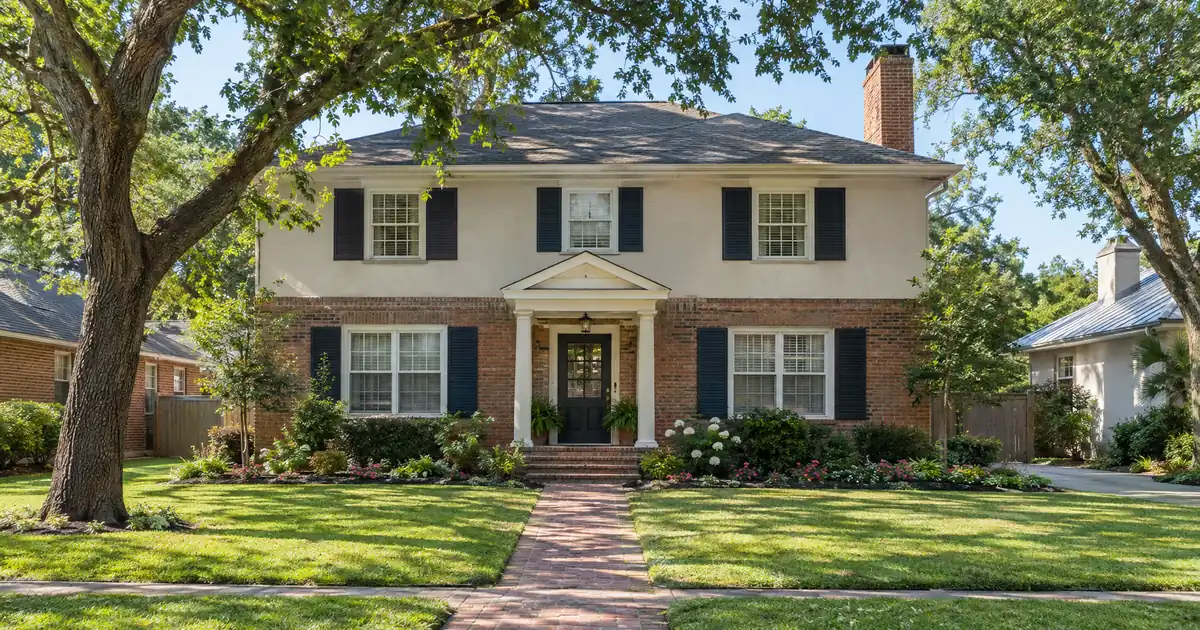
The Quick Read: On a paid-off Texas homestead, the conventional loan is generally the practical route, and FHA cash-out is generally not offered. Texas treats any cash-out loan against a homestead as a Section 50(a)(6) home equity loan, and that structure shapes everything else. FHA fits borrowers with lower credit scores, but only when a lender actually offers the product. Confirm availability with a licensed loan officer before planning around it.
Side-by-Side
| Factor | FHA Cash-Out | Conventional Cash-Out |
|---|---|---|
| Texas homestead availability | Generally not offered | Offered as a Texas 50(a)(6) loan |
| Maximum leverage | 80% LTV in the network’s programs | 80% for a one-unit home |
| Credit floor | Lower, 580 on purchase files | Higher, set by conventional standards |
| Mortgage insurance | Upfront and annual premium | Typically none at 80% or below |
| Occupancy | Owner-occupied primary residence | Owner-occupied primary residence |
| Ownership history | 12 months owned and occupied | Six months on title for one borrower |
| Documentation | Ratios from 31/43 to 40/50 | DTI and reserves; stricter above 45% |
Texas also caps the new loan plus all other liens at 80 percent of fair market value, so no program goes past that line on a homestead.
Why a Paid-Off Home Is Still Cash-Out
A home with no mortgage feels like a clean slate. Lenders don’t see it that way. A new first mortgage on a property with no existing loan is a cash-out transaction under Fannie Mae’s cash-out rules, and HUD’s older refinance guidance treats free-and-clear FHA refinances the same way.
In Texas, a second layer applies. State law, not the lender’s label, decides whether a loan is a 50(a)(6) loan. The Texas Attorney General’s office describes a “Texas Cash Out” loan as a home equity loan in a published opinion. That opinion addressed VA cash-out specifically and found it did not fit the homestead structure.
For a paid-off home the upside is simple. The new loan is the only lien, so the full 80 percent ceiling is available, less costs. The tradeoff is just as simple. You are creating a brand-new housing payment on a home that had none.
Is FHA Cash-Out Really Off the Table?
Generally, yes, in practice. Be careful with the reason. No HUD rule we can point to says FHA cash-out is prohibited on a Texas homestead. The practical obstacle is the constitutional cap on lender fees on Texas homestead loans. FHA carries an upfront premium of 1.75% of the base loan, per HUD Mortgagee Letter 2023-05, and that premium sits awkwardly under a fee cap.
On the wholesale side, the pattern is consistent. Across the FHA programs Lendmire places files with, the cash-out product reaches 80% LTV on a home owned and occupied for 12 months before the case number. That is the national program. On a Texas homestead, files that would need FHA insurance generally don’t find a lender willing to offer it. Don’t plan a closing around it.
Two misconceptions come up often:
- FHA Streamline is the workaround. It isn’t. Streamline refinances an existing FHA loan. A paid-off home has none.
- FHA allows 85%. That is old HUD material. Texas caps all liens at 80% anyway.
When FHA Cash-Out Is the Better Fit
FHA is the better fit when credit is the constraint and the product is actually on the table. The network’s programs start at a 580 decision score on purchase, and ratios stretch from 31/43 up to 40/50 with documented compensating factors. Conventional standards are tighter on credit and reserves.
That describes the national picture. For a Texas homestead, the honest version is narrower:
- You must be an owner-occupant of a principal residence.
- You must have owned and lived in the home for at least 12 months.
- You need a lender who offers FHA cash-out on a Texas homestead. Few do, if any.
- Mortgage insurance is an ongoing cost the conventional route usually avoids at this leverage. Ask a licensed loan officer how it would apply to your situation.
If you own a home in another state, or you’re comparing programs before a move, the FHA path is worth understanding. On a Texas homestead, treat it as a question to put to a licensed loan officer, not a plan. Lendmire’s page on the FHA cash-out refinance program covers how the product works where it is available.
When Conventional Cash-Out Is the Better Fit
Conventional is the better fit for most paid-off Texas homesteads. It is the product the state’s equity structure was built around. Fannie Mae’s eligibility matrix shows a one-unit principal-residence cash-out at 80% maximum LTV, which lines up with the Texas ceiling. At that leverage, private mortgage insurance is normally not part of the picture.
What the lender checks:
- Title seasoning. At least one borrower on title for six months before funding, with exceptions for inheritance and legal awards.
- Credit and DTI. Higher credit standards than FHA. On automated findings with DTI above 45%, six months of reserves apply.
- Occupancy. One-unit primary residence. Second homes and investment properties don’t qualify for a Texas cash-out.
- Listing status. A home listed for sale has to come off the market by funding.
Delayed financing is a separate case. A borrower who bought the home with cash may be able to pull cash out within six months, capped at the documented investment rather than appraised value. Inherited homes skip the six-month title wait.
This is where the paid-off scenario gets practical. A homeowner with strong credit, a paid-off house, and a defined need for cash gets a single new first lien, with no existing balance to pay off. That simplicity is the main advantage.
What Texas Adds to Either Option
These rules apply to any Texas cash-out on a homestead:
1. Notice first. The lender provides a separate written notice, and the loan can’t close before the 12th day after it. The Texas Constitution’s Section 50 text sets the rule.
2. Appraisal sets the ceiling. Fair market value drives the 80% cap, and the cap counts every lien on the home.
3. Everyone signs. All owners and each owner’s spouse must consent, and the lender provides copies of the signed documents.
4. One at a time. Only one 50(a)(6) loan can be secured by the home at a time.
5. Fee cap. The Constitution caps lender fees. That cap is why the economics of insured products get tight.
6. Rescission. After closing, the CFPB describes a three-business-day right to cancel on a refinance of a primary residence. A waiver is limited to a genuine personal financial emergency.
The loan is non-recourse, meaning the lender can’t pursue you personally beyond the home. The home itself can still be foreclosed on, but only by court order.
Key Terms Defined
Section 50(a)(6) loan: The Texas Constitution’s category for a home equity loan secured by a homestead.
Cash-out refinance: A new first mortgage that gives you cash, including one placed on a home with no existing loan.
Homestead: Your principal residence, which Texas protects with special lien rules.
LTV: Loan-to-value, the loan amount as a percentage of the appraised value.
Mortgage insurance premium: FHA’s upfront and annual charge, which protects the lender. The annual piece runs between 0.15% and 0.75% of the balance depending on term, amount and LTV.
Rescission: The three-business-day window to cancel after closing.
The Verdict
Neither option wins on paper. On a paid-off Texas homestead, conventional wins in practice because it is the product that exists. FHA wins on credit flexibility but generally isn’t offered here, so the flexibility goes unused.
If your credit is strong, conventional is straightforward. If your credit is the problem, the Texas answer is usually to improve it first, not to look for an FHA workaround. Some borrowers also compare a separate home equity loan or line of credit, which avoids replacing a first lien. That is a different decision and Lendmire has written about it in a piece Bank Statement Cash-Out vs HELOC on a Paid-Off Texas Homestead.
Tax treatment can depend on your situation; borrowers should speak with a qualified tax professional before relying on any deduction or credit.
If you are weighing a cash-out refinance on a home you own outright, Lendmire can help you compare the programs and the equity each one reaches. Every figure here is subject to lender guidelines and full file review, and none of it is a commitment to lend.
Frequently Asked Questions
Can I use FHA cash-out on a Texas homestead?
Generally no. No HUD rule bars it by name, but lenders in practice don’t offer it on a Texas homestead, largely because of the constitutional fee cap. Confirm with a licensed loan officer.
Does a home with no mortgage count as a refinance?
Yes. A new first mortgage on a property with no existing loan is classified as cash-out. That is true under conventional rules and under older HUD guidance for FHA.
How much can I borrow against a paid-off Texas home?
Up to 80% of fair market value, since the new loan plus all other liens can’t exceed that. On a paid-off home there are no other liens, so the full ceiling applies, before costs.
Do I need to wait after buying with cash?
Conventional rules generally want one borrower on title for six months. Inherited homes are exempt, and a delayed-financing exception can apply to recent cash purchases, capped at your documented investment.
Can I cancel after closing?
For a refinance on your primary residence, there is a three-business-day right to cancel. Funds are typically released after that window ends.
For your own numbers, request a scenario review with Lendmire.
About Lendmire
Lendmire — NMLS# 2371349 — is a mortgage broker that arranges FHA, VA, conventional and jumbo home purchase and refinance financing in 16 states through wholesale lenders. Every option is subject to the lender’s guidelines and full underwriting. Scotsman Guide named Lendmire a Top Mortgage Workplace in both 2025 and 2026.
For current guidelines, see FHA loan programs.
Get Started
Ready to find the right loan for you?
In about 30 seconds you can review financing options available for your home or investment property. No commitment required.
Informational only. Not a Loan Estimate, approval, or commitment to lend. Program availability and eligibility are subject to lender guidelines, credit approval, property review, and underwriting.
References
1. Fannie Mae Selling Guide B2-1.3-03: Cash-Out Refinance Transactions
2. Texas Attorney General Opinion KP-0183
3. HUD Mortgagee Letter 2023-05
4. Fannie Mae Eligibility Matrix
5. Texas Constitution Article XVI, Section 50
6. CFPB
This article is part of Lendmire’s FHA Loan series — every loan program’s qualification details, guidelines, and scenarios live on the loan options page.
Related reading: How Much Cash an FHA Cash-Out Releases on a Texas Homestead · How to Borrow Against a Paid-Off Home With an FHA Cash-Out · Conventional and FHA Cash-Out Caps and Seasoning for a Texas Homestead
Brandon Miller
Founder & CEO, Mortgage Loan Originator, Lendmire LLC
- Mortgage Loan Originator · NMLS# 1129696 · Verify on NMLS Consumer Access
- North Carolina Real Estate Broker · License# 343312 · Verify on NCREC
- North Carolina Insurance Producer · License# 19053198 · Property, Casualty, Life, Health · Verify on NAIC SBS
- Lendmire LLC · Firm NMLS# 2371349 · Verify firm licensure
Compliance and disclosures. Lendmire (NMLS# 2371349) is a licensed mortgage broker and is not a direct lender, depository institution, financial advisor, or tax professional. Content in this article is general market analysis and educational information — not financial, legal, or tax advice for any specific situation. Lendmire does not guarantee loan approval; every transaction is subject to underwriting by the funding lender. Mortgage pricing and loan program guidelines are subject to change at any time without notice and vary by borrower characteristics, property type, and state regulations. Lendmire complies with Equal Housing Opportunity. Licensure verification: NMLS Consumer Access.