
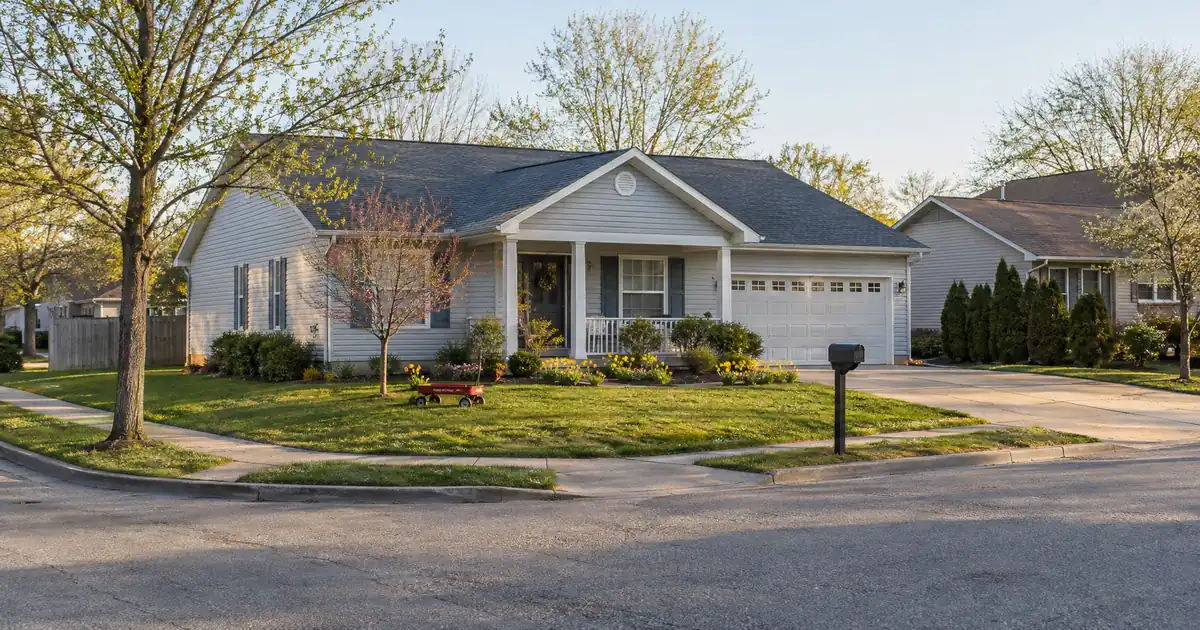
The Quick Read: Conventional cash-out refinance LTV cap rules start with one number: 80% on a one-unit home you live in. Two- to four-unit homes, second homes and investment properties sit lower. The cap covers the new loan plus any second lien that stays in place. Two age tests and a stack of documents decide whether you get to use it.
That first line is the headline. The rest of the article is the mechanics behind it, the places where the rule bends, and what a borrower needs in hand to close at the cap.
Key Takeaways
- A cash-out refinance on a one-unit principal residence tops out at 80% of the appraised value.
- A second lien or HELOC that stays open counts toward that 80%.
- Two clocks apply: the loan being paid off must be 12 months old, and one borrower must have been on title for six months. Named exceptions exist.
- The cap is a ceiling, not a promise. Credit, ratios, reserves and the appraisal all have to support the loan.
- A limited cash-out (rate-and-term) refinance on the same home can go much higher, which is why the loan type must be classified correctly.
Cash-out refinance estimate
The starting figures are an example value with a balance and a cash request in proportion. Replace them with yours.
Editable benchmark: 7.32% as of October 22, 2026 · Freddie Mac 30-year average via FRED®. A conventional market reference, not a cash-out refinance quote.
Illustrative starting assumptions: a $350,000 home value, a $193,000 current balance, the agency cap on a one-unit principal residence, a thirty-year term at the current Freddie Mac benchmark, and property taxes and insurance estimated at typical national rates. Every field is editable.
Illustrative estimate only — not a Loan Estimate, approval, quote, or commitment to lend. The rate field carries the weekly Freddie Mac thirty-year conventional benchmark, a market reference and not a cash-out refinance quote; a cash-out loan is priced by the lender at lock. The cash available is the loan the program cap allows less the balances paid off, before closing costs, which are not included. The HELOC line is the program’s combined loan-to-value ceiling applied to the same value and balance. Taxes and insurance are editable estimates. Licensed in sixteen states for consumer mortgages.
What Is a Conventional Cash-Out Refinance?
A cash-out refinance is a new first mortgage that pays off your old one and puts extra money in your hands. “Conventional” means the loan follows Fannie Mae or Freddie Mac rules rather than FHA or VA rules.
The test is simple. If the new loan pays off the existing first mortgage and returns more than a small incidental amount, it is cash-out. That label brings the lower leverage cap. Lendmire’s cash-out refinance programs are arranged through wholesale lenders, and they work inside these agency limits.
Cash-out also differs from a home equity loan or HELOC. Those sit on top of your first mortgage and leave it alone. A cash-out refinance replaces it, so your old terms go away.
How Is the Loan Underwritten, Step by Step?
Underwriting follows a fixed order. Here is how a typical file moves.
1. Classify the loan. Does it pay off the first mortgage and return real cash? If so, it is cash-out, and the 80% cap applies to a one-unit primary home.
2. Order the appraisal. The appraised value is the denominator in every LTV test. A refinance uses appraised value, not what you paid.
3. Size the loan. The maximum new loan is the appraised value times the cap. Your cash is that maximum, minus the payoff of the old first mortgage, minus any liens paid at closing, minus closing costs you roll in.
4. Check the two clocks. The file needs proof of the old loan’s age and of time on title.
5. Run credit, income and ratios. The automated system or a manual underwriter reviews the whole picture.
6. Add reserves where required. High ratios can trigger a reserve requirement.
7. Price the loan. Cash-out carries pricing adjustments that rise as leverage climbs and credit scores fall. The details come from the lender, on your Loan Estimate. Final terms depend on the lender’s guidelines, the property type, and the borrower’s complete credit picture.
Across the wholesale programs Lendmire places files with, steps three and four cause the most surprises. Borrowers expect the cap to apply to their equity. It applies to the value of the whole house.
What Does the 80% Cap Actually Measure?
The cap measures total debt against value, not equity against value. The Fannie Mae Eligibility Matrix sets a one-unit principal residence at 80% LTV/CLTV/HCLTV for cash-out and a two- to four-unit principal residence at 75%. Freddie Mac’s Guide section 4203.1 sets the same two caps for cash-out loans of all eligible amounts. Each figure is subject to lender guidelines and a complete review of property type, leverage, and credit.
Three terms show up in those tables:
- LTV is the new first mortgage divided by appraised value.
- CLTV adds any second lien, counting its drawn balance if it is a HELOC.
- HCLTV is the same idea with the full HELOC credit limit, drawn or not.
The matrix tests your credit score against the highest of the three ratios. So a HELOC you keep open can push you over the cap even when the first mortgage alone fits.
| Property and occupancy | Conventional cash-out cap |
|---|---|
| One-unit principal residence | 80% |
| Two- to four-unit principal residence | 75% |
| One-unit second home | 75% |
| Investment property | Lower than owner-occupied |
| Manufactured home, principal residence | Substantially lower; check the matrix |
Occupancy decides leverage. If you are asking about a second home or rental, the cap drops to 75% or below, and the rest of this article still applies.
A Worked Example
Say a one-unit home you live in appraises at a round value, which we will call 100%. Your first mortgage balance is 55% of that value, and you have no second lien.
- The maximum new loan is 80% of value.
- Subtract the 55% payoff. That leaves 25% of value as the most you could take before closing costs.
- Every cost you roll into the loan comes out of that 25%.
Now add a HELOC with a 10% limit that stays open. The new first mortgage plus the HELOC must fit under 80%, so the first mortgage can only reach 70%. The cash drops to 15% of value. That is why most borrowers either pay off the HELOC at closing or ask whether it counts at its limit.
Reverse the math if you need a set amount of cash. Add the cash you want, the payoff and the costs. Then divide by the cap. The answer is the appraised value you need.
When Does the Cap Not Apply? Limited Cash-Out
A rate-and-term refinance, called a limited cash-out refinance, follows a different cap. On a one-unit principal residence, Fannie Mae’s matrix lists 97% for a fixed-rate loan and 95% for an ARM. In Lendmire’s wholesale programs, the standard rate-and-term lane reaches 95%, and 97% where the existing loan is agency-owned and the first-time-buyer program allows it.
The trade is that the new loan can only pay off the existing first mortgage, closing costs and a purchase-money second lien. Cash back is incidental. Take real cash out and the loan is reclassified, and the 80% cap takes over.
| Feature | Cash-out | Limited cash-out |
|---|---|---|
| Cap, one-unit primary | 80% | 95% (97% in some cases) |
| Cash back | Allowed | Incidental only |
| Mortgage insurance | None at or below 80% | Required above 80% |
| Seasoning clocks | 12 months and 6 months | Different rules |
Mortgage insurance is worth a word. It is required above 80% LTV, so a cash-out at the 80% cap generally has none. Where it does apply, you can ask to cancel at 80% of the original value, and the servicer must end it automatically at 78%.
Is There a Way Above 80%?
Yes, in a narrow lane. One wholesale lane reaches 89.99% LTV with no mortgage insurance. It requires a 680 score, a 50% ratio, a 30-year fixed rate, a primary residence, a conforming balance and six months of its own seasoning. It is a specific program with its own terms, subject to lender guidelines and a full file review. It is not the agency standard. Texas homestead cash-outs are capped by the state constitution at the agency figure, so that lane is not written there.
Which Two Clocks Must You Clear?
Two seasoning clocks run at the same time, and borrowers mix them up. The Fannie Mae Selling Guide section B2-1.3-03 sets both.
1. The loan clock. The existing first mortgage must be at least 12 months old. It is counted from the old note date to the new note date. Freddie Mac’s Guide uses the same 12-month test.
2. The title clock. At least one borrower must have been on title for six months before the new loan is disbursed.
The 12-month test does not apply to second liens paid off in the transaction. It also does not apply when you buy out a co-owner under a legal agreement.
| Situation | How the clocks work |
|---|---|
| Recent cash purchase (delayed financing) | Exception to the six-month wait; cash-out limited and documented |
| Inherited home | Archived guidance waived the wait; confirm the current rule |
| Home awarded in a divorce | Same: archived guidance waived it; confirm the current rule |
| Paying off only a second lien | The 12-month test does not apply to it |
| Buying out a co-owner | Exempt from the 12-month test when under a legal agreement |
Delayed financing needs more care. The original purchase must have been an arm’s-length deal. The settlement statement must show no mortgage was used. Freddie Mac asks for a preliminary title report showing you as owner with no liens, a fully documented source of funds, and a new loan no higher than the original price plus closing costs.
One more point. Older guide versions required a home that had been listed for sale to be taken off the market before the loan is disbursed. Treat that as likely still in force and confirm it with your loan officer.
What Documents Does the File Need?
The cap and the clocks both have to be proven on paper. Here is what each document does.
| Document | What it proves | Who supplies it |
|---|---|---|
| Appraisal | Value (the cap’s denominator) | Lender orders it |
| Payoff statement | Balance of the loan being replaced | Current servicer |
| Mortgage statements | Existing liens and payment history | Borrower |
| Title commitment | Ownership, liens, time on title | Title company |
| Deed or vesting record | Who is on title, and since when | Borrower or title company |
| Note date of the old loan | 12-month seasoning | Borrower or credit report |
| Pay stubs, W-2s, traditional personal-income documentation | Income and ratios | Borrower |
| Bank or asset statements | Reserves and source of funds | Borrower |
| Purchase settlement statement | Delayed financing: no mortgage used | Borrower or closing agent |
Common reasons a file stalls:
- A HELOC that was left out of the first count.
- A note date that falls a few weeks short of 12 months.
- A title record that lists someone other than the borrower.
- Unsourced large deposits in the asset statements.
- A property that was recently listed for sale.
Sort the paperwork into three piles before you apply: value, seasoning and liens. Underwriters test it in that order.
What About Ratios, Reserves and Credit?
The cap is not the only gate. Wholesale conventional programs generally start at a 620 decision score. The automated finding governs most files, with a total ratio ceiling of 50%. Manually underwritten loans run to 36% or 45%, with the reserve and score factors in the Eligibility Matrix.
One rule matters here: Fannie Mae requires six months of reserves on automated files when the debt-to-income ratio is above 45%. Reserves are your own funds left after closing. They do not come from the cash-out.
Credit events carry agency waiting periods. They run four years from a chapter 7 discharge, seven from a foreclosure and four from a short sale or deed-in-lieu. Documented extenuating circumstances can shorten them.
Pricing also shifts. The agencies publish pricing adjustments for cash-out that grow with higher LTV and lower scores. Some are waived when proceeds pay off eligible student loans. The adjustments show up as costs on your Loan Estimate, not as a separate fee from the broker.
Where Else Does the General Rule Break?
Some situations change the answer even when the home looks ordinary.
- Manufactured housing. The matrix sets a separate, substantially lower cash-out cap. Check the current matrix.
- PACE loans. Older guide text says a borrower with enough equity to pay off a PACE obligation, but who chooses not to, can be ineligible for cash-out on certain transactions. Check the current Selling Guide.
- Delinquent property taxes. Financing real estate taxes more than 60 days overdue is ineligible unless there is an escrow account.
- High-balance loans. These carry their own limits in the matrix. Above the conforming limit, the jumbo lanes take over, with different leverage and credit rules.
- A low appraisal. The loan shrinks with the value. If the number lands short, the choices are a smaller cash-out, a different loan type or waiting.
- Lender overlays. The agency cap is the ceiling for agency-eligible loans. A lender can set it lower.
What Should the Borrower Weigh Before Pulling Cash Out?
The cap tells you what you can borrow. It does not tell you whether you should. The CFPB’s guide on using home equity notes that a cash-out refinance can stretch out your payoff time and raise your monthly payment, because a larger loan replaces the current one. Your interest rate and loan terms also change.
Using the cash to pay off credit cards turns unsecured debt into debt secured by your home. If payments become hard to keep up, that raises the stakes. The loan must be repaid, and the home secures it.
The choice often comes down to this:
- Keep your current first mortgage and add a HELOC or home equity loan when your existing loan terms are worth protecting.
- Refinance with cash-out when replacing the first mortgage makes sense on its own and you need a lump sum.
Tax treatment can depend on your situation; borrowers should speak with a qualified tax professional before relying on any deduction or credit.
Does Your Scenario Fit? A Quick Self-Test
Run these checks in order. Each “no” tells you what to fix.
1. Is the home your one-unit primary residence? If not, use 75% or lower. 2. Is the first mortgage at least 12 months old, note to note? 3. Has at least one borrower been on title for six months, or does an exception apply? 4. Do the new first mortgage and any remaining second lien total 80% or less of appraised value? 5. Is the total ratio within the program’s limit, with reserves if the ratio is above 45%? 6. Is your decision score at or above the program floor?
A yes to all six means the file is worth running through underwriting. It is not an approval. Every figure here is subject to lender guidelines and full file review, and nothing here is a commitment to lend.
Key Terms Defined
LTV (loan-to-value): The loan amount divided by the home’s appraised value.
CLTV (combined loan-to-value): All loans against the home, including a second lien, divided by appraised value.
HCLTV: The combined ratio counting the full credit limit of any HELOC, whether or not it is drawn.
Seasoning: The age of a loan or a title position before a new loan can use it.
Delayed financing: An exception that lets a cash buyer borrow against the home soon after purchase, with documentation limits.
Limited cash-out refinance: A refinance that pays off the old loan and costs, with only incidental cash back.
Where Does This Leave You?
Pull your payoff statement, note date and title record first, and the cap math takes minutes. If you are weighing a cash-out refinance against keeping the loan you have, Lendmire can help you compare the programs and the equity each one reaches. Lendmire is a mortgage broker arranging loans through wholesale lenders, and your Loan Estimate shows the terms for your file.
Frequently Asked Questions
Can I take out 90% of my home’s value on a conventional cash-out refinance?
Not under the agency standard. The cap on a one-unit primary residence is 80%. One wholesale lane reaches 89.99% with no mortgage insurance, but it needs a 680 score, a 50% ratio, a 30-year fixed rate and a conforming balance. It also has its own six-month seasoning rule, and it is subject to lender guidelines. It is not written in Texas.
Does my HELOC count toward the 80% limit?
Yes. The cap is tested on the highest of LTV, CLTV and HCLTV, so a second lien that stays open counts. Many borrowers pay off the HELOC at closing, which frees up room under the cap. If it stays, plan on a smaller first mortgage.
I paid cash for my home a few months ago. Can I cash out now?
Possibly, through delayed financing, which is an exception to the six-month title wait. The purchase must have been arm’s-length, and the settlement statement must show no mortgage was used. The new loan is limited by the original price plus closing costs, and the source of your funds must be documented.
Why is the cap lower for a duplex?
Two- to four-unit principal residences carry more risk to the agencies, so the cap drops from 80% to 75% at both Fannie Mae and Freddie Mac. The same 12-month and six-month seasoning rules still apply. Your appraisal needs to support the value of the whole property.
What is the difference between cash-out and rate-and-term?
Rate-and-term pays off your loan and costs with only incidental cash back, and it allows far higher leverage, up to 95% or 97% on a one-unit home. Cash-out returns real money and carries the 80% cap. Taking more than the incidental allowance reclassifies the loan.
For your own numbers, request a scenario review with Lendmire.
About Lendmire
Lendmire, NMLS# 2371349, is a mortgage brokerage with consumer lending licenses in 16 states. FHA, VA, conventional and jumbo purchase and refinance loans are arranged through wholesale lending partners, and each application is reviewed individually by the lender. Scotsman Guide named Lendmire a Top Mortgage Workplace in both 2025 and 2026.
For the program’s current guidelines, see conventional loan programs.
Get Started
Ready to find the right loan for you?
In about two minutes you can review financing options available for your home or investment property. No commitment required.
Informational only. Not a Loan Estimate, approval, or commitment to lend. Program availability and eligibility are subject to lender guidelines, credit approval, property review, and underwriting.
References
1. Fannie Mae Eligibility Matrix
2. Freddie Mac Guide Section 4203.1
3. Fannie Mae Selling Guide B2-1.3-03, Cash-Out Refinance Transactions
4. CFPB: Using Home Equity Guide
This article is part of Lendmire’s cash-out refinance program — full qualification details, guidelines, and scenarios live on the program page.
Related reading: Does Fannie Mae Seasoning Apply to a Conventional Cash-Out Refinance? · How Much a Conventional Refinance Saves a Move-Up Buyer · How to Refinance Out of PMI After Buying at the Wrong Time
Brandon Miller
Founder & CEO, Mortgage Loan Originator, Lendmire LLC
- Mortgage Loan Originator · NMLS# 1129696 · Verify on NMLS Consumer Access
- North Carolina Real Estate Broker · License# 343312 · Verify on NCREC
- North Carolina Insurance Producer · License# 19053198 · Property, Casualty, Life, Health · Verify on NAIC SBS
- Lendmire LLC · Firm NMLS# 2371349 · Verify firm licensure
Disclosures. The information presented in this article is general market commentary, not financial, legal, or tax advice. Lendmire is a mortgage brokerage (NMLS# 2371349) — not a direct lender or depository institution — and loan placement is subject to lender underwriting. Nothing in this content represents a commitment to lend. Loan terms, pricing, and program availability vary based on borrower qualifications, property characteristics, and state of subject property, and are subject to change at any time. Lendmire complies with Equal Housing Opportunity requirements. Consumer access: nmlsconsumeraccess.org.