
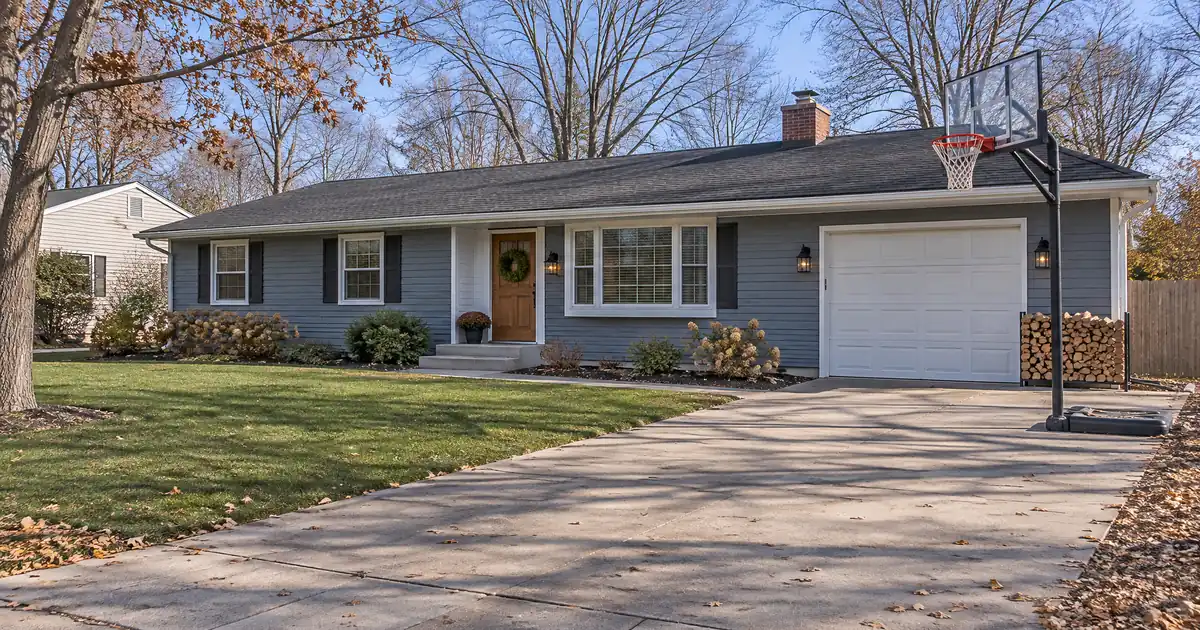
The Quick Read: A cash-out refinance fits when the house is livable, you have real equity today, and you can handle the repairs on your own schedule. A renovation loan fits when the repairs are the reason the numbers don’t work, because it sizes the loan on what the home will be worth after the work. Cash-out is simpler. A renovation loan is built for bigger, more structured projects. Subject to lender guidelines and full file review.
Which one is right comes down to three things: the condition of the house, how much equity you hold right now, and how big the project is. Most homeowners comparing these two loans are really asking one question: “Will the money show up in a form I can use?” A cash-out gives you a lump sum at closing. A renovation loan holds the repair money and releases it in stages as work gets done.
Cash-out refinance estimate
The starting figures are an example value with a balance and a cash request in proportion. Replace them with yours.
Editable benchmark: 7.18% as of November 5, 2026 · Freddie Mac 30-year average via FRED®. A conventional market reference, not a cash-out refinance quote.
Illustrative starting assumptions: a $350,000 home value, a $193,000 current balance, the agency cap on a one-unit principal residence, a thirty-year term at the current Freddie Mac benchmark, and property taxes and insurance estimated at typical national rates. Every field is editable.
Illustrative estimate only — not a Loan Estimate, approval, quote, or commitment to lend. The rate field carries the weekly Freddie Mac thirty-year conventional benchmark, a market reference and not a cash-out refinance quote; a cash-out loan is priced by the lender at lock. The cash available is the loan the program cap allows less the balances paid off, before closing costs, which are not included. The HELOC line is the program’s combined loan-to-value ceiling applied to the same value and balance. Taxes and insurance are editable estimates. Licensed in sixteen states for consumer mortgages.
Here is the honest split. Cash-out is for the homeowner who has equity and a house that is livable but dated or worn. Renovation is for the homeowner whose equity is thin today but who can see real value after the work. Both replace your current first mortgage with a new one, so both reset your loan terms.
Side-by-Side
| Factor | Conventional Cash-Out | Conventional Renovation Loan |
|---|---|---|
| Value used to size the loan | Current value | After-completion value |
| How funds arrive | One lump sum at closing | Held in an account, paid in draws |
| Leverage on a one-unit primary residence | Up to 80% LTV | Set by program rules and the after-completion value |
| Credit floor (wholesale) | 620 decision score | Often the same or higher, per lender |
| Mortgage insurance | Above 80% LTV, with one wholesale no-MI exception | Above 80% LTV |
| Occupancy | Primary, second home or investment; occupancy sets leverage | Varies by program |
| Contractor involvement | None required | Licensed contractor, plans and specs |
| Documentation | Standard income, asset and credit file | Standard file plus bids, plans and a budget |
| Repair oversight | None. The cash is yours. | Inspections and a final check |
Two notes on that table. The leverage figures for cash-out come straight from the programs we place files with: 80% on a one-unit primary residence, and 75% on two- to four-unit properties, second homes and investment property. Renovation leverage depends on the specific program and the appraiser’s after-completion value, so confirm it on your own file.
How Value Decides Everything
Cash-out measures your home as it stands. The appraiser values the house in its current state, and the loan is capped at a percentage of that figure. If the house has defects, the appraisal reflects them. Your borrowing power shrinks right when you need it most.
A renovation loan flips the question. Fannie Mae’s HomeStyle program is built around an appraisal that estimates the home’s value “as completed.” That means the loan can be sized on the finished house, not the one with the dated kitchen and the bad roof.
That structural difference is the whole story. If your equity is strong, it barely matters. If your equity is thin, it decides everything.
Does Condition Block a Conventional Loan?
Not usually. Fannie Mae’s property condition ratings run from C1 to C6, and only C6 is a hard stop. C6 means one or more deficiencies that affect safety, soundness or structural integrity. Homes rated C1 through C5 can be financed as they are. When repairs are needed, the appraisal can be made “subject to” those repairs or to an inspection by a qualified professional.
Freddie Mac handles this a little differently, so check program rules on your specific file rather than assuming the two agencies match.
Here is where the two loans diverge on a damaged house:
- Cosmetic or moderate wear: a cash-out can work, because the appraiser accepts the condition and the loan sizes on today’s value.
- Defects that affect safety or structure: a cash-out may stall until repairs are done. A renovation loan is designed for this, because the repairs become part of the financing plan.
- Repairs the lender requires versus upgrades you want: required repairs push you toward a renovation loan. Optional upgrades after closing fit cash-out.
That last distinction is the cleanest decision rule here. Ask whether the loan needs the repairs to happen. If yes, build them into the financing.
When Conventional Cash-Out Is the Better Fit
Cash-out wins when simplicity and flexibility matter more than sizing on future value. It tends to be the right call in these situations:
- You have comfortable equity today. With room under the 80% leverage cap on a primary residence, you can take the cash without needing the after-repair value to help.
- The house is livable and clearly eligible as-is. Nothing about its condition threatens the appraisal.
- The project is flexible. You may do it in phases, pay contractors on your own terms, or reorder the work as you learn what the house needs.
- You want fewer moving parts. There is no contractor approval, no draw schedule, no completion inspection.
- You may use the cash for more than repairs. Nothing in a cash-out ties the money to the work, and nobody monitors it.
Seasoning matters too. The first mortgage being paid off must be at least 12 months old, measured note date to note date, per Fannie Mae’s announcement on cash-out seasoning. The borrower also needs to have been on title for six months, with exceptions for delayed financing, inheritance and legal awards. Across the wholesale programs we place files with, one lane reaches 89.99% LTV with no mortgage insurance at a 680 score and a 50% ratio on a thirty-year fixed primary residence with a conforming balance, and it carries its own six months of seasoning requirement. That lane is the one exception to the rule that mortgage insurance is required above 80% LTV.
Texas is the place where that lane is not written. A cash-out on a homestead there, a Section 50(a)(6) loan, is capped at 80% of the home’s value by the state constitution.
The tradeoff is real, though. Cash-out gives you no discipline. A lump sum with no oversight can disappear into things other than the roof. And a cash-out raises your loan balance by the cash taken, resetting your loan, whether or not the repairs finish on budget. For a plain look at the other side of this decision, Lendmire’s piece Cash-Out Refinance vs. Personal Loan for a Homeowner Needing Repairs covers where an unsecured loan enters the picture.
If you want to see how Lendmire frames these loans, its cash-out refinance programs page lays out the structure and the equity each one reaches.
When a Renovation Loan Is the Better Fit
A renovation loan wins when the repairs are large, required, or the thing that makes the equity math work. It tends to be the right call here:
- Equity is thin today but the finished home will be worth much more. The after-completion value is what the lender uses.
- The repairs are required, not optional. If the property won’t pass a condition review without them, the financing should include them.
- The project is big enough to need a plan. Plans, a licensed contractor and a budget make the work real.
- You want built-in discipline. The money is held and released in draws, so it goes to the work.
- You can’t live in the house during construction. Under Fannie Mae’s program, the loan can include up to six months of mortgage payments if a principal residence can’t be lived in during the work.
The process has more steps. A lender must confirm your contractor is financially able to finish the job. Plans must come from a registered, licensed or certified general contractor, renovation consultant or architect. The funds sit in a custodial account. The lender inspects the work, collects lien waivers where required, pays by two-party check or direct funding, and orders a final appraisal inspection at the end.
There are time limits. Fannie Mae’s HomeStyle renovation must be completed within a set period after closing, and Fannie Mae has sole discretion over the remedy if the work runs past that. Freddie Mac’s CHOICERenovation also sets a completion window, per its fact sheet. That fact sheet lists eligible mortgages as purchase and no-cash-out refinance only, so it is not a way to take cash out, and it requires mortgage insurance above 80% LTV. Timing and terms vary by file and lender, since guidelines, property type, leverage and credit profile all apply.
Two cautions. First, not every lender offers these programs. Delivering a loan before the work is finished takes special lender approval and carries recourse, as Fannie Mae’s Selling Guide explains. Second, if the scope of work changes enough to push the loan past eligibility, the lender may be forced to repurchase it. That is why lenders watch change orders closely.
One House, Two Loans
Take a house with a failing roof and an outdated kitchen. Run it through each loan in words, not dollars.
Path one, cash-out. The appraiser values the house with the roof in its current state. Your borrowing power is a percentage of that lower number. If equity is strong, you walk away with a lump sum and fix the roof yourself. If equity is thin, the lump sum may not cover the work.
Path two, renovation. You collect a contractor’s bid and plans. The appraiser estimates the as-completed value. The loan is sized on that number. At closing the repair money goes into a held account. The contractor works, the lender inspects, and draws are released. A final inspection closes it out.
Same house. In path one, the repairs happen after you have the cash. In path two, they happen as a condition of getting it. That is the difference you are actually choosing between.
Which One If…
- If your equity is strong and the house is livable: cash-out.
- If equity is thin and repairs are large: renovation.
- If the condition could trip a C6 finding: renovation, or fix the issue before applying.
- If you want to do work in phases: cash-out.
- If you want a lender to check that the money gets used on the house: renovation.
- If your current loan is under 12 months old: a cash-out may not be open to you.
Common Mistakes
- Assuming cash-out borrows against the finished house. It does not. It uses today’s value.
- Assuming a damaged house can’t get a conventional loan. Only the most severe condition rating is a hard stop.
- Treating a limited cash-out as the same as cash-out. A limited cash-out refinance, also called a rate-and-term refinance, allows only incidental cash back. Fannie Mae’s limit is the lesser of 2% of the new loan amount or $2,000, and Freddie Mac’s is the greater of 1% of the new loan amount or $2,000. A larger payout is a full cash-out with different leverage.
- Picking a contractor before checking program rules. A renovation loan needs a contractor the lender will accept.
- Using cash-out to pay down unsecured debt without thinking it through. The Federal Reserve’s consumer guide on refinancing notes that many advisers caution against it, since you trade unsecured debt for debt secured by your home.
Key Terms Defined
Cash-out refinance: a new first mortgage that pays off your old one and gives you the difference in cash.
Renovation loan: a mortgage that includes repair money, sized on the home’s after-completion value and paid out in draws.
As-completed value: the appraiser’s estimate of what the home will be worth once the planned work is finished.
LTV (loan-to-value): the loan amount as a percentage of the home’s value.
Draw: a staged release of repair funds after the lender inspects completed work.
Property condition rating: the C1 to C6 scale an appraiser uses; C6 signals safety, soundness or structural problems.
Alternatives Worth a Look
A cash-out replaces your original mortgage. A home equity loan or HELOC leaves your first mortgage in place and adds a second lien, as the CFPB’s Office of Research describes. A personal loan is unsecured.
Frequently Asked Questions
Can I use conventional cash-out money to fix a house?
Yes. Nothing in a cash-out limits how you spend the money, and nobody monitors it after closing. The catch is sizing. The loan is based on the home’s current value, so a house needing major work may not support enough cash.
Will a conventional lender refuse a house that needs repairs?
Usually not. Fannie Mae allows homes rated C1 through C5 as-is, and only C6, which signals safety, soundness or structural deficiencies, is ineligible until repaired. Freddie Mac’s rules differ, so check program rules on your file.
Do I get the renovation money up front?
No. Renovation funds are held in a custodial account and released in draws after inspections. This protects the lender and keeps the money tied to the work.
Can I do the repairs myself?
Fannie Mae’s HomeStyle program includes a do-it-yourself option, but the details vary by lender and file. Ask what documentation and limits apply before assuming it fits your project.
How long does the first mortgage have to be in place?
For a cash-out, the mortgage being paid off must be at least 12 months old, measured note date to note date. A borrower also needs six months on title, with exceptions for delayed financing, inheritance and legal awards.
The Verdict
Neither loan is better. They solve different problems. Cash-out is the cleaner tool when equity is strong and the repairs are manageable. A renovation loan is the stronger tool when the repairs are the reason the equity math fails, or when you want the money tied to the work.
If you are weighing a cash-out refinance against keeping the loan you have, Lendmire can help you compare the programs and the equity each one reaches.
For your own numbers, request a scenario review with Lendmire.
About Lendmire
Lendmire (NMLS# 2371349) is a mortgage brokerage serving homeowners and home buyers in 16 states. FHA, VA, conventional and jumbo purchase and refinance loans are arranged through wholesale lending channels; Lendmire brokers the financing and the lender underwrites each application. Scotsman Guide named Lendmire a Top Mortgage Workplace in both 2025 and 2026.
For current guidelines, see conventional loan programs.
Get Started
Ready to find the right loan for you?
See your offer in seconds. No credit pull, no obligation.
Informational only. Not a Loan Estimate, approval, or commitment to lend. Program availability and eligibility are subject to lender guidelines, credit approval, property review, and underwriting.
References
1. Fannie Mae Selling Guide B5-3.2-01, HomeStyle Renovation Mortgages
2. Fannie Mae SEL-2023-01 announcement
3. Freddie Mac CHOICERenovation fact sheet
4. Federal Reserve Board, A Consumer’s Guide to Mortgage Refinancings
5. CFPB Office of Research blog on cash-out refinances
This article is part of Lendmire’s cash-out refinance program — full qualification details, guidelines, and scenarios live on the program page.
Related reading: How a Conventional Cash-Out Refinance Resets Your Loan Term · Cash-Out Refinance vs Home Equity Loan With a 12-Month Conventional Seasoning Requirement · How Seasoning Works on a Conventional Cash-Out Refinance
Brandon Miller
Founder & CEO, Mortgage Loan Originator, Lendmire LLC
- Mortgage Loan Originator · NMLS# 1129696 · Verify on NMLS Consumer Access
- North Carolina Real Estate Broker · License# 343312 · Verify on NCREC
- North Carolina Insurance Producer · License# 19053198 · Property, Casualty, Life, Health · Verify on NAIC SBS
- Lendmire LLC · Firm NMLS# 2371349 · Verify firm licensure
Important disclosures. Lendmire (NMLS# 2371349) is a licensed mortgage brokerage. Lendmire is not a direct lender, depository institution, or financial advisor. All loan inquiries are subject to lender underwriting; this article does not constitute a commitment to lend. Rates, terms, and program guidelines are subject to change without notice and vary by borrower profile, property type, and state. Information in this article is general in nature and is not financial, legal, or tax advice. Equal Housing Opportunity. NMLS Consumer Access: nmlsconsumeraccess.org.