
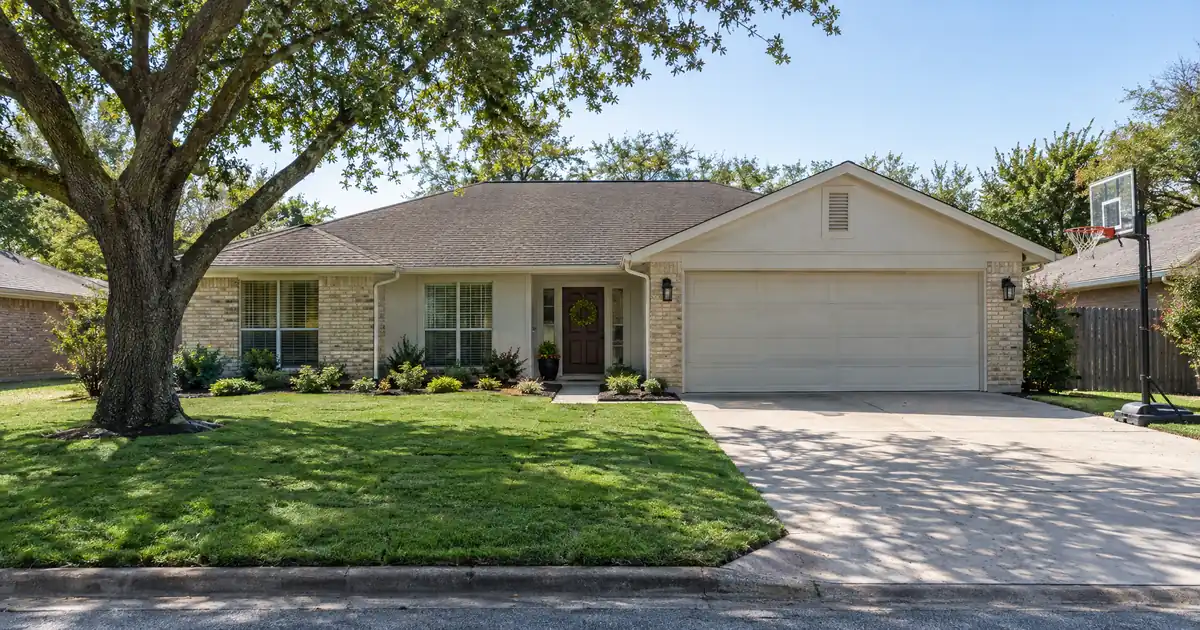
The Quick Read: On a Texas primary residence, the real comparison is not FHA against conventional. A cash-out loan on a Texas homestead is a special kind of loan with its own state rules, and the FHA version is generally not offered there. Conventional is the path most Texas homeowners can actually use. FHA still matters in other states, and for Texans who want to keep an existing FHA loan.
The Honest Answer First
If you want cash out of the home you live in, in Texas, conventional is usually the only real option. FHA cash-out exists as a federal program. It reaches 80% of the home’s value, and it costs an upfront premium plus an annual premium. But on a Texas homestead, FHA cash-out is generally not offered.
So who is each option for? FHA cash-out suits a homeowner outside Texas who has an FHA loan, a lower credit score, and at least 20% equity. Conventional suits a Texas homeowner with solid equity who can leave a fifth of the home’s value untouched. If you’re a Texan with an FHA loan today, the comparison may be “cash-out versus keeping what you have.”
Key points:
- Texas cash-out on a primary home carries state rules that FHA doesn’t fit into.
- Both FHA and conventional cap cash-out at 80% of the home’s value, so you keep 20% equity.
- FHA charges mortgage insurance on cash-out. Conventional at 80% typically doesn’t.
- FHA’s strength is flexibility on credit. That strength doesn’t help where the product isn’t offered.
Side-by-Side
This table compares the two on the points that decide fit. Figures reflect the programs I place and agency guidelines, and everything is subject to lender guidelines and full file review.
| Factor | FHA Cash-Out | Conventional Cash-Out |
|---|---|---|
| Maximum leverage | 80% of value | 80% on a primary home |
| Credit floor | 580 decision score on my programs | Set by lender and program |
| Mortgage insurance | Upfront 1.75% plus annual premium | Typically none at 80% |
| Occupancy | Owner-occupied primary home only | Primary home (other uses differ) |
| Ownership history | Owned and lived in for 12 months | Varies; some exceptions apply |
| Documentation | Full file; ratios 31/43 up to 40/50 | Full income and asset review |
| Texas homestead | Generally not offered | Available as a Texas equity loan |
Two cells deserve a note. The 40/50 ratio on the FHA side is the top end, reached only with documented compensating factors. The base pair is 31/43. On the conventional side, the lender and the automated findings drive the ratios, so I won’t quote one.
What Makes a Texas Homestead Different
Cash back from your primary home in Texas isn’t treated like cash-out in most other states. It falls under a section of the Texas Constitution that governs home equity loans. The Texas Attorney General has described a “Texas Cash Out” loan as exactly that kind of loan.
Why should you care? These rules shape the cost and the process. Lenders working in Texas commonly describe the following features:
- A cap on how much the home can be borrowed against.
- A limit on lender fees.
- A required notice and waiting period before closing.
- Closing at a lender, attorney or title company office.
- One of these loans secured by the home at a time.
- Protections for you, such as no personal liability beyond the home.
I’m describing these in plain terms and not quoting exact statutory wording. Have a Texas-licensed attorney or title company confirm the details for your own file.
Another point catches people. A refinance that pays off a Texas equity loan can stay under the same rules. There is a path out, but it has conditions, including that a year has passed and no extra cash is taken. If you already have a Texas equity loan, ask early how a new loan would be classified.
How Much Each One Costs
The title asks “how much,” so let me answer in mechanics, not dollar figures. I don’t quote prices or payments here, and your Loan Estimate is where actual costs appear.
FHA cash-out cost structure. FHA charges an upfront mortgage insurance premium of 1.75% of the base loan amount. Most borrowers finance it into the balance, which makes the loan a little larger. Then there’s an annual premium, which runs between 0.15% and 0.75% of the balance depending on term, loan amount and LTV. On a thirty-year loan above 90% LTV, that annual premium lasts the whole term. At or below 90%, it ends after eleven years. A cash-out loan at 80% sits below that line, so the shorter schedule is the relevant one. FHA mortgage insurance doesn’t go away because you built equity. It follows the schedule.
Conventional cash-out cost structure. At 80% leverage, conventional loans typically don’t carry private mortgage insurance. That’s the biggest structural cost difference. Conventional still has lender charges, third-party charges like the appraisal and title work, and pricing adjustments that can vary with credit tier. On a Texas homestead, the lender fee cap applies to the loan whatever its type. Not every cost sits inside that cap, so ask which costs fall inside it and which sit outside.
The cost that doesn’t show up as a premium. A larger loan means a larger payment and, often, a longer payoff. The CFPB explains that a cash-out refinance replaces your current mortgage with a bigger one, so the payment may rise and new loan terms replace the old ones. That’s true for both programs. It’s also the cost people forget when they compare only premiums.
On a Texas homestead there’s one more cost, and it isn’t money. The notice and waiting period mean a cash-out loan moves at a measured pace compared with cash-out in other states. Plan around it, particularly if you have a deadline for the funds.
When FHA Is the Better Fit
FHA cash-out earns its place when flexibility matters more than cost. It’s built for borrowers who might struggle with the stricter side of conventional, and it works where the program is offered.
You live outside Texas. In states without Texas’ homestead rules, FHA cash-out is an ordinary product. It reaches 80% of the home’s value, down from the old 85% that some older pages still show. HUD’s Handbook 4000.1 update confirms the 80% limit on cash-out refinances.
Your credit is on the lower side. The wholesale programs I place FHA loans with start at a 580 decision score. HUD’s own rules go lower, but the network doesn’t reach below 580. Conventional lenders often want a stronger profile, and they price the loan in steps as credit moves.
Your debt-to-income is stretched. FHA’s base ratios are 31/43, but documented compensating factors can reach 40/50 at the top tier. The automated finding governs most files. Conventional can be tighter, though it depends on the lender and the file.
You’ve owned and lived in the home for at least 12 months. That’s the FHA cash-out seasoning rule: owned and occupied for 12 months before the case number is assigned. Inheritance is a recognized exception if the home was never treated as an investment.
If you want the program details, the FHA cash-out refinance program page lays out how Lendmire arranges these loans through wholesale lenders.
Here’s the catch. None of that helps a Texas homeowner if the product isn’t available on the homestead. A Texan already holding an FHA loan can look at the FHA Streamline. It refinances an existing FHA loan with no appraisal and a limited credit review, and the premium continues. But it is a rate-and-term path, not a way to take cash out.
When Conventional Is the Better Fit
Conventional is the better fit when you have the equity, the credit and the patience for a structured process. On a Texas homestead, it’s also the only one of the two you can usually get.
You live in Texas and want cash from your primary home. This is the clearest case. Conventional guidelines have a lane written for it. Fannie Mae‘s eligibility matrix shows the same 80% ceiling for a one-unit primary-residence cash-out. Each figure is subject to lender guidelines and a complete review of property type, leverage, and credit.
You can leave 20% equity in the home. At that leverage, conventional typically carries no mortgage insurance. Over many years, that can matter more than a lower credit tier would.
Your credit and income are solid. Conventional pricing tends to reward strong credit. If your score sits well above the floor, you’re more likely to avoid pricing adjustments.
You’re not tied to FHA’s rules. Conventional doesn’t require that your current loan be FHA, and it doesn’t require FHA’s premium schedule.
The tradeoffs are real. You need real equity. The Texas process includes notice, a waiting period and a fee cap. You can’t have more than one equity loan secured by the home at a time. If a prior equity loan is in the picture, the new loan may stay under the same rules. And think hard about what the cash is for. The CFPB’s report on cash-out refinance borrowers found that paying off other debts is the most common reason people take cash out. Credit-card debt moved into a loan secured by your home becomes debt your home secures, so missed payments carry higher stakes.
Key Terms Defined
Homestead: the home you live in as your primary residence, which Texas law protects from forced sale except for certain listed debts.
Cash-out refinance: a new, larger mortgage that pays off your old one and gives you the difference in cash.
LTV (loan-to-value): the loan balance as a percentage of the home’s appraised value.
Mortgage insurance premium: a charge that protects the lender, paid up front, monthly, or both, depending on the program.
Texas equity loan: a loan that takes cash from a Texas homestead and follows the state’s home equity rules.
Seasoning: the time you must own, or have occupied, the home before a loan is allowed.
Which Borrower Fits Where
A few quick pictures. They’re modeled, not real files.
A Texas homeowner has an FHA loan today and wants cash for a renovation. FHA cash-out isn’t the usual route here. The options are a conventional Texas equity loan, if the equity and credit are there, or keeping the FHA loan and funding the project another way.
A homeowner in another state has a lower credit score, a decent amount of equity, and a home they’ve lived in for over a year. FHA cash-out is a serious candidate, at up to 80% of value.
A Texas homeowner with strong credit and a large equity cushion wants cash for a major expense. Conventional is the natural fit, and the main question is what happens to the monthly payment.
A Texan with a prior equity loan wants to refinance. The new loan may remain under the same rules. Ask how it will be classified before you start.
A Practitioner’s Note
On files like these, the surprise is rarely the premium. It’s classification. Borrowers assume that a refinance with cash back works the same everywhere. In Texas, how the loan is classified decides what’s allowed, what it costs and how long it takes. The strongest files start with a conversation about what you want the money for and whether a smaller cash amount, or a different tool, does the job.
The Balanced Verdict
FHA cash-out and conventional cash-out aren’t equal rivals on a Texas homestead. Conventional is available, and FHA generally isn’t. Outside Texas, the choice is genuinely two-sided. FHA gives you flexibility on credit and ratios, but it adds mortgage insurance. Conventional costs less in insurance at 80% leverage but asks for stronger credit.
Neither is better in the abstract. The question is whether you can use the product at all, then whether you’re paying for flexibility you need. Tax treatment can depend on your situation; borrowers should speak with a qualified tax professional before relying on any deduction or credit.
If you are weighing a cash-out refinance against keeping the loan you have, Lendmire can help you compare the programs and the equity each one reaches.
Frequently Asked Questions
Can I get an FHA cash-out refinance on my Texas primary home?
Generally not. The wholesale programs I place FHA loans with typically don’t offer it on a Texas homestead. Ask a lender about your specific file.
How much equity do I have to keep with either loan?
About 20%. Both FHA cash-out and conventional cash-out reach 80% of the home’s value on a primary residence. Whatever the balance, the new loan can’t go above that.
Does conventional cash-out have mortgage insurance?
At 80% leverage, typically not. FHA charges an upfront premium of 1.75% and an annual premium. The annual premium runs between 0.15% and 0.75% of the balance, depending on term, amount and LTV.
I already have an FHA loan in Texas. What are my options?
The FHA Streamline refinances an existing FHA loan without an appraisal, but it doesn’t give you cash. For cash, a conventional Texas equity loan is the usual alternative, if your equity and credit fit.
Does a Texas cash-out loan close the same way as one in another state?
No. Texas adds a notice period, a waiting period before closing, and a requirement to close at a lender, attorney or title company office. Expect a more structured process than in most states.
For your own numbers, request a scenario review with Lendmire.
About Lendmire
As a mortgage broker (NMLS# 2371349), Lendmire helps homeowners and home buyers in 16 states with FHA, VA, conventional and jumbo purchase and refinance loans arranged through wholesale lenders. Lendmire is never the lender; program terms are set by the lender and the agency guidelines. Scotsman Guide named Lendmire a Top Mortgage Workplace in both 2025 and 2026.
Get Started
Ready to find the right loan for you?
In about 30 seconds you can review financing options available for your home or investment property. No commitment required.
Informational only. Not a Loan Estimate, approval, or commitment to lend. Program availability and eligibility are subject to lender guidelines, credit approval, property review, and underwriting.
References
1. Texas Attorney General Opinion KP-0183
2. CFPB guide to using home equity
3. HUD Handbook 4000.1 Update transmittal
4. Fannie Mae
5. CFPB newsroom: cash-out borrowers
This article is part of Lendmire’s FHA Loan series — every loan program’s qualification details, guidelines, and scenarios live on the loan options page.
Related reading: How to Buy Out a Spouse With FHA Cash-Out on a Texas Homestead · FHA Cash-Out vs Conventional Cash-Out on a Paid-Off Home · VA Cash-Out vs FHA Cash-Out When Your Texas Home Is a Homestead
Brandon Miller
Founder & CEO, Mortgage Loan Originator, Lendmire LLC
- Mortgage Loan Originator · NMLS# 1129696 · Verify on NMLS Consumer Access
- North Carolina Real Estate Broker · License# 343312 · Verify on NCREC
- North Carolina Insurance Producer · License# 19053198 · Property, Casualty, Life, Health · Verify on NAIC SBS
- Lendmire LLC · Firm NMLS# 2371349 · Verify firm licensure
Disclosures. The information presented in this article is general market commentary, not financial, legal, or tax advice. Lendmire is a mortgage brokerage (NMLS# 2371349) — not a direct lender or depository institution — and loan placement is subject to lender underwriting. Nothing in this content represents a commitment to lend. Loan terms, pricing, and program availability vary based on borrower qualifications, property characteristics, and state of subject property, and are subject to change at any time. Lendmire complies with Equal Housing Opportunity requirements. Consumer access: nmlsconsumeraccess.org.