
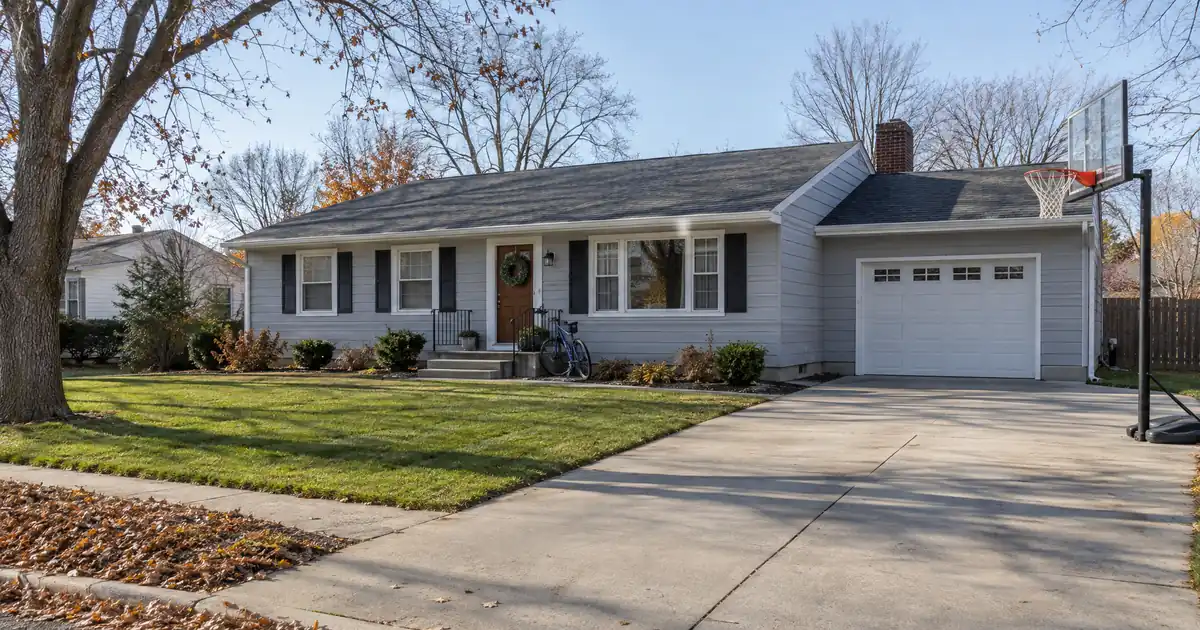
The Quick Read: Yes. A home owned free and clear can carry a new conventional first mortgage, and Fannie Mae treats it as a cash-out refinance. A borrower generally needs to have been on title for six months. A recent cash buyer can skip that wait through the delayed financing exception, though the loan amount is then capped. Everything here is subject to lender guidelines and full file review, and none of it is a commitment to lend.
Why Is It Called a “Refinance” When There’s No Mortgage?
The word sounds wrong, but the rule is clear. Fannie Mae’s Selling Guide says a cash-out refinance can pay off existing mortgages, or it can be a new mortgage on a property with no lien against it. The second path is your case: you own the home free and clear when the loan is made.
Cash-out refinance estimate
The starting figures are an example value with a balance and a cash request in proportion. Replace them with yours.
Editable benchmark: 7.32% as of October 22, 2026 · Freddie Mac 30-year average via FRED®. A conventional market reference, not a cash-out refinance quote.
Illustrative starting assumptions: a $350,000 home value, a $193,000 current balance, the agency cap on a one-unit principal residence, a thirty-year term at the current Freddie Mac benchmark, and property taxes and insurance estimated at typical national rates. Every field is editable.
Illustrative estimate only — not a Loan Estimate, approval, quote, or commitment to lend. The rate field carries the weekly Freddie Mac thirty-year conventional benchmark, a market reference and not a cash-out refinance quote; a cash-out loan is priced by the lender at lock. The cash available is the loan the program cap allows less the balances paid off, before closing costs, which are not included. The HELOC line is the program’s combined loan-to-value ceiling applied to the same value and balance. Taxes and insurance are editable estimates. Licensed in sixteen states for consumer mortgages.
Because no mortgage is being paid off, every dollar beyond closing costs is cash to you. So the loan is classed as cash-out. It makes no difference whether you take a small draw or the maximum. Pricing and leverage limits for cash-out apply to the whole loan.
Freddie Mac handles it the same way. Its Seller/Servicer Guide section 4301.5 has a dedicated subsection for cash-out loans on properties owned free and clear.
Across the wholesale programs Lendmire places files with, this is a routine file type. Many homeowners are surprised to learn it exists. Details of the broader cash-out refinance programs are on the hub page.
What Leverage Applies to an All-Cash Home?
On a one-unit principal residence, conventional cash-out tops out at 80% of the appraised value. Two- to four-unit principal residences, second homes and investment property sit at 75%. Those are the figures across the programs Lendmire works with, subject to lender guidelines.
Fannie Mae publishes its caps by occupancy and unit count in its Eligibility Matrix. Check the live matrix, because it changes.
Here’s the practical reading. With no existing loan, the cap is the main limit on how much cash you can pull. The appraisal sets the value, and the percentage sets the ceiling. You also keep real equity in the home. That’s the point of the cap.
One wholesale lane reaches 89.99% LTV with no mortgage insurance. It needs a 680 score, a 50% ratio, a thirty-year fixed rate, a primary residence and a conforming balance. It carries its own six months of seasoning. Not every file fits it, and it isn’t written in Texas. Leverage, reserves, and pricing vary by lender and program; the final terms follow the full file review.
How Long Do You Have to Own the Home First?
You generally need six months on title. Fannie Mae’s guide requires at least one borrower to have been on the deed for six months before the new loan disburses. Freddie Mac has the same six-month rule.
The 12-month rule applies when an existing first mortgage is being paid off. That loan must be at least 12 months old, counted note date to note date. A truly free-and-clear home has no such loan. Nothing to season.
Three situations skip the six-month wait:
- Delayed financing: you bought with cash recently.
- Inheritance: you received the home through an estate.
- Legal award: a court gave you the property, as in a divorce.
Fannie Mae’s Selling Guide sets the terms for these exceptions, and the details can change, so check the current Guide language before you plan around one.
The Delayed Financing Exception: Cash Buyers, Read This
Delayed financing lets a recent cash buyer take cash out before the six months pass. It waives only the title-seasoning wait. It does not make the loan cheaper or easier. It is still cash-out, with cash-out leverage limits and pricing.
The conditions, from Fannie Mae’s guide text:
- The purchase was arm’s length, meaning two unrelated parties dealing at market terms.
- A settlement statement shows no mortgage financing was used.
- You bought as a person, an eligible revocable trust, an eligible land trust, or an LLC or partnership you wholly own.
- The title shows the home is free of liens, and the new loan is a first mortgage.
Here is the catch most people miss. The new loan can be no more than your documented investment in the purchase, plus financed closing costs, prepaid items and points. It does not reach the full appraised value. So a home that appreciated, or one you renovated after buying, doesn’t raise that cap. Think of it as getting your purchase money back, not tapping new equity.
If you funded the purchase with an unsecured loan or a HELOC on another property, expect the proceeds to be directed toward paying that debt. Gift money can also complicate things, since lenders look hard at where the purchase funds came from. Because guidelines vary by lender and program, ask your loan officer to confirm how your specific funding sources would be treated.
Wait, Use the Exception, or Stay Free and Clear?
This is a real decision, and it’s a trade-off, not a trick. Here’s how the options compare.
| Option | What it gets you | What to weigh |
|---|---|---|
| Wait six months | Access to the cash-out LTV cap on appraised value | Your cash stays tied up meanwhile |
| Delayed financing | Cash back sooner, up to your purchase basis | Loan capped at documented investment plus costs |
| Stay free and clear | No payment, no lien | Equity stays locked up |
Waiting often wins when the home has gained value, because the cap then rests on the appraisal. Delayed financing fits a buyer who needs liquidity back now, perhaps for a second purchase or to rebuild reserves.
Staying unencumbered is a legitimate choice too. As the CFPB’s guide to using home equity points out, lenders typically expect you to keep at least 10% to 20% of the home’s value as equity, and a cash-out loan is real debt secured by your house. An all-cash owner has no mortgage payment today. A cash-out loan creates one. (That is a sizable lifestyle change, not a footnote.)
What Does the Lender Look At?
Expect the usual conventional review, with a few cash-out specifics.
- Credit: the wholesale conventional programs start at a 620 decision score. Many files with higher scores get better terms.
- Ratios: the automated finding governs most files, with a total ratio ceiling of 50%. Manually underwritten loans use 36% or 45%, depending on reserves and score factors.
- Reserves: on a Desktop Underwriter file, Fannie Mae requires six months of reserves if the debt-to-income ratio exceeds 45%.
- Occupancy: for a Freddie Mac primary-residence cash-out, all borrowers must occupy the home. A co-borrower who lives elsewhere doesn’t work.
- Listing status: a home listed for sale generally has to come off the market. Confirm the current wording with your lender.
- Mortgage insurance: at 80% LTV or below on a cash-out, it generally doesn’t apply. It is required above 80% LTV on programs that allow that leverage.
Past credit events have waiting periods set by the agencies: four years from a chapter 7 discharge, seven from a foreclosure, and four from a short sale or deed-in-lieu. Documented extenuating circumstances can shorten them.
What Documents Should You Gather?
Cash buyers get asked for different paperwork than typical borrowers. A good starter list:
- The deed showing when you took title.
- Proof the home has no liens, usually from the title search.
- The settlement statement from a recent purchase, which confirms no financing was used.
- Bank statements that source the purchase funds, if that purchase was recent.
- Standard income, asset and ID items for the loan itself.
Lenders vary on exact lists, so ask early. Missing purchase records are a common snag on delayed financing files.
What Can Go Wrong?
A few failure points show up repeatedly.
The purchase wasn’t truly all cash. A hard-money or bridge loan used to buy leaves a lien. That isn’t a free-and-clear purchase, and the delayed financing exception generally won’t fit.
The seller was a relative or associate. Arm’s-length is a requirement. A family sale can fail it.
You expected value-based cash. Under delayed financing, the cap rests on your investment, not the appraisal. Plan for that before you count on a number.
Property type surprises. Manufactured homes, for example, follow separate eligibility rules. If that’s your property, ask your loan officer to confirm eligibility first.
State rules. Some states layer their own limits on cash-out loans against a homestead. Texas does, and the wholesale lane mentioned above isn’t written there. Ask about your state before you commit.
Underestimating the cost. The CFPB notes that a cash-out refinance often brings closing costs, and its housing guide for older Americans warns the payment may rise and the payoff may stretch out because a larger loan replaces the old one. Taking equity out also means you own less of your home. Depending on the terms, a cash-out refinance may cost more or less than a HELOC, so compare both.
Key Terms Defined
Cash-out refinance: a new first mortgage that puts cash in your hands beyond paying off an old loan and costs.
Free and clear: you own the property with no mortgage or other lien against it.
Seasoning: the waiting period a lender requires, here based on how long you’ve been on title.
Note date: the date on the signed loan note, used to count how old a mortgage is.
Arm’s length: a sale between unrelated parties acting in their own interest.
Delayed financing: the exception that lets a recent cash buyer refinance before six months of ownership.
Loan-to-value (LTV): the loan amount divided by the home’s appraised value, shown as a percentage.
Frequently Asked Questions
Can I take just a small amount of cash out and avoid the cash-out label?
No. With no existing mortgage to pay off, any new first mortgage is classed as cash-out, however small the draw. Cash-out leverage limits and pricing apply to the whole loan.
I inherited the house. Do I have to wait six months?
Usually not. Inheritance has been an exception to the title-seasoning wait, as has a property legally awarded to you in a divorce. Because Fannie Mae’s Guide wording can change, your loan officer should confirm the current requirement against your documents.
Does delayed financing let me borrow against the home’s current value?
No. The new loan is capped at your documented investment in the purchase plus financed closing costs, prepaid items and points. Improvements you made after buying don’t raise that cap.
Can I use this on a second home?
Yes, in general, but leverage is lower than on a primary residence. Second homes sit at 75% on a conventional cash-out, subject to lender guidelines. Occupancy decides the cap.
Is a cash-out loan my only way to tap equity?
No. A HELOC or second mortgage are alternatives, and depending on the terms either could cost more or less than a cash-out refinance. The right fit depends on how much you need, how long you’ll carry it, and whether you want one payment or two.
Next Step
If you are weighing a cash-out refinance against keeping the home debt-free, Lendmire can help you compare the programs and the equity each one reaches. For anyone planning the timing, Lendmire’s piece How Long Is the Seasoning Period for a Fannie Mae Cash-Out Refinance? covers the clock in more detail.
For your own numbers, request a scenario review with Lendmire.
About Lendmire
As a mortgage broker (NMLS# 2371349), Lendmire helps homeowners and home buyers in 16 states with FHA, VA, conventional and jumbo purchase and refinance loans arranged through wholesale lenders. Lendmire is never the lender; program terms are set by the lender and the agency guidelines. Scotsman Guide named Lendmire a Top Mortgage Workplace in both 2025 and 2026.
For the program’s current guidelines, see conventional loan programs.
Get Started
Ready to find the right loan for you?
In about two minutes you can review financing options available for your home or investment property. No commitment required.
Informational only. Not a Loan Estimate, approval, or commitment to lend. Program availability and eligibility are subject to lender guidelines, credit approval, property review, and underwriting.
References
1. Fannie Mae Selling Guide B2-1.3-03, Cash-Out Refinance Transactions
2. Freddie Mac Seller/Servicer Guide 4301.5
3. Fannie Mae Eligibility Matrix
4. CFPB, Using Home Equity to Meet Financial Needs
5. CFPB Older Americans Housing Guide
This article is part of Lendmire’s cash-out refinance program — full qualification details, guidelines, and scenarios live on the program page.
Related reading: Fannie Mae Cash-Out Refinance Guidelines for a Primary Home · Does Fannie Mae Require Seasoning Before a Cash-Out Refinance? · Is a Fannie Mae Cash-Out Refinance Eligible for Homeready Terms?
Brandon Miller
Founder & CEO, Mortgage Loan Originator, Lendmire LLC
- Mortgage Loan Originator · NMLS# 1129696 · Verify on NMLS Consumer Access
- North Carolina Real Estate Broker · License# 343312 · Verify on NCREC
- North Carolina Insurance Producer · License# 19053198 · Property, Casualty, Life, Health · Verify on NAIC SBS
- Lendmire LLC · Firm NMLS# 2371349 · Verify firm licensure
Required disclosures. Lendmire (NMLS# 2371349) operates as a licensed mortgage broker, not a direct lender or depository. The discussion in this article is general in nature and should not be relied upon as financial, legal, or tax advice — every investment scenario is unique and should be reviewed by a qualified professional. Any loan inquiry is subject to lender underwriting, and this article is not a commitment to lend or a guarantee of approval. Mortgage rates, loan terms, and program guidelines vary by borrower, property, and state, and may change without notice. Equal Housing Opportunity. Verify licensure at NMLS Consumer Access.