
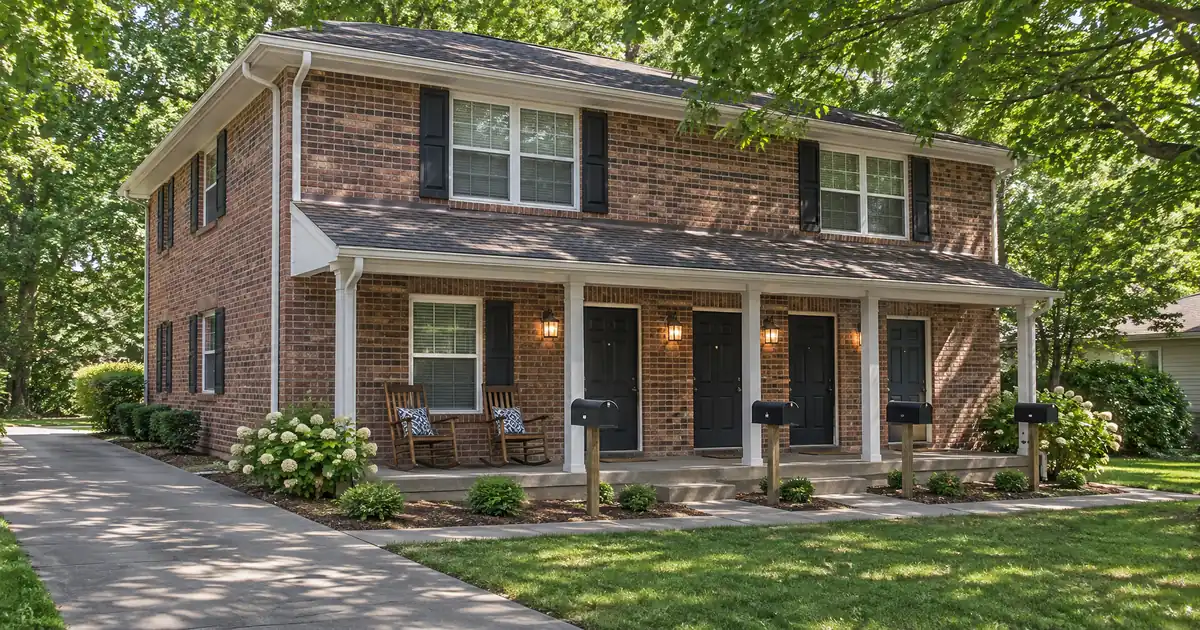
The Quick Read: An FHA cash-out lender reads an inherited 2-4 unit home through one question: did you treat it as a home or as an investment? The usual rule is that you must own and live in the property for 12 months before the case number. Inheritance can waive that waiting period, but only if you have lived in the home as your primary residence since the day you inherited it and have not treated it as an investment in that time. If you rent it out as a pure rental first, the 12-month clock likely applies. Confirm the exact wording with the current handbook and with a lender’s own rules.
That is the whole logic. The rest of this guide shows how a lender walks the file, where the 2-4 unit rules add steps, and what to do before you apply.
FHA cash-out estimate
Seeded with an example value, a balance to match, and a round cash request; change any field.
Editable benchmark: 7.24% as of October 29, 2026 · Freddie Mac 30-year average via FRED®. A conventional market reference, not an FHA cash-out refinance quote.
Illustrative starting assumptions: a $350,000 home value, a $193,000 current balance, the FHA cap on a principal residence with the upfront premium financed, a thirty-year term at the current Freddie Mac benchmark, and property taxes and insurance estimated at typical national rates. Every field is editable.
An illustration, not a Loan Estimate, an approval, a quote, or a commitment to lend. The rate shown is the weekly Freddie Mac thirty-year conventional benchmark, used as a market reference; an FHA cash-out is priced by the lender at lock, and this is not an FHA cash-out refinance quote. HUD’s cap limits the base loan; the upfront premium is financed on top of the capped base loan; the monthly premium for the first year follows the snapshot’s schedule. Cash available means the base loan the cap permits less the balances retired, before closing costs, which this calculator leaves out. The line figure applies the line program’s combined loan-to-value ceiling to the same value and balance. Taxes and insurance are estimates you can edit. Licensed in sixteen states for consumer mortgages.
What Is an FHA Cash-Out on an Inherited Home?
An FHA cash-out refinance is a new mortgage that replaces what you owe and hands you the difference in cash. It is a loan on a home you live in. On the programs we place across the wholesale network, it reaches 80% loan-to-value (LTV, the loan as a share of the home’s appraised value) on a home owned and occupied for 12 months before the case number.
Inheritance breaks the usual pattern. You did not buy the home, so there is no purchase date to count from. Many heirs also did not live there before the death. The inheritance exception exists for that gap.
If you want the program basics first, see Lendmire’s FHA cash-out refinance program page. Everything below is subject to lender guidelines and full file review, and none of it is a commitment to lend.
How Does a Lender Read the File, Step by Step?
A lender reads the file in a set order: title, occupancy, investment-use history, unit count, then the money. Each step either clears the next one or adds a question. Knowing the order lets you fix problems before they cost you time.
Step 1: Title and how you acquired the home. The lender needs proof that the home came to you by inheritance. Expect a death certificate, a will or court order, and a recorded deed. HUD does not publish one fixed list for this, so lenders vary. If the estate is still in probate, the deed may not be in your name. Without title in your name, you generally cannot close.
Step 2: Occupancy. FHA cash-out is for a principal residence. HUD’s reference guide on refinances describes inherited properties as eligible when the borrower has occupied the home as a primary residence since the inheritance. The lender will ask where you actually live and want paper that shows it.
Step 3: The investment-use screen. This step can decide an inherited file on its own. The lender asks whether the home was ever rented or run as an investment after you inherited it. A clean “no” keeps the waiver alive. A “yes” can bring back the 12-month occupancy wait.
Step 4: Existing liens. If a mortgage is still on the home, the lender looks at the payment history. Expect a review of whether payments were made on time over the prior year. How that works if you took over the decedent’s loan varies by lender, so ask early.
Step 5: Appraisal and value. You have no purchase price, so the appraisal carries everything. On a 2-4 unit, the appraiser reports market rent for each unit as well. The 80% cap applies to an adjusted value, and HUD Mortgagee Letter 2019-11 lowered the cash-out limit to 80% of that value for cases assigned on or after September 1, 2019.
Step 6: Sizing the loan. The new loan must fit both the 80% cap and the county loan limit for your unit count. County loan limits change every year, so check HUD’s lookup for your county.
What Counts as Treating the Home as an Investment?
HUD’s reference guide on refinances says the waiver holds as long as you have not treated the home as an investment property at any point since inheriting it. The words “treated as an investment” are doing the work. Plain facts help: signing a lease, collecting rent as a landlord with no plan to move in, or listing the unit for tenants.
The gray area is the 2-4 unit heir who lives in one unit and rents the others. Whether tenants who arrived after the inheritance count as “investment use” for the waiver is not settled in the guidance, so it is not safe to assume either answer. Different underwriters may read it differently. Ask the lender to answer this in writing before you order an appraisal.
Here is the practical read on common situations:
| Situation | How a lender tends to read it | Documents that help |
|---|---|---|
| You moved into one unit, other units vacant | Strongest case for the waiver | Utility bills, ID, mail at the address |
| You live in one unit; the decedent’s tenants stayed | Gray area; lender may ask questions | Existing leases, dates, proof you live there |
| You live elsewhere and rented the whole home | Investment use; 12-month clock likely applies | Lease history, your move-in date |
| Home listed for rent but never occupied | Reads as investment intent | Listing history, withdrawal records |
| Co-heirs, only one lives there | Occupant must qualify on own income | Deed or buyout papers, occupant income |
This table describes tendencies, not promises. Lender overlays can be stricter than the handbook.
What Changes on a 2-4 Unit?
Owner occupancy still anchors the file. A 2-4 unit is eligible for FHA when you live in one unit as your principal residence. The rent from the other units can help you qualify, and the lender uses the appraiser’s market rent and leases where they exist.
Unit count adds tests:
- One and two units: the self-sufficiency test generally does not apply to these homes.
- Three and four units: HUD applies a self-sufficiency test. The housing payment cannot exceed the net rental income from all units, including your own unit, after a vacancy and maintenance deduction. The lender also verifies reserves equal to three months of the housing payment after closing. HUD’s reference guide lists both tests for 3-4 unit refinances. Confirm current handbook details before relying on them.
Reserves are the sleeper problem for heirs. Cash you inherited may be tied up in an estate.
Debt ratios still matter too. The base pair is 31/43 (housing payment and total debts as a share of income) with no compensating factors, and documented compensating factors can stretch the limits to 40/50 at the top tier.
Where Does the General Rule Break?
The rules above have named edge cases. Know them before you apply.
Free and clear. A home with no mortgage can still be a cash-out. HUD’s legacy guide allows cash-out on homes owned free and clear. The cash-out is then a new loan against the whole value, up to the 80% cap.
Non-occupant help. Income from a co-borrower who does not live in the home cannot be used to qualify for cash-out. On a purchase, a non-occupant co-borrower is allowed. On cash-out, no. That catches siblings who inherit together when only one lives there.
Gifted, not inherited. The waiver is written for inheritance. A home gifted to you in life may not get it. Verify with the lender before assuming otherwise.
Rented, then moved in. If you rented after inheriting, the 12-month principal-residence clock applies before cash-out is available. Moving in later starts that clock; it does not erase the rental.
Investment property. FHA cash-out is not available on an investment property. Occupancy decides the leverage, and a non-occupied home falls outside this program.
Title seasoning. Some other loan types waive title-seasoning waiting periods for inherited property. Ask your lender how FHA handles title timing on your file.
What Does the Decision Look Like in Practice?
An 80% cap leaves at least 20% equity in the home. A low appraisal can shrink or erase the cash. Before you apply, ask what the cash is for.
The CFPB reported that cash-out borrowers often use the money to pay down credit card and auto debt. Credit scores improved after the refinance, then gradually worsened as balances crept back. The lesson is simple. Cash-out converts equity into a debt you must repay, and it can lengthen your payoff time.
Here is how the three common routes compare for an heir:
| Route | Fits when | Watch for |
|---|---|---|
| FHA cash-out | You live there and need cash | 80% cap; investment-use screen |
| FHA rate-and-term | You want a new loan, no cash | Home occupied 12 months prior |
| FHA Streamline | You already have an FHA loan | No cash; net tangible benefit required |
Streamline needs an existing FHA loan, so it rarely fits a freshly inherited home. Conventional loans have their own title and occupancy rules, and a broker can compare them against FHA for your file.
On timeline events, lenders tend to ask about the deed recording date, your move-in date, any listing activity, and the first rent check you collected. Keep dated records of all four.
Tax treatment can depend on your situation; borrowers should speak with a qualified tax professional before relying on any deduction or credit.
Documentation Checklist for an Heir
Gather these in roughly this order:
1. Death certificate and will or court order.
2. Recorded deed in your name, or probate paperwork showing authority.
3. Proof you live in the home: driver’s license, utility bills, mail.
4. Any leases on the other units, with start dates.
5. A written timeline of what happened after the death.
6. Mortgage statements, if a loan remains.
7. Reserve statements for a 3-4 unit.
A tidy timeline is half the battle. Lenders ask the same questions in the same order, so answer them before they do.
Key Terms Defined
Cash-out refinance: a new mortgage larger than your current balance, with the difference paid to you in cash.
LTV (loan-to-value): the loan amount as a percentage of the home’s appraised value.
Adjusted value: the value HUD uses to apply the 80% cap, not always the raw appraisal.
Net self-sufficiency rental income: rent from all units, less a vacancy and maintenance deduction, used in the 3-4 unit test.
Principal residence: the home where you actually live most of the time.
Frequently Asked Questions
Do I have to live in an inherited home for 12 months before an FHA cash-out?
Not if you qualify for the inheritance exception. The handbook removes the minimum occupancy period for heirs who have not treated the home as an investment. You still must occupy the home as your principal residence. Check the current handbook and the lender’s rules.
What if I rented the inherited duplex before applying?
A rental period after inheritance can trigger the 12-month principal-residence requirement. The 12 months are counted from when you occupy it, so moving in ends the rental problem going forward but does not erase it. Ask a lender how your timeline reads.
Can I cash out on an inherited home with no mortgage?
Yes, in many cases. HUD’s legacy guidance allows cash-out on free-and-clear homes, subject to the 80% cap and the owner-occupancy test.
Does the 3-4 unit self-sufficiency test apply to duplexes?
Generally no. The test is tied to 3-4 unit properties, along with a three-month reserve check. Confirm against the current handbook and your lender’s overlays.
Can a relative co-sign to help me qualify?
Not for cash-out income. A non-occupant co-borrower’s income cannot be used to qualify for an FHA cash-out refinance, though that differs from a purchase.
Next Step
If you are weighing a cash-out refinance against keeping the loan you have, Lendmire can help you compare the programs and the equity each one reaches. As a broker, it shops the wholesale network and matches your inherited-home timeline to the lender whose guidelines fit it.
For your own numbers, request a scenario review with Lendmire.
About Lendmire
Lendmire — NMLS# 2371349 — is a mortgage broker that arranges FHA, VA, conventional and jumbo home purchase and refinance financing in 16 states through wholesale lenders. Every option is subject to the lender’s guidelines and full underwriting. Scotsman Guide named Lendmire a Top Mortgage Workplace in both 2025 and 2026.
Get Started
Ready to find the right loan for you?
See your offer in seconds. No credit pull, no obligation.
Informational only. Not a Loan Estimate, approval, or commitment to lend. Program availability and eligibility are subject to lender guidelines, credit approval, property review, and underwriting.
References
1. HUD Archives – HOC Reference Guide, Refinances
2. HUD Mortgagee Letter 2019-11
3. CFPB: CFPB Report Finds Cash Out Mortgage Refinance Borrowers Improve Credit Scores
This article is part of Lendmire’s FHA cash-out refinance program — full qualification details, guidelines, and scenarios live on the program page.
Related reading: FHA Cash-Out Refinance Requirements on a Free-and-Clear Home · Does an FHA Cash-Out Refinance Make Sense to Build an Accessory Dwelling Unit?
Brandon Miller
Founder & CEO, Mortgage Loan Originator, Lendmire LLC
- Mortgage Loan Originator · NMLS# 1129696 · Verify on NMLS Consumer Access
- North Carolina Real Estate Broker · License# 343312 · Verify on NCREC
- North Carolina Insurance Producer · License# 19053198 · Property, Casualty, Life, Health · Verify on NAIC SBS
- Lendmire LLC · Firm NMLS# 2371349 · Verify firm licensure
Required disclosures. Lendmire (NMLS# 2371349) operates as a licensed mortgage broker, not a direct lender or depository. The discussion in this article is general in nature and should not be relied upon as financial, legal, or tax advice — every investment scenario is unique and should be reviewed by a qualified professional. Any loan inquiry is subject to lender underwriting, and this article is not a commitment to lend or a guarantee of approval. Mortgage rates, loan terms, and program guidelines vary by borrower, property, and state, and may change without notice. Equal Housing Opportunity. Verify licensure at NMLS Consumer Access.