
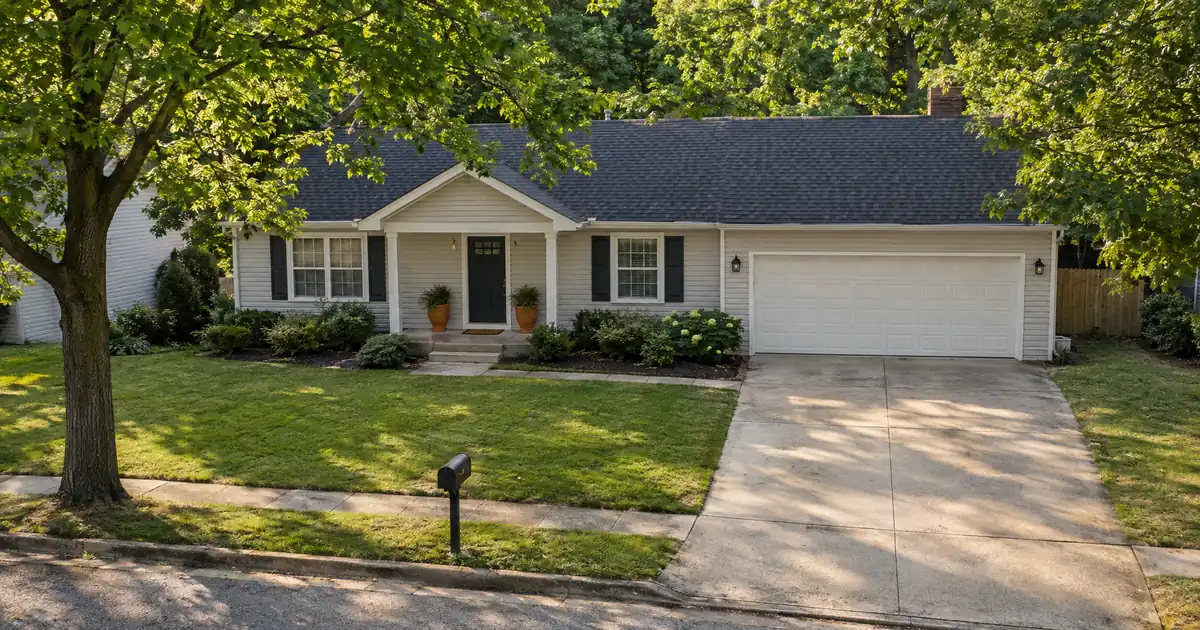
The Quick Read: An FHA appraisal does two jobs at once. It estimates what the home is worth, and it checks that the home meets basic standards for safety, soundness and security. If the appraiser flags a defect that fails those standards, the fix usually has to be made and confirmed before the loan can close. Cosmetic wear, on its own, generally does not stop a deal.
Key Takeaways
- The appraiser reports on value and on condition. Those are two separate questions, and a home can pass one and fail the other.
- A repair that touches safety, soundness or security has to be dealt with. A scuffed floor or dated kitchen does not.
- The appraisal is not a home inspection. Buyers who skip the inspection take on risks the appraisal never looked at.
- Who pays for a required repair is a negotiation. The purchase contract, not the appraiser, decides it.
- When the work is too big for a simple fix, a rehab-style FHA loan exists for exactly that situation.
What Is the FHA Appraiser Actually Checking?
The appraiser is checking two things: market value and minimum condition. Value comes from comparable recent sales near the home. Condition comes from a walk-through measured against FHA’s minimum property requirements. The report has to describe any needed repairs, deterioration or lack of compliance with those standards.
FHA payment estimate
Starting assumptions reflect an example price and the FHA minimum investment. Replace them with your own figures.
Editable benchmark: 7.32% as of October 22, 2026 · Freddie Mac 30-year average via FRED®. A conventional market reference, not an FHA loan quote.
Illustrative starting assumptions: a $350,000 price, the FHA minimum investment as the down payment, a thirty-year term at the current Freddie Mac benchmark, and property taxes and insurance estimated at typical national rates. Every field is editable.
Illustrative estimate only — not a Loan Estimate, approval, quote, or commitment to lend. The rate field carries the weekly Freddie Mac thirty-year conventional benchmark, a market reference and not an FHA loan quote; your rate is set by the lender at lock. FHA mortgage insurance follows HUD’s published schedule for the term, leverage and loan size entered; taxes, insurance and dues are editable estimates; closing costs are not included; county loan limits are not checked here. Licensed in sixteen states for consumer mortgages. Lendmire is not affiliated with or acting on behalf of FHA, HUD, or the federal government.
This is the part that surprises first-time buyers. With a conventional loan, the appraiser mostly answers one question: is the price supported? With FHA, the same visit also answers a second: is this home sound collateral for an insured loan?
The standards exist to keep FHA-insured loans tied to homes that are “safe, sound, and secure.” Think of three plain questions:
- Safe: Can people live here without being hurt? Missing handrails and exposed wiring fail this one.
- Sound: Is the structure and its major systems holding up? An actively leaking roof fails this one.
- Secure: Does the home protect the lender’s collateral? Water intrusion or no working utilities fail this one.
The appraisal is where many surprises appear. Buyers expect the underwriting to be the hard part. Often the property turns out to be the harder part.
How the Process Runs, Step by Step
The lender orders the appraisal, and the lender then underwrites it. Here is the usual order of events.
1. Case number and assignment. The loan gets an FHA case number. The lender orders the appraisal from an appraiser approved to work on FHA loans. The appraisal is tied to that case number, so it generally travels with the file if the borrower changes lenders.
2. The visit. The appraiser inspects the property inside and out. Expect photos, measurements, and notes on the roof, systems and site.
3. The report. The appraiser reports value, comparable sales, and any condition problems that fall short of FHA’s minimums.
4. Lender review. The lender must read the completed appraisal and decide whether the property is sufficient collateral. This is the lender’s call, not just the appraiser’s.
5. Repair conditions. If something fails, the report is “subject to” the repair rather than “as-is.”
6. Proof of completion. The lender needs evidence the work is done, usually through a re-inspection.
7. Closing. The loan can move to the closing table once the conditions clear.
If you want the wider picture of how these loans are structured, Lendmire’s overview of FHA loan programs covers the basics. The rest of this piece stays on the appraisal.
“As-Is” or “Subject To”: Why the Wording Matters
An “as-is” appraisal means the home meets FHA’s standards right now, even if it has cosmetic flaws. A “subject to” appraisal means something has to be repaired first. That one phrase decides whether you can proceed straight to closing or have a to-do list.
Appraisers draw the line between cosmetic and required by asking whether a defect affects safety, soundness or security. Worn carpet does not. A roof that lets water in does.
HUD, the agency that sets FHA’s rules, also uses a rating scale. Its rulebook, Handbook 4000.1, is the document lenders follow. A HUD working document on the minimum standards describes condition ratings from C1 to C6, with C4 as the minimum acceptable, and quality ratings from Q1 to Q6, with Q5 as the minimum. You will rarely see those letters in a conversation. They matter because they explain why “needs updating” and “needs fixing” are not the same thing.
One more point: that same HUD document says the minimum standards are under review, and that it is a draft rather than final policy. The rules can shift. Confirm the current version with your loan officer before you assume anything below applies unchanged.
What Usually Gets Flagged (and What Usually Doesn’t)
Here is a triage view. These are examples that recur across appraisals, not a complete checklist. The appraiser’s judgment and the lender’s overlays can move an item from one column to another.
| Usually must be fixed | Appraiser’s judgment | Usually cosmetic |
|---|---|---|
| Active roof leak | Roof near end of life | Worn carpet or flooring |
| Missing handrails | Cracked or worn steps | Dated cabinets and fixtures |
| Exposed wiring | Aging water heater | Minor scuffs and dings |
| Utilities not working | Drainage and grading | Small paint touch-ups |
| Water intrusion or standing water | Wood damage or pests | Landscaping needs |
| Missing water heater relief valve | Windows and doors that fail to operate | Older but working systems |
| Peeling paint in an older home | Chipping paint in newer homes | Smudges and stains |
Peeling or chipping paint deserves a note. In homes built before 1978, federal lead-paint rules make it a real concern, so it tends to be flagged as a required fix. In a newer home, the same paint may be called cosmetic.
The takeaway: ask what the appraiser saw. Do not guess from a list.
Appraisal vs. Inspection: Not the Same Thing
An appraisal protects the lender’s collateral. An inspection protects you. HUD’s own consumer notice is blunt about it: the appraisal is not a home inspection and does not replace one. The same notice says FHA does not perform inspections. It also says that if problems show up after closing, FHA cannot give or lend money for repairs and cannot buy the home back.
Another HUD notice adds a practical point. An inspection only happens if the buyer arranges one. A buyer who asks early may be able to make the purchase contract contingent on the results.
| Item | FHA appraisal | Home inspection |
|---|---|---|
| Who it serves | The lender | You, the buyer |
| Main question | Value and minimum standards | Overall condition |
| Who orders it | The lender | You |
| Replaces the other? | No | No |
A clean appraisal can sit on top of a home with a failing furnace. The appraiser only flags what the standards cover. Do not read a pass as a guarantee.
What Happens When Repairs Are Required
When the report is “subject to” repairs, the loan is on hold for those items. The path forward has four parts: decide who pays, get the work done, document it, then get the lender’s sign-off.
Step one: negotiate who pays. The purchase contract controls this. Common outcomes are:
- The seller makes the repair.
- The price drops to reflect the repair.
- The buyer pays for it, with the seller’s permission.
HUD’s working text sets a limit on repair costs that get added to the sales price. The amount is capped at the least of three numbers: how far the value exceeds the sales price, the appraiser’s repair estimate, or the contractor’s bid. That is a technical rule, but it shows why a low appraised value and a repair condition are different problems.
Seller help has limits too. Across the FHA programs Lendmire places files with, seller or other interested-party contributions are capped at 6% of the price, subject to lender guidelines. A repair credit counts toward that ceiling, so a large repair bill can run into it.
Step two: get the work done. The lender needs to see the repair completed properly. Ask the loan officer who may perform the work. For anything involving electrical, roofing or plumbing, a licensed contractor is the safer choice and usually leaves a better paper trail.
Step three: document it. Lenders typically want proof of completion. Often that means the appraiser returns to confirm the work. The specifics vary by lender, so ask early.
Step four: lender sign-off. Once the file shows the condition is cleared, the lender can finish its review.
When the Seller Won’t Fix It
A seller who refuses is not the end of the road. You have several paths, and each trades something away.
| Option | What it means | The tradeoff |
|---|---|---|
| Price reduction | Lower price offsets the problem | Seller must agree; value still has to support the loan |
| Seller credit | Seller contributes toward the repair | Counts toward the 6% contribution limit |
| Buyer pays | You fund the repair, with permission | More cash out of pocket |
| Repair escrow | Close first, fix afterward, funds held | Not every lender allows it |
| Rehab loan | Financing built around the repair | More paperwork and a longer process |
| Walk away | Use your contract contingency | You lose the home, not your deposit, if the contract protects you |
A repair escrow, sometimes called a holdback, is a lender-dependent option. Some lenders offer it for minor repairs. Others do not, and many set stricter rules than the baseline. Ask whether your lender permits one before you count on it.
Honestly, this is a genuine toss-up between fixing before closing and using an escrow. Fixing first is cleaner and removes uncertainty. An escrow gets you to the closing table sooner but ties up funds and adds a later inspection. Neither is wrong. The right choice depends on the size of the repair and the lender’s rules.
When the Home Needs More Than a Quick Fix
A home with big problems may fit an FHA rehabilitation loan better than a standard purchase loan. HUD’s 203(k) program insures the purchase or refinance of a home together with its rehabilitation. The home has to be at least a year old. Part of the loan pays the seller or the old loan, and the rest goes into an escrow account that is released as the work is completed.
There are two types:
- Standard: for major work. It carries a minimum repair cost and requires a consultant.
- Limited: for less expensive repairs. A consultant is optional.
The limits on the Limited version have been raised in recent years, and HUD reviews them. Ask your loan officer for the current numbers instead of relying on a number you saw online.
Eligible property types include one- to four-unit homes, townhomes and eligible condo units, with interior work only on condos. Work that is not tied to a purchase or refinance may fit a different HUD program, the Title I Property Improvement Loan.
Financing repairs into the loan has a simple effect: it raises the amount you borrow. That means a larger balance, and your monthly budget feels it. Weigh that against paying cash for a fix.
Does a Low Appraisal Change Anything?
Yes, but it is a separate issue from repairs. If the appraised value comes in below the contract price, FHA bases the loan on the lower of price or value. The program’s maximum financing is 96.5% with a 3.5% minimum investment, at a decision score of 580 or higher on the wholesale programs Lendmire places FHA loans with. All figures are subject to lender guidelines and full file review.
Because the minimum investment is measured against the lesser of price or appraised value, a low appraisal can change how much cash you need. Your options are generally the same as with any gap: renegotiate the price, bring more cash, or step away under a contingency. If you disagree with the value, ask your loan officer what the lender allows. Some lenders have a process to review the appraisal; others do not.
Your Right to See the Appraisal
You are entitled to a copy of the appraisal without having to ask for it. The CFPB’s valuations rule requires lenders to give applicants free copies of all appraisals and written valuations on a first-lien home loan. The lender may still charge a reasonable fee for the appraisal itself.
The lender must tell you about this right when you apply. Copies go out promptly after the report is done, and the exact timing can vary by file and lender. You can waive the early delivery, but reading the report is worth your time. It is the place where a flagged repair first appears in writing.
Refinancing: Where the Appraisal May Not Apply
If you already have an FHA loan, a streamline refinance works differently. Across the programs Lendmire places files with, the FHA Streamline refinances an existing FHA loan with no appraisal, a limited credit review and a net tangible benefit. No appraisal means no minimum-standards visit.
A standard FHA rate-and-term refinance does use an appraisal and reaches 97.75% on a principal residence occupied for the previous twelve months. An FHA cash-out reaches 80% on a home owned and occupied for twelve months before the case number. Lendmire’s piece FHA Cash-Out Appraisal Requirements for Value and Repairs walks through how value and condition play out there.
How Long the Appraisal Stays Good
HUD’s Handbook transmittal records an appraisal validity period of 180 days from the effective date, along with an extended update window. Older sources still quote shorter figures, so treat stale numbers with caution. If a long repair or a stalled contract pushes you past the window, the lender may need an update. Ask your loan officer when your report’s clock started.
What This Looks Like in Practice
Picture a buyer under contract on an older home at a price the appraiser supports. The report comes back “subject to” two items: peeling exterior paint and a missing stair handrail. The value is fine. The repairs are not optional.
The buyer’s agent asks the seller to fix both. The seller agrees to the handrail but balks at the paint. The buyer has choices: ask for a credit within the contribution limit, pay for it, or look at an escrow if the lender offers one. The buyer picks a seller credit and a licensed painter. After the work, the appraiser confirms completion and the lender clears the condition.
Nothing in that story was unusual. The deals that go wrong tend to involve a surprise at the appraisal that nobody planned for. If you are shopping, ask your agent and loan officer early what the lender does with “subject to” reports.
Key Terms Defined
Minimum property requirements: FHA’s baseline standards for a home’s safety, soundness and security. A home has to meet them to secure an FHA-insured loan.
As-is appraisal: An appraisal that finds the home acceptable in its current condition, even with cosmetic flaws.
Subject-to appraisal: An appraisal that conditions the loan on a specific repair being completed first.
Repair escrow (holdback): Money set aside at closing to pay for required repairs afterward. Not every lender offers it.
203(k) loan: An FHA loan that finances a purchase or refinance together with the cost of repairs, with repair funds released as work is finished.
Case number: The identifier FHA assigns to a loan. The appraisal is tied to it.
Frequently Asked Questions
Is the FHA appraisal the same as a home inspection?
No. The appraisal estimates value for the lender and checks minimum standards. An inspection evaluates condition for you, and only happens if you arrange it. HUD advises buyers to get one, and notes that FHA will not pay for repairs after closing.
Do cosmetic problems fail an FHA appraisal?
Generally not. Worn flooring, dated fixtures and minor scuffs are usually reported as-is. The test is whether a defect affects safety, soundness or security. Peeling paint in an older home is the common exception, because of lead-paint concerns.
Who pays for repairs the appraiser requires?
It depends on your contract. The seller can fix the item, lower the price, or give a credit, or you can pay with the seller’s permission. Seller contributions are capped at 6% of the price on the programs Lendmire places, subject to lender guidelines.
Can I close first and fix the problems later?
Sometimes. A repair escrow lets some lenders close with funds held until the work passes a final check. Not every lender offers one, and many add their own rules on top of FHA’s minimums. Ask before you assume it is available.
What if the house needs major work?
A 203(k) rehabilitation loan is built for that case. It finances the purchase and the repairs together, with repair money released as work is completed. A Standard version handles major work, and a Limited version handles smaller jobs.
If you are buying a home and want to see whether an FHA loan fits your file, Lendmire can help you compare the options and what each one asks of the file.
For your own numbers, request a scenario review with Lendmire.
About Lendmire
Lendmire, NMLS# 2371349, is a mortgage brokerage with consumer lending licenses in 16 states. FHA, VA, conventional and jumbo purchase and refinance loans are arranged through wholesale lending partners, and each application is reviewed individually by the lender. Scotsman Guide named Lendmire a Top Mortgage Workplace in both 2025 and 2026.
Get Started
Ready to find the right loan for you?
In about 30 seconds you can review financing options available for your home or investment property. No commitment required.
Informational only. Not a Loan Estimate, approval, or commitment to lend. Program availability and eligibility are subject to lender guidelines, credit approval, property review, and underwriting.
References
1. HUD Handbook 4000.1 transmittal
2. HUD working document on minimum property requirements
3. HUD: For Your Protection: Get a Home Inspection
4. An inspection only happens if the buyer arranges one
5. HUD: 203(k) rehabilitation mortgage program
6. CFPB – Press release on ECOA Valuations Rule
This article is part of Lendmire’s FHA loan program — full qualification details, guidelines, and scenarios live on the program page.
Related reading: Can You Get an FHA Loan With Minimum Down at a Lower Credit Tier? · FHA Cash-Out Requirements for a Loan Near the County Limit · Can a Whole FHA Loan Down Payment Be a Gift?
Brandon Miller
Founder & CEO, Mortgage Loan Originator, Lendmire LLC
- Mortgage Loan Originator · NMLS# 1129696 · Verify on NMLS Consumer Access
- North Carolina Real Estate Broker · License# 343312 · Verify on NCREC
- North Carolina Insurance Producer · License# 19053198 · Property, Casualty, Life, Health · Verify on NAIC SBS
- Lendmire LLC · Firm NMLS# 2371349 · Verify firm licensure
Legal disclosures. Lendmire (NMLS# 2371349) is a state-licensed mortgage brokerage that arranges financing through wholesale lender relationships. Lendmire is not a direct lender, depository institution, or registered financial advisor. The discussion above is general informational content about real estate financing — it is not financial, legal, or tax advice, and readers should consult licensed professionals for guidance on their individual circumstances. Loan inquiries are subject to lender underwriting; this article does not represent a commitment to lend. Loan terms, rates, and qualification standards vary by borrower, property, and state, and are subject to change at any time. Equal Housing Opportunity. NMLS Consumer Access: nmlsconsumeraccess.org.