
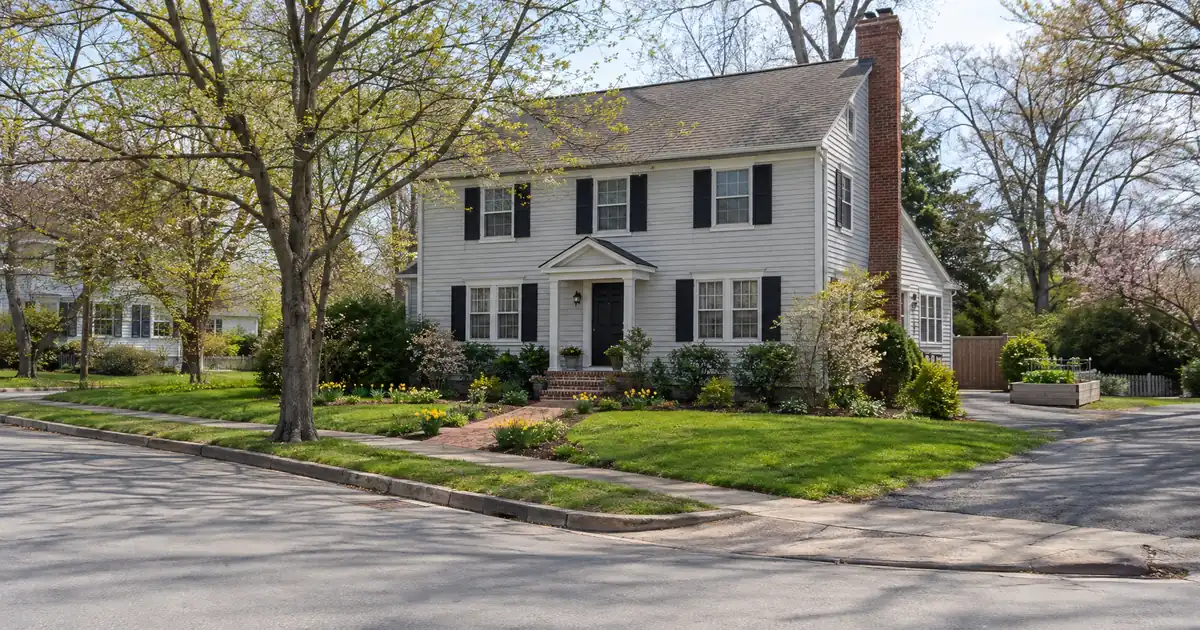
The Quick Read: An FHA appraisal can require repairs, but only for conditions that affect the home’s safety, soundness, security, or marketability. The lender, not the appraiser, decides which repairs are mandatory. Cosmetic wear usually does not trigger a repair condition. If a required repair is not completed or escrowed where allowed, the loan generally cannot move forward on that home. All of this is subject to lender guidelines and full file review.
What Does an FHA Appraisal Actually Check?
An FHA appraisal does two jobs at once: it sets the home’s value for mortgage insurance purposes, and it gives a preliminary check that the property meets HUD’s minimum standards. Those standards boil down to a home that is safe, sound, and secure.
FHA payment estimate
Starting assumptions reflect an example price and the FHA minimum investment. Replace them with your own figures.
Editable benchmark: 7.32% as of October 22, 2026 · Freddie Mac 30-year average via FRED®. A conventional market reference, not an FHA loan quote.
Illustrative starting assumptions: a $350,000 price, the FHA minimum investment as the down payment, a thirty-year term at the current Freddie Mac benchmark, and property taxes and insurance estimated at typical national rates. Every field is editable.
Illustrative estimate only — not a Loan Estimate, approval, quote, or commitment to lend. The rate field carries the weekly Freddie Mac thirty-year conventional benchmark, a market reference and not an FHA loan quote; your rate is set by the lender at lock. FHA mortgage insurance follows HUD’s published schedule for the term, leverage and loan size entered; taxes, insurance and dues are editable estimates; closing costs are not included; county loan limits are not checked here. Licensed in sixteen states for consumer mortgages. Lendmire is not affiliated with or acting on behalf of FHA, HUD, or the federal government.
It is not a home inspection. The report is written for FHA and the lender, not for you. A clean appraisal does not promise a defect-free house. Think of it as a floor, and plan a separate inspection above it.
Cosmetic items, like worn carpet, dated cabinets, or scuffed paint, are noted at most. Appraisers are asked to separate those from true defects. Repairs are limited to what protects occupant health and safety, keeps the structure sound, and preserves marketability.
Who Decides What Gets Repaired?
The lender decides. Under HUD’s Handbook 4000.1, the appraiser acts as the lender’s on-site representative and reports what needs attention. The lender then reviews the report and determines which repairs are required.
| Party | Role |
|---|---|
| Appraiser | Inspects, describes defects, rates condition |
| Lender | Decides which repairs are required |
| Seller | May fix, credit, or renegotiate |
| Buyer | Negotiates, pays, or walks away |
Some lenders add their own overlays on top of HUD’s baseline. Two lenders can treat the same borderline item differently. That is a lender policy question, not a change in the FHA rule.
If a defect exists and cannot feasibly be corrected, HUD’s drafting table for the property-condition rules says the lender must reject the property.
How Does the Repair Process Work, Step by Step?
Across the wholesale programs Lendmire places FHA files with, the sequence is consistent. FHA loan programs all run through it.
1. Appraisal ordered. An FHA roster appraiser visits the home and describes needed repairs, deterioration, and obsolescence, along with a condition rating, using HUD’s appraisal reporting guide.
2. “As-is” or “subject to.” If the home meets standards now, the value is reported as-is, even with cosmetic wear. If minimum-standard deficiencies exist, the value is reported subject to repairs being completed.
3. Lender review. Underwriting checks the report for value and marketability and sets the repair list.
4. Repairs happen. Work is finished before closing or, where the rules allow, set aside in a repair-completion escrow.
5. Proof of completion. The lender documents it with a re-inspection or completion report.
The outcome turns on four questions. Is the item a safety, soundness, or marketability issue, or only cosmetic? Can it be cured, and at what cost? Will the seller fix it, will you pay, or is there a renegotiation? And does the lender have its own overlay?
Which Repairs Come Up Most Often?
Industry sources commonly point to the same handful of triggers: peeling or chipping paint in older homes, utilities that don’t work, exposed wiring, and roof damage. Others include broken windows or doors, missing handrails, and moisture or pest problems.
A rough triage helps:
| Tier | Examples |
|---|---|
| Fix first | Exposed wiring, roof leaks, no working utilities |
| Get a specialist’s report | Foundation cracks, suspected mold or pests |
| Usually ignored | Worn carpet, dated finishes, minor scuffs |
Treat that table as a pattern, not a rulebook. Appraiser judgment and lender overlays move items between tiers.
What Are Your Options When the Home Needs Work?
You have five realistic paths, and the right one depends on the size of the problem and the seller’s flexibility.
| Option | Best when |
|---|---|
| Seller repairs | Items are modest and the seller is motivated |
| Price renegotiation | You’d rather handle the work yourself |
| Repair escrow | Weather or scheduling blocks work before closing |
| Renovation loan | Repairs are larger than a seller will tackle |
| Walk away | Defects are uncurable or the cost is out of reach |
Repair escrow on a standard FHA purchase is allowed when the home is habitable and safe. The specific holdback amounts depend on property type and lender policy, so ask your loan officer rather than assuming a figure.
Self-help repairs are another gray area. Some lenders let borrowers complete work that needs no license, backed by photos and a certification. That is a lender overlay, not an FHA rule.
The renovation-loan route: FHA 203(k)
When the work is bigger than a seller will handle, the FHA 203(k) folds repair costs into the mortgage. HUD describes two versions:
- Limited 203(k): for minor, non-structural work, with total rehab cost capped at $75,000. A consultant is optional.
- Standard 203(k): for major rehab and structural work. The rehab cost must be at least $5,000, the total must stay within the FHA mortgage limit for the area, and a HUD-approved consultant is required.
Some lender blogs still show an old $35,000 cap for the Limited version. That figure is outdated. Financing repairs raises your loan amount, and so your payment, so weigh it against negotiating a lower price instead. For a related situation, see Lendmire’s piece FHA Cash-Out vs FHA 203k for a Paid-Off Home Needing Repairs.
Where Does the General Rule Break?
A few edge cases are worth knowing before you fall in love with a house.
- Mixed-use buildings. HUD’s 203(k) fact sheet says a mixed-use property must be at least 51% residential.
- Occupancy. FHA is for your primary residence. A rental or second home is a different loan conversation, and occupancy decides the leverage.
- Other programs. USDA’s guaranteed program also relies on HUD Handbook 4000.1 for existing-home property requirements, per USDA Rural Development. If an FHA repair condition blocks a home, a different loan type may hit the same wall.
- Uncurable defects. If a problem can’t feasibly be fixed, the lender must reject the property, so the realistic move is a different home.
Are the Rules About to Change?
HUD has proposed changes, but they are not final. The current Handbook language, the Minimum Property Requirements and Standards, remains the operative standard.
HUD’s summary of proposed changes would replace those terms with a single “Property Acceptability Criteria” built on condition ratings C1 to C6 and quality ratings Q1 to Q6. An appraiser-education summary from McKissock says homes rated C5, C6, or Q6 would be ineligible unless every deficiency is cured before closing. Treat that as a preview, not a rule. If you’re shopping now, ask your loan officer which standard applies to your file.
A Scenario in Plain Words
Picture a buyer using the 96.5% maximum financing level (3.5% minimum investment, with a decision score of 580 or higher) on an older house. The appraisal comes back subject to repairs: peeling exterior paint and a worn section of roof. The lender reviews the report and makes both items conditions. The buyer asks the seller to fix them, and the seller agrees to the paint but not the roof. Rather than walk away, the buyer negotiates a lower price and, with the lender’s approval, uses a repair-completion escrow so work can finish after the weather turns. A re-inspection documents completion, and the deal works on. Whether any of that is available depends on the lender and the file.
Protecting Yourself
- Keep your inspection and financing contingencies unless you have a strong reason to waive them.
- Get repair agreements in writing, with who does the work and by when.
- Order a separate inspection. HUD’s minimums are only minimums.
- If you disagree with a repair call, ask your loan officer whether supporting documentation or a specialist’s report can be submitted for the lender to reconsider.
- Sellers who want FHA buyers can help themselves by fixing safety items, like paint, wiring, and roof leaks, before listing.
Key Terms Defined
Minimum Property Requirements (MPR): HUD’s baseline conditions a home must meet to be safe, sound, and secure.
Subject to repairs: An appraisal value that assumes listed repairs will be completed before the loan moves forward.
Repair-completion escrow: Funds held back so required repairs can be finished after closing, where the rules allow.
203(k): An FHA program that finances repair costs into the mortgage.
Compliance or completion report: A re-inspection document that proves required repairs were done.
Frequently Asked Questions
Can an FHA appraiser fail a house?
Not exactly. The appraiser reports conditions, and the lender decides which repairs are required. If a defect can’t feasibly be corrected, the lender must reject the property, so in practice a serious uncurable problem can end the deal on that home.
Do I have to fix cosmetic problems for an FHA loan?
No. Worn carpet, dated cabinets, and minor wear are generally noted rather than required. Repairs are limited to safety, soundness, security, and marketability. Appraiser judgment varies, so ask your lender about anything borderline.
Can I do the repairs myself?
It depends on the lender. Some allow borrower-completed work that needs no license, with photos and a certification. That is a lender overlay rather than an FHA rule, so confirm it before you start.
Does the lender or the appraiser decide what’s required?
The lender. The appraiser inspects and reports, then the lender determines which repairs become conditions of the loan.
Is the proposed HUD rewrite already in effect?
No. HUD has proposed changes to the property-condition standards, but the current Handbook 4000.1 language still applies. Ask your loan officer which standard governs your file.
Next Steps
If you are buying a home and want to see whether an FHA loan fits your file, Lendmire can help you compare the options and what each one asks of the file. Qualification is subject to lender guidelines and full file review, and nothing here is a commitment to lend.
For your own numbers, request a scenario review with Lendmire.
About Lendmire
Lendmire is a mortgage brokerage (NMLS# 2371349) licensed for consumer mortgage lending in 16 states, arranging FHA, VA, conventional and jumbo purchase and refinance loans through a wholesale lending network. Eligibility is determined by the lender on each file. Scotsman Guide named Lendmire a Top Mortgage Workplace in both 2025 and 2026.
Get Started
Ready to find the right loan for you?
In about 30 seconds you can review financing options available for your home or investment property. No commitment required.
Informational only. Not a Loan Estimate, approval, or commitment to lend. Program availability and eligibility are subject to lender guidelines, credit approval, property review, and underwriting.
References
1. HUD – Handbook 4000.1 MPR Drafting Table (proposed)
2. HUD’s appraisal reporting guide
5. HUD – Summary of Proposed MPR Changes
6. McKissock
This article is part of Lendmire’s FHA loan program — full qualification details, guidelines, and scenarios live on the program page.
Related reading: Can You Get an FHA Loan With a High DTI After a Conventional Denial? · FHA Cash-Out Requirements for a Loan Near the County Limit · Conventional vs FHA Cash-Out Requirements on a 2–4 Unit Primary Home
Brandon Miller
Founder & CEO, Mortgage Loan Originator, Lendmire LLC
- Mortgage Loan Originator · NMLS# 1129696 · Verify on NMLS Consumer Access
- North Carolina Real Estate Broker · License# 343312 · Verify on NCREC
- North Carolina Insurance Producer · License# 19053198 · Property, Casualty, Life, Health · Verify on NAIC SBS
- Lendmire LLC · Firm NMLS# 2371349 · Verify firm licensure
Disclosure information. Lendmire is a state-licensed mortgage brokerage under NMLS# 2371349. Lendmire is not a depository institution, direct lender, or financial advisor — all loans referenced are placed through wholesale lender partners and are subject to each lender's underwriting standards. This article is provided for general informational purposes and is not a commitment to lend, nor does it constitute financial, legal, or tax advice. Loan programs, terms, rates, and qualification standards change without notice and depend on borrower profile, property type, and the state in which the subject property is located. Equal Housing Opportunity provider. NMLS Consumer Access: nmlsconsumeraccess.org.