
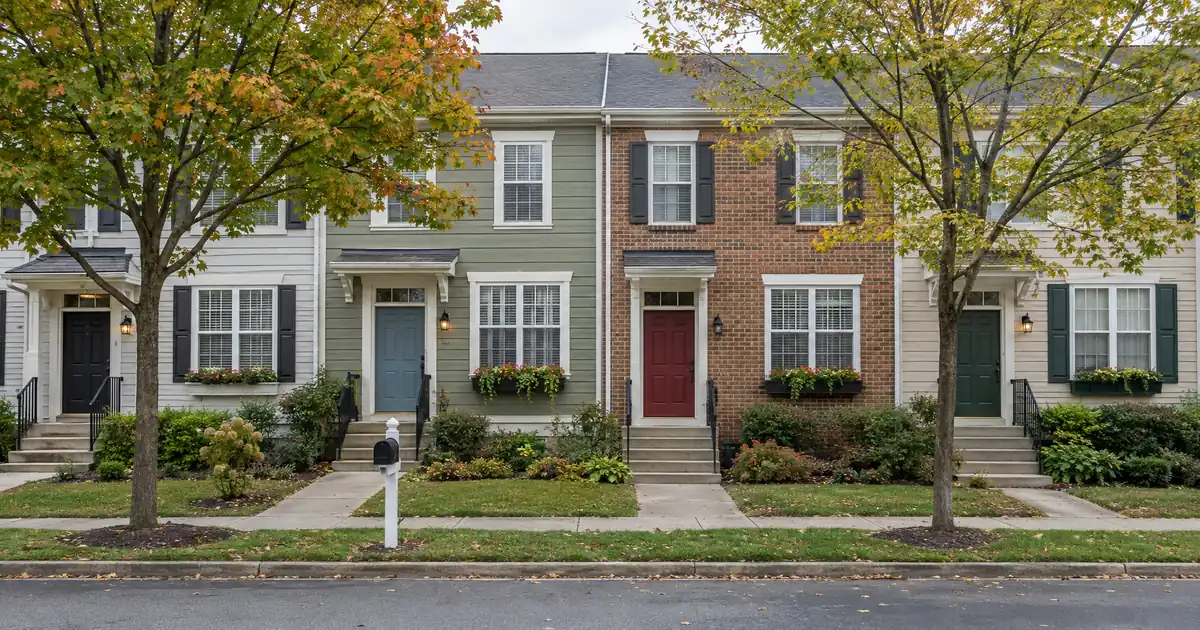
The Quick Read: The county loan limit caps how much FHA will insure on your mortgage. It does not cap the price of the home you can buy. The down payment is the cash that bridges any gap between what you borrow and what the home costs. On the wholesale programs Lendmire places FHA loans with, you can borrow up to 96.5% of the home’s value at a 580 or higher decision score, with a 3.5% minimum investment. Subject to lender guidelines and full file review.
Key Takeaways
- The limit applies to the loan amount, not the sale price.
- Your maximum loan is the lesser of the county limit or 96.5% of the home’s value.
- The 3.5% is figured on the lesser of price or appraised value, not always the price.
- Seller money can help with closing costs. It cannot be your down payment.
- A home priced above what the limit supports means more cash from you, a cheaper home, or a different loan.
What an FHA Loan Limit Is (and What It Caps)
An FHA loan limit is the largest mortgage amount FHA will insure in a given county. That is the whole definition. It says nothing about what a seller can ask or what a buyer can pay.
FHA payment estimate
Starting assumptions reflect an example price and the FHA minimum investment. Replace them with your own figures.
Editable benchmark: 7.32% as of October 22, 2026 · Freddie Mac 30-year average via FRED®. A conventional market reference, not an FHA loan quote.
Illustrative starting assumptions: a $350,000 price, the FHA minimum investment as the down payment, a thirty-year term at the current Freddie Mac benchmark, and property taxes and insurance estimated at typical national rates. Every field is editable.
Illustrative estimate only — not a Loan Estimate, approval, quote, or commitment to lend. The rate field carries the weekly Freddie Mac thirty-year conventional benchmark, a market reference and not an FHA loan quote; your rate is set by the lender at lock. FHA mortgage insurance follows HUD’s published schedule for the term, leverage and loan size entered; taxes, insurance and dues are editable estimates; closing costs are not included; county loan limits are not checked here. Licensed in sixteen states for consumer mortgages. Lendmire is not affiliated with or acting on behalf of FHA, HUD, or the federal government.
Here is why the distinction matters. FHA does not lend money. It insures loans that private lenders make. If you default, the insurance protects the lender, and the limit is the ceiling on that protection. Lendmire, as a mortgage broker, arranges these loans through wholesale lenders. The lenders do the underwriting and the lending. Lendmire’s FHA loan programs run inside that same envelope.
Think of the limit as the top of a box. Your loan has to fit under it. Your price can sit above it, as long as your cash covers everything over the line.
How Are the Limits Set?
Limits are set by county and reset every year. Each county’s number sits somewhere between a national floor and a national ceiling. Lower-cost counties land at the floor. The priciest counties land at the ceiling. Most counties fall in between.
The limits track the conforming loan limits that the Federal Housing Finance Agency sets for the wider mortgage market. When home prices rise broadly, the FHA numbers usually rise with them. HUD publishes the floor and ceiling for one-unit homes on its lender information page. Higher limits apply to two- to four-unit homes and to a few special areas. This article does not quote county dollar figures, because they change each year and differ by county. Your lender pulls the exact number for the county where the home sits.
The date matters too. The date your lender assigns your FHA case number decides which year’s limits apply. A contract signed near the annual changeover can fall on either side, so ask your loan officer which set of limits your file will use.
One more point that trips people up. Every home in a county shares that county’s limit. A house in a pricey neighborhood and a house in a modest one face the same cap if they sit in the same county.
The Down Payment Rule: 96.5% Financing, 3.5% In
The most FHA will let you borrow is 96.5% of the home’s value. The rest is your minimum required investment, which is the plain-English term for your down payment. It is 3.5%.
That 96.5% figure assumes a decision score of 580 or higher. The decision score is the single credit score the lender uses to qualify you. With two scores, the lender uses the lower. With three, it uses the middle one. With several borrowers on the loan, the lowest borrower’s score generally governs.
HUD’s own rules also allow a lower tier for scores of 500 to 579, capped at 90% financing, which means about 10% down. That is HUD’s rule, per its credit score letter. Across the wholesale programs Lendmire works with, files start at 580. Some lenders also set higher minimums than HUD requires. Those are called overlays. The same HUD letter says the score thresholds stay the same as HUD adds newer scoring models. Final terms depend on the lender’s guidelines, the property type, and the borrower’s complete credit picture.
How the Loan Gets Sized, Step by Step
This is the part nobody explains cleanly. Here is the sequence a lender follows.
1. The case number and county. The lender assigns an FHA case number. The property’s county sets the loan limit that applies.
2. The score and the tier. The lender settles on your decision score. At 580 or higher, maximum financing is on the table.
3. The appraisal and Adjusted Value. For a purchase, Adjusted Value is the lesser of the sale price (less any inducements to purchase) or the appraised value. Your 3.5% is figured on that lower number.
4. The two ceilings. The lender runs two tests. One is 96.5% of Adjusted Value. The other is the county limit.
5. The maximum loan. Your maximum is the lesser of those two. Whichever is smaller wins.
6. Your cash. Everything between the maximum loan and the price comes from you, from acceptable sources.
Step 3 is where buyers get surprised. Say the home appraises below the contract price. The 3.5% now applies to the lower appraised value, and the loan shrinks with it. You can renegotiate the price, cover the gap, or walk, depending on your contract. The loan does not stretch to cover a price the appraisal does not support.
Step 4 is the one that links the limit to your down payment. In an ordinary case, 96.5% of value sits under the county limit, and the limit never comes into play. In a pricier home, 96.5% can land above the limit. Then the limit binds, and your cash has to cover the difference.
Ask your loan officer how the financed upfront premium sits against the limit on your file. The premium is 1.75% of the base loan and can be rolled into the loan. Lenders generally measure the limit against the base loan amount, but your lender confirms how it applies.
Where Your Down Payment Can Come From
The minimum investment has to come from acceptable sources. Your own checking and savings qualify. So do investment funds and money from selling personal property or another home. The FDIC’s FHA program summary lists six source categories: cash and savings, investment funds, gifts, sale proceeds, loans and grants, and employer assistance.
| Source of cash | Counts toward the 3.5%? |
|---|---|
| Your own savings or checking | Yes |
| A documented gift from family | Yes |
| Employer or charity assistance | Yes, with documentation |
| Seller credit | No, closing costs only |
| Card cash advance or payday loan | Generally no |
Gifts come with paperwork. Under HUD’s guidance, a gift can come from a family member, an employer or a charitable organization, per HUD’s FHA buyer Q&A. The lender wants a letter naming the donor and the amount, and stating that no repayment is expected. It will also want the money’s paper trail. For more on this, see Lendmire’s piece on down payment assistance and gift funds.
A gift lowers the cash that comes out of your own pocket. It does not lower your loan size or shrink the 3.5% requirement. Only a bigger down payment or a lower price does that.
Borrowed money is a trap. An unsecured loan or a credit card cash advance generally cannot fund the minimum investment, because the lender is looking for cash you do not owe back.
What Seller Help Can and Cannot Do
Seller money cannot be your down payment. It can help with other costs.
HUD allows sellers and other interested parties to contribute toward your origination fees, other closing costs and prepaid items. The cap is 6% of the sale price. HUD spells this out in its interested-party Q&A. The same page says these contributions may not fund the minimum required investment.
Anything above 6%, or above the actual allowable costs, is an inducement to purchase. It reduces the sale price dollar-for-dollar when the lender computes Adjusted Value. That cuts your maximum loan. The cap also counts payments toward rate buydowns and the upfront mortgage insurance premium.
So a seller credit helps your cash to close. It does not help the 3.5%.
What the Mortgage Insurance Adds
Every FHA loan carries mortgage insurance, as the CFPB’s FHA loan overview states. There are two parts.
- The upfront premium is 1.75% of the base loan. Most buyers finance it into the loan rather than pay it in cash.
- The annual premium runs between 0.15% and 0.75% of the balance. It depends on the loan term, the loan amount and the LTV (loan-to-value, meaning the loan as a share of the home’s value). You pay it in your monthly payment.
The 90% line is where the cost changes shape. On a thirty-year loan above 90% LTV, the annual premium lasts for the full term. At or below 90% LTV, it ends after eleven years. A buyer putting 3.5% down sits above that line. A buyer putting 10% down sits right at it. Each figure is subject to lender guidelines and a complete review of property type, leverage, and credit.
Premiums are a program feature, not a price tag. Your Loan Estimate shows what applies to your file.
When Does the General Rule Break?
A few situations bend the standard picture.
Two- to four-unit homes. FHA covers homes with one to four units, but you have to live in one of them. The limits run higher for multi-unit homes. Lender guidelines can add requirements on top, so ask early.
Repairs. If the appraiser requires repairs, the lender can sometimes add the repair cost to the price before sizing the loan. Strict conditions apply. The borrower pays for the repairs, and the contract has to name the borrower as responsible. Your lender confirms the current rules.
Gifts of equity. A relative selling you a home below market value can sometimes gift you the difference. HUD has special rules for family sales. Describe the plan to your lender before you sign anything.
A co-borrower who won’t live there. A non-occupant co-borrower is allowed on the wholesale programs Lendmire works with. Their score and income get reviewed with yours.
Thin credit or a score under 580. HUD’s manual underwriting limits qualifying ratios to 31/43 for borrowers with no score or a decision score under 580. A reminder: the wholesale programs here start at 580.
A second home or rental. FHA is for a principal residence. Occupancy decides the leverage, so a home you will not live in falls outside this program.
How Ratios Fit In
The limit and the down payment are only two of the gates. Your income and debts are another.
The base pair of ratios is 31/43. The first number is housing costs as a share of your income. The second is all monthly debts, housing included, as a share of income. That pair applies with no compensating factors. Documented compensating factors, such as strong reserves or a clean payment history, can stretch the pair as far as 40/50 at the top tier. For most files the automated underwriting finding governs, not a hand calculation.
A limit is not an approval. A home that fits under the limit still has to pass the income, credit, appraisal and source-of-funds checks.
What If the Price Is Above the Limit?
Say the home you want pushes past what the county limit supports. You have options, and they are worth working through in order.
1. Bring more cash. The loan stops at the limit. You cover everything above it, on top of the minimum investment. This works when you have the savings and want to keep FHA’s flexible credit terms.
2. Negotiate the price. A lower price pulls the loan under the limit. If the appraisal comes in low, you have a real reason to ask.
3. Look at a different home. A smaller home, a different neighborhood, or a property in a county with a higher limit changes the math.
4. Switch loan types. A conventional loan has its own, generally higher, limits. If you are a veteran or active-duty service member, Lendmire’s piece VA Loan No Down Payment Rules for a Home Above the Conforming Limit covers a different path.
For many buyers, the better question is whether FHA is the right fit at all. The CFPB notes that for borrowers with good credit and a medium down payment, around 10% to 15%, FHA tends to cost more than a conventional loan. For lower credit scores or smaller down payments, FHA can often be a more affordable option. Honestly, this is a toss-up for many files. The only way to settle it is to compare the actual terms side by side.
Here Is How That Plays Out
Consider a buyer with a 640 score, steady income and savings for 3.5% plus closing costs. The home is priced well under the county limit. The appraisal matches the price. The loan lands at 96.5% of that value. The limit never matters. Cash needs are the 3.5% plus closing costs, and the seller can cover part of those costs up to 6%.
Now picture a second buyer with the same score, looking in a county sitting at the floor. The home is priced high for that county. Ninety-six and a half percent of value lands above the limit, so the limit binds. The loan stops at the cap. This buyer’s cash has to cover everything above it. That is the situation where the limit stops being background and becomes the main number.
One more case. The home is priced fine, but it appraises low. The 3.5% shifts to the lower value, the loan shrinks, and the buyer needs more cash or a price cut. Of the three, this one catches people most often.
Cash problems on a file tend to come from the appraisal or from documenting where the money came from, not from the 3.5% itself. Move savings early, keep the paper trail clean, and tell the lender about any gift before it lands in your account.
Common Mistakes
- Thinking the limit is a price cap. It caps the loan, not the price.
- Assuming 3.5% is figured on the price. It is figured on the lesser of price or appraised value.
- Counting a seller credit as your down payment. It only helps with closing costs.
- Borrowing the down payment. An unsecured loan or card advance generally will not count.
- Expecting 20% down to remove the insurance. FHA mortgage insurance applies to every FHA loan.
- Treating the lowest HUD score as a universal door. HUD sets a floor, and each lender sets its own minimum.
Key Terms Defined
County loan limit: The most FHA will insure on a mortgage in a given county, set each year.
Minimum required investment: The cash you put into the purchase, 3.5% of the lesser of price or appraised value at a 580 or higher decision score.
Adjusted Value: The lesser of the sale price (less any inducements) or the appraised value, which FHA uses to size your loan.
Decision score: The one credit score the lender uses to qualify you, set from the scores of everyone on the loan.
LTV: Loan-to-value, the loan amount as a percentage of the home’s value.
Inducement to purchase: Seller or third-party help above the 6% cap, which reduces the price when the loan is sized.
Upfront premium: The one-time FHA mortgage insurance charge, 1.75% of the base loan, which can be financed.
Frequently Asked Questions
Does the FHA loan limit cap how much the home can cost?
No. The limit caps the loan FHA will insure, not the price. You can buy a home priced above what the limit supports if your cash covers the gap, plus the minimum investment. The loan stops at the limit, and you fund the rest.
Can I use gift money for the whole down payment?
Often, yes. A documented gift from a family member, employer or charitable organization can fund the minimum investment, subject to lender guidelines. The lender will want a gift letter and the money’s paper trail. A gift cannot come from the seller or another party with an interest in the sale.
Does the financed upfront premium count against the limit?
Ask your lender, because the treatment is a technical point. The premium is 1.75% of the base loan, and lenders generally measure the limit against that base amount. Your lender confirms how the premium applies on your file.
Which year’s loan limit applies to my purchase?
The limit tied to the date your lender assigns your FHA case number applies. If your timeline runs across the annual changeover, ask your loan officer which set of limits your file will use.
Do two- to four-unit homes have different limits?
Yes. Limits run higher for homes with more units, and you must live in one of the units. The exact figure depends on the county and the unit count. Your lender can pull the right number for the property.
If you are buying a home and want to see whether an FHA loan fits your file, Lendmire can help you compare the options and what each one asks of the file. Reach the team at 828-256-2183 or request a quote. Each program is subject to lender guidelines and full file review, and nothing here is a commitment to lend.
About Lendmire
Lendmire (NMLS# 2371349) is a mortgage broker licensed for consumer lending in 16 states. Lendmire arranges FHA, VA, conventional and jumbo purchase and refinance loans through wholesale lenders; every file is underwritten by the lender under the applicable program guidelines. Scotsman Guide named Lendmire a Top Mortgage Workplace in both 2025 and 2026.
Get Started
Ready to find the right loan for you?
In about two minutes you can review financing options available for your home or investment property. No commitment required.
Informational only. Not a Loan Estimate, approval, or commitment to lend. Program availability and eligibility are subject to lender guidelines, credit approval, property review, and underwriting.
References
1. HUD FHA Lenders Single Family
2. HUD Mortgagee Letter 2026-11 (credit score tiers)
5. HUD FHA Q&A: Interested party contributions
This article is part of Lendmire’s FHA loan program — full qualification details, guidelines, and scenarios live on the program page.
Related reading: How Much Annual MIP Adds to an FHA Payment at Minimum Down · How to Document a Gift-Funded Down Payment on an FHA Loan · How Much More an FHA Loan Costs on a Condo Purchase
Brandon Miller
Founder & CEO, Mortgage Loan Originator, Lendmire LLC
- Mortgage Loan Originator · NMLS# 1129696 · Verify on NMLS Consumer Access
- North Carolina Real Estate Broker · License# 343312 · Verify on NCREC
- North Carolina Insurance Producer · License# 19053198 · Property, Casualty, Life, Health · Verify on NAIC SBS
- Lendmire LLC · Firm NMLS# 2371349 · Verify firm licensure
Required disclosures. Lendmire (NMLS# 2371349) operates as a licensed mortgage broker, not a direct lender or depository. The discussion in this article is general in nature and should not be relied upon as financial, legal, or tax advice — every investment scenario is unique and should be reviewed by a qualified professional. Any loan inquiry is subject to lender underwriting, and this article is not a commitment to lend or a guarantee of approval. Mortgage rates, loan terms, and program guidelines vary by borrower, property, and state, and may change without notice. Equal Housing Opportunity. Verify licensure at NMLS Consumer Access.