
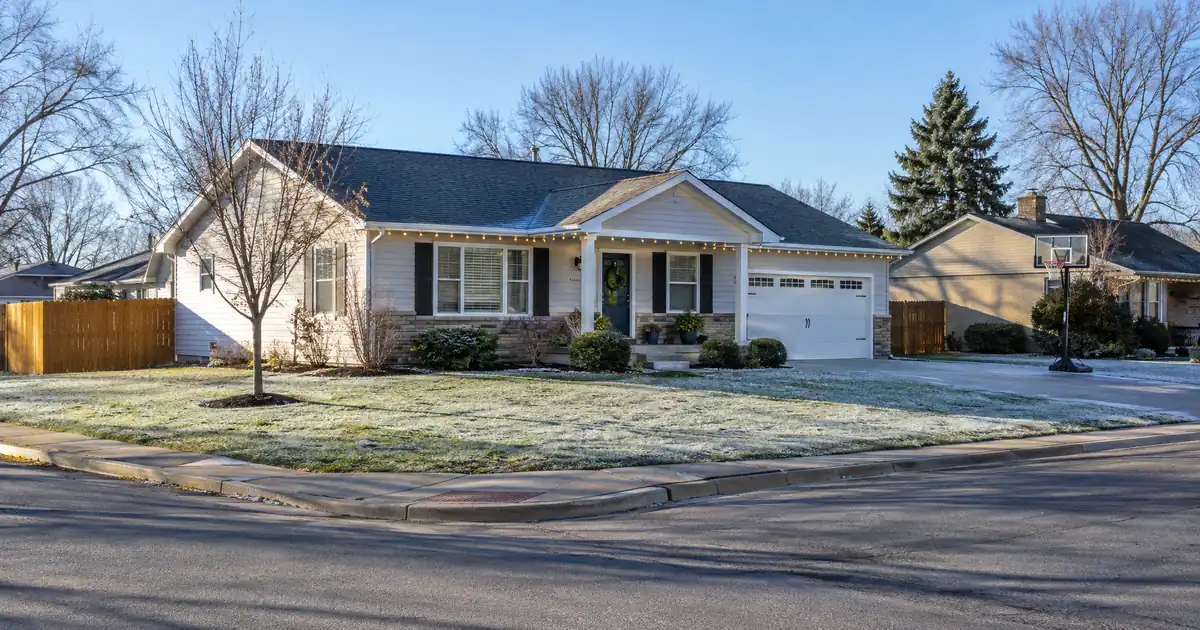
The Quick Read: FHA does not require a home inspection, and the FHA appraisal does not replace one. The appraisal estimates value and checks that the home meets minimum property standards. A home inspection is your own, optional, deeper look at the home’s condition, and you arrange and pay for it. Buyers who want that extra layer can add it to an FHA purchase without changing the loan.
Key Takeaways
- The appraisal protects the lender’s collateral. The inspection protects you.
- HUD says an inspection happens only if the buyer asks for one and arranges it.
- A required repair on the appraisal can hold up closing until it is completed and cleared.
- If the inspection finds big repairs, a renovation loan may let you finance them.
- FHA does not lend or give money for repairs after closing.
What Is the Difference Between an FHA Appraisal and a Home Inspection?
They answer different questions. The appraisal asks whether the home is worth the loan and meets the program’s property standards. The inspection asks what shape the house is really in.
FHA payment estimate
Starting assumptions reflect an example price and the FHA minimum investment. Replace them with your own figures.
Editable benchmark: 7.32% as of October 22, 2026 · Freddie Mac 30-year average via FRED®. A conventional market reference, not an FHA loan quote.
Illustrative starting assumptions: a $350,000 price, the FHA minimum investment as the down payment, a thirty-year term at the current Freddie Mac benchmark, and property taxes and insurance estimated at typical national rates. Every field is editable.
Illustrative estimate only — not a Loan Estimate, approval, quote, or commitment to lend. The rate field carries the weekly Freddie Mac thirty-year conventional benchmark, a market reference and not an FHA loan quote; your rate is set by the lender at lock. FHA mortgage insurance follows HUD’s published schedule for the term, leverage and loan size entered; taxes, insurance and dues are editable estimates; closing costs are not included; county loan limits are not checked here. Licensed in sixteen states for consumer mortgages. Lendmire is not affiliated with or acting on behalf of FHA, HUD, or the federal government.
HUD’s own consumer notice, For Your Protection: Get a Home Inspection, says an appraisal is different from a home inspection and does not replace one. It also says FHA does not perform inspections. A home inspector evaluates structure, construction, mechanical systems, items needing repair, and the remaining useful life of major systems.
| Factor | FHA Appraisal | Buyer’s Home Inspection |
|---|---|---|
| Who orders it | The lender | The buyer |
| Required? | Yes, for the loan | No, buyer’s choice |
| Main question | Value and property acceptability | Actual condition |
| Who it protects | Lender and program | The buyer |
| Depth | Flags deficiencies | System-by-system review |
| Who pays | Built into the loan costs | Buyer, usually up front |
Does FHA Require a Home Inspection?
No. HUD says a home inspection is not required by law and happens only if you ask for one and make the arrangements. You may schedule it before or after signing the contract.
That is why the phrase “FHA inspection” misleads people. Some think the appraiser checks everything. Others think FHA stands behind the house once it passes. Neither is true. HUD states that neither FHA nor the lender may give or lend you money for repairs after closing, and neither may buy the home back.
Federal law backs this disclosure. 12 U.S.C. § 1701x-1 directs HUD to inform buyers of the availability and importance of an independent home inspection, and it names the HUD 92564-CN form. On that form, the buyer acknowledges the appraisal is not an inspection and that getting one is a voluntary choice.
How Does the Process Work, Step by Step?
Across the wholesale programs Lendmire places FHA files with, the sequence is consistent. Here is where the inspection fits.
1. Contract. You decide whether to hire an inspector. HUD’s advice is to do it as soon as possible if you want one. You can often make the contract contingent on the results.
2. Inspection. The inspector reviews structure, roof, mechanical systems and more. HUD suggests asking about additional health and safety tests that may fit the home.
3. Negotiation. Use the contingency to request repairs, ask for a credit, or walk away, per your contract. That is a contract matter, not an FHA underwriting step.
4. Appraisal. The lender orders it. HUD’s Appraisal Report and Data Delivery Guide has appraisers report overall condition and list deficiencies against the property standards.
5. Conditions. The appraisal can come back “subject to” repairs or a required inspection. Repairs get completed and the property is re-verified before closing.
6. Underwriting. The underwriter reviews the appraisal and its conditions. Your inspection report does not stand in for the appraiser’s required repairs.
Timing matters. An inspection done early gives you the chance to spot problems before they turn into appraisal conditions. Lendmire’s piece How to Prepare for an FHA Appraisal and a Home Inspection walks through that prep in more detail.
What Does an Inspection Catch That the Appraisal Won’t?
The appraisal looks for value-driving and safety-related problems. It is not a system-by-system test. An inspector goes further on the items that shape your monthly budget and your reserves: roof, heating and cooling, plumbing, electrical, water heater, and how many years each has left.
Picture a home that appraises cleanly at the contract price. The appraiser notes no required repairs. The inspector, though, reports an aging furnace and a roof near the end of its life. FHA won’t care, because neither blocks the loan. You should care, because both are cash you will need soon. That finding can support a price conversation or a credit request.
The reverse happens too. The appraiser flags peeling paint on an older home, and a repair becomes a loan condition even if you would have shrugged it off. Same house, two different lenses.
When Do Appraisal Conditions Become a Problem?
A required repair can delay closing until it is completed and cleared. Whether the seller will fix it often decides whether the deal holds together. If the seller refuses, the buyer’s options are to negotiate, pay for the fix where the program allows, or step back under the contract’s terms.
Appraiser-triggered specialist inspections are narrower than a full inspection. A “subject to inspection” condition might cover a roof, a structural concern, a well or a septic system. It answers one question for the lender. It does not give you a full picture of the house.
HUD is also working on changes to how condition standards are written. The draft would shift toward “Property Acceptability Criteria,” flagging conditions that affect safety, soundness, marketability or occupant health. Those are proposals, so treat today’s guidance as what governs and confirm current status with your loan officer.
What If the Inspection Finds Major Repairs?
The FHA 203(k) renovation loan exists for this. HUD’s 203(k) program overview describes it as insuring a mortgage that covers purchase or refinance plus rehabilitation of a home at least a year old, with leftover funds held in escrow and released as work is completed. HUD’s 203(k) program types page says eligible repairs can include items identified by a home inspector or an FHA appraiser.
There are two versions. The Limited version lets buyers finance up to $75,000 of repairs into the mortgage. The Standard version needs at least $5,000 in rehabilitation costs and a total value within the area FHA limit. HUD updated the Limited program’s cost limits for case numbers on or after November 4, 2024, so confirm current figures with your loan officer.
The tradeoff: financing repairs raises the loan balance, which raises the payment. A renovation loan also adds steps and paperwork compared with a standard FHA purchase. If the repairs are small, negotiating a seller credit or fix may be simpler. If they are large and the house is otherwise right, 203(k) may be worth the extra work.
How Does an Inspection Affect Your Budget and Cash?
You pay for the inspection yourself, and it is a separate out-of-pocket cost from the appraisal. Plan for it early. Any specialist inspection, such as sewer, pest, or radon, adds to that.
The larger budget point is reserves. With no FHA backstop after closing, a surprise repair comes from your savings. Here is the envelope the FHA purchase program works in, as Lendmire sees it across wholesale lenders, always subject to lender guidelines and full file review:
- Leverage: up to 96.5% financing, with a 3.5% minimum investment at a decision score of 580 or higher.
- Mortgage insurance: an upfront premium of 1.75% of the base loan, which can be financed, plus an annual premium between 0.15% and 0.75% of the balance depending on term, loan amount and LTV.
- Ratios: a base of 31/43 housing and total ratios, reaching 40/50 with documented compensating factors. The automated finding governs most files.
- Limits: county loan limits apply.
Because a low down payment leaves little cash cushion, setting aside money for post-closing repairs is a real part of the decision, not an afterthought.
Does the Appraisal Carry Over If a Deal Falls Through?
Not freely. HUD’s archived reference guide says the lender must order a new appraisal for each case number, so an appraisal from one purchase cannot be reused for a later refinance. Validity windows are limited, and delays can require an update. Guidance has shifted over time, so ask your loan officer how long the current appraisal remains usable.
Key Terms Defined
- Appraisal: the lender-ordered opinion of a home’s value and its fit with program property standards.
- Home inspection: a buyer-ordered review of the home’s physical condition and major systems.
- Inspection contingency: a contract clause letting you negotiate repairs or cancel based on inspection results.
- Minimum property standards: the FHA condition requirements a home must meet to be acceptable collateral.
- 203(k) loan: an FHA loan that rolls repair costs into the mortgage, with funds escrowed and released as work is done.
Should You Inspect, Skip, or Add a Specialist?
For most FHA buyers, inspect. The loan does not need it, but the house does not care about that. Skip only if you have strong reasons, such as new construction under warranty or a seller-provided report you trust. Add a specialist when the house shows clues: a lot of moisture, an older roof, a septic system or well, or an aging foundation.
Other government-backed programs point the same way. A USDA Rural Development training document says applicants are always encouraged to get a detailed home inspection. The lesson carries over: the loan’s own property check is a floor, not a full evaluation.
Frequently Asked Questions
Can I use an FHA loan and still get my own home inspection?
Yes. HUD encourages it. You hire the inspector, you decide when it happens, and you can often tie it to your contract through a contingency. The FHA loan process runs alongside it.
Does an FHA appraisal replace a home inspection?
No. HUD says the appraisal is different from a home inspection and does not replace one. The appraisal checks value and minimum property standards, while an inspection reviews condition in depth.
What happens if the inspector finds a problem the appraiser missed?
It becomes a negotiation, not an FHA event. You can ask the seller for repairs or a credit, or consider renovation financing. The lender only requires fixes the appraisal flags, unless the repair changes the property’s acceptability.
Can I finance repairs my inspector finds?
Possibly, through an FHA 203(k) loan, which covers repairs identified by an inspector or appraiser. Whether it fits depends on the repair size, the home’s age and your file, all subject to lender guidelines.
Does the inspection notice apply if I refinance?
HUD’s notice is written for the purchase of a potential new home. Refinancing homeowners can use repair financing through 203(k), but check with your loan officer on what documents apply to a refinance.
The Bottom Line
If you are buying a home and want to see whether Lendmire’s FHA loan programs fit your file, Lendmire can help you compare the options and what each one asks of the file. It works as a mortgage broker arranging FHA, VA, conventional and jumbo loans through wholesale lenders, so you can plan the inspection, the appraisal and your reserves together. Program terms are subject to lender guidelines and full file review, and nothing here is a commitment to lend.
For your own numbers, request a scenario review with Lendmire.
About Lendmire
Lendmire (NMLS# 2371349) is a mortgage brokerage serving homeowners and home buyers in 16 states. FHA, VA, conventional and jumbo purchase and refinance loans are arranged through wholesale lending channels; Lendmire brokers the financing and the lender underwrites each application. Scotsman Guide named Lendmire a Top Mortgage Workplace in both 2025 and 2026.
Get Started
Ready to find the right loan for you?
In about two minutes you can review financing options available for your home or investment property. No commitment required.
Informational only. Not a Loan Estimate, approval, or commitment to lend. Program availability and eligibility are subject to lender guidelines, credit approval, property review, and underwriting.
References
1. HUD/FHA, For Your Protection: Get a Home Inspection
4. HUD 203(k) program overview
6. HUD Archives HOC Reference Guide p. 1-06
7. USDA Rural Development training document
This article is part of Lendmire’s FHA loan program — full qualification details, guidelines, and scenarios live on the program page.
Related reading: Is an FHA Loan Appraisal the Same as a Home Inspection? · FHA Loans for Buyers Rebuilding Credit Who Want a Small Down Payment · 15-Year FHA Loans for Buyers With Strong Income: When It Fits
Brandon Miller
Founder & CEO, Mortgage Loan Originator, Lendmire LLC
- Mortgage Loan Originator · NMLS# 1129696 · Verify on NMLS Consumer Access
- North Carolina Real Estate Broker · License# 343312 · Verify on NCREC
- North Carolina Insurance Producer · License# 19053198 · Property, Casualty, Life, Health · Verify on NAIC SBS
- Lendmire LLC · Firm NMLS# 2371349 · Verify firm licensure
Disclosures. The information presented in this article is general market commentary, not financial, legal, or tax advice. Lendmire is a mortgage brokerage (NMLS# 2371349) — not a direct lender or depository institution — and loan placement is subject to lender underwriting. Nothing in this content represents a commitment to lend. Loan terms, pricing, and program availability vary based on borrower qualifications, property characteristics, and state of subject property, and are subject to change at any time. Lendmire complies with Equal Housing Opportunity requirements. Consumer access: nmlsconsumeraccess.org.