
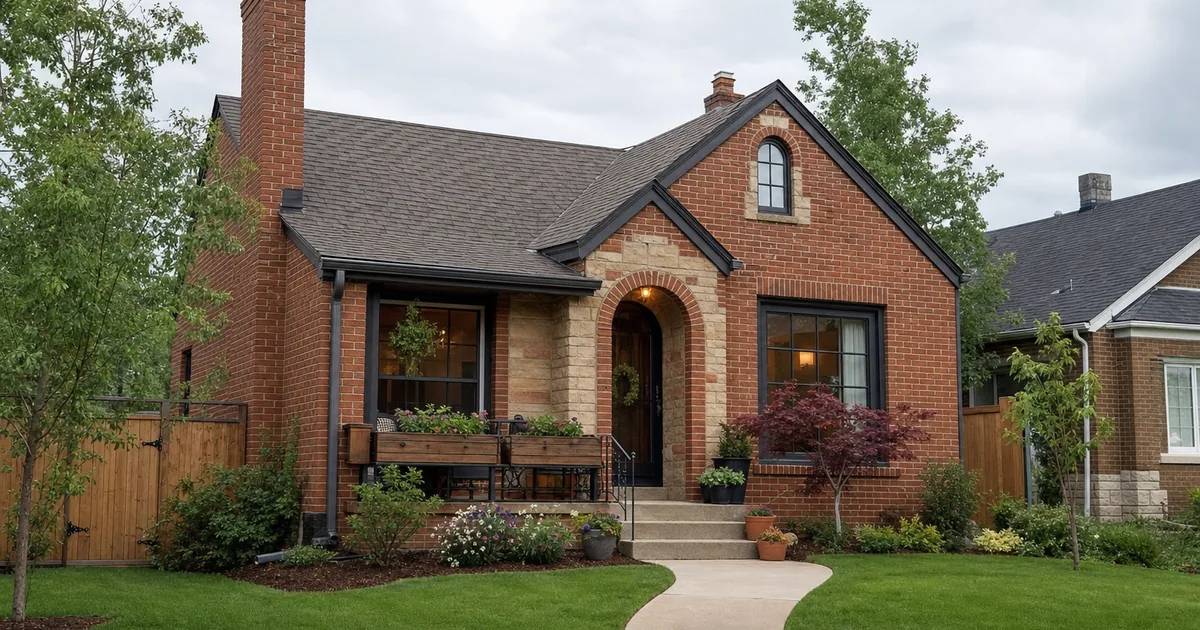
Current down payment assistance guidelines, updated from one source.
One source feeds every down payment assistance page Lendmire publishes; the Denver, CO figures below refresh when the program sheets are updated.
Of the purchase price
Assistance is sized as a share of the price, never a fixed sum: the biggest option covers the down payment and reaches closing costs, the smaller ones cover the 3.5% FHA minimum down payment, in whole or, on the lowest tier, in part.
Covers the FHA down payment, in whole or in part
The FHA minimum down payment is 3.5%, and this option covers it in whole or, on its lower tier, in part with nothing to pay back — no lien, no payment, no interest — for buyers at or below the area income limit or in a qualifying category.
On the forgivable and repayable options
Most of the options carry no income limit, so a higher-earning household qualifies the same as anyone else; only the nothing-to-repay option looks at income, at 140% of the area median, or at a qualifying category.
Credit score to start
The score that opens the nothing-to-repay option; the forgivable options start a step higher and the repayable options higher still. Two-borrower files may use a blended score on the second-lien options.
| Option | Assistance | What you repay | Credit · mortgage · units |
|---|---|---|---|
| Grant-style assistance — nothing to repay | 2% or 3.5% of the price | Nothing — released at closing | 620+ · FHA 203(b), FHA repair escrow, FHA Limited 203(k), FHA Standard 203(k) · 1–4 units |
| Forgivable second lien — three-year | 3.5% of the price | Nothing after 36 on-time mortgage payments | 640+ · FHA 203(b), FHA Limited 203(k), HUD-184, USDA · 1–2 units |
| Forgivable second lien — five-year | 3.5% of the price | Nothing after 60 on-time mortgage payments | 640+ · FHA 203(b), FHA Limited 203(k), HUD-184, USDA · 1–2 units |
| Repayable second lien — thirty-year amortization, ten-year balloon | 3.5% or 5% of the price | Second lien, 30-year amortization, balloon in year 10 | 660+ · FHA 203(b), FHA Limited 203(k), HUD-184, USDA · 1–2 units |
| Closing-cost repayable second lien | 3.5% or 5% of the price | Second lien, 30-year amortization, balloon in year 10 | 660+ · FHA 203(b) · 1–2 units |
| Refinance-cost second lien (repayable) | 1% to 3.5% of the balance | Second lien, repaid | 660+ · FHA 203(b) · 1–4 units |
Current down payment assistance snapshot · updated September 7, 2026 · six options offered in Colorado · no option requires a first-time buyer · no option combines with another assistance program · owner-occupied primary residences only.
This page describes down payment assistance at the program level. The option for any file comes from the credit tier, the first lien, the property, and the eligibility category; the first lien’s approval, the appraisal, and full underwriting decide the actual terms, subject to lender program eligibility. Nothing here is a quote, a fee, or a commitment to lend; the calculator’s rate is a market benchmark you can edit and its payment an estimate. Lendmire is never the lender and is not affiliated with FHA, USDA, HUD, or the federal government. Lendmire, LLC — NMLS #2371349. Equal Housing Opportunity.
What down payment assistance is — and how the options differ.
First-time home buyer programs are not one program; they are a family of down payment assistance options paired with a government-backed first lien, and the right one for a Denver, CO buyer depends on credit, the first lien, the property, and whether the help needs to reach closing costs.
For the program overview, see Lendmire’s down payment assistance program, or the statewide guide at Down Payment Assistance in Colorado.
Assistance covers the FHA down payment
Every purchase option for a Denver buyer is sized on the price (or the lesser of price and value), not on a fixed sum: the smaller options cover the minimum investment, in whole or, on the lowest tier, in part, and the larger repayable option covers it and reaches closing costs and prepaid items too; the refinance option is sized on the balance.
Four shapes: grant, forgivable, repayable, refinance
The options differ in what they cost to carry: a nothing-to-repay option released at closing; forgivable second liens with no interest and no payment, released after an on-time payment period; a repayable second lien, amortized with a balloon, that reaches closing costs; and a refinance-cost option for an existing FHA loan.
Credit floors, mortgage programs, and unit counts
Two-borrower files can qualify on a blended score on the second-lien options when the higher earner has the higher score and an automated approval is in hand; every borrower still needs a score of their own, and the first lien and the unit count place the file as the options table shows.
Eligibility without a first-time-buyer rule
No option requires a first-time buyer. The nothing-to-repay option asks for one qualifying category — income at or below the area limit, a community-service occupation, a first purchase, or an underserved tract — and a homebuyer education course; the second-lien options ask for neither.
The calculator below runs this math on a price you enter. Choose an assistance option offered in Colorado and add any cash of your own; it sizes the minimum investment, the assistance, what is left for closing costs, the FHA loan with its mortgage insurance, and the payment at an editable market benchmark rate.
Where Denver’s first-time and moderate-income buyers shop — and how the assistance fits.
Census housing and income data describe who buys in Denver, CO and what it costs to get in; a lender reads those figures as context for the first lien, not as underwriting inputs.
Market context only. In most markets, the renter households are the pool the program exists for: qualified for a payment close to their rent, short the cash to close; the assistance is the bridge from one to the other.
Data sources: U.S. Census Bureau — ACS 5-Year (2024) housing and population estimates, including tenure, home values, gross rents, and household income.
Distinct Denver submarkets, distinct property rules.
A down payment assistance file in Denver reads differently by submarket — condominium approval, association packages, unit counts, and USDA eligibility all shift from one to the next.
Townhomes and attached homes
Attached homes and townhomes in Denver sit at price points where the minimum investment is smaller in dollars but no easier to save; the assistance closes that gap, and the association’s documents are reviewed with the file. Median household income in Denver sits near $94,718 on the latest Census estimate.
Older neighborhoods and renovation loans
The older streets of Denver are full of homes that need work, and the assistance pairs with a renovation first lien: the assistance is figured on the purchase price, while the loan itself covers price plus repairs. Median gross rent in Denver is about $1,831 a month — the payment many renters already carry.
Condominiums close to work
Condominiums are often the entry point in Denver, and the assistance follows the first lien: the building needs FHA approval, or a single-unit approval, before the down payment help can attach to it. The median owner-occupied home value in Denver runs near $616,000 on the latest Census estimate.
Manufactured homes on owned land
For Denver buyers looking at manufactured housing, the assistance is available on owned land, with single-width homes reaching only the option that accepts them. On a home at Denver’s median value, the FHA minimum investment comes to about $21,600 — the figure the assistance is built to cover.
Small multi-unit homes, owner-occupied
A buyer who lives in one unit of a Denver duplex can use the program on the whole building; the nothing-to-repay option, which reaches four units, makes a house-hacking purchase reachable with the minimum investment covered. Denver itself counts a population near 719K.
New construction and infill
A newly built Denver home is eligible; the buyer’s own funds requirement is covered by the assistance, and the builder’s closing date is met once the first lien is approved. About 51% of Denver’s households rent — roughly 171,873 renter households, the pool the program exists for.
Market context only. The option for a Denver file comes from the credit tier, the first lien, the property, and the eligibility category, never from the submarket.
Four ways Denver buyers put down payment assistance to work.
The same assistance serves several purposes in Denver, CO; four of the most common are below.
Cover closing costs too on the larger option
The larger option exists for the Denver, CO closing where the down payment is only half the problem: it carries the minimum investment and a further share for costs.
Buy a first home with the down payment covered
The most common Denver, CO file: an FHA first lien, the assistance covering the minimum investment, and the buyer’s own funds reserved for moving costs and reserves.
Pair the assistance with a USDA or HUD-184 mortgage
A Denver, CO buyer on a USDA or HUD-184 first lien uses the second-lien options, forgivable or repayable; the nothing-to-repay option pairs only with FHA first liens.
Buy a home that needs work with a renovation mortgage
For an older Denver home, the renovation first lien and the assistance fit together, with the assistance measured on the purchase price rather than the repaired value.
Size the assistance on a Denver price before requesting a quote.
This tool applies the program to a Denver scenario: the price sets the minimum investment, the option and your cash set the down payment, and the FHA loan, mortgage insurance, and payment follow at the benchmark rate shown. Every field is editable; the rate is a market reference, not a quote.
Denver FHA payment with assistance
A Denver scenario to start from — adjust the price, the option, your own cash, the term, and the rate to see the assistance and the payment.
Editable benchmark: 7.28% as of October 1, 2026 · Freddie Mac 30-year average via FRED®. A conventional market reference, not an FHA loan quote.
Illustrative starting assumptions: a $600,000 price near Denver’s median owner-occupied home value, the strongest assistance option offered in Colorado applied against the FHA minimum investment, a thirty-year term at the current Freddie Mac benchmark, property taxes and insurance estimated for Colorado (U.S. Census Bureau). Every field is editable.
Illustrative estimate only — not a Loan Estimate, approval, quote, or commitment to lend. The rate field carries the weekly Freddie Mac thirty-year conventional benchmark, a market reference and not an FHA loan quote; your rate is set by the lender at lock. FHA mortgage insurance follows HUD’s published schedule for the term, leverage and loan size entered; taxes, insurance and dues are editable estimates; closing costs are not included; a repayable second lien adds its own payment, which is not shown here. Consumer mortgage lending licensed in sixteen states. Lendmire is not affiliated with or acting on behalf of FHA, USDA, HUD, or the federal government.
Same buyer, three very different closings.
A Denver, CO buyer can reach the closing table several ways; the difference is where the minimum investment comes from and what it costs to carry afterward.
Assistance on an FHA loan, your own down payment, or assistance on a USDA or HUD-184 loan.
The structure for a Denver buyer who qualifies for the payment but not the cash to close — the help is sized on the price and the option decides what, if anything, is owed afterward.
For a Denver, CO buyer with the cash in hand, the plain FHA purchase is the cleaner file; the assistance exists for the buyer who does not have it yet. For the first lien itself, see Lendmire’s FHA loan program.
USDA and HUD-184 first liens pair with the forgivable options and the ten-year repayable option on a Denver, CO file; the separate closing-cost option is FHA only. For the USDA first lien, see the USDA loan program.
Choose by what you have: cash for the minimum investment, family who can gift it, a USDA-eligible property, or none of those — the assistance is for the last case, and the most common one.
What to prepare for a Denver scenario review.
A typical starting file for a first purchase with assistance.
This is a general preparation guide, not a universal checklist. The selected lender may request additional information based on the mortgage, the assistance option, the property, and the eligibility category. Nothing here is legal or tax advice.
Local details that can change the loan.
A down payment assistance file in Denver, CO is won or lost on details a plain purchase never meets: the eligibility category, the forgiveness clock, the balloon on the repayable option, the county loan limit, the property type.
Use these checks to keep the Denver file clean and fundable.
The checks below keep a Denver assistance file on track, and each one comes from the option’s own terms rather than from a lender’s preference.
- Know the option: choose by cost to carry first, amount second.
- Confirm the category: settle which category applies before the application is signed.
- Confirm the property: check condominium approval and manufactured-home width.
The option decides what you owe afterward
The same minimum investment can be covered three ways on a purchase in Denver, CO, and the difference is entirely in what happens after closing: nothing, nothing if the first lien stays current, or a second loan that comes due; the options table shows what is offered.
The eligibility category for the nothing-to-repay option
For a Denver buyer, the category question is worth answering early: a buyer inside the income limit or in a qualifying occupation reaches the nothing-to-repay option; a buyer outside every category uses the forgivable or repayable second liens, which carry no income limit.
Property type and unit count select the option
The property itself can move a Denver, CO file: a fourplex, a single-width manufactured home, or an unapproved condominium project each changes which option can attach, so the address is read before the option is promised.
No stacking with other assistance
No option may be combined with another down payment assistance program in Denver, CO, and the nothing-to-repay and forgivable options do not combine with a high-balance first lien; one assistance option, one first lien, one closing.
The balloon on the repayable option
The repayable second lien amortizes over thirty years but comes due in the tenth year; it carries interest and a monthly payment, its own loan number, and a balloon disclosure. It is the option that reaches closing costs, and it is a loan.
From a Denver pre-approval to keys with the assistance in place.
The process for a Denver, CO purchase with assistance is deliberate, because the details around the assistance are what stall closings.
Pick the option
Every Denver file starts with the option and the first lien; the category, the homebuyer education course and the property rules are then settled around them, in that order.
Get the mortgage approved
The first lien’s approval carries the file; the assistance is arranged alongside it, with the eligibility category and the education certificate in hand where they apply.
Clear the property
The appraisal, the condominium approval where one applies, the manufactured-home title, and the county loan limit are settled; small repairs go into an escrow holdback where the option allows it.
Close both loans together
The Denver closing carries both instruments: the first lien and the assistance, each documented on its own and closed together, with the education certificate in the file where it applies.
A brokerage that pairs the assistance to the loan.
An assistance file rewards preparation, and preparation is what a brokerage built for first-time and moderate-income buyers provides.
The option, matched to the buyer
A Denver scenario is placed on the right option first — the credit tier, the first lien, and the category — and the rest of the file is then built to fit it, before anything is ordered.
The mortgage, matched to the property
FHA, USDA, or HUD-184 is chosen with the Denver property — its address, its unit count, its type — so the assistance option that pairs with it is the one that attaches.
The right wholesale program
Assistance programs differ across wholesale lenders in what they offer and where; Lendmire places a Denver, CO file where its credit, its first lien, and its property read best, subject to lender program eligibility.
Trusted by first-time buyers & families alike.


Denver down payment assistance FAQs
Plain answers to the questions Denver buyers ask most about down payment assistance, before you request a review. Every file is underwritten individually; nothing here is a commitment.
Do I have to be a first-time homebuyer?
No. None of the options requires a first-time buyer. Being a first-time buyer is one of four categories that opens the nothing-to-repay option; the second-lien options have no first-time-buyer rule and no income limit at all.
Is there an income limit?
For most of the options, no. The forgivable and repayable second liens carry no income limit at all. The nothing-to-repay option is the one that looks at income, and even there a qualifying occupation, a first purchase, or an underserved census tract opens it as an alternative to the income test.
What first-time home buyer programs are available in Denver?
Four shapes paired with a government mortgage: a nothing-to-repay option released at closing; forgivable second liens with no interest and no payment, released after an on-time payment period; a repayable second lien with a balloon that also reaches closing costs and prepaids; and a refinance-cost option for an existing FHA loan. The options table on this page shows what is offered in Colorado.
Do I have to pay the assistance back?
A nothing-to-repay option is released at closing with no lien and no payment. The forgivable second liens also cost nothing — no interest, no payment — as long as the mortgage stays current through the forgiveness period, and they pair with USDA and HUD-184 mortgages as well as FHA. The repayable options are loans, with a monthly payment and a balloon.
What credit score do I need?
It depends on the option. The lowest floor belongs to the nothing-to-repay option; the second-lien options start higher, and the mortgage’s own rules apply on top.
Which mortgages can the assistance be used with?
FHA on every option, with the repair-escrow and renovation programs where the options table allows them and the standard FHA loan alone on the closing-cost and refinance options; USDA and HUD-184 on the forgivable and repayable second liens (the closing-cost repayable option, the one that also reaches prepaid items, is FHA only). Conventional first liens are outside the program.
Can the assistance cover closing costs too?
Yes, on the larger repayable option, which covers the minimum investment and a further share of the price for closing costs and prepaid items, including costs paid outside closing. The nothing-to-repay and forgivable options cover the minimum investment only.
What is the repayable option and when does it make sense?
It is a loan — the repayable options are the only purchase options with a payment — in exchange for covering the most. A Denver buyer chooses it for the closing-cost coverage or the high-balance pairing.
Can I use the assistance on a second home or a rental?
Primary residences only. Investment properties and second homes are outside the program.
Do I need a homebuyer education course?
Required on one option, optional on the rest; schedule it early if the nothing-to-repay option is the plan.
Talk through a Denver assistance file before the contract is signed.
A first read of a Denver assistance scenario takes a few minutes and commits you to nothing; the option, the category, and the property rules are explained before anything is ordered.
This guide covers Denver — for the statewide options, categories, and property rules, see Down Payment Assistance in Colorado, part of Lendmire’s down payment assistance program.
Nearby markets in Colorado: Aurora · Commerce City · Thornton · Centennial · Westminster · Lakewood · Arvada · Broomfield
Related programs: FHA Loans · USDA Loans · FHA 203(k) Rehab Loans