
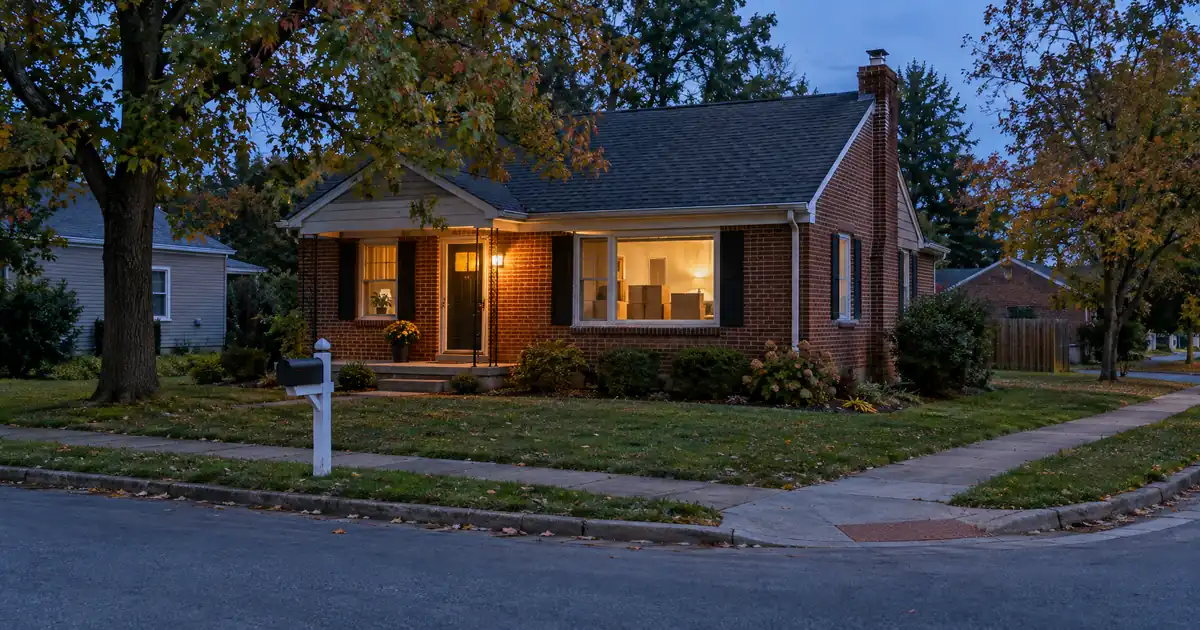
The Quick Read: Start by sorting the problem into one of three types: value, condition, or paperwork. A low value means the loan is sized on the lower number, so the gap is covered by a price cut or by your own cash. A condition flag means something must be fixed or inspected before closing. A paperwork gap means the builder documents or completion evidence are missing. Each type has a different owner and a different fix.
Key Takeaways
- FHA sizes a purchase loan on the lesser of the price or the appraised value. The gap between the two is not reviewable.
- Lenders cannot change an appraiser’s opinion. Your leverage is the contract, the builder, and your cash.
- Condition problems and paperwork problems are separate from value problems. A good value does not clear a missing builder certification.
- Ask your lender what its current reconsideration process is. Do not assume a formal appeal exists.
- Builder credits above the allowed level can reduce the loan basis, so read them before you accept them.
What Counts as New Construction for FHA?
New construction covers more than a lot with a slab. HUD’s Handbook 4000.1 glossary groups three stages under that label: proposed construction, under construction, and existing less than one year.
- Proposed: no concrete or permanent material has been placed yet. Digging footings does not count.
- Under construction: the first permanent material is in, and the home is not yet 100% complete with a certificate of occupancy or equivalent.
- Existing less than one year: the home is complete and has never been occupied. It still counts as new construction, so the builder certification and warranty rules still apply.
FHA payment estimate
Starting assumptions reflect an example price and the FHA minimum investment. Replace them with your own figures.
Editable benchmark: 7.32% as of October 22, 2026 · Freddie Mac 30-year average via FRED®. A conventional market reference, not an FHA loan quote.
Illustrative starting assumptions: a $350,000 price, the FHA minimum investment as the down payment, a thirty-year term at the current Freddie Mac benchmark, and property taxes and insurance estimated at typical national rates. Every field is editable.
Illustrative estimate only — not a Loan Estimate, approval, quote, or commitment to lend. The rate field carries the weekly Freddie Mac thirty-year conventional benchmark, a market reference and not an FHA loan quote; your rate is set by the lender at lock. FHA mortgage insurance follows HUD’s published schedule for the term, leverage and loan size entered; taxes, insurance and dues are editable estimates; closing costs are not included; county loan limits are not checked here. Licensed in sixteen states for consumer mortgages. Lendmire is not affiliated with or acting on behalf of FHA, HUD, or the federal government.
Manufactured homes and condominiums have their own variations. The inspection details differ for each.
The rules sit in HUD Handbook 4000.1, the FHA single-family policy handbook. HUD’s Mortgagee Letter 2020-36 reset the new-construction requirements. It dropped the early start letter and the pre-approval path. It also folded the requirements into one set that applies regardless of loan-to-value. Older guides still describe a 90% cap for new builds. That cap is gone.
What Goes Wrong: Value, Condition, or Paperwork?
Across the files placed with wholesale lenders, new-build FHA problems fall into three buckets. Sort yours first, because the fix depends on the bucket.
| What went wrong | What it means | Who acts | First move |
|---|---|---|---|
| Low value | Appraisal under contract price | Buyer and builder | Get the report, audit it, talk price |
| Condition flag | Property standard issue noted | Builder, then lender | Get the fix and proof of it |
| Specialist inspection | Item outside appraiser’s scope | Builder and lender | Order the named inspection |
| Incomplete at final | Items left undone | Builder | Complete, then re-inspect |
| Missing builder papers | Certifications or warranty form absent | Builder | Request the forms in writing |
| Occupancy certificate lag | Home done, certificate not issued | Builder and local office | Track the issuance date |
A buyer who treats a paperwork gap as a value problem wastes time arguing comps. A buyer who treats a value problem as paperwork waits for a fix that never comes.
How the Appraisal Works on a New Build
The appraiser reports the stage of construction on the Uniform Residential Appraisal Report. Per HUD’s appraisal report and data delivery guide, the appraiser marks existing, proposed, or under construction. For proposed and under-construction homes, the report lists the current year as the year built. FHA appraisals go through HUD’s electronic delivery portal.
The appraiser also checks the property against HUD’s minimum property standards. Any deficiency gets reported, along with its effect on value. The appraiser is not a home inspector. A visible concern can still trigger a call for a qualified specialist.
Behind the appraisal sits the builder’s paper trail. HUD’s mortgagee letter on new construction requires the builder’s certification of plans, specifications and site (Form HUD-92541), the warranty of completion (Form HUD-92544), and the required inspections. The warranty form is now required on all new construction. The old ten-year protection plan rules were eliminated, and the one-year builder warranty on that form took their place.
The inspection options depend on the stage. For proposed construction, the lender can rely on a building permit plus a certificate of occupancy or equivalent. It can also rely on inspections by the local authority, an ICC-certified inspector, or a registered architect or structural engineer. The architect and engineer option matters most where no ICC-certified inspector is available or no permits are issued. Details vary by lender, so ask which documents your lender needs and in what form.
If the Value Comes In Low
A low value is the most common new-build problem. The rule behind it is plain. For an FHA purchase, the adjusted value is the lesser of the purchase price (less any inducements) or the appraised value, per the HUD glossary. The loan is sized on that lower number.
Here is what that means for the file. The program allows financing up to 96.5% with a 3.5% minimum investment at a 580 or higher decision score. Both percentages apply to the lesser figure, not the contract price. If the appraisal lands under the price, the loan shrinks. The difference is yours to cover or to negotiate away. (Subject to lender guidelines and full file review.)
The first-week checklist
1. Get the report. The CFPB says your lender must send you a copy of the appraisal, and that lenders cannot interfere with the appraiser’s judgment. Under the Regulation B appraisal rule, you get a free copy and a written notice of that right at application. The lender may charge a reasonable fee for the appraisal itself.
2. Audit it against your contract. Check the floor plan, square footage, listed options, lot features and completion assumptions. A model mismatch or a missed upgrade is the kind of factual error that can be corrected.
3. Check the comparables. New builds have few true comps. Models, options and lot premiums differ, so a comp set can miss the mark. Note any recent sales the appraiser missed.
4. Ask the lender about reconsideration. Reconsideration of value is a written request citing errors or missed sales. HUD added a borrower-initiated reconsideration process in a 2024 mortgagee letter, then rescinded it in ML 2025-08. So do not count on a formal FHA appeal. Ask what your lender’s current process is, and send your evidence in writing.
5. Open the price conversation. The CFPB suggests using a low appraisal to ask the seller for a price reduction. On a new build, the seller is the builder, and builders often have more room to move on options and credits than on base price.
Your options, side by side
| Option | Upside | Downside | Who bears the cost |
|---|---|---|---|
| Renegotiate price | Gap closes | Builder may refuse | Builder |
| Builder concession | Keeps list price | Counts against the loan basis | Builder, with limits |
| Bring more cash | Deal stays intact | Cash outlay rises | Buyer |
| Reconsideration | Fixes real errors | No promise of change | Neither |
| Walk away | Limits overpaying | Lose time and the build slot | Depends on contract |
It is very risky to buy a home for more than its appraised value. Paying the gap in cash is allowed, but it is a real decision. It is cash that cannot go to reserves or moving costs.
The incentive trap
Builder credits can backfire. Under FHA rules, seller or interested-party contributions above 6% of the price, or above actual closing costs, are treated as an inducement to purchase. The program allows contributions up to 6%. Anything beyond that reduces the value used for the loan dollar for dollar. A “free” upgrade package or a large credit can therefore shrink the loan you qualify for. Ask for the credit structure in writing before you sign off on it.
Mortgage insurance and a low value
A low appraisal also leaves a long shadow. HUD measures the annual premium cancellation against the lesser of the initial sales price or the appraised value at origination, per its mortgage insurance guidance. On a thirty-year loan above 90% LTV, the annual premium runs the full term. At or below 90%, it ends after eleven years. Putting in more cash at the start can change which side of that line you land on. These specifics are subject to lender guidelines and a full review of property, leverage, and credit.
If the Appraiser Flags Conditions
A condition flag is not a value problem. The appraiser notes a deficiency against the minimum property standards, and the lender conditions the loan on a fix or a specialist’s report.
New builds fail differently than older homes. Typical flags run to unfinished final grading or drainage, incomplete exterior items, and safety items left open at the final walk. Most of these are the builder’s to fix, not yours. They are not wear and tear.
Keep the fix chain simple:
1. Get the flag in writing from the lender, not by phone.
2. Send it to the builder with a request for a completion date.
3. Collect proof when the work is done: photos, permits, and the final inspection sign-off.
4. Ask whether the lender wants a re-inspection or accepts the documents.
A rehab loan is sometimes suggested for major repairs. It rarely fits a new build, where the builder should deliver the home complete. If the defects are major, the stronger move is usually to hold the builder to the contract or to step back.
If Paperwork Stalls the File
Paperwork failures are the quiet ones. The value is fine and the home looks done, but the file cannot move.
The usual causes are a missing or unsigned builder certification, a warranty form that was never delivered, and a final inspection that has not happened. The certificate of occupancy can also lag behind physical completion. HUD’s new-construction mortgagee letter puts the builder certification, the warranty form and the required inspections in the case binder. Some lenders also want the builder’s certification to be recent when the appraisal is ordered, but the exact window is a point to confirm in the current handbook.
Timing matters here for a second reason. The initial FHA appraisal stays valid for 180 days from its effective date, per ML 2022-11. A long delay can push you past that window. How the window applies to a home still under construction at the appraisal date is a question for your lender.
Protect Yourself in the Contract
Read these items before an appraisal ever comes back:
- The appraisal contingency. Does it let you cancel or renegotiate if the value is low?
- FHA amendatory language. FHA purchase contracts typically carry a clause that protects the buyer’s earnest money if the value is short. Under that clause, you may usually proceed anyway if you choose to cover the difference. Have your lender or agent confirm the exact wording against the FHA forms.
- Any shortfall clause. Some builder contracts shift appraisal risk to the buyer.
- Credits and incentives. Check them against the 6% contribution limit.
Earnest money is where buyers get hurt. Know whether you can walk away with it before you start negotiating.
Down Payment Assistance and a Low Appraisal
Assistance sized on the lesser of price or value may shrink when the appraisal is low. Grant-style assistance sized as a percentage of the price may not. Ask your lender which type you have before the appraisal, not after. Then you can see whether a low value hurts twice.
A Scenario Without the Dollars
Picture a buyer under contract on a home that is 100% complete and less than a year old. The appraisal comes in a few percent under the price. The buyer’s loan is built at 96.5% of the lower value, with the 3.5% minimum investment on that same figure. The gap sits on top.
The buyer has four moves. Audit the report for factual errors. Ask the builder for a price cut. Bring cash for part of the gap. Or use the contract’s contingency to step back. Meanwhile the builder certification and warranty form still need to be in the file. Fixing the value does not fix the paperwork. Both have to clear.
Key Terms Defined
- Adjusted value: the lesser of the purchase price (less inducements) or the appraised value, used to size an FHA purchase loan.
- Reconsideration of value: a written request asking the appraiser to review errors or missed comparable sales.
- Inducement to purchase: seller or builder contributions above the allowed limit that reduce the value used for the loan.
- Certificate of occupancy: the local sign-off that a home is complete and legal to occupy.
- Form HUD-92544: the builder’s warranty of completion, required on all FHA new construction.
- Minimum property standards: HUD’s baseline for safety, soundness and security that the appraiser checks.
Common Misconceptions
- “The lender can raise the appraisal.” It cannot. Lenders may not interfere with the appraiser’s judgment.
- “FHA lets me finance the gap.” It does not. The loan is sized on the lesser figure.
- “New construction caps at 90% LTV.” That limit was removed in 2020.
- “I am guaranteed a formal appeal.” The borrower-initiated process was rescinded.
- “I cannot see the appraisal.” You are entitled to a free copy. Terms depend on the lender’s guidelines, the property type, the leverage, and a full review of the credit profile.
Where Lendmire Fits
The brokerage arranges FHA loan programs through wholesale lenders, with consumer lending licensed in 16 states. For the related questions, see Lendmire’s piece on whether a seller can fix an FHA appraisal problem, Can a Seller Fix an FHA Appraisal Problem on New Construction? If you are buying a home and want to see whether an FHA loan fits your file, Lendmire can help you compare the options and what each one asks of the file. Program figures are subject to lender guidelines and full file review, and nothing here is a commitment to lend.
Frequently Asked Questions
Can I ask for a second appraisal on a new build?
Not as a matter of right. A second opinion usually depends on the lender’s process and on whether you have documented errors or missed sales to support it. Ask the lender what it accepts. A written request with evidence is the only version with a realistic chance.
Who pays if the appraisal comes in under the price?
You and the builder sort it out. The loan is sized on the lower value, so the gap is covered by a price reduction, by your cash, or by a mix. FHA does not finance the difference. A builder concession can help, but credits above the allowed level reduce the loan basis.
Do I lose my earnest money if I walk away?
It depends on your contract. FHA purchase contracts typically include amendatory language that protects earnest money when the value is short, and an appraisal contingency can do the same. Have your lender or agent read your exact wording before you decide.
Who fixes a condition flagged on a new build?
Usually the builder, since the home should be delivered complete and to standard. The lender will want written proof of the fix, and may want a re-inspection or a specialist’s report. Keep the flag and the builder’s reply in writing.
Does a builder credit count against my loan?
Yes, it can. Contributions above 6% of the price, or above actual closing costs, are treated as inducements and reduce the value used to size the loan. Credits within the limit generally do not. Get the credit structure in writing early.
For your own numbers, request a scenario review with Lendmire.
About Lendmire
Lendmire (NMLS# 2371349) is a mortgage brokerage serving homeowners and home buyers in 16 states. FHA, VA, conventional and jumbo purchase and refinance loans are arranged through wholesale lending channels; Lendmire brokers the financing and the lender underwrites each application. Scotsman Guide named Lendmire a Top Mortgage Workplace in both 2025 and 2026.
Get Started
Ready to find the right loan for you?
In about 30 seconds you can review financing options available for your home or investment property. No commitment required.
Informational only. Not a Loan Estimate, approval, or commitment to lend. Program availability and eligibility are subject to lender guidelines, credit approval, property review, and underwriting.
References
1. HUD Handbook 4000.1 Glossary
3. HUD ML 2020-36, FHA New Construction Requirements
5. CFPB: My appraisal is less than the sale price
6. CFPB Regulation B appraisal final rule
8. HUD Equity Saver/MIP cancellation excerpt
This article is part of Lendmire’s FHA loan program — full qualification details, guidelines, and scenarios live on the program page.
Related reading: How to Refinance an Existing FHA Loan Into Conventional · How to Handle a Low Appraisal Refinancing an Existing FHA Loan · How to Buy a New Build With an FHA Loan as a First-Time Buyer
Brandon Miller
Founder & CEO, Mortgage Loan Originator, Lendmire LLC
- Mortgage Loan Originator · NMLS# 1129696 · Verify on NMLS Consumer Access
- North Carolina Real Estate Broker · License# 343312 · Verify on NCREC
- North Carolina Insurance Producer · License# 19053198 · Property, Casualty, Life, Health · Verify on NAIC SBS
- Lendmire LLC · Firm NMLS# 2371349 · Verify firm licensure
Compliance and disclosures. Lendmire (NMLS# 2371349) is a licensed mortgage broker and is not a direct lender, depository institution, financial advisor, or tax professional. Content in this article is general market analysis and educational information — not financial, legal, or tax advice for any specific situation. Lendmire does not guarantee loan approval; every transaction is subject to underwriting by the funding lender. Mortgage pricing and loan program guidelines are subject to change at any time without notice and vary by borrower characteristics, property type, and state regulations. Lendmire complies with Equal Housing Opportunity. Licensure verification: NMLS Consumer Access.