
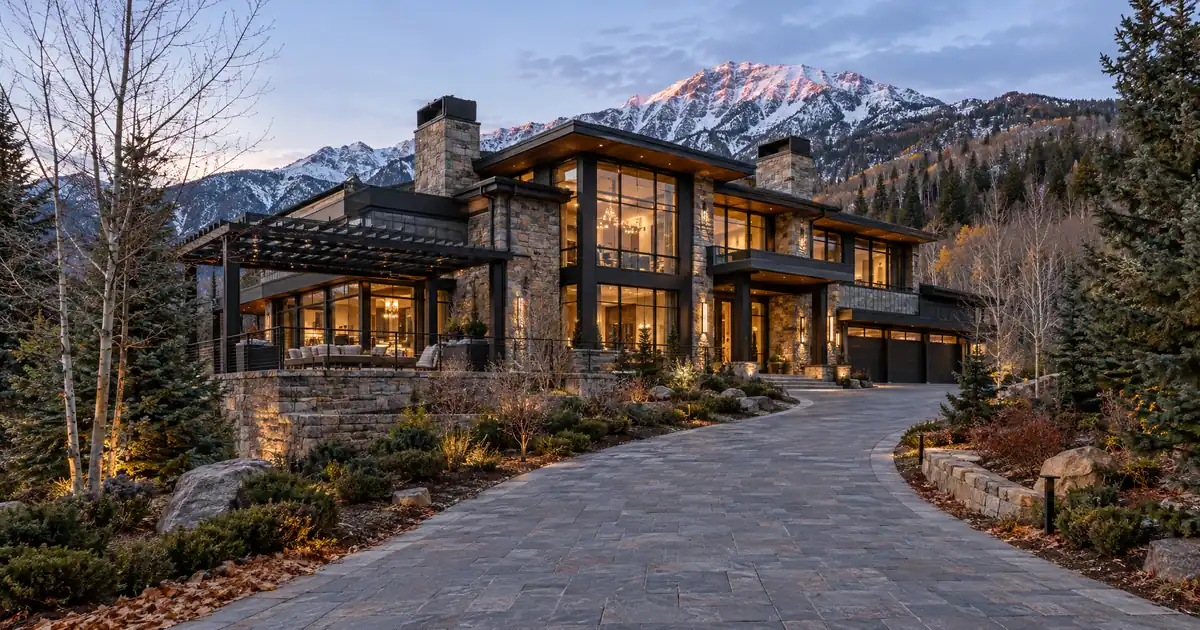
The Quick Read: The loan amount picks your lane, not the price of the house. A high-balance loan is still a conforming loan, just one sized above the national baseline in a higher-cost county. A jumbo loan starts one dollar above that county’s limit and follows each lender’s own rulebook. High-balance suits buyers whose loan fits under the county cap and who want agency-style rules. Jumbo suits buyers who need more room, or whose second home doesn’t fit the agency mold.
Key Takeaways
- Your county’s limit decides the lane. The same loan can be high-balance in one county and jumbo in the next.
- High-balance follows agency guidelines. Jumbo follows the lender’s or investor’s own guidelines, so the file and the lane have to match.
- A second home must be a one-unit property you will use personally. That rule shapes both lanes.
- A bigger down payment can pull a loan under the county limit. It can also drain the cash you need for reserves.
- Neither lane is “better.” Each wins in specific situations, covered below.
Side-by-Side
Here is the quick comparison for a buyer financing a second home. The program figures on the jumbo side come from the wholesale lanes Lendmire’s team places files with, and every one is subject to lender guidelines and full file review.
Jumbo payment estimate
The starting figures are an example price in the jumbo range with ten percent down on a thirty-year fixed. Replace them with yours.
Editable benchmark: 7.32% as of October 22, 2026 · Freddie Mac 30-year average via FRED®. A conventional market reference, not a jumbo loan quote.
Illustrative starting assumptions: a $1,000,000 price in the jumbo range, ten percent down on the top-leverage lane, a thirty-year fixed structure at the current Freddie Mac conforming benchmark, and property taxes and insurance estimated at typical national rates. Every field is editable.
Illustrative estimate only — not a Loan Estimate, approval, quote, or commitment to lend. The rate field carries the weekly Freddie Mac thirty-year conforming benchmark, a market reference and not a jumbo loan quote; jumbo rates are set by the lender and the lane at lock and differ from the conforming benchmark. An adjustable-rate scenario is shown at the benchmark for the whole term; the rate after the initial period is unknown. Reserve months and appraisal counts follow the lane sheet for the amount band; the automated finding may require more. Taxes, insurance and dues are editable estimates; closing costs are not included. On most lanes the conforming limit for the county decides whether a loan is jumbo at all; two lanes start at a stated dollar floor instead. Licensed in sixteen states for consumer mortgages.
| Factor | High-Balance Conventional | Jumbo |
|---|---|---|
| Loan size | Above baseline, up to county cap | One dollar above county limit |
| Leverage | One-unit second home: up to 90% | Lane-specific; some reach 89.99% CLTV, others stop at 80% |
| Credit floor | Whole-file review, no single universal score | 660 decision score on the headline lane |
| Debt ratio | Set by agency underwriting | 50% fixed lanes; 45% adjustable; 43% on interest-only lanes |
| Mortgage insurance | Generally applies above 80% leverage | Handled lane by lane |
| Reserves | Agency and lender requirements | Months of full payment, rising with loan amount |
| Documentation | Full income, asset and credit package | Full package; appraisals scale with amount |
Three rows deserve a closer look. Leverage on a second home runs lower than on a primary residence in the agency system. The agency eligibility matrix shows a one-unit second-home purchase topping out at 90% leverage, versus 97% for a principal residence. Jumbo lanes set second-home leverage on their own, lane by lane. Final terms depend on the lender’s guidelines, the property type, and the borrower’s complete credit picture.
Credit works differently too. Agency underwriting looks at the whole file rather than a single universal floor. Jumbo lanes post a score. Across the wholesale programs Lendmire places files with, the headline jumbo lane works from a 660 decision score. Some lenders set a higher floor on their own.
Finally, reserves. On jumbo files, the lender wants a set number of months of the full payment in the bank after closing. That number rises as the loan amount rises. On a second home, you are asking a lender to trust you with two housing payments, and reserves are how the file proves you can carry both.
Want to see these lanes in more detail? Lendmire’s jumbo loan programs page lays out the structures, from fixed to adjustable to interest-only.
What Actually Separates the Two
Start with the line itself. Every county has a conforming loan limit. Below it, you are in standard conforming territory. Above it, you are in jumbo territory. In between sits a stretch that only exists in higher-cost counties, and that stretch is the high-balance zone.
Many buyers assume price decides this. It doesn’t. Put 30% down on an expensive house and your loan may land under the county cap. Same home, different lane. Lender guidelines and a complete review of property type, leverage, and credit still apply.
The industry word “jumbo” also confuses people. It describes loan size, not property quality. Ordinary homes in expensive areas often need jumbo loans. A cabin or condo can be jumbo without being luxurious in any sense.
The county cap is not a fixed number. The federal housing regulator FHFA sets the baseline each year and allows higher limits in counties where home values run high. The law caps those higher limits at 150% of the baseline. Alaska, Hawaii, Guam and the U.S. Virgin Islands have their own special limits. Look up your county’s number before you shop, and compare it to the loan amount, not the price.
Here is a nuance few buyers hear. In a county with no elevated limit, jumbo starts at the baseline, which is lower than the high-balance ceiling elsewhere. So “jumbo” is a different dollar amount in different places. Your county decides.
When High-Balance Conventional Is the Better Fit
High-balance usually wins when your loan fits under the county cap and your second home looks like the property the agencies expect. That means a one-unit home, used personally, with no rental arrangement attached. In that case you get agency rules with a bigger loan amount.
Here are the situations where it tends to fit best.
Your file is strong but not unusual. Agency underwriting runs your file through its automated system and looks at the whole picture: credit, income, assets and the full second-home payment. Fixed score cutoffs don’t drive every decision the way a posted floor does. A buyer with solid credit and ordinary income often finds this the smoother route.
You want a predictable rulebook. Agency guidelines are published. Lenders layer their own rules on top, but the base is common to every high-balance file. Jumbo guidelines, by contrast, differ from one lender to the next.
You’d rather not hold large reserves. Jumbo lanes scale reserves with the loan amount. Agency files carry reserve requirements too, but a loan sized inside the conforming range doesn’t climb the same ladder. Leverage, reserves, and pricing vary by lender and program; the final terms follow the full file review.
Your loan sits just over the baseline. If your county has an elevated limit, a modest loan above the baseline may still be conforming. You get agency treatment without crossing into non-conforming territory at all.
There is a trade-off. Agency second-home rules are strict about what counts as a second home. Rental pools are out. So is a property where a management company controls when you can stay. If your plan involves either, high-balance may not be available.
(Yes, the “conforming jumbo” label some consumer pages use for these loans does make the vocabulary harder than it needs to be.)
When a Jumbo Loan Is the Better Fit
Jumbo wins when the loan simply doesn’t fit under the county cap, when the property doesn’t fit the agency mold, or when you want a structure the agency lane doesn’t offer. It is also the lane with the most room: across the wholesale programs Lendmire works with, the largest lanes reach loans of $5,000,000.
Look at where jumbo earns its place.
The loan is over the county limit, and a bigger down payment isn’t practical. If putting more down would drain your liquid cash, jumbo lets you keep it. That matters on a second home, where you still need money for the first one.
You want structure choices. Jumbo lanes come in fixed, adjustable and interest-only versions. Each has its own ratio ceiling, as the table shows. If you expect your income or plans to change, a different structure may suit you better than the standard agency product.
The property is unusual. Some second homes are condos that fail the agency’s project review. Two of the wholesale lanes accept non-warrantable condominiums. That is a real advantage for vacation condos in buildings with heavy rental activity or unusual ownership structures.
The home has an accessory dwelling unit. Agency appraisal policy treats ADUs under specific conditions, and a second home with a guest house or garage apartment can still run into limits on how the property is classified or appraised. In some cases a jumbo path may fit better. Whether a given lender accepts it depends on its own guidelines.
You want a higher leverage lane that fits your file. Several jumbo lanes reach 89.99% combined loan-to-value, while others stop at 80%. Where a second-home file lands depends on the lane, the amount, and the borrower. This is why reading the guidelines for your specific loan matters more than any general rule.
Jumbo isn’t exempt from consumer protections. The federal ability-to-repay rule applies to jumbo and conforming loans alike, and jumbo loans have to meet qualified mortgage requirements of their own. The federal test for higher-priced mortgages also sets a different threshold for jumbo first liens. Both facts are worth knowing so a jumbo loan doesn’t feel like the Wild West.
Also, jumbo appraisals scale with size. Above a lane’s threshold amount, two appraisals are required. Budget the time and the cost.
Second-Home Rules That Change the Comparison
A second home has to be a place you actually use. Agency guidelines are specific, and they shape both lanes because many jumbo lenders borrow the same idea.
Here is the checklist the agencies use.
- It must be a one-unit property.
- You must occupy it for part of the year.
- It must be suitable for year-round occupancy.
- You must have exclusive control over it.
- It can’t sit in a rental pool or under an arrangement where a manager controls occupancy.
Second-home guidelines limit a borrower to ten financed one-to-four-unit properties, counting the subject and the primary home.
Now the question every second-home buyer asks: what about renting it out? Occasional rental doesn’t automatically change the property’s classification. But rental income generally can’t be used to qualify under second-home rules. Your full second-home payment counts toward your debt ratio, so your income has to carry both homes. If rental income is the plan for making the numbers work, a different kind of loan is the right conversation, and that sits outside this article.
Misstating how you’ll use the home is a mistake to avoid. Occupancy is a representation you make on the application, and getting it wrong carries legal and financial risk. Tell the loan officer the real plan. A good one will steer you to a structure that fits.
Occupancy also drives leverage on the jumbo side. Primary, second-home and investment occupancy each carry lane-specific leverage. In plain terms, the occupancy type you declare decides how much you can borrow.
The Boundary Buyer: Stay Under the Line or Cross It?
If your loan sits close to the county limit, you have a real decision. Consider a buyer who puts 10% down on a vacation home and finds the loan lands slightly over the cap. Raising the down payment to 15% might bring it under. Now the file runs on agency rules instead of a lender’s own. Terms vary by lender guidelines, property type, leverage, credit profile, and full file review.
Is that the right move? Not automatically. Three questions help.
1. What does the extra cash do elsewhere? If it comes out of your reserves, you may trade one hurdle for another. A thin cash cushion hurts on any file.
2. Does the agency lane fit the property? If the home has an ADU or sits in a condo project that fails agency review, the lower loan amount doesn’t help.
3. How much does the mortgage insurance mechanic change? Agency loans above 80% leverage generally carry mortgage insurance, which can be cancelled once the balance falls to 80% or below. Jumbo lanes handle this differently from lane to lane. Ask for the details on your Loan Estimate and compare the full terms, not just the headline loan amount.
The county limit moves too. FHFA typically announces the next year’s limits in late fall, and they take effect January 1. A loan that is jumbo today could become high-balance after an increase, and the reverse is rare but possible in a limit-flat county. Some lenders also publish their own early limits ahead of the official number. Those are lender programs, not FHFA limits, so they don’t change what the agencies buy.
The stronger play for many boundary buyers is to price both paths side by side. Ask for a Loan Estimate on each. Looking at the full cost, reserves, and cash to close together usually makes the answer plain. It’s close to a toss-up on paper, and the file details break the tie.
A broker earns its keep here. Lendmire arranges jumbo loans through wholesale lenders, and the team sees both lanes on files every week. A common pattern: a buyer assumes jumbo is the only road, then learns that a modest change in down payment opens the agency lane. The reverse also happens, where a buyer chases the agency lane and runs into a property problem that jumbo handles easily. Looking at both before you commit is cheap insurance.
Common Mistakes Buyers Make
A few errors show up again and again.
Comparing price instead of loan amount. Only the loan amount gets measured against the county limit.
Assuming rental income will help. On a second home, it generally can’t be used to qualify.
Skipping the occupancy test. If you plan to join a rental program or hand control to a manager, the property may not be a second home at all.
Treating jumbo as one product. It’s a family of lanes. Fixed, adjustable and interest-only versions carry different ratio ceilings, and leverage differs by lane.
Forgetting both payments. Lenders count the second-home payment fully, alongside your primary housing cost and other debts.
Ignoring cash to close. You need the down payment, closing costs and reserves. For agency loans, funds generally have to come from your own money, and gift rules are tight on second homes.
Key Terms Defined
High-balance loan: A conforming loan above the national baseline but at or below the county’s higher limit.
Jumbo loan: A loan above the county’s conforming limit. The lender or investor writes the guidelines.
Second home: A one-unit property you occupy for part of the year, use personally, and control exclusively. It isn’t in a rental pool.
Reserves: Cash or liquid assets left after closing, measured in months of your full housing payment.
Combined loan-to-value (CLTV): Total loans on the property divided by its value, shown as a percentage.
Decision score: The credit score a lender uses to decide whether your file clears its credit floor.
A Balanced Verdict
Here is the honest summary. High-balance conventional is the better fit when your loan fits under the county cap, the home is a plain one-unit property, and you want agency rules. Jumbo is the better fit when the loan is bigger than the cap, the property doesn’t match the agency template, or you want a structure the agency lane lacks.
Neither is automatically cheaper or easier. Pricing varies by lender and over time, and reserves, appraisals and ratios shift the picture. The right answer depends on your county, your down payment, your cash cushion, and what the house is.
Start with the county limit. Then check the occupancy rules. Then compare full terms on both paths. That order saves most buyers from the common mistakes.
If you are buying a home and want to see whether a jumbo loan fits your file, Lendmire can help you compare the options and what each one asks of the file. If you want to read more first, Lendmire’s piece Jumbo Loan vs High-Balance Conforming for a High-Earning W-2 Buyer covers the same decision from a primary-residence angle. All program details are subject to lender guidelines and full file review, and nothing here is a commitment to lend.
Frequently Asked Questions
Is a high-balance loan a jumbo loan?
No. A high-balance loan is conforming, so it follows agency rules and sits at or under your county’s higher limit. A jumbo loan starts one dollar above that limit. Some consumer pages use the label “conforming jumbo” for high-balance loans, which blurs the line, but the dividing point is the county limit.
Does the price of the home decide whether I need a jumbo loan?
No, the loan amount decides. A larger down payment can pull a loan under the county limit, and a smaller one can push it over. The same home can need a jumbo loan in one county and a high-balance loan in another, because county limits differ.
Can I use vacation-rental income to qualify for a second home?
Generally no. Second-home rules don’t let rental income count toward qualifying, and the full payment on the second home counts in your debt ratio. A property in a rental pool, or one where a manager controls occupancy, may not qualify as a second home at all.
Do I need more cash for a jumbo second home?
Often, yes. Jumbo lanes measure reserves in months of your full payment, and the requirement rises with the loan amount. Appraisals scale too, with two appraisals above a lane’s threshold amount. Leverage on a second home is lane-specific, so some files need more down payment than others.
How do I find out which lane my loan falls into?
Look up your county’s conforming limit on the FHFA site, then compare it to your planned loan amount, not the price. If the loan is above the baseline but at or below the county cap, it is high-balance. If it exceeds the county limit, it is jumbo. A broker can run both paths against your file.
For your own numbers, request a scenario review with Lendmire.
About Lendmire
Lendmire — NMLS# 2371349 — is a mortgage broker that arranges FHA, VA, conventional and jumbo home purchase and refinance financing in 16 states through wholesale lenders. Every option is subject to the lender’s guidelines and full underwriting. Scotsman Guide named Lendmire a Top Mortgage Workplace in both 2025 and 2026.
Get Started
Ready to find the right loan for you?
In about 30 seconds you can review financing options available for your home or investment property. No commitment required.
Informational only. Not a Loan Estimate, approval, or commitment to lend. Program availability and eligibility are subject to lender guidelines, credit approval, property review, and underwriting.
References
1. Fannie Mae Eligibility Matrix
2. FHFA – 2026 Conforming Loan Limit Values
4. CFPB – What is a Qualified Mortgage?
5. CFPB – What is a higher-priced mortgage loan?
This article is part of Lendmire’s jumbo loan program — full qualification details, guidelines, and scenarios live on the program page.
Related reading: Is an Interest-Only Jumbo Mortgage Sensible for a High-Income Buyer? · How to Refinance a Jumbo Loan as a W-2 Executive · Can You Get a Jumbo Loan With a High DTI on Another Lane?
Brandon Miller
Founder & CEO, Mortgage Loan Originator, Lendmire LLC
- Mortgage Loan Originator · NMLS# 1129696 · Verify on NMLS Consumer Access
- North Carolina Real Estate Broker · License# 343312 · Verify on NCREC
- North Carolina Insurance Producer · License# 19053198 · Property, Casualty, Life, Health · Verify on NAIC SBS
- Lendmire LLC · Firm NMLS# 2371349 · Verify firm licensure
Important disclosures. Lendmire (NMLS# 2371349) is a licensed mortgage brokerage. Lendmire is not a direct lender, depository institution, or financial advisor. All loan inquiries are subject to lender underwriting; this article does not constitute a commitment to lend. Rates, terms, and program guidelines are subject to change without notice and vary by borrower profile, property type, and state. Information in this article is general in nature and is not financial, legal, or tax advice. Equal Housing Opportunity. NMLS Consumer Access: nmlsconsumeraccess.org.