
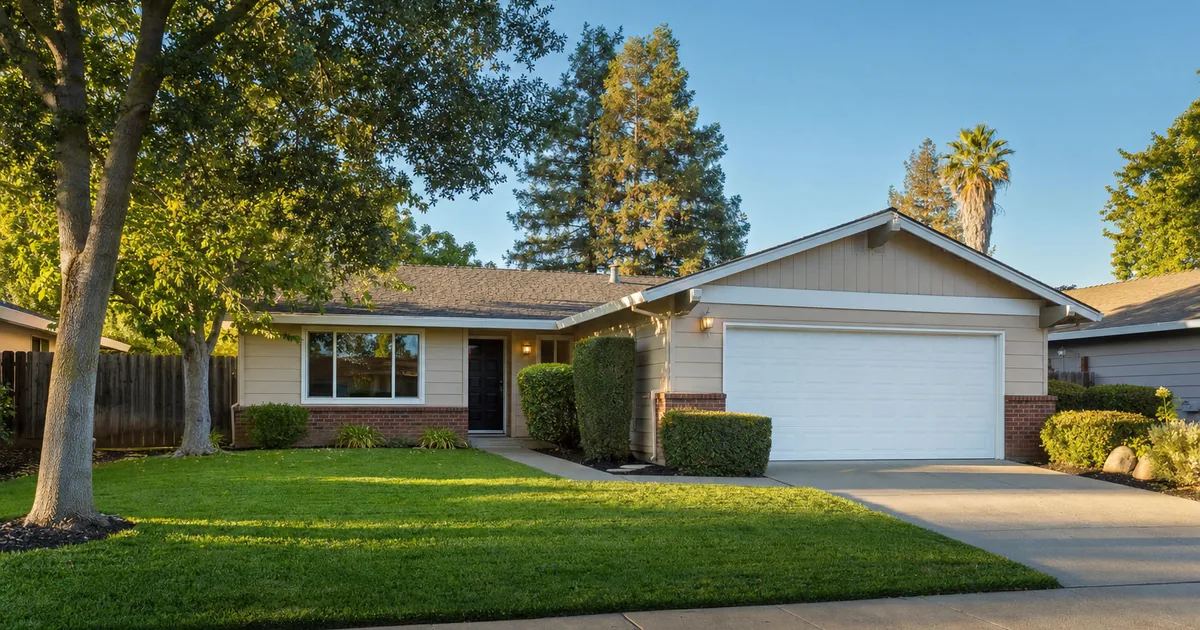
Current Rancho Cordova DSCR cash-out guidelines, updated from one source.
Displayed from Lendmire’s centralized DSCR standards source, the figures below update the moment current guidance changes. Eligibility is always decided on the specific borrower, property, and wholesale lender.
Maximum purchase LTV
Maximum leverage is subject to credit, DSCR, loan size, property type, reserves, experience, and current wholesale-lender overlays.
Maximum refinance LTV
Rate-and-term refinances use the current value, existing payoff, qualifying rent, credit profile, seasoning, and selected program.
Maximum cash-out LTV
Cash-out proceeds depend on the proposed new loan, payoff, value, DSCR, ownership seasoning, costs, and complete underwriting.
Minimum FICO
The published floor does not guarantee maximum leverage. Lower scores generally receive reduced LTV and less exception flexibility.
Rent is 25% higher than estimated monthly PITIA.
Rent equals estimated monthly PITIA.
May be available with stronger credit and lower LTV.
Current standard-program snapshot · updated August 20, 2026. Purchase and rate-and-term LTV above 80% is by exception and subject to the full scenario.
Business-purpose DSCR financing available in 40 markets, including Washington, D.C. In Rancho Cordova, Census estimates put the median owner-occupied value around $477.6K, median gross rent near $1,787, renters in about 41.8% of households, and the population near 81,849 — market context for an equity conversation, not an appraisal of any property.
What a Rancho Cordova rental cash-out refinance is — and how the approval works.
When a Rancho Cordova investor refinances a rental for cash out, a larger new loan replaces the existing one and the difference is paid at closing. The DSCR structure qualifies that new payment on the property’s rent, not on tax returns or a personal debt-to-income ratio.
Equity and the cash-out ceiling
The current appraised value sets the ceiling. The new loan is capped at the cash-out leverage in the snapshot above, measured against that value, and the existing payoff comes out of it first — so the equity that can actually be drawn is the gap between the ceiling and the payoff.
The new payment qualifies on rent
The new payment is qualified on the property’s rent: lender-accepted monthly rent divided by the new principal, interest, taxes, insurance, and any dues. A larger cash-out loan means a larger payment, so the rent has to cover it at the program’s coverage tier.
Seasoning decides which value counts
The lender asks how long the property has been owned. With enough seasoning the appraisal sets the ceiling; without it, the purchase price or delayed-financing rules can govern. The existing payoff, any secondary liens, and title are all part of the file.
Proceeds after payoff, costs, and reserves
After the payoff, the closing costs, the prepaid items, and any reserves come out of the new loan, the remainder is the cash-out. Certain programs let the reserves be drawn from the proceeds, and the closing statement is where the number becomes final.
Take the payoff out of the new loan and you have gross proceeds; take out closing costs, prepaids, and any reserves and you have the net. The cards above are today’s cash-out leverage and coverage tiers, the calculator below runs a property you own, and the lender finalizes it from the appraisal, the payoff statement, and the accepted rent.
One city, equity in more than one shape.
In Rancho Cordova, equity has accumulated differently in long-held single-family homes, small multifamily buildings, and newer construction. The three figures every cash-out starts with are the same — current value, rent, and the balance owed.
Citywide figures provide market context, not an appraisal. The lender still values the subject property, verifies its rent, and reviews the payoff, title, and program eligibility.
Data source: U.S. Census Bureau QuickFacts — Rancho Cordova, ACS 5-Year 2020–2024: total population, renter-occupied share of occupied housing units, median value of owner-occupied housing units, and median gross rent.
Distinct Rancho Cordova submarkets, distinct equity positions.
An investment property cash-out refinance in Rancho Cordova, California can look very different by submarket: an equity-rich single-family rental, a small multifamily building with rents that have grown, a condominium with association rules to clear, or a newer property with less time in title. The clusters below frame the city.
Older Housing Stock
On Rancho Cordova’s older blocks, equity is often deep but condition matters: the appraiser may call for repairs, and condition shapes the value and the insurance the file needs.
The Suburban Ring
Around Rancho Cordova, suburban single-family rentals refinance on stable leases and appreciation, with comparable resales that make the appraisal straightforward and the coverage predictable.
Workforce Rentals
In workforce Rancho Cordova, the rent typically carries the new payment easily and the equity has come from paydown and steady appreciation, making the first cash-out straightforward.
Equity-Rich Single-Family
In Rancho Cordova, the deepest equity sits in single-family rentals held for years. A lease and an appraisal set the file, and the cash-out most often funds the next down payment.
Small Multifamily
A Rancho Cordova small multifamily cash-out runs on the rent roll — accepted rent across the units against the new payment — and a building stabilized after improvements tends to appraise well above what is owed.
The Urban Core
In Rancho Cordova’s core, rentals are often condominiums and townhomes, so the association package — documents, budgets, rental rules — is part of the cash-out file, and deep resale gives the appraiser plenty of comparable sales.
Lendmire can review eligible cash-out and refinance scenarios across the Rancho Cordova area as well, from the core out to the surrounding towns. Availability remains subject to the property, the program, and the current lending footprint.
What it looks like in this market.
Three composite scenarios built from how investors actually draw equity in this market, each tied to the leverage, coverage, and seasoning questions that decide it.
Small multifamily, value-add complete
After turning the units, a Rancho Cordova small multifamily owner refinances on the new rent roll: the building appraises above the payoff, the original loan is retired, and the equity comes out.
Fit: cash-out · rent roll · improved value
Equity out, next rental in
Years into owning a Rancho Cordova rental, an investor draws equity to the ceiling, pays off the modest balance, and puts the rest down on the next acquisition — rent qualifying both the refinance and the purchase.
Fit: cash-out · seasoned single-family
Rate-and-term off a bridge note
A Rancho Cordova property renovated on a bridge or hard money loan is now leased; a rate-and-term DSCR refinance retires the short-term note on the property’s rent, and a cash-out can follow once seasoning is met.
Fit: rate-and-term · renovated and leased
Four ways Rancho Cordova investors can refinance a rental.
Here are the refinance paths for eligible Rancho Cordova investment properties. The equity, the rent, the seasoning, the payoff, and the use of proceeds determine which structure fits.
Cash-out refinance
The existing loan is replaced by a larger DSCR loan and the difference comes to you at closing, up to the cash-out ceiling shown above. The rent qualifies the payment; seasoning, payoff, and reserves shape what you net.
Rate-and-term refinance
Swap the existing loan for a new one without cash out, typically to leave short-term financing or reset the term. The rate-and-term ceiling governs, and rent qualifies the new payment.
Delayed financing
A recent cash purchase can be refinanced under delayed-financing rules to recover part of the cash, with the purchase price and the documented funds setting the ceiling instead of a seasoned appraised value.
Cash-out to fund the next rental
Turn the proceeds into the down payment on the next rental, which qualifies on its own rent; the two files are often run together, cash-out first, purchase second.
Model a Rancho Cordova cash-out before requesting a quote.
The calculator starts on cash-out with Rancho Cordova sample assumptions for value, payoff, new loan, and rent, all editable. Tax and insurance assumptions can refresh from Lendmire’s centralized state data and the rate field uses a weekly Freddie Mac market benchmark, which is not a DSCR loan quote.
Rancho Cordova cash-out refinance calculator
Current value, payoff balance, proposed new loan, and accepted monthly rent are the inputs; the coverage ratio on the new payment and the gross proceeds before closing costs are the outputs.
Loading the current weekly Freddie Mac market benchmark…
Illustrative Rancho Cordova starting assumptions: $475,000 current value, $261,000 payoff, $356,000 new loan at the current cash-out ceiling, $2,794 monthly rent, 0.75% annual property tax, and 0.40% annual insurance. The opening rent is set to produce a DSCR of at least 1.00. All fields are editable.
Illustrative estimate only. The Freddie Mac benchmark is an editable conventional market reference, not a DSCR loan quote, APR, Loan Estimate, approval, or commitment to lend. Actual value, qualifying rent, rate, taxes, insurance, association treatment, LTV, cash proceeds, seasoning treatment, and eligibility depend on lender guidelines and full underwriting.
What lenders still review after the coverage math.
Coverage and the cash-out ceiling get the attention, but a complete Rancho Cordova cash-out review runs wider: the appraisal, the rent evidence, the payoff and title, the entity, reserves, and time in title all come into it.
Same rental, different qualification.
A DSCR cash-out measures rent against the new payment. Personal income and debt-to-income are secondary, entity vesting is standard, and the program sets the ceiling and coverage tier.
A conventional cash-out underwrites the borrower: verified income, tax returns, debt-to-income, and the property as one of the borrower’s obligations. Entity vesting is usually unavailable and financed-property counts are capped.
Many Rancho Cordova investors use both: a DSCR cash-out on a rental to pull equity, and a conventional loan on the home they live in. Which one fits a given property turns on vesting, the number of financed properties, and whether the rent or the tax returns tell the stronger story.
What to prepare for a Rancho Cordova cash-out review.
The precise checklist is the lender’s, but these four categories cover what an investor should gather before requesting a property-specific quote.
This is a general preparation guide, not a universal document checklist. The selected lender may request additional information based on the property, borrower, entity, seasoning, and underwriting findings.
Local details that can change the proceeds.
In Rancho Cordova, local values, rents, insurance, and title details can move the proceeds or a property’s eligibility a long way. Check the practical issues below before relying on a target cash-out figure.
Use these checks to keep the Rancho Cordova cash-out clean and fundable.
The exact treatment varies by wholesale lender, so the goal here is not to promise a universal outcome. It is to spotlight the main issues an investor should resolve before closing.
Appraised value and comparable support
The lender’s appraisal sets the ceiling and comparable sales set the appraisal. An owner’s estimate or an online figure does not; in Rancho Cordova, that gap is what most often trims the proceeds.
Seasoning and the payoff
Time in title picks the value the lender uses; too little and the purchase price governs. A recent deed into an entity can reset seasoning with some lenders, and the payoff statement and secondary liens are part of the same review.
Rent evidence for the new payment
Coverage is measured on accepted rent from the lease, the appraisal’s rent schedule, or an accepted market analysis. More cash out means a larger payment, so the rent has to be well supported.
Coastal insurance, flood, and wind
Flood and wind premiums on coastal Rancho Cordova property raise the payment measured against rent, so coverage tightens and the loan can shrink. Resolve premiums, deductibles, and availability before counting on a cash-out number.
Entity vesting and title
Closing in an LLC or other entity is common on a DSCR cash-out: expect formation documents, ownership information, and personal guarantees. Clean title, resolved secondary liens, and the seasoning effect of a recent transfer all come into the review.
From a Rancho Cordova rental to funded proceeds.
Start with the property and the payoff, compare the available structures, document the value and the rent, and move through underwriting toward closing and funding.
Run the scenario
Provide the Rancho Cordova property details, current value estimate, payoff, rent, entity, credit range, and what the proceeds are for.
Compare programs
Lendmire reviews multiple wholesale DSCR options for cash-out leverage, coverage tier, seasoning treatment, reserves, and entity fit.
Document the property
Complete the appraisal, rent analysis, payoff statement, insurance, title, entity, and asset documentation required by the lender.
Close and redeploy
Finalize the loan, clear the existing payoff at closing, and direct the proceeds to the next move.
A brokerage built around investor refinances.
Rancho Cordova portfolios span single-family holds, small multifamily, and multi-property positions, and the cash-out file for each belongs with a different kind of lender.
Wholesale comparison
Multiple non-QM wholesale lenders are compared, so no Rancho Cordova cash-out is forced into one lender’s leverage and seasoning box.
Refinance specialization
The file is reviewed on cash-out leverage, coverage, seasoning, entity vesting, reserves, property type, and the purpose of the proceeds.
The next purchase, planned with it
The next acquisition can be financed through Lendmire on a DSCR loan, so the cash-out and the purchase are structured together before either closes.
Trusted by buyers & investors alike.


Rancho Cordova cash-out refinance FAQs
These answers address the equity, leverage, coverage, seasoning, entity, and proceeds questions Rancho Cordova investors commonly raise. Final program terms remain scenario-specific.
How much can I take out on an investment property cash-out refinance in Rancho Cordova, California?
Up to the cash-out ceiling in the current snapshot, measured against the appraised value, less the existing payoff, closing costs, and any required reserves. The rent also has to cover the new payment at the program’s coverage tier, so on some Rancho Cordova properties coverage — not leverage — sets the number.
Can I close a Rancho Cordova cash-out refinance in an LLC?
Yes, under many DSCR programs — entity vesting is common on a cash-out. Expect formation documents, ownership details, and personal guarantees, and note that a recent transfer into the entity can affect seasoning with some lenders.
Can I do a cash-out refinance on a Rancho Cordova rental without tax returns?
Yes. The DSCR structure qualifies a Rancho Cordova cash-out on the rental’s accepted rent, not on personal income, so tax returns and debt-to-income do not lead the file; credit, reserves, and the appraisal still do.
How long do I need to own a Rancho Cordova property before a cash-out refinance?
It depends on the program’s seasoning rule. Seasoned ownership lets the appraisal govern; a recent purchase may be capped at the purchase price or handled under delayed financing. The lender confirms the treatment for the property in question.
Would a HELOC be better than a cash-out refinance on my Rancho Cordova rental?
It depends on the goal. A cash-out refinance replaces the whole loan and pays a lump sum; an investment-property HELOC keeps the existing loan in place and adds a revolving line. Lendmire arranges both in California, and the comparison turns on the existing loan, how the funds will be used, and timing.
Does coastal insurance affect a Rancho Cordova cash-out refinance?
Yes. On coastal Rancho Cordova property, wind and flood premiums add to the payment the rent must cover, so coverage tightens and the cash-out can shrink; the insurance picture should be settled early.
How is the rent verified on a cash-out refinance?
Rent is supported by the existing lease, the appraisal’s rent schedule, or a market-rent analysis the program accepts; the lender settles which figure qualifies the payment when they differ.
Does a cash-out refinance affect how the next purchase qualifies?
Each DSCR loan qualifies on its property’s rent, so the cash-out does not count against a personal debt-to-income ratio for the next purchase. Reserves and financed-property considerations may still apply, and the proceeds can fund the next down payment.
What is the difference between a rate-and-term and a cash-out refinance?
Rate-and-term replaces the loan and returns no cash, usually to exit a bridge note or change the term, at the rate-and-term ceiling. Cash-out replaces it with a larger loan and pays the difference to you, at the cash-out ceiling.
What documents does a cash-out refinance typically need?
The usual file has identification, credit authorization, rent evidence, the payoff statement, LLC documents where applicable, insurance, title, and reserve evidence, with the appraisal and rent schedule ordered along the way.
Bring the Rancho Cordova rental. We will map the equity.
Begin with the property, its payoff, and its rent — an initial review takes no credit pull and no commitment.
This page is Rancho Cordova-specific — for guidelines and scenarios statewide, visit Investment Property Cash-Out Refinance in California within Lendmire’s investment property cash-out refinance program.
Also in Rancho Cordova: DSCR Loans in Rancho Cordova, CA · Investment Property HELOC in Rancho Cordova, CA