
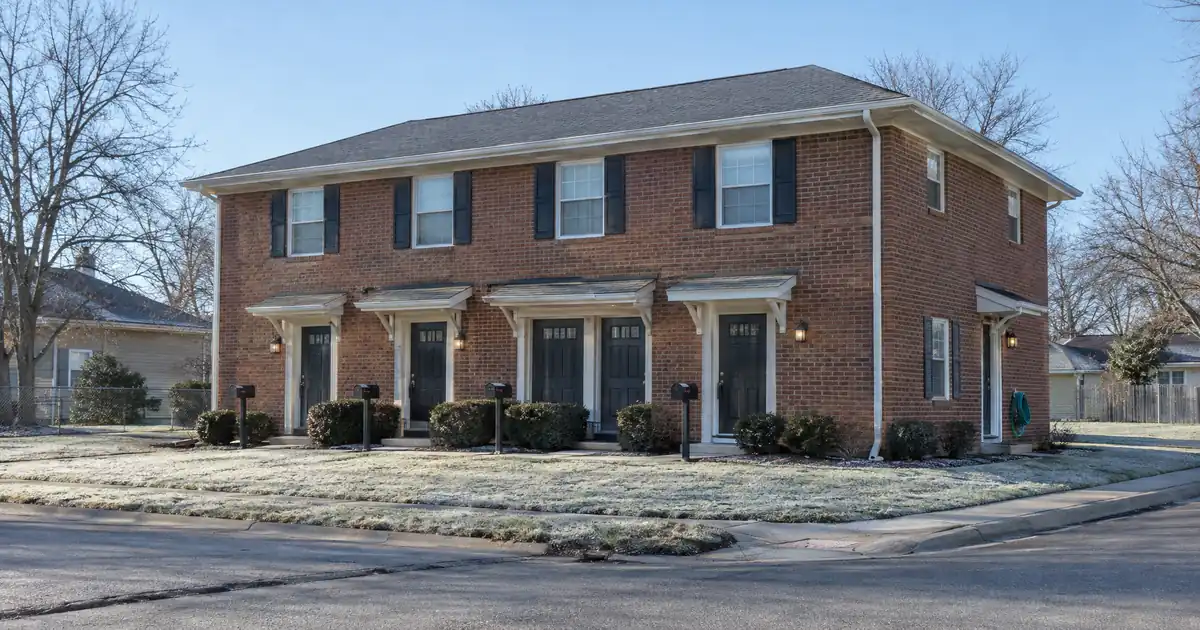
The Quick Read: A fourplex you live in is a home loan, not an investment loan, even when three units are rented. The loan is “jumbo” when the amount borrowed passes your county’s four-unit conforming limit, and price alone does not decide that. The lender counts only part of the rent from the three other units, and the whole building’s payment sits on your side of the ledger. Credit, reserves, the appraisal and your landlord history decide the rest, all subject to lender guidelines and full file review.
Key Takeaways
- You must live in one of the four units. If you don’t, it is an investment-occupancy file with different leverage.
- Only rent from the three other units can help you qualify. Rent from your own unit does not count.
- Lenders count a portion of gross rent, not 100%, and they want leases plus an appraiser’s rent opinion.
- Jumbo has no single national rulebook for this. Each lender sets its own rental-income method, reserves and appraisal rules.
- The headline program envelope on the wholesale jumbo lanes Lendmire works with: a 660 decision score, leverage up to 90%, and loans up to $5,000,000. Four-unit files often sit below the headline numbers.
What Makes a Fourplex Loan “Jumbo”?
A fourplex loan is jumbo when the loan amount lands one dollar above the conforming limit for four-unit properties in your county. That limit is higher than the one-unit limit, so a building can be conforming as a fourplex and would be jumbo as a single-family house.
Jumbo payment estimate
The starting figures are an example price in the jumbo range with ten percent down on a thirty-year fixed. Replace them with yours.
Editable benchmark: 7.40% as of October 15, 2026 · Freddie Mac 30-year average via FRED®. A conventional market reference, not a jumbo loan quote.
Illustrative starting assumptions: a $1,000,000 price in the jumbo range, ten percent down on the top-leverage lane, a thirty-year fixed structure at the current Freddie Mac conforming benchmark, and property taxes and insurance estimated at typical national rates. Every field is editable.
Illustrative estimate only — not a Loan Estimate, approval, quote, or commitment to lend. The rate field carries the weekly Freddie Mac thirty-year conforming benchmark, a market reference and not a jumbo loan quote; jumbo rates are set by the lender and the lane at lock and differ from the conforming benchmark. An adjustable-rate scenario is shown at the benchmark for the whole term; the rate after the initial period is unknown. Reserve months and appraisal counts follow the lane sheet for the amount band; the automated finding may require more. Taxes, insurance and dues are editable estimates; closing costs are not included. On most lanes the conforming limit for the county decides whether a loan is jumbo at all; two lanes start at a stated dollar floor instead. Licensed in sixteen states for consumer mortgages.
The Federal Housing Finance Agency sets these limits each year and publishes county-level values for one to four units. They reset every January, so check your county’s current four-unit figure before you shop.
Two points trip people up:
- The loan amount decides it, not the price. A larger down payment can pull a fourplex purchase back under the line.
- The county decides it, not the country. The same building and the same loan can be conforming in one county and jumbo in the next.
Each jumbo lender writes its own rules for rent, reserves and documentation. Lendmire’s jumbo loan programs are arranged through wholesale lenders, and each lender sets its own version of those rules.
What Do the Core Jumbo Requirements Look Like on a Fourplex?
The headline numbers come from the wholesale jumbo lanes Lendmire’s team places files with. A fourplex purchase is checked against the same categories as any jumbo file, then adjusted for four units.
| Requirement | Headline lane figure | Fourplex twist |
|---|---|---|
| Decision score | 660 on the headline lane | Other lanes may ask more |
| Leverage | Up to 90% | Occupancy and unit count can lower it |
| Loan size | Up to $5,000,000 | Largest lanes only |
| Ratio ceiling | Set by structure: fixed, adjustable and interest-only each carry their own ceiling | Full building payment counts |
| Reserves | Months of the full payment | Rise with the loan amount |
| Appraisals | Two above a lane’s threshold | Four-unit comps are thin |
A few notes on that table. Leverage tops out at the high end of the range only on certain lanes, and the rest stop lower. Leverage is set by the lane, the occupancy and the property type, so treat 90% as the top of the range, not what a four-unit file will get. Everything here is subject to lender guidelines, and none of it is a commitment to lend.
How Does the Lender Count Rent From Three Units?
The lender counts rent from the three other units only, and only a portion of it. Rent from the unit you live in generally does not help you qualify. Fannie Mae’s guide says rent from the unit a borrower occupies in a two- to four-unit property generally cannot be used. Jumbo lenders often borrow that logic.
Here is how most files get built:
1. Classify the occupancy. You live in one unit as your principal residence. The other three are rented.
2. Take a portion of gross rent. Agency-style underwriting trims the rent to allow for vacancy and upkeep. The usual reading is “a portion of gross rent, not 100%.” Jumbo lenders pick their own percentage.
3. Count the full payment. Principal, interest, taxes, insurance and any association dues on the whole building go on the debt side. Not just your unit’s share.
4. Apply the rent credit. Depending on the lender, the credit is either added to your income or used to offset the building’s payment.
5. Run the ratio. Your total monthly debts are divided by your income. On the fixed jumbo lanes, the ceiling is 50%. On the adjustable lanes it is 45%, and on the interest-only lanes it is 43%.
Landlord history matters here. A trade summary of Fannie Mae’s multi-unit approach says borrowers with at least a year of landlord experience can use rent without a cap. Without that history, the credit may be limited to the property’s payment. That is background on agency practice, and a jumbo lender can follow, loosen or tighten it. A first-time landlord is the borrower most likely to feel the cap.
Read this part twice, because it is where buyers misjudge the deal. The credit you can use is smaller than the rent you will actually collect. You still carry the whole building’s taxes, insurance and repairs, and a vacant unit is your problem, not the lender’s.
What Happens When the Rent Doesn’t Cover the Payment?
When the rent credit falls short of the building’s payment, the shortfall counts against you in the ratio. When it exceeds the payment, some lenders let the surplus add to your income. Others only let it offset the payment and stop there.
Here is how three outcomes can play out. These are modeled in percentages, not dollars.
| Rent credit vs. building payment | What usually happens |
|---|---|
| Covers 100% or more | Payment is offset. Some lenders credit the surplus |
| Covers about 70% | The remaining 30% hits your ratio as debt |
| Covers about 40% | The remaining 60% hits your ratio. Reserves and score matter more |
The fixes are practical:
- Put more down. A smaller loan means a smaller payment for the rent to cover.
- Pick a different structure. An interest-only lane lowers the early payment, though its ratio ceiling is tighter at 43%.
- Document more income. Strong personal income can carry the ratio when the rent credit is thin.
- Check the leases. A unit leased below market rent produces a smaller credit than the appraiser’s market-rent figure may suggest.
Which Documents Does the Lender Want?
Expect to prove the rent twice: once on paper and once through the appraiser. For a purchase, the usual set looks like this:
- Signed leases for each rented unit.
- The appraiser’s rent schedule, built into the small-income-property appraisal.
- Bank statements showing deposits, when units are already occupied.
- Standard jumbo paperwork: pay documents, asset statements and credit authorization.
Agency practice is a useful guide to the first two items. Fannie Mae’s lease documentation rules say the appraiser’s rent form must support the income on the lease. Otherwise the lease must show its terms are in effect, with proof of at least two months’ rent payments. A jumbo lender may ask for more.
For a vacant or newly renovated unit, expect the credit to shrink or vanish. Lenders want rent that exists, or at least a market-rent opinion they trust.
How Does the Appraisal Work on a Four-Unit Building?
A fourplex normally gets a small-income-property appraisal. The appraiser reports market rent for each unit and picks comparable sales of other multi-unit buildings. Both pieces drive your file: the value sets your leverage, and the rent opinion shapes your rent credit.
The problem is comparables. Fourplexes sell less often than houses, so the appraiser may stretch for comps. A thin set can create a value gap, and a value gap can force a larger down payment. At higher loan amounts, some jumbo lanes require two appraisals once the loan passes the lane’s threshold amount. Ask your broker where that threshold sits before you write an offer.
Where Does Reserve Money Fit In?
Reserves are cash and liquid assets left over after closing. On this program, the wholesale jumbo lanes measure them in months of the full payment, and the months rise with the loan amount. Four units can mean a bigger payment and a bigger reserve target.
For comparison, Fannie Mae’s minimum reserve rule sets a fixed number of months for a two- to four-unit principal residence on agency loans. Jumbo reserves are not set by the agencies. Each investor sets its own, and they are often larger than for a single-family home. Confirm the current agency version if you are comparing.
How Does This Compare to a Duplex or Triplex?
The mechanics repeat as you add units. The rent credit gets larger, but so does the building’s payment, and the appraisal gets harder.
| Factor | Duplex | Triplex | Fourplex |
|---|---|---|---|
| Rented units | 1 | 2 | 3 |
| Rent credit size | Smallest | Middle | Largest |
| Appraisal comps | Easiest | Thinner | Thinnest |
| Lender comfort | Broadest | Narrower | Narrowest |
Some lenders restrict four-unit files or tighten overlays on them, so the pool of lenders gets smaller as units increase. A broker who works with several wholesale lenders can screen for that before you spend on an appraisal.
Where Do Fourplex Files Break?
Four spots cause most of the trouble, and each has a fix.
- A vacant unit at closing. The rent credit shrinks or disappears. Lease it before you apply, or plan for the shortfall.
- A thin appraisal. The value comes in low. Ask the broker whether the lender allows a rebuttal with better comps, or bring a larger down payment.
- Light reserves. Months of payment add up on a big building. Document every liquid asset.
- First-time landlord caps. Lenders may limit the credit. A property manager’s track record, or a lender that uses the rent as a payment offset, can help.
Short-term rentals are another pressure point. Lenders that accept short-term rent often want a documented history of that income, so a unit you plan to list on a vacation platform may not earn a credit at purchase.
Rent from your own unit remains off the table. Boarder income and accessory-unit income are narrow exceptions in agency rules, and neither describes a fourplex. If you do not live in a unit at all, you have an investment-occupancy file at lane-specific leverage. That is a different conversation.
Why Do Jumbo Lenders Handle Rent Differently?
Because federal rules set a goal, not a method. The consumer bureau’s ability-to-repay guide says the rule covers virtually all closed-end residential mortgages. But it does not require lenders to follow any particular underwriting model.
The practical result is a documented, reasonable judgment that you can repay. That is why leases and appraisals are required. It also explains why two jumbo lenders can look at the same fourplex and count the rent differently.
Key Terms Defined
Leverage, reserves, and pricing vary by lender and program; the final terms follow the full file review.
Jumbo loan: A mortgage above the conforming limit, which no agency buys, so each lender sets its own rules.
Principal residence: The home you live in most of the year. In a fourplex, it is the one unit you occupy.
Reserves: Money left after closing, counted in months of your full housing payment.
Rent credit: The portion of rent a lender lets you count toward qualifying.
Ratio (debt-to-income): Your monthly debts divided by your monthly income.
What Should You Do Before You Apply?
Work in this order and you avoid most surprises:
1. Look up your county’s four-unit conforming limit and compare it to your planned loan amount.
2. Decide how much to put down. A bigger down payment cuts the loan and may keep it conforming.
3. Collect the leases and confirm each unit’s rent against local market rent.
4. Count your liquid assets against months of the full payment.
5. Ask the broker which lenders accept four-unit files and how each counts rent.
If you are buying a home and want to see whether a jumbo loan fits your file, Lendmire can help you compare the options and what each one asks of the file.
Frequently Asked Questions
Can I use rent from my own unit to qualify?
Generally no. Rent from the unit you occupy does not count toward qualifying. Only the three rented units can contribute, and only a portion of their rent counts. Boarder and accessory-unit income are narrow exceptions in agency rules, and neither is the standard fourplex case.
Is an owner-occupied fourplex an investment property?
No. If you live in one unit, agencies treat it as a two- to four-unit principal residence. Lenders look at occupancy first, and occupancy drives leverage. If you don’t live in a unit, the file is investment occupancy at lane-specific leverage.
Does a high purchase price automatically make it a jumbo loan?
No. The loan amount against your county’s four-unit limit decides it. A large down payment can keep a pricey fourplex conforming. A modest price in a low-limit county can still run jumbo with a small down payment.
Do I need to be a landlord already?
Not always, but history helps. Agency practice allows fuller use of rent after a year of landlord experience. Without it, the credit may be capped at the property’s payment. Jumbo lenders choose their own approach, so a first-time landlord should ask each lender how it handles this.
How many months of reserves will I need?
It depends on the lane and the loan amount. On the wholesale jumbo lanes, reserves are counted in months of the full payment and rise as the loan grows. A fourplex payment is larger, so the target is usually larger too. Your broker can give you the number for a specific lane.
For your own numbers, request a scenario review with Lendmire.
About Lendmire
Lendmire is a mortgage brokerage (NMLS# 2371349) licensed for consumer mortgage lending in 16 states, arranging FHA, VA, conventional and jumbo purchase and refinance loans through a wholesale lending network. Eligibility is determined by the lender on each file. Scotsman Guide named Lendmire a Top Mortgage Workplace in both 2025 and 2026.
Get Started
Ready to find the right loan for you?
In about 30 seconds you can review financing options available for your home or investment property. No commitment required.
Informational only. Not a Loan Estimate, approval, or commitment to lend. Program availability and eligibility are subject to lender guidelines, credit approval, property review, and underwriting.
References
1. FHFA – 2026 conforming loan limit news release
2. Fannie Mae Selling Guide B3-3.8-01, General Rental Income Information
3. Radian – GSE rental income job aid
4. Fannie Mae Selling Guide Announcement SEL-2023-09
5. Fannie Mae Selling Guide B3-4.1-01, Minimum Reserve Requirements
6. CFPB – Ability-to-Repay and Qualified Mortgage compliance guide
This article is part of Lendmire’s jumbo loan program — full qualification details, guidelines, and scenarios live on the program page.
Related reading: How to Meet Jumbo Loan Reserve Requirements for a Home Needing Two Appraisals · How to Refinance a Jumbo Loan After Divorce on One Income · Can ADU Rent Count Toward Qualifying for a Jumbo Loan?
Brandon Miller
Founder & CEO, Mortgage Loan Originator, Lendmire LLC
- Mortgage Loan Originator · NMLS# 1129696 · Verify on NMLS Consumer Access
- North Carolina Real Estate Broker · License# 343312 · Verify on NCREC
- North Carolina Insurance Producer · License# 19053198 · Property, Casualty, Life, Health · Verify on NAIC SBS
- Lendmire LLC · Firm NMLS# 2371349 · Verify firm licensure
Disclosures. The information presented in this article is general market commentary, not financial, legal, or tax advice. Lendmire is a mortgage brokerage (NMLS# 2371349) — not a direct lender or depository institution — and loan placement is subject to lender underwriting. Nothing in this content represents a commitment to lend. Loan terms, pricing, and program availability vary based on borrower qualifications, property characteristics, and state of subject property, and are subject to change at any time. Lendmire complies with Equal Housing Opportunity requirements. Consumer access: nmlsconsumeraccess.org.