
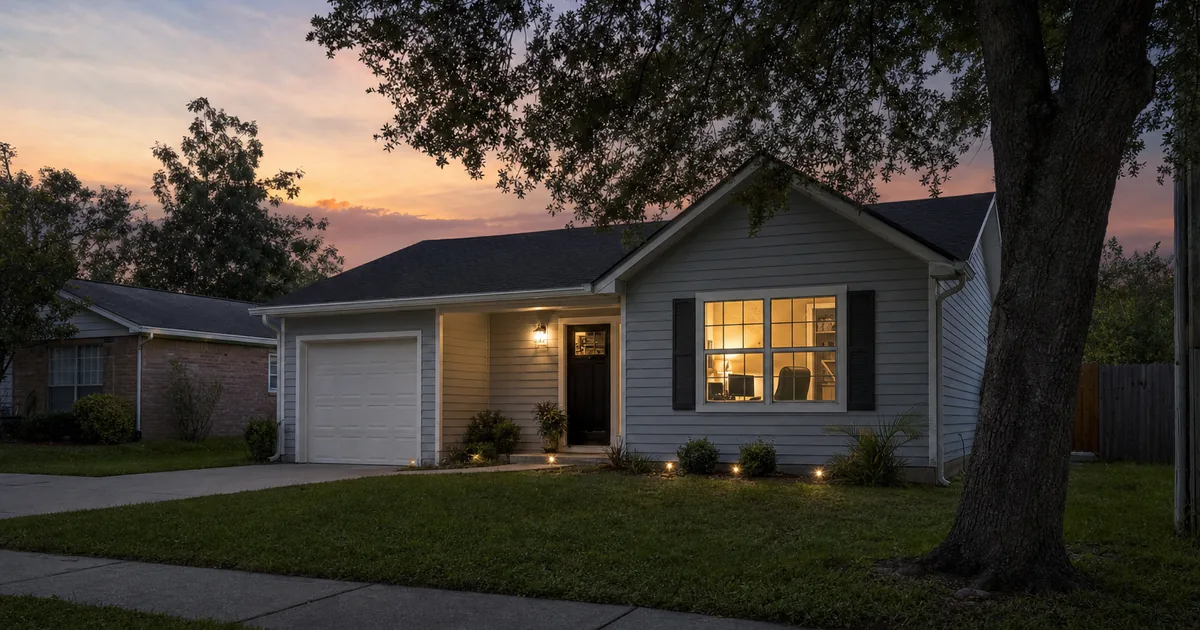
The mortgage that works in reverse.
A reverse mortgage is a loan available to homeowners 62 and older that allows them to convert a portion of home equity into cash — without monthly mortgage payments. Instead of paying the lender, the loan balance grows over time and is repaid when the home is eventually sold, the homeowner moves out, or the property passes to heirs. The most common type is the FHA-insured HECM (Home Equity Conversion Mortgage).
Homeowners keep title to their property throughout the loan. They remain responsible for property taxes, homeowners insurance, and maintenance — missing those obligations can trigger default. HUD requires independent counseling with an approved agency before a reverse mortgage can be originated, and that’s by design: this is a significant financial decision that deserves careful consideration, not a fast sale.
Three paths through reverse mortgage financing.
Traditional FHA-insured HECM, HECM for Purchase, or proprietary programs for higher-value homes.
HECM
The FHA-insured Home Equity Conversion Mortgage — the most common reverse mortgage. Federally regulated, with lump sum, line of credit, or monthly disbursement options.
HECM for Purchase
Use a reverse mortgage to purchase a new primary residence. Combine proceeds with a down payment — no monthly mortgage payments going forward.
Proprietary Reverse
Non-HECM reverse mortgage programs for homes valued above HUD’s HECM limits. Higher loan amounts without FHA insurance backing.
Education first, sales never.
Reverse mortgages are significant, often permanent financial decisions. They’re also a product with a history of being aggressively marketed — and that history has given the whole category a reputation it doesn’t always deserve. A HECM is a useful tool for the right homeowner in the right situation. It’s also genuinely the wrong tool for many homeowners, depending on their heirs, their other assets, and their long-term plans.
Our job is to help you figure out which category you’re in — not to sell you a loan. HUD requires independent counseling before any reverse mortgage originates, and we want you to take that counseling seriously. We walk through the structure, the costs, the impact on your estate, and the alternatives — HELOC, traditional refinance, or no mortgage action at all — honestly. If a reverse mortgage is right, we’ll get it done cleanly. If it isn’t, we’ll tell you that too.
Equity access, designed for retirement.
Know before you borrow.
Reverse mortgage guides, retirement equity strategies, and HECM education from our licensed loan officers.
-
How Much Down Payment Assistance Can You Get?
Down payment assistance can you get? See how grants and second liens work with FHA, USDA and HUD-184, then ask Lendmire to compare options for your purchase.
-
How to Qualify for Down Payment Assistance When You’re Self-Employed
Learn how to qualify for down payment assistance when you’re self-employed: income, documents and structures. Talk to Lendmire to compare your options.
-
Repayable Second Mortgage Terms Across Down Payment Assistance Types
Compare grant, forgivable and repayable down payment assistance seconds: payments, balloon, debt ratios. See how Lendmire arranges FHA, USDA and HUD-184 files.
Tools to move from reading to action.
Talk to an expert
A licensed Lendmire loan officer walks you through HECM structure, costs, alternatives, and the HUD counseling process — honestly.
Connect Tool TwoSee my offer
See your offer in seconds. No credit pull, no obligation.
Start Tool ThreeBrowse programs
See every loan program Lendmire offers — from reverse mortgages to HELOCs to traditional refinance — and find the right fit.
BrowseLearn if a reverse mortgage fits your situation.
See your offer in seconds. No credit pull, no obligation.
See my offer