
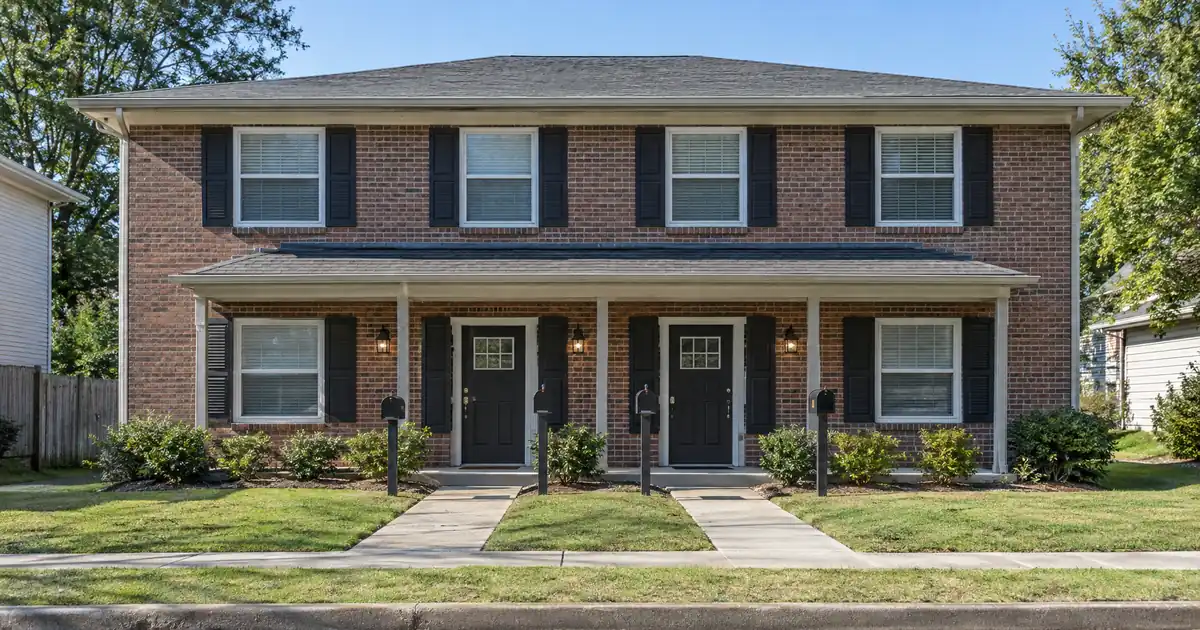
The Quick Read: Yes, if you live in one of the four units, because then the fourplex counts as your principal residence and conventional cash-out is available at up to 75% loan-to-value, compared with 80% on a one-unit home. The catch for a lock-in homeowner is structural: a cash-out refinance pays off your existing first mortgage and replaces it, so the new terms apply to the whole balance, not only the cash you take. Eligibility is subject to lender guidelines and full file review.
What Does “Lock-in” Change About a Fourplex Cash-Out?
A cash-out refinance is not an add-on loan. It replaces your current first mortgage with a new, larger one, and the difference comes to you as cash. The CFPB’s research blog on cash-out refinances draws the contrast plainly: home equity loans and HELOCs leave the original first lien in place.
If you hold an old, low-cost first mortgage, you give it up on the entire balance. That is the whole lock-in problem. The cash is only a slice of the new loan, but the new terms apply to everything.
So the fourplex question has two layers. Can the building qualify? Usually, yes, under the rules below. And is replacing the loan worth it? That depends on how much cash you need and what the alternatives look like. Both get covered here.
How Does a Fourplex Qualify as Your Home?
Occupancy decides the leverage. When you live in one of the four units, the building is a principal residence, and the owner-occupied limits apply. When you don’t, it is an investment property, and the conventional cash-out cap is 75% as well on the programs we place, but with different pricing and a different set of rules. Per the same program set, investment property cash-out is not what this article covers, so the rest assumes you live there.
Across the wholesale conventional programs we place files with, the cash-out refinance caps are:
| Property and occupancy | Cash-out maximum LTV |
|---|---|
| One-unit principal residence | 80% |
| Two- to four-unit principal residence | 75% |
| Second home | 75% |
| Investment property | 75% |
That 75% is the number that shapes everything on a fourplex. It applies to the whole new loan against the appraised value. The agency matrix backs this up: the Fannie Mae Eligibility Matrix lists the lower cash-out cap for two- to four-unit principal residences than for a one-unit.
Notice the gap against a purchase. A two- to four-unit principal residence can be bought at up to 95% leverage, but cash-out is held to 75%. Lenders treat taking equity out of a multi-unit building as a bigger risk than buying one.
One more distinction matters. If you only pay off your current loan and costs, with just incidental cash back, that is a rate-and-term refinance, not a cash-out, and it follows different rules. Any real cash back puts you in cash-out territory.
If you want to see how the owner-occupied program is laid out in general, Lendmire’s cash-out refinance programs page covers the lane.
What Tests Does Your File Have to Pass?
Six tests decide most fourplex cash-out files: occupancy, time on title, the age of your current loan, credit and ratios, the appraisal, and reserves. Miss one and the others rarely rescue the file.
| Test | What the lender checks | Common stall point |
|---|---|---|
| Occupancy | You live in one unit | Moved out, or plan to |
| Title seasoning | On title 6 months | Recent purchase or transfer |
| Loan age | Current first mortgage 12+ months old | Recent refinance |
| Credit and ratios | 620 floor, 50% total ratio ceiling | Debt load, not income |
| Appraisal | Small income property report with rent schedule | Unit count or rent support |
| Reserves | Set by unit count and ratios | Cash tied up in the building |
The seasoning clocks come straight from agency rules. The Fannie Mae Selling Guide on cash-out refinance transactions requires that the mortgage being paid off be at least 12 months old and that at least one borrower has been on title for six months. There are narrow exceptions, such as delayed financing after an all-cash purchase, inheritance and legal awards. The same page says a property that was listed for sale must be off the market by the disbursement date.
Credit works the way it does on other conventional files. The wholesale programs start at a 620 decision score, and the automated underwriting finding governs most files, with a 50% total ratio ceiling. Manually underwritten loans run tighter, at 36% or 45% with reserve and score factors from the eligibility matrix. After a credit event, the agencies set the waiting periods: four years from a chapter 7 discharge, seven from a foreclosure, and four from a short sale or deed-in-lieu, shorter with documented extenuating circumstances.
On reserves, the Selling Guide says six months are required on automated files when the debt-to-income ratio exceeds 45%. Reserve requirements on multi-unit principal residences also scale with the number of units, so a fourplex asks for more cash in the bank than a one-unit home does. Lenders can set stricter requirements than the agency minimum. Every figure here varies by lender and program — guidelines, property type, leverage, and credit profile all apply.
How Is a Fourplex Appraised and Its Rent Treated?
The appraisal is a different animal. A two- to four-unit property is appraised on an income-property form with a rent schedule, not the standard single-family form, per the Selling Guide’s appraisal forms section. Expect it to be more involved than a house appraisal.
The appraiser also confirms what the building is. Whether a property counts as a one-unit home with an accessory unit or as a true two- to four-unit depends on features like separate utility meters, its own postal address and whether the unit can be legally rented. And an accessory dwelling unit can’t be added on top of a two- to four-unit building.
Rent is where owner-occupants get tripped up. The rules in short:
- Rent from the other units can help you qualify, but the rent from your own unit cannot.
- The appraisal has to support the rent figures, and lenders may limit how much rent counts when you have no landlord history.
- Lenders must report the gross rent for each unit on these loans even when you don’t use rental income to qualify.
Picture a fourplex where you live in one unit, two units are leased, and one sits vacant. The two leased units can contribute to your qualifying income, subject to the appraiser’s rent schedule and lender guidelines. Your unit contributes nothing, because you live there. The vacant unit contributes only what the lender is willing to count, which is often nothing without a lease. If your own income carries the ratios without any rent, the file is simpler. If the ratios only work with the rent, expect more scrutiny.
How Much Cash Can You Actually Take Out?
Equity is not cash. The 75% cap applies to the whole new loan, and your existing payoff, closing costs and any other liens come out before you see a dollar.
Here’s the sequence, in percentages rather than dollars:
1. Take the appraised value of the fourplex.
2. Apply the 75% maximum to get the largest new loan allowed.
3. Subtract the payoff of your existing first mortgage.
4. Subtract any second lien that must be paid, and the closing costs financed into the loan.
5. What’s left is your usable cash.
The loan must also fit the conforming limit for four-unit properties. FHFA’s loan limit addendum explains how the baseline and high-cost limits are set, and four-unit limits are higher than one-unit limits. Limits differ by county.
Thinking out loud for a second: many lock-in owners bought during the low-cost years, which means their balance may already sit near the cap on a fourplex whose value hasn’t climbed much. In that case the math returns almost nothing, and the question answers itself. The reverse also holds. Owners with large equity and a small balance can reach meaningful cash even at 75%.
One wholesale lane reaches 89.99% LTV with no mortgage insurance, but it is limited to a primary residence at a conforming balance, a 680 score and a 50% ratio on a thirty-year fixed. It isn’t built around the fourplex. Check the unit count before assuming it applies. Final terms depend on lender guidelines, property type, leverage, and the borrower’s complete credit picture.
What Does Replacing the Old Loan Really Cost?
The cost is the gap between your old loan and the new one, applied to the full balance, for as long as you hold the loan. The CFPB’s guide to using home equity notes that because a new loan replaces the old one, your interest rate and other terms change, and your payment may rise as a larger loan replaces the current one. A cash-out can also stretch out the time it takes to pay off the mortgage.
You can test this without quoting a single rate. Fill in this worksheet with your own numbers:
- Old monthly principal and interest on the first mortgage: ____
- New monthly principal and interest on the larger loan: ____
- Difference per month: ____
- Cash you are taking out: ____
- Months the difference takes to equal that cash: ____ (cash divided by the monthly difference)
- Months you expect to hold the loan: ____
If the difference eats the cash in fewer months than you plan to stay, the reset is expensive. If the cash earns more than the added cost, the refinance may still be the right tool. A fixed-cost project that raises rents can pass this test. A purchase that doesn’t pay for itself usually doesn’t.
Also account for mortgage insurance. It applies above 80% LTV, so it matters less on a 75% fourplex cash-out, which sits below that line. And add closing costs, which apply on any refinance, plus the higher cost of the more involved appraisal. These specifics are subject to lender guidelines and a full review of property, leverage, and credit.
CFPB research also flags a risk that is easy to overlook: converting other debts into mortgage debt secured by your home can put the home at risk if payments become unsustainable. When you hold four units, a vacancy stretch on top of that is a real stress test.
Keep the Loan or Replace It? Compare the Options
The right choice depends on the size of the need and the structure of the file. A second lien keeps the old loan alive, a conventional cash-out replaces it, and each has its own limits.
| Factor | Second lien (HELOC or home equity loan) | Conventional cash-out |
|---|---|---|
| Existing first mortgage | Stays in place | Paid off and replaced |
| Rate on old balance | Unchanged | Resets on the whole balance |
| Combined leverage cap | Still counts toward 75% on agency files | 75% on the new loan |
| Availability on a fourplex | Lender-specific | Widely programmatic |
| Best for | Smaller, staged needs | Large lump sum, loan reset |
One point deserves plain language. When your first mortgage is sold to Fannie Mae, the combined loan-to-value limits apply to any second lien too, so a second lien doesn’t escape the 75% ceiling. A second lien that a lender holds in its own portfolio follows that lender’s own rules instead. Whether anyone will place one on a fourplex, and at what combined leverage, varies by lender.
When keeping the loan wins: you need a modest amount, you may need it in stages, and a second lien is actually available on your building.
When replacing it wins: you need a large lump sum, your current loan is adjustable or has stopped working, or no second-lien option fits a four-unit building. In those cases, giving up the old loan can be a defensible decision, as long as the worksheet above holds up.
For deeper takes on the trade-off, Lendmire’s piece Should a Lock-In Homeowner Ever Choose a Conventional Cash-Out Refinance? walks through the decision from the single-home side.
Where Does the General Rule Break?
Four situations change the answer.
You moved out. Once the fourplex stops being your home, it is no longer a principal residence. The leverage and rules shift to investment property, and the file becomes a different conversation. Occupancy is tested on the new loan, so the plan to live there has to be real.
The building is mostly vacant. An appraisal that can’t support rent is a weaker file, and your ratios have to carry it. Vacancy also hurts reserves, because you’re covering the empty units from cash.
The property is held in an entity. Title questions matter. Time held in a revocable trust where you are the primary beneficiary can count toward the six-month title requirement. Other entity structures are handled differently, and some lenders require title to move into your name first.
The building isn’t a true four-unit. If the appraiser decides it is a house with an accessory space, the lender treats it as a one-unit property. That can help leverage (80% instead of 75%) or hurt your rent treatment, so the classification matters.
A related point: for HomeReady, the agency program is limited to purchases and limited cash-out refinances, so it doesn’t offer a cash-out route for your fourplex.
One more adjacent note on documentation. Lendmire’s article Texas Conventional Cash-Out Refinance Rules for a Lock-In Homeowner covers the state-level wrinkles, including Texas, where a homestead cash-out is capped by the state constitution.
What Does the Process Look Like?
Expect this order: application and Loan Estimate, then the appraisal with its rent schedule, then underwriting review of occupancy, credit, ratios and reserves, then the Closing Disclosure. A cash-out on your home also carries a right of rescission, a short window after signing during which you can cancel before funds are released.
Gather these ahead of time:
- Your current mortgage statement
- Leases for each rented unit
- Proof of your own occupancy
- Income documents for the borrowers on the loan
- Statements showing reserves
Having the leases ready matters most, since the rent schedule and the lease evidence travel together.
Tax treatment can depend on your situation; borrowers should speak with a qualified tax professional before relying on any deduction or credit.
Key Terms Defined
Cash-out refinance: a new first mortgage larger than the one you owe, with the difference paid to you as cash.
Lock-in: the reluctance to give up an existing low-cost mortgage because a new loan would reset the terms.
LTV (loan-to-value): the loan amount divided by the appraised value of the property.
Seasoning: the required time you have held title and the time your current loan has existed before a cash-out is allowed.
Principal residence: the home where you live as your main address, including one unit of a multi-unit building.
Second lien: a loan, such as a HELOC or home equity loan, that sits behind your first mortgage without replacing it.
Frequently Asked Questions
Can I keep my low rate and still take cash out in a refinance?
No. A cash-out refinance replaces your first mortgage, so the new terms apply to the whole balance. The products that leave the first loan in place are second liens, such as home equity loans and HELOCs, though a second lien on a fourplex depends on the lender.
Does a fourplex get the same 80% limit as a house?
No. Conventional cash-out on a two- to four-unit principal residence tops out at 75%, while a one-unit home reaches 80%. The limit applies to the whole new loan, so your payoff and costs come out of that amount first.
Does the rent from all four units count toward qualifying?
No. Rent from your own unit can’t be used, and rent from the others must be supported by the appraisal. Lenders still report each unit’s gross rent even if your income alone qualifies you.
How soon after buying can I do a cash-out?
You generally need six months on title, and the mortgage being paid off has to be at least 12 months old. Delayed financing is a narrow exception for a recent all-cash purchase, and the loan is still treated as a cash-out.
What if I move out after the refinance?
The loan is written on the promise that you live in the building, so occupancy is part of the file. If your plans change before closing, tell your loan officer, because leverage and rules differ for investment property.
If you are weighing a cash-out refinance against keeping the loan you have, Lendmire can help you compare the programs and the equity each one reaches. Every program figure here is subject to lender guidelines and full file review, and nothing here is a commitment to lend.
For your own numbers, request a scenario review with Lendmire.
About Lendmire
As a mortgage broker (NMLS# 2371349), Lendmire helps homeowners and home buyers in 16 states with FHA, VA, conventional and jumbo purchase and refinance loans arranged through wholesale lenders. Lendmire is never the lender; program terms are set by the lender and the agency guidelines. Scotsman Guide named Lendmire a Top Mortgage Workplace in both 2025 and 2026.
For the program’s current guidelines, see conventional loan programs.
Get Started
Ready to find the right loan for you?
In about 30 seconds you can review financing options available for your home or investment property. No commitment required.
Informational only. Not a Loan Estimate, approval, or commitment to lend. Program availability and eligibility are subject to lender guidelines, credit approval, property review, and underwriting.
References
1. The CFPB’s research blog on cash-out refinances
2. Fannie Mae Eligibility Matrix
3. Fannie Mae Selling Guide B2-1.3-03: Cash-Out Refinance Transactions
4. Selling Guide’s appraisal forms section
5. FHFA Conforming Loan Limit Addendum
6. CFPB: Using Your Home Equity
7. CFPB: CFPB Cash Out Refinances and Paydown Behavior of Non Mortgage Debt Balances
This article is part of Lendmire’s Conventional Loans series — every loan program’s qualification details, guidelines, and scenarios live on the loan options page.
Related reading: Can a Free-and-Clear Homeowner Get a Conventional Cash-Out Refinance? · How to Get a Conventional Cash-Out After a Quitclaim From a Parent · How to Get a Texas Conventional Cash-Out Refinance as a Lock-in Homeowner
Brandon Miller
Founder & CEO, Mortgage Loan Originator, Lendmire LLC
- Mortgage Loan Originator · NMLS# 1129696 · Verify on NMLS Consumer Access
- North Carolina Real Estate Broker · License# 343312 · Verify on NCREC
- North Carolina Insurance Producer · License# 19053198 · Property, Casualty, Life, Health · Verify on NAIC SBS
- Lendmire LLC · Firm NMLS# 2371349 · Verify firm licensure
Compliance and disclosures. Lendmire (NMLS# 2371349) is a licensed mortgage broker and is not a direct lender, depository institution, financial advisor, or tax professional. Content in this article is general market analysis and educational information — not financial, legal, or tax advice for any specific situation. Lendmire does not guarantee loan approval; every transaction is subject to underwriting by the funding lender. Mortgage pricing and loan program guidelines are subject to change at any time without notice and vary by borrower characteristics, property type, and state regulations. Lendmire complies with Equal Housing Opportunity. Licensure verification: NMLS Consumer Access.