
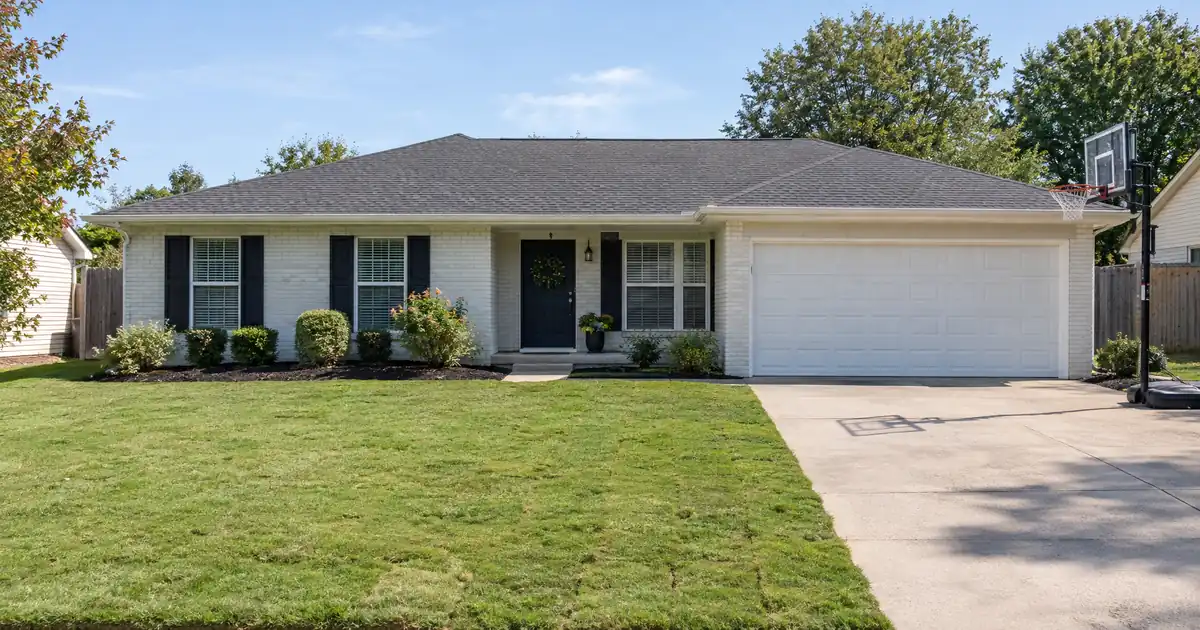
The Quick Read: The FHA sets one national rulebook, but each lender decides how much of it to fund. A bank funds only its own menu. A broker can place your file with a wholesale lender whose rules fit your situation. That access, not a secret discount, is the main reason homeowners look past their bank for an FHA cash-out.
No public data counts how many borrowers are making this switch. What follows explains why the channel matters, how the loan works, and when staying put is the smarter call.
Key Takeaways
- The FHA cash-out is for a home you live in. It reaches 80% loan-to-value (LTV) on a home you have owned and occupied for 12 months before the case number.
- The agency sets the floor. Lenders may add stricter rules on top, called overlays.
- A broker does not lend. A broker places your file with a lender whose guidelines fit.
- Wholesale is not always better. You give up a direct line to the lender, and your servicer may change.
- Compare Loan Estimates line by line, not by one headline number.
What Does “Wholesale” Mean for an FHA Cash-Out?
A wholesale lender funds loans that brokers bring to it, instead of taking applications through branches or a retail website. The borrower never walks into its office. A mortgage broker is the go-between: it gathers your documents, picks a lender, and delivers a complete file.
The consumer regulator draws the line plainly. The Consumer Financial Protection Bureau says a lender makes direct loans and a broker does not lend money. It also notes that some institutions operate as both, so ask who is actually in your deal.
Here is the flow on a typical brokered FHA cash-out:
1. You apply with the broker, who reviews your equity, credit, and occupancy history.
2. The broker places the file with a wholesale lender whose guidelines fit it.
3. That lender orders the appraisal and underwrites the loan.
4. You get a Loan Estimate, then a Closing Disclosure.
5. The new loan pays off your old one, and a servicer collects payments afterward.
Step 5 deserves a flag. The company that funds your loan and the company that collects your payments can be different. Servicing can also be sold later. That is true of many mortgages, bank-originated ones included.
Why Are Borrowers Making the Move?
Borrowers move because lenders are not identical, even on a government-backed loan. Across the wholesale programs Lendmire places FHA files with, the pattern is consistent: the program is the same, but the credit floor, the file review, and the tolerance for unusual histories differ from lender to lender.
Think of the FHA program as a floor, not a menu. A lender may fund everything the floor allows, or only part of it. Those extra internal restrictions are overlays. Common ones involve a higher minimum credit score or tighter treatment of recent late payments. Overlays vary by lender, and the reason a bank applies one is usually its own risk appetite.
A bank can only offer you its own overlays. A broker can match your file to a lender whose rules fit. If you carry a recent blemish, or a credit score near the low end, that matching can decide whether the loan gets funded at all. The wholesale programs Lendmire works with start at a 580 decision score, though every file is subject to lender guidelines and full review.
That is the honest case for wholesale. It is about fit and choice. It is not a promise of a better price, and a broker’s fee still shows up on your paperwork. Federal originator rules bar paying brokers based on a loan’s terms and bar steering, which is why the Loan Estimate matters so much. More on that below.
If you want the program mechanics in one place, Lendmire’s FHA cash-out refinance program page lays out the structure. The rest of this piece explains why the channel matters.
How Is an FHA Cash-Out Underwritten, Step by Step?
An FHA cash-out is underwritten against a hard ceiling. HUD cut that ceiling from 85% to 80% of the home’s adjusted value, matching the cash-out limit on conventional loans. Older articles that still say 85% are out of date.
Policy lives in HUD Handbook 4000.1, the agency’s consolidated source for single-family rules. It gets updated, so ask your loan officer to confirm the current section before you rely on any detail here.
Step 1: Eligibility screen. The home must be your principal residence. You must have owned and occupied it for 12 months before the FHA case number is assigned. FHA programs cover one- to four-unit owner-occupied homes. That means no second homes and no rentals.
Step 2: Appraisal. The lender orders an FHA appraisal from an approved appraiser. The appraiser reports on the property’s condition and gives an opinion of value. It is not a home inspection, so it covers what is readily observable. The appraised value, adjusted under agency rules, is the number the 80% cap applies to.
Step 3: Maximum loan. The cap times the adjusted value gives the largest new loan. Your payoff, closing costs, and any financed premium come out of that amount. What remains is your cash.
Step 4: Payoff and payment history. The file needs a current payoff statement. It also needs proof of how you paid the old loan over the previous 12 months. Modifications and forbearance change how that history is read, so tell your loan officer about them up front.
Step 5: Underwriting. The lender reviews credit, income, assets, and debt-to-income ratios. It also verifies that you live in the home. The base ratio pair is 31/43, meaning housing costs and total debts as a share of income. Documented compensating factors can stretch that to 40/50 at the top tier. An automated underwriting finding governs most files.
Step 6: Closing. You receive a Loan Estimate early and a Closing Disclosure before signing. Compare them. County loan limits also apply to the amount, and they change every year.
What Does the Mortgage Insurance Do to Your Budget?
FHA mortgage insurance has two parts, and both come with the loan. The upfront premium is 1.75% of the base loan amount, per HUD’s premium schedule, and it is usually financed into the balance. The annual premium runs between 0.15% and 0.75% of the balance. It depends on term, loan amount, and LTV.
Duration matters too. On a thirty-year loan above 90% LTV, the annual premium lasts the full term. At or below 90% LTV, it ends after eleven years. A cash-out capped at 80% falls in the second group. Both premiums apply to the whole new loan, not just the cash you take out. Final terms depend on the lender’s guidelines, the property type, and the borrower’s complete credit picture.
That is a real cost of the program, not a price quote. It is also why some borrowers compare an FHA cash-out against keeping their current loan.
Bank vs. Wholesale: Side by Side
| Factor | Bank (retail) | Wholesale via broker |
|---|---|---|
| Who underwrites | The bank | The wholesale lender |
| Lender options | One menu | Several lenders |
| Overlay exposure | Bank’s own rules | Matched to your file |
| Direct contact | Lender employee | Broker, then lender |
| Servicing | Often kept in-house | May be transferred |
| Fee disclosure | Loan Estimate | Loan Estimate |
Neither column wins by default. The table shows what changes, not who is cheaper. Terms vary by lender and file review.
A Walk-Through (No Dollar Figures Needed)
Picture a homeowner who has lived in the house well past 12 months. She wants cash for a major repair project. Her bank takes the application, then comes back with a no. Her credit score sits near the bottom of the range, and the bank’s overlay is higher than the agency’s floor.
She asks a broker to review the file. The broker checks the basics: occupancy, payment history, and equity under the 80% cap. A second lien from an old home-equity line is still open. It counts toward the cap, because the limit applies to combined LTV, meaning the first loan plus any subordinate balances against adjusted value. That eats into her room.
The broker places the file with a wholesale lender whose guidelines fit her profile. That lender orders the appraisal and underwrites. Whether it funds depends on the appraisal, her file, and lender guidelines. Nothing here is guaranteed. If the equity turns out too thin after the cap and the payoff, the honest answer is that cash-out is the wrong tool for her.
Where the General Rule Breaks
A few edge cases surprise borrowers:
- Streamline refinance. This is a different product for people who already have an FHA loan, with a limited credit review and no real cash back. If you want cash, you need the cash-out.
- An existing FHA loan. It does not block an FHA cash-out. The new loan simply pays it off.
- A HELOC or second lien. It does not add room. It uses up room under the combined cap.
- Free and clear homes. A home with no mortgage can be refinanced as a cash-out.
- Condos and manufactured homes. Each follows its own property rules, and condo projects need FHA approval.
- Rentals and second homes. Not eligible. Occupancy decides the leverage.
- Hawaiian Homelands (Section 247). Excluded from the 80% change.
When Staying With Your Bank Is the Better Call
Keep your bank when it can fund the loan you want. A bank that clears your file at the agency floor gives you a direct line to the people servicing and underwriting your loan. That is worth something. Sticking with it also makes sense if you value one-stop banking, such as your checking account and credit card in one place.
Staying also fits if your needs are small. If cash-out is the wrong tool, a smaller second lien or a different product may fit better. The broker model earns its keep when a bank says no, drags its feet on an unusual file, or offers a single path.
How to Judge a Broker and a Lender
Use a short checklist:
- Licensing. Look up the broker’s license for your state in the national mortgage licensing database.
- Lender mix. Ask how many wholesale lenders the broker places FHA loans with.
- Compensation. Ask how the broker is paid. It is disclosed on your Loan Estimate.
- Loan Estimates. Request them from each channel, then compare them line by line. Look at origination charges, third-party costs, and the financed premium. Do not compare by one headline figure.
- Servicing. Ask who will collect your payments and whether servicing may be sold.
- Promises. Be wary of anyone who promises approval before reviewing your file.
Consumer lending at Lendmire is licensed in 16 states, and the brokerage places FHA, VA, conventional, and jumbo loans through wholesale lenders. It never lends. Every program parameter in this piece is subject to lender guidelines and full file review.
Myths About the Wholesale Channel
Myth: A broker lends you the money. Reality: A broker arranges the loan. A lender funds it.
Myth: Brokers earn more by steering you to pricier loans. Reality: Federal originator rules prohibit steering and prohibit pay that varies with loan terms.
Myth: Wholesale is riskier. Reality: The loan is still an FHA loan, with the same agency rules and the same disclosures.
Myth: If you meet the agency’s minimums, every lender will approve. Reality: The agency sets the floor. Lender overlays can sit above it.
Myth: FHA lets you borrow 85% or more on a cash-out. Reality: The cap is 80% of adjusted value.
Key Terms Defined
Wholesale lender: A lender that funds loans delivered by brokers rather than through its own branches.
Overlay: A lender rule stricter than the agency’s minimum, such as a higher credit-score floor.
Cash-out refinance: A new, larger loan that pays off your old mortgage and puts the difference in your hands.
Combined LTV (CLTV): The first loan plus any other liens, divided by the home’s adjusted value, per HUD’s handbook glossary.
Mortgage insurance premium (MIP): The FHA’s upfront and annual insurance charges on the loan balance.
Servicer: The company that collects your monthly payments after closing.
Frequently Asked Questions
Can I leave my bank’s mortgage for a loan from another channel?
Yes, on a refinance. The new loan pays off the old one, so you do not need your current bank’s permission. You do need to qualify under the new lender’s guidelines. Your bank’s other products, like checking or savings, generally stay separate from the mortgage.
Does a broker cost more than going to a bank?
Not necessarily, but the cost structure differs. A broker is paid by the lender or by you, and that pay is disclosed on your Loan Estimate. Compare the full Loan Estimate from each channel. Total terms matter more than any one line.
Will the FHA’s 80% cap be the same at every lender?
Yes, 80% is the program’s ceiling. Some lenders may fund less because of their own rules. Your appraisal and any remaining liens also affect how much room you have.
Is a wholesale-placed FHA loan riskier or less legitimate?
No. It carries the same program rules and the same disclosures. The difference is who handles your application and how many lenders your file can reach. Ask where servicing will go after closing.
Can I use an FHA cash-out on a rental or second home?
No. Occupancy decides the leverage, and FHA programs cover a principal residence you live in.
Next Step
If you are weighing a cash-out refinance against keeping the loan you have, Lendmire can help you compare the programs and the equity each one reaches.
For your own numbers, request a scenario review with Lendmire.
About Lendmire
Lendmire (NMLS# 2371349) is a mortgage broker licensed for consumer lending in 16 states. Lendmire arranges FHA, VA, conventional and jumbo purchase and refinance loans through wholesale lenders; every file is underwritten by the lender under the applicable program guidelines. Scotsman Guide named Lendmire a Top Mortgage Workplace in both 2025 and 2026.
For the program’s current guidelines, see FHA loan programs.
Get Started
Ready to find the right loan for you?
In about 30 seconds you can review financing options available for your home or investment property. No commitment required.
Informational only. Not a Loan Estimate, approval, or commitment to lend. Program availability and eligibility are subject to lender guidelines, credit approval, property review, and underwriting.
References
1. CFPB: difference between a mortgage lender and a broker
2. HUD press release on the cash-out refinance cap
3. HUD Handbook 4000.1 Overview
4. HUD Mortgagee Letter on the upfront premium schedule
5. HUD Handbook 4000.1 Glossary
This article is part of Lendmire’s FHA Loan series — every loan program’s qualification details, guidelines, and scenarios live on the loan options page.
Related reading: FHA Cash-Out Refinance Requirements at a Glance · How to Plan the MIP Exit Moving From Conventional to FHA Cash-Out · Is an FHA Cash-Out Easier Than Conventional If You Want Out of FHA?
Brandon Miller
Founder & CEO, Mortgage Loan Originator, Lendmire LLC
- Mortgage Loan Originator · NMLS# 1129696 · Verify on NMLS Consumer Access
- North Carolina Real Estate Broker · License# 343312 · Verify on NCREC
- North Carolina Insurance Producer · License# 19053198 · Property, Casualty, Life, Health · Verify on NAIC SBS
- Lendmire LLC · Firm NMLS# 2371349 · Verify firm licensure
Compliance and disclosures. Lendmire (NMLS# 2371349) is a licensed mortgage broker and is not a direct lender, depository institution, financial advisor, or tax professional. Content in this article is general market analysis and educational information — not financial, legal, or tax advice for any specific situation. Lendmire does not guarantee loan approval; every transaction is subject to underwriting by the funding lender. Mortgage pricing and loan program guidelines are subject to change at any time without notice and vary by borrower characteristics, property type, and state regulations. Lendmire complies with Equal Housing Opportunity. Licensure verification: NMLS Consumer Access.