
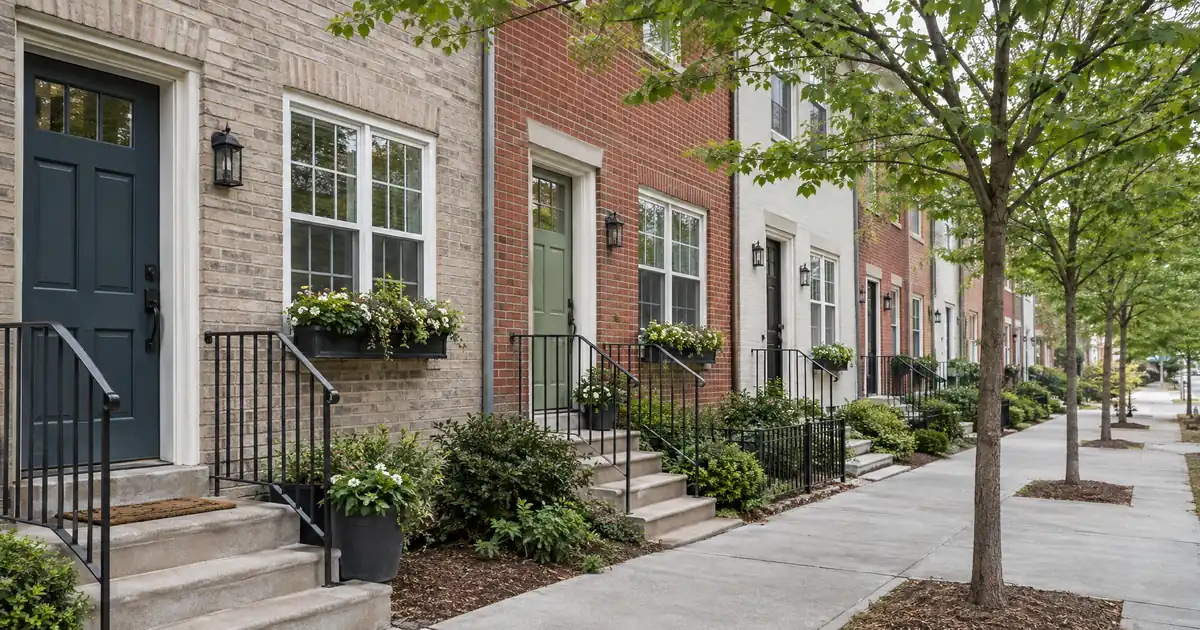
The Quick Read: The appraisal does two jobs on this loan. It sets your home’s value, which caps how much you can borrow, and it checks that the home meets FHA’s basic safety and condition standards. Get the safety items fixed and the paperwork organized before the appraiser arrives. Value and condition both affect your cash, so they deserve more prep than they get.
Key Takeaways
- A cash-out refinance always needs a full appraisal. The streamline refinance skips it, but it cannot pay you cash.
- The FHA cash-out reaches 80% of the home’s value, and the appraised number sets that ceiling.
- Safety and soundness items can become required repairs. Cosmetic flaws are reported but are not required fixes.
- If conditions are issued, the repairs are usually on you, and the work has to be verified before closing.
- You are entitled to a copy of the appraisal. Read it for factual errors.
Why the Appraisal Matters More on a Cash-Out
On a cash-out refinance, the appraisal controls how much money you walk away with. Your loan ceiling is a percentage of value. A lower value shrinks that ceiling, and your existing mortgage balance gets paid off first. Whatever room remains is your cash.
Here is the picture. Say you want to pull equity from a home you have lived in for years. The FHA cash-out reaches 80% LTV (loan-to-value, meaning the loan as a share of the home’s appraised worth). That cap covers the whole new loan, including the upfront mortgage insurance premium that is financed into it. If the appraisal lands a few percent under your expectation, the ceiling drops with it. Your payoff does not shrink, so the cash does. Final terms depend on lender guidelines, property type, leverage, and the borrower’s complete credit picture. For specific insurance costs, confirm the details with your lender and a qualified local professional.
A repair condition adds a second risk. If the appraiser flags a safety item, the loan can’t close until it’s fixed and verified. You pay for the work and wait on the re-check.
This is why the FHA cash-out refinance program rewards preparation more than a no-cash-out refinance does. Less is at stake when you only replace your old balance. On a cash-out, the extra cash depends on the value, and the whole loan depends on the condition.
Key Terms Defined
Appraisal: A licensed appraiser’s written opinion of your home’s value, based on an inspection and recent comparable sales.
Adjusted value: The value figure used to apply the LTV cap, after FHA’s valuation rules are applied.
LTV (loan-to-value): The loan amount divided by the home’s value. At 80% LTV, the loan is four-fifths of value. These specifics are subject to lender guidelines and a full review of property, leverage, and credit.
Minimum Property Requirements (MPR): FHA’s baseline standards for a home’s safety, soundness, and security. The appraiser checks the home against them.
Condition (on an appraisal): A formal note that the value depends on a repair, a completed project, or an inspection by a specialist.
Decision score: The credit score a lender uses to review the file. Pricing and available terms vary by lender, borrower profile, property type, and full underwriting review.
Mortgage insurance premium: A premium paid on every FHA loan. A one-time upfront piece is financed into the loan, and an annual piece is billed over time.
Check the Gate Before the Appraiser Arrives
Property condition only matters if you clear the eligibility gate first. Cash-out is for your principal residence. Second homes and investment properties don’t qualify for FHA cash-out.
Across the programs Lendmire arranges, the main gates look like this:
- Ownership and occupancy: You must have owned and lived in the home for 12 months before the FHA case number is assigned.
- Credit: The wholesale programs start at a 580 decision score. Some lenders set a higher floor, and any lender can add its own stricter rules.
- Payment history: Cash-out carries a stricter late-payment test than other FHA purchase and refinance loans. After a forbearance plan, a cash-out borrower needs a longer run of on-time payments than a purchase or no-cash-out borrower does.
- Ratios: The base pair is 31/43 (housing payment and total debt as shares of income). Documented compensating factors can stretch it as far as 40/50, and the automated underwriting finding governs most files.
- Mortgage insurance: The upfront premium is 1.75% of the base loan and is financed. The annual premium runs between 0.15% and 0.75% of the balance, based on term, amount, and LTV. On a thirty-year loan at or below 90% LTV, it ends after eleven years.
All of this is subject to lender guidelines and full file review. Nothing here is a commitment to lend.
What the FHA Appraiser Checks
The appraiser looks at value and condition together. Think of it as a visual threshold check, not a diagnosis. Condition is judged against three ideas: the home should be safe to live in, sound in its structure, and secure against the weather and intruders.
| Area | What is checked | Typical issue | Fix difficulty |
|---|---|---|---|
| Roof | Leaks, remaining life | Active leak, worn shingles | Trade |
| Paint (older homes) | Peeling or chipping | Exposed bare surfaces | DIY or trade |
| Heat and water | Working systems | Heat off, no hot water | Trade |
| Electrical | Visible hazards | Exposed wiring, dead outlets | Trade |
| Stairs and rails | Secure handrails | Loose or missing rail | DIY |
| Windows | Broken glass | Cracked or shattered pane | DIY or trade |
| Moisture | Basement, crawl space | Dampness, standing water | Trade or major |
| Access | Attic, mechanicals | Blocked or locked hatch | DIY |
Older homes draw extra attention to paint, because lead-based paint was common in homes built long ago. Loose or chipping paint on a pre-1978 home is a classic flag. Interior paint defects in a newer home usually are not.
What the Appraiser Won’t Do
The appraisal is not a home inspection. The appraiser doesn’t test every appliance, open walls, or run a diagnostic on your furnace. It also doesn’t promise the home is free of flaws.
That limit helps you decide where to spend. Fix what is plainly visible and plainly unsafe. If something is unclear, the appraiser may condition the report on an inspection by a qualified professional, such as a roofer or a structural engineer. A separate home inspection before you apply can be worth the cost when you suspect a hidden problem. It is your call.
Your Prep Checklist
Work through this in order. Items nearer the top take longer to schedule, so start there.
Documents and paperwork
- Gather receipts, invoices, and permits for improvements you’ve made, such as a new roof, a bath remodel, or an added room.
- Write a short list of upgrades with approximate completion dates. Hand it to the appraiser, since the appraiser can only credit what he or she knows about.
Exterior
- Check the roof for active leaks and missing shingles.
- Clear gutters and make sure water drains away from the foundation.
- Repair broken windows, including those in a garage.
- Scrape and repaint any chipping or peeling paint, especially on an older home.
Interior and systems
- Confirm heat, hot water, and plumbing all work. Fix active drips and any sign of moisture damage.
- Replace dead outlets and cover open electrical boxes.
- Secure loose handrails and railings.
- Test smoke and carbon monoxide alarms.
Access and day of
- Clear a path to the attic hatch, crawl space, water heater, and electrical panel. An inaccessible area can turn into a condition.
- Leave all utilities on.
- Tidy up and put pets away. You live there, so the appraiser will see your home as you left it.
- Be present, if you can. Point out the upgrades and the work you’ve done.
Cosmetic items are not required fixes. A dripping faucet, scuffed interior paint in a newer home, or a dated kitchen gets reported but does not fail you. Skip the expensive cosmetic remodel. A tidy, working home with clean paperwork beats a half-finished project.
How Repair Conditions Work
The appraiser reports what he or she sees. The lender decides which repairs are required for the property to be eligible. That split trips people up, since the appraiser flags and the lender enforces.
HUD Mortgagee Letter 2025-18 lays out how conditions are reported. With no conditions, the appraiser gives an as-is value. Otherwise the report uses one of three formal conditions:
1. Completion per plans: The value assumes work will be finished as planned.
2. Repairs or alterations: The value assumes specific repairs get made.
3. Required inspection: The value assumes a specialist inspects and finds no problem.
Some conditions are firm. A property the lender or appraiser identifies as meth-contaminated is ineligible until it is certified safe.
The Cure Workflow for a Refinancer
If a condition lands in your report, here is the sequence:
1. Read the exact wording. Know whether it requires a repair, a completed project, or a specialist’s inspection.
2. Scope the fix. Decide what is DIY and what needs a licensed trade.
3. Get the work done. In a refinance, you usually pay for it.
4. Document everything. Keep invoices, permits, and before-and-after photos.
5. Request the re-inspection. The appraiser or the lender verifies the repair.
6. Wait for lender clearance. The condition is cleared in the file before closing can happen.
Repair Triage
| Condition | Typical fix | Who does it | Blocks closing? |
|---|---|---|---|
| Peeling paint (older home) | Scrape, prime, repaint | DIY or painter | Yes, until done |
| Active roof leak | Patch or replace | Roofer | Yes |
| Loose handrail | Re-anchor | DIY | Yes, if a safety risk |
| Broken window | Replace pane | DIY or glazier | Yes |
| Unclear structural concern | Specialist inspection | Engineer | Yes |
| Worn finishes | Optional | You | No |
If the Value Comes In Low or Repairs Are Large
You have several options.
- Fix and re-inspect. Right for modest, well-defined repairs.
- Restructure the request. A lower value means a lower ceiling. You can ask for less cash.
- Wait and reapply. Do the work and improve the home first, then start a fresh case.
- Switch the product. If the repairs are extensive, a renovation-style loan may fit better than a cash-out.
- Choose a different loan. If the cash is the point, a lender may compare other programs for the equity each reaches.
Can you challenge the number? Careful here. FHA once added a formal borrower-initiated reconsideration of value, then rescinded that policy. Under the restored language, the underwriter may request a reconsideration if the appraiser missed relevant information. A borrower can still hand over factual corrections and a list of upgrades. A reconsideration doesn’t promise the value changes. A second appraisal is limited, too.
Your Right to See the Appraisal
You are entitled to a free copy of the appraisal on a first-lien home loan. The CFPB requires the lender to notify you of that right soon after you apply. The copy is due promptly, or a set number of days before closing, whichever comes first. The lender can charge a reasonable fee for the appraisal itself, but not for the copy.
Read the report closely. Check the square footage, bedroom and bath count, and the lot. Look at the improvements listed. Factual mistakes are worth raising. An opinion of value is a harder argument.
Where the General Rule Breaks
Some situations change the picture.
- Under 12 months of ownership. FHA cash-out doesn’t fit. A rate-and-term refinance may reach further, since the FHA version with an appraisal reaches 97.75% on a principal residence occupied for the previous twelve months.
- Streamline refinance. It needs no appraisal, so repair conditions never come up. It cannot pay you cash.
- Three- and four-unit homes. FHA applies extra self-sufficiency and reserve rules. Check the current rules with your loan officer.
- Lender overlays. A lender can set stricter standards than FHA’s. Those can include higher credit floors or tighter repair rules.
- Hidden defects. If the appraiser can’t tell, the condition can become a required inspection by a specialist.
FHA publishes its policy in Handbook 4000.1. Your lender follows it, and county loan limits apply to the loan size.
Mistakes and Myths
“The appraisal is a home inspection.” It isn’t. The appraiser checks value and visible safety items. That’s different from a full inspection.
“Any cosmetic flaw fails FHA.” It doesn’t. Cosmetic and minor items get reported, not required.
“I can borrow nearly all of my home’s value.” The cash-out cap is 80% of value. HUD lowered it to line up with conventional cash-out limits.
“The 12-month rule is the only rule.” Payment history and the lender’s own conditions apply too.
“I’ll fix it after closing.” Required repairs usually need to be completed and verified first.
Here’s the practitioner view. In the files Lendmire arranges, the avoidable problems are boring ones. A blocked attic hatch. A cracked garage window. Chipping paint on a porch. They’re cheap to fix and expensive to ignore, because each one can mean a re-inspection and a stalled file.
Frequently Asked Questions
Does an FHA cash-out refinance require a new appraisal?
Yes. Cash-out loans need a full appraisal, because the value sets how much you can borrow. Streamline refinances skip it, but they can’t pay you cash.
Can repairs happen after closing?
Usually not for required repairs. They normally need to be completed and verified before the loan closes. Cosmetic items are not required, so you can leave them. Your lender’s own conditions may be stricter than FHA’s.
Do cosmetic flaws matter?
They affect the report but not eligibility. The appraiser must note them and weigh them in value. A scuffed wall or a dated kitchen doesn’t create a required repair on its own.
Do I need a separate home inspection?
It’s optional, but useful when you suspect a hidden problem. The appraiser does a visual check, not a diagnostic. An inspection can reveal issues before they become conditions.
How do older homes differ?
Paint is the big one. Chipping or peeling paint on a pre-1978 home gets attention because of lead concerns. Fixing it before the appraisal can avoid a condition.
Next Step
If you are weighing a cash-out refinance against keeping the loan you have, Lendmire can help you compare the programs and the equity each one reaches.
For your own numbers, request a scenario review with Lendmire.
About Lendmire
As a mortgage broker (NMLS# 2371349), Lendmire helps homeowners and home buyers in 16 states with FHA, VA, conventional and jumbo purchase and refinance loans arranged through wholesale lenders. Lendmire is never the lender; program terms are set by the lender and the agency guidelines. Scotsman Guide named Lendmire a Top Mortgage Workplace in both 2025 and 2026.
For the program’s current guidelines, see FHA loan programs.
Get Started
Ready to find the right loan for you?
In about 30 seconds you can review financing options available for your home or investment property. No commitment required.
Informational only. Not a Loan Estimate, approval, or commitment to lend. Program availability and eligibility are subject to lender guidelines, credit approval, property review, and underwriting.
References
1. HUD Mortgagee Letter 2025-18 (appraisal conditions)
2. HUD Mortgagee Letter 2025-08 (reconsideration of value)
5. HUD Mortgagee Letter 2019-11 (cash-out LTV cap)
This article is part of Lendmire’s FHA Loan series — every loan program’s qualification details, guidelines, and scenarios live on the loan options page.
Related reading: How to Document a Manually Underwritten FHA Cash-Out Refinance · How Much Cash an FHA Cash-Out Releases at the LTV Cap · Does an FHA Cash-Out Refinance Require a Full Appraisal Every Time?
Brandon Miller
Founder & CEO, Mortgage Loan Originator, Lendmire LLC
- Mortgage Loan Originator · NMLS# 1129696 · Verify on NMLS Consumer Access
- North Carolina Real Estate Broker · License# 343312 · Verify on NCREC
- North Carolina Insurance Producer · License# 19053198 · Property, Casualty, Life, Health · Verify on NAIC SBS
- Lendmire LLC · Firm NMLS# 2371349 · Verify firm licensure
Important disclosures. Lendmire (NMLS# 2371349) is a licensed mortgage brokerage. Lendmire is not a direct lender, depository institution, or financial advisor. All loan inquiries are subject to lender underwriting; this article does not constitute a commitment to lend. Rates, terms, and program guidelines are subject to change without notice and vary by borrower profile, property type, and state. Information in this article is general in nature and is not financial, legal, or tax advice. Equal Housing Opportunity. NMLS Consumer Access: nmlsconsumeraccess.org.