
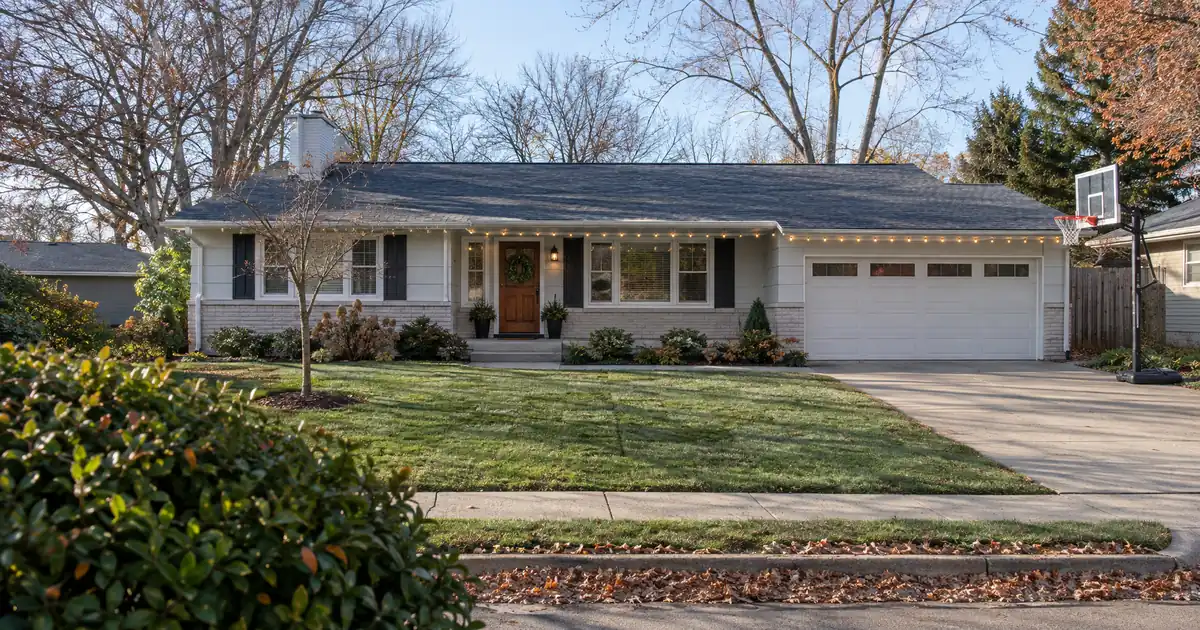
The Quick Read: Occupancy sets how much of your home’s value the new loan can reach. Property type adds eligibility checks on top of that. A one-unit home you live in gets the highest cash-out limit, and a second home or rental gets a lower one. Every figure below is subject to lender guidelines and full file review, and nothing here is a commitment to lend.
Key Takeaways
- Conventional cash-out on a one-unit principal residence reaches 80% of value. Two- to four-unit principal residences, second homes and investment property reach 75%.
- Occupancy is a declaration you make, and the lender relies on it. Claiming the wrong one is a fraud risk, not a paperwork slip.
- Property type (unit count, condo, manufactured home) sets eligibility gates. It does not change the occupancy tier.
- Seasoning applies to most conventional cash-outs: the loan being paid off must be at least 12 months old, and a borrower must have been on title for 6 months.
- FHA Streamline and VA IRRRL refinances exist for existing government loans. They do not put cash in your hand.
What Is Actually Being Decided?
Two questions drive the file. How will the property be used, and what kind of property is it? The first sets the leverage tier. The second decides whether the property fits the program at all.
Cash-out refinance estimate
The starting figures are an example value with a balance and a cash request in proportion. Replace them with yours.
Editable benchmark: 7.40% as of October 15, 2026 · Freddie Mac 30-year average via FRED®. A conventional market reference, not a cash-out refinance quote.
Illustrative starting assumptions: a $350,000 home value, a $193,000 current balance, the agency cap on a one-unit principal residence, a thirty-year term at the current Freddie Mac benchmark, and property taxes and insurance estimated at typical national rates. Every field is editable.
Illustrative estimate only — not a Loan Estimate, approval, quote, or commitment to lend. The rate field carries the weekly Freddie Mac thirty-year conventional benchmark, a market reference and not a cash-out refinance quote; a cash-out loan is priced by the lender at lock. The cash available is the loan the program cap allows less the balances paid off, before closing costs, which are not included. The HELOC line is the program’s combined loan-to-value ceiling applied to the same value and balance. Taxes and insurance are editable estimates. Licensed in sixteen states for consumer mortgages.
Across the wholesale programs Lendmire places files with, the order is the same every time. The loan officer classifies occupancy, then property type, then loan purpose. Only after that does anyone talk about how much cash is available. Borrowers who start with “how much can I take out” often find the answer changes once the first three labels are set.
Lendmire is a mortgage broker licensed for consumer lending in 16 states. It arranges FHA, VA, conventional and jumbo loans through wholesale lenders. The explanations here come from that day-to-day file work. Agency rules are cited to the agency.
How Is Occupancy Defined and Verified?
Occupancy comes in three forms: principal residence, second home and investment property. You declare one on the application. The lender checks that declaration against the rest of the file.
A principal residence is where you live most of the year. A second home is one you occupy for part of the year. An investment property is held mainly to rent out.
The labels matter because lenders treat them as different levels of risk. People tend to protect the home they live in first when money gets tight. A property you only visit, or rent to someone else, sits lower on that list. Lower-risk occupancy gets a higher cash-out limit and cheaper pricing. That gap is also why Fannie Mae’s Selling Guide on occupancy types spells out what a second home must look like. In summary, a second home:
- is a one-unit dwelling,
- is suitable for year-round use,
- stays under your exclusive control,
- is not a timeshare or a rental, and
- is not subject to a management agreement that controls who occupies it.
Verification is practical. Lenders look at the address on your tax and credit records, your other mortgages and your insurance. A second home that sits far from your main home, or that shows steady rental income, draws questions. Some lenders add their own overlays on top of the agency definition, so the same property can read differently from one lender to the next.
What Does Each Occupancy Change?
Occupancy changes the maximum loan-to-value (LTV), the reserves the lender wants to see and the pricing. Leverage is the clearest difference. This table shows conventional cash-out limits as we see them across the wholesale programs.
| Occupancy and units | Cash-out max LTV | What else shifts |
|---|---|---|
| Principal residence, 1 unit | 80% | Highest limit, cleanest pricing |
| Principal residence, 2–4 units | 75% | Unit count lowers the limit |
| Second home | 75% | Pricing adjustments, reserves |
| Investment property | 75% | Strictest reserves and documentation |
These limits track the Fannie Mae Eligibility Matrix, which changes over time. Confirm the current version with your loan officer before you plan around a number. The cap applies to the whole new loan, including any other financing on the property.
Reserves also tighten as you move away from your primary home. Reserves are the money left in the bank after closing. A higher debt-to-income ratio on a cash-out file can trigger a reserve requirement. Owning other financed properties makes lenders look harder at your total picture. Terms depend on the lender’s guidelines, the property type, the leverage, and a full review of the credit profile.
Pricing follows the same direction. Cash-out and second-home loans carry higher pricing adjustments than a standard refinance on a home you live in. Those costs flow through to what you pay, either at closing or built into the loan.
What Does Each Property Type Change?
Property type does not move you between occupancy tiers. It adds checks on top of the tier you are already in.
One-unit single-family. This is the baseline. The limits in the table above are written for it.
Two- to four-unit homes. If you live in one unit, it is a principal residence, and the cash-out cap falls from 80% to 75%. That is lower than a one-unit home but still an owner-occupied loan. It is not treated like a rental. Rent from the other units may help with qualifying, depending on the program and documentation. Lenders generally want a lease or appraisal rent data to count it. If you do not live in the building at all, it falls in the investment tier.
Condominiums. The unit is only half the file. The building is the other half. Lenders review the project’s budget, owner-occupancy mix, litigation status and reserves through a questionnaire. A strong borrower in a weak project can still be turned away. The occupancy tier does not fix a project problem.
Manufactured homes. These have their own eligibility lines. Width, foundation and land ownership matter. Some combinations of property type and loan purpose are not eligible at all, and lender overlays can be stricter than the agency lines. Ask early, because this is a property-level answer and not a borrower-level one.
Second homes with more than one unit. A second home is defined as a one-unit dwelling. A multi-unit property you do not live in is treated as an investment property.
Where Does the General Rule Break?
The tidy rules above have edges. These are the cases that come up most.
A vacation home you rent out sometimes. It can still be a second home. Under the Selling Guide, rental income on a second home does not disqualify it, as long as that income is not used to qualify. Once you need the rent to get approved, you are in a different conversation.
A home run by a rental company. If a management agreement controls who stays there, it stops being a second home. It is treated as an investment property.
Short-term rentals. Listing a property on a booking platform most of the year points toward the investment tier. Personal use that is real and documented points the other way. The lender decides from the full file, not from what you call the property.
Accessory units. A rentable unit on the property can change how rental income is counted. Fannie Mae’s Selling Guide announcement addressed accessory-unit rental income, so ask which version of that rule your lender follows.
A free-and-clear home. A new loan on a home with no mortgage is generally treated as cash-out, because the borrower walks away with the equity. Confirm this in the current Guide with your loan officer.
Inherited homes. There are exceptions for inherited property on some programs, and the rules differ by loan type. Raise it at the start of the file.
Texas homesteads. A cash-out on a Texas homestead is capped by the state constitution at the agency figure. The wholesale lane that reaches higher LTV is not written there.
When Occupancy Changes: Moving Out, Moving In, Converting
Occupancy is a statement about the present and the near future. It is not a permanent label.
If you plan to move out and rent the home, tell your loan officer before you apply. A cash-out refinance on a home you are about to leave is a misstatement of intent. Doing the refinance first and moving after can read as exactly that.
If you moved out years ago and kept the home as a rental, the loan is an investment-tier loan. The lower limits apply even though you once lived there.
Government streamlines work differently. The VA IRRRL asks you to certify that you previously occupied the home. VA Pamphlet 26-7, Chapter 6 describes that test. It also states that an IRRRL cannot take equity out. The FHA Streamline is available on an existing FHA loan with no cash back. Neither is a path to cash.
Moving in after owning a rental is the reverse case. The loan is classified by the occupancy at application, with your documented intent. Expect the lender to ask for supporting evidence.
What Happens If You Pick the Wrong Label?
The label drives both leverage and pricing, so a wrong one is a material misstatement. Fannie Mae’s quality-control guidance on occupancy treats misrepresentation as a fraud risk. Lenders can ask for repurchase of loans with misstated occupancy. Borrowers face worse outcomes than that.
The practical advice is plain. Tell the truth, and let the lender tell you which tier you fit. If your use is mixed, say so. A loan officer can often find a legitimate structure for the real facts. No one can fix a file built on false ones.
How Does the Loan Purpose Fit In?
Occupancy and property type sit alongside loan purpose. Purpose splits into three lanes.
Limited cash-out (rate-and-term). The new loan pays off the existing first mortgage, closing costs and a purchase-money second lien. Only incidental cash comes back. On a one-unit principal residence this reaches 95% LTV, and 97% where the existing loan is agency-owned and a first-time-buyer program allows it. Mortgage insurance applies above 80%. It can be cancelled when you reach 80% of the original value, and it ends automatically at 78%.
Fannie Mae’s guide on limited cash-out refinances says only a subordinate lien used to buy the home can be rolled in. A HELOC you spent on a kitchen or a car pushes the file into cash-out. The Selling Guide also changed how much cash back a limited cash-out can carry, so older numbers you find online may be outdated.
Cash-out. The new loan can exceed the payoff and you keep the difference. The limits in the table apply. The seasoning rules also apply:
- The first mortgage being paid off must be at least 12 months old, counted from note date to note date.
- A borrower must have been on title for 6 months.
- Delayed financing, inheritance and legal-award exceptions can waive the title wait.
A wholesale lane reaches 89.99% LTV with no mortgage insurance at a 680 score and a 50% ratio. It is for a thirty-year fixed on a primary residence at a conforming balance, with its own six months of seasoning. It is not an option for a second home or a rental. The exact numbers vary by lender and program and follow a full review of property, leverage, and credit.
Government streamlines. These are the FHA Streamline and the VA IRRRL. They apply to existing FHA and VA loans and require a net tangible benefit, meaning the new loan has to help you in a measurable way. Neither pays out cash.
Worked Example: One Home, Three Occupancy Classes
Take the same home, appraised at 100% of its value, with the same borrower and credit profile. Run it three ways.
- Lived in as a one-unit principal residence. The new loan can reach 80% of value.
- Held as a second home. The new loan can reach 75% of value, and pricing adjustments apply.
- Held as a rental. The new loan can reach 75% of value, with the strictest reserve and documentation expectations.
Nothing about the house changed. Only the label did. The five-point gap between the first and second lines sounds small. On a larger home, it is a meaningful amount of equity left behind. This is also why a homeowner can qualify for cash-out on one property and not another, even with the same equity percentage. Title, seasoning and debt-to-income all have to line up on each file separately.
Which Class Are You? A Self-Check
Answer these in order. Your answers point to the likely tier, and a loan officer confirms it.
1. Do you live in the home most of the year? If yes, it is a principal residence. If no, go on.
2. Is it a one-unit dwelling you use for part of the year and control exclusively? If yes, a second home is possible. If no, it is likely an investment property.
3. Does a management company or rental platform control who stays there? If yes, it is treated as an investment property.
4. Do you need the rent to qualify? If yes, a second-home label is unlikely to hold.
5. How many units does the building have? More than one unit lowers the limit even on a principal residence.
6. Is it a condo or manufactured home? If yes, add the project or property-specific checks.
What Else Can You Use Instead?
A cash-out refinance replaces your first mortgage. If your current loan is one you want to keep, other tools pull equity without touching it. A second mortgage or home equity line sits behind the first loan. It leaves the first loan alone. It carries its own terms and its own lien.
If you own more than one property, you can also look at tapping the home you live in instead of the second one. The principal residence has the highest limit and the cleanest pricing, so it is often the better source of cash. The right answer depends on what you give up on the existing loan.
Many borrowers use cash-out to pay off other debts. The CFPB’s research on cash-out refinances and non-mortgage debt notes that converting those debts to mortgage debt puts the home behind them. That is the tradeoff to weigh. Lendmire’s page on cash-out refinance programs lays out the options side by side.
Tax treatment can depend on your situation; borrowers should speak with a qualified tax professional before relying on any deduction or credit.
Key Terms Defined
Occupancy. How you use the property: as a principal residence, a second home or an investment.
LTV (loan-to-value). The new loan balance divided by the appraised value, shown as a percentage.
Seasoning. The time you have owned the home or held the loan before a cash-out is allowed.
Limited cash-out refinance. A refinance that pays off the first mortgage and costs and returns only incidental cash.
Delayed financing. An exception that waives the title wait for a borrower who bought with cash.
Net tangible benefit. A measurable improvement for the borrower that a government streamline must show.
Frequently Asked Questions
Is a second home cash-out harder to get than one on my primary home?
Usually, yes. The cash-out limit is 75% of value on a second home versus 80% on a one-unit principal residence. Pricing adjustments are higher, and reserves can be stricter. The property also has to meet the second-home definition, and some lenders add their own overlays. All of it is subject to lender guidelines and full file review.
Can I rent out my second home and still call it a second home?
Occasional renting can fit, provided the rent is not used to qualify. If a management company controls who stays there, or if you need the rent income to get approved, the property moves toward the investment tier. The lender decides from the full file.
Does living in one unit of a four-unit building count as owner-occupied?
Yes, if you live there as your principal residence. The cash-out cap is 75% instead of 80%, but it is still an owner-occupied loan. If you do not live in the building, it is an investment property.
Can an FHA or VA streamline give me cash?
No. The FHA Streamline and VA IRRRL are for lowering the cost of an existing FHA or VA loan, and neither pays out equity. The IRRRL also carries a funding fee of 0.5% unless you are exempt. To take cash from a government-backed home, you need a different kind of cash-out loan.
Do I have to wait before I can do a cash-out?
On most conventional cash-outs, yes. The mortgage being paid off must be at least 12 months old, and a borrower must have been on title for 6 months. Delayed financing, inheritance and legal-award exceptions can waive the title wait. Government programs set their own seasoning.
Next Steps
Know your label before you apply. Pull your title date, the date on your current mortgage and your property type. Then compare the leverage each program reaches against what you actually need.
If you are weighing a cash-out refinance against keeping the loan you have, Lendmire can help you compare the programs and the equity each one reaches.
For your own numbers, request a scenario review with Lendmire.
For current guidelines and terms, see Lendmire’s refinance programs page.
About Lendmire
Lendmire (NMLS# 2371349) is a mortgage brokerage serving homeowners and home buyers in 16 states. FHA, VA, conventional and jumbo purchase and refinance loans are arranged through wholesale lending channels; Lendmire brokers the financing and the lender underwrites each application. Scotsman Guide named Lendmire a Top Mortgage Workplace in both 2025 and 2026.
Get Started
Ready to find the right loan for you?
In about 30 seconds you can review financing options available for your home or investment property. No commitment required.
Informational only. Not a Loan Estimate, approval, or commitment to lend. Program availability and eligibility are subject to lender guidelines, credit approval, property review, and underwriting.
References
1. Fannie Mae Selling Guide, Occupancy Types
2. Fannie Mae Eligibility Matrix
3. Fannie Mae Selling Guide Announcement SEL-2025-08
4. VA Pamphlet 26-7, Chapter 6
5. Fannie Mae occupancy quality-control guidance
6. Fannie Mae Selling Guide, Limited Cash-Out Refinance Transactions
7. CFPB’s research on cash-out refinances and non-mortgage debt
This article is part of Lendmire’s cash-out refinance program — full qualification details, guidelines, and scenarios live on the program page.
Related reading: Should You Use a Bank or a Broker for a Cash-Out Refinance? · Can You Get an Appraisal Waiver on a Cash-Out Refinance? · How the Appraisal Works on a Cash-Out Refinance
Brandon Miller
Founder & CEO, Mortgage Loan Originator, Lendmire LLC
- Mortgage Loan Originator · NMLS# 1129696 · Verify on NMLS Consumer Access
- North Carolina Real Estate Broker · License# 343312 · Verify on NCREC
- North Carolina Insurance Producer · License# 19053198 · Property, Casualty, Life, Health · Verify on NAIC SBS
- Lendmire LLC · Firm NMLS# 2371349 · Verify firm licensure
Disclosures. The information presented in this article is general market commentary, not financial, legal, or tax advice. Lendmire is a mortgage brokerage (NMLS# 2371349) — not a direct lender or depository institution — and loan placement is subject to lender underwriting. Nothing in this content represents a commitment to lend. Loan terms, pricing, and program availability vary based on borrower qualifications, property characteristics, and state of subject property, and are subject to change at any time. Lendmire complies with Equal Housing Opportunity requirements. Consumer access: nmlsconsumeraccess.org.