
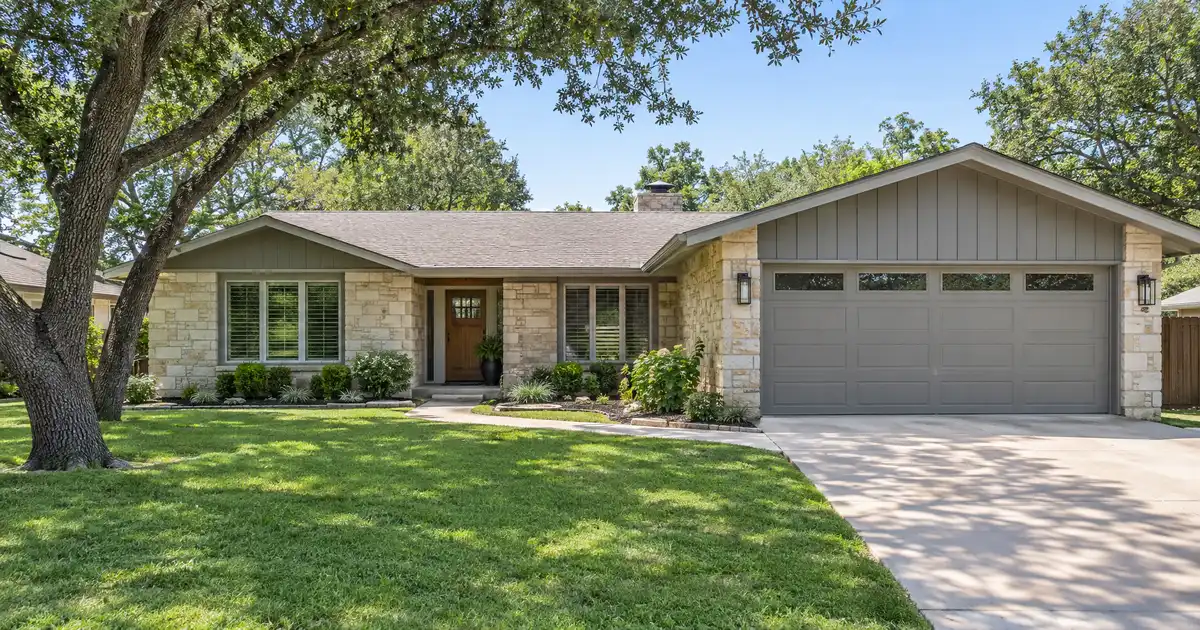
Current refinance guidelines, updated from one source.
The figures below are the programs’ settings as they apply in Texas, read from Lendmire’s guideline sources: the conventional leverage and insurance line, the streamline and IRRRL conditions, and the credit figures. A rate-and-term refinance of a Texas homestead that returns no cash is not a home equity loan under the state constitution, so the homestead cash-out conditions do not attach to it; refinancing an existing Texas home equity loan carries conditions of its own.
One-unit principal residence; mortgage insurance above 80%
Conventional leverage for a rate-and-term file: 95% of value on a one-unit principal residence, 97% on the first-time-buyer programs where allowed, with the old loan, the costs, and a purchase-money second inside the new balance. Mortgage insurance attaches above 80%, may be cancelled on request at 80% of the original value, and ends on its own at 78%.
An existing FHA loan, refinanced with a net tangible benefit and a limited credit review
An existing FHA-insured loan can be refinanced through the streamline with no appraisal, a limited credit review, and a net tangible benefit as HUD defines it; the previous loan’s seasoning and payment history still apply, and FHA mortgage insurance continues on the new loan. The FHA rate-and-term with an appraisal reaches 97.75% on a principal residence occupied for the previous year.
An existing VA loan, no VA appraisal; seasoning of 210 days and six payments
VA’s rate-reduction refinance in four parts: an existing VA loan, a 0.5% fee inside the new balance unless exempt, seasoning of 210 days and six payments on the old loan, and a net tangible benefit, with no VA appraisal and no cash out. Fees and costs must be recouped from the lower payment within VA’s window when the new loan does not exceed the payoff.
DTI to 50%; jumbo from 660 on its lanes
A 620 score opens the conventional programs, and the automated finding, not a fixed floor, decides most files, with the total ratio capped at 50%. A balance above the conforming limit moves the file to the jumbo lanes: 660 and up, leverage to 90% on the headline lane, amounts to $5,000,000, and a 50% ratio ceiling on the fixed structures.
| Program | Loan being replaced / occupancy | Maximum LTV | Conditions |
|---|---|---|---|
| Conventional rate-and-term (Fannie Mae / Freddie Mac) | One-unit principal residence | 95% | limited cash-out: the old loan, the closing costs and a purchase-money second roll in, incidental cash only; 97% where the existing loan is agency-owned and the first-time-buyer program allows; mortgage insurance above 80% |
| FHA streamline | Existing FHA-insured loan | No LTV test | appraisal not required; net tangible benefit; limited credit review; the previous loan’s seasoning and payment history apply; FHA mortgage insurance continues |
| FHA rate-and-term | Principal residence (owner-occupied the previous twelve months) | 97.75% | with an appraisal and full credit review; FHA mortgage insurance on the new loan |
| VA IRRRL | Existing VA loan; a home the veteran previously occupied | No LTV test | 0.5% funding fee (financeable; exempt veterans pay none); no VA appraisal; net tangible benefit; seasoning the later of 210 days and six payments |
| Jumbo rate-and-term (wholesale lanes) | Above the conforming limit | 90% | 660+ score on the headline lane, loans to $5,000,000, DTI to 50% on the fixed lanes; reserves and the appraisal count per the lane |
A refinance that returns cash is a cash-out refinance and is covered by the conventional, FHA, VA and jumbo cash-out programs; a line of credit that leaves the first mortgage in place is the HELOC program. Each carries its own leverage and its own rules.
Current refinance snapshot · updated October 3, 2026 · a refinance replaces the whole loan and restarts the term unless a shorter term is chosen · closing costs are paid from the loan or at closing and are recovered only through the monthly saving · conforming limits apply by county and are confirmed by a Lendmire loan officer · Lendmire is a broker licensed in sixteen states for consumer mortgages, never the lender.
Guidelines, not an offer. The leverage, the mortgage-insurance lines, the streamline and IRRRL conditions, the credit floors, and the ratio ceilings are agency, HUD, VA, and wholesale parameters read from Lendmire’s guideline sources on the date shown, subject to change without notice and to full underwriting. Nothing here is a rate, a payment, or a fee quote; the calculator uses a published benchmark. Lendmire LLC, NMLS #2371349, is a mortgage broker, not a lender, licensed in sixteen states for consumer mortgages. Not legal or tax advice.
What a rate-and-term refinance is — and how the file is qualified.
A rate-and-term refinance is simple to describe and particular in its rules. The four cards below cover what the new loan is and what it may pay off, which of the four programs applies to the loan being replaced, how the benefit test and the break-even decide whether the refinance pays, and what to do when the real goal is cash rather than terms.
For the program overview, see Lendmire’s refinance program, or the statewide guide at Refinance in Texas; when the goal is cash, see the cash-out refinance program.
One new loan replaces the old one
The new loan is a complete first mortgage. At closing, it pays off the existing first mortgage. It also pays the closing costs and prepaid items. On a conventional file, it pays off a purchase-money second lien taken when the home was bought. The balance is otherwise unchanged, and only incidental cash comes back. The old payment ends; one new payment, on the new term and the new rate, replaces it.
Four programs, one question: which applies
Four programs serve four situations. The conventional refinance fits most New Braunfels homeowners, including FHA borrowers leaving the premium behind. The FHA streamline fits an FHA borrower who wants a lower payment with the least paperwork. The VA IRRRL fits a veteran with a VA loan, including a home once occupied and now rented. The jumbo lanes fit a balance the conforming limit cannot hold.
The benefit test and the break-even
A refinance pays when the owner keeps the loan past the break-even and the term reset does not give back the saving in interest. On an FHA streamline or a VA IRRRL the new loan must also deliver a net tangible benefit as the agency defines it, and VA requires the fees and costs to be recouped within its window when the new loan does not exceed the payoff. The New Braunfels calculator below runs all three figures.
When the goal is cash, not terms
If the reason to refinance is cash, this is the wrong page, and saying so early saves a wasted application. The cash-out programs size the new loan on the value and return the difference; the HELOC adds a second lien behind a first mortgage worth keeping. Each has its own guide. The rate-and-term refinance is for an owner who wants better terms on the same balance.
The calculator asks for what only you know, the balance, the current rate, the years left, and the closing costs you have been quoted or expect, and takes the rest from the programs. What comes back is the new payment, the monthly change against the current payment, the months to break even, and the interest over the new term beside what remains on the old loan, for a New Braunfels home.
Where New Braunfels’ mortgages were written — and what a refinance changes.
The market does not change the rules, but it changes the arithmetic. The U.S. Census Bureau figures below show New Braunfels’ ownership rate, median home value, and median household income. They describe the balances, the equity cushions, and the incomes a typical refinance here is sized against.
Read the figures as backdrop. A value well above the balance makes the appraisal a formality and the mortgage-insurance line easy to clear; a value close to the balance makes both decisive. The market sets the cushion, the program sets the cap.
Data sources: U.S. Census Bureau — ACS 5-Year (2024) housing and population estimates, including tenure, home values, gross rents, and household income.
Distinct New Braunfels neighborhoods, distinct refinance questions.
The New Braunfels submarkets below show where the mortgages sit and what a refinance there asks: the program the existing loan points to, the value the cap is tested against, and the costs the saving has to recover.
Two- to four-unit homes
The two- to four-unit file is the standard New Braunfels refinance with two additions: the occupancy’s own leverage, confirmed for the file, and the rental income from the other units, counted as the agencies permit. The term and break-even arithmetic is unchanged, and the owner-occupied status keeps the rescission period. On a New Braunfels home at the median value, a conventional rate-and-term refinance at the leverage cap allows a new loan up to $322,000 — the existing loan, the closing costs, and a purchase-money second lien are what it may pay off.
Condominiums and townhomes
Much of New Braunfels’ stock is attached housing, and a conventional refinance of a condominium adds the agencies’ project review to the file: the association’s budget, insurance, and investor share are checked before the appraised value is applied to the loan-to-value cap. Established buildings usually pass; newer or investor-heavy ones draw questions. A streamline or an IRRRL on an existing government loan skips the review. Median household income in New Braunfels sits near $86,021 on the latest Census estimate.
Rentals held for years
Landlords in New Braunfels refinance long-held rentals to fix a rate or shorten a term more often than to lower a payment, because the rent carries the loan either way. The conventional and jumbo routes serve the occupancy at its own leverage; the IRRRL serves a veteran who once lived in the home; the investment cash-out guide covers equity taken out. About 35% of New Braunfels’ households rent — roughly 14,226 renter households on the latest Census estimate.
Long-held close-in homes
An owner on a close-in New Braunfels street with years of payments behind the loan is the classic shorter-term candidate: the appraisal is a formality, the loan sits far below the insurance line, and the interest saved by compressing the remaining years is the whole point. The calculator’s interest comparison is where that decision is made. Roughly 26,765 New Braunfels households own their homes on the latest Census estimate — 65% of all households, the pool a refinance draws on.
High-value homes near the limit
On New Braunfels’ pricier streets the balance can sit on either side of the county’s conforming limit, and the costs rolled into the loan can move it across. Under the limit the agencies’ refinance rules apply; over it the jumbo lanes apply, with a higher score floor, reserves after closing, and a second appraisal on the largest loans. The loan officer confirms the limit for the county and places the loan first. New Braunfels is home to about 105K people and sits within the San Antonio-New Braunfels, TX area.
Newer infill and recent purchases
Recent purchases refinance for terms rather than for equity. The conventional cap in the snapshot is generous enough for most New Braunfels files, and the question is whether the new loan lands above or below the insurance line; rolling the costs in can push it over, paying them at closing can keep it under, and the review places it before the appraisal. The median owner-occupied home value in New Braunfels runs near $339,400 on the latest Census estimate.
Housing stock shapes the appraisal and the equity; the program shapes the loan. The cards above are context for a New Braunfels file, and the calculator below is the arithmetic.
Four reasons New Braunfels homeowners rewrite the mortgage.
A mortgage is refinanced for a reason, and the reason picks the program and the term. These are four of the reasons that bring New Braunfels homeowners to a rate-and-term refinance most often, with what each one asks of the file.
Fix an adjustable rate
An adjustable loan approaching its first reset, or one that has already adjusted, is refinanced into a fixed rate to end the uncertainty. Conventional, FHA streamline, and VA IRRRL all allow the move, and converting an adjustable to a fixed rate is itself a net tangible benefit under VA’s test. The New Braunfels file is qualified on the new fixed payment.
Remove or add a borrower
A name comes off the note only when the loan is rewritten, and the remaining borrower qualifies alone on income, credit, and the ratio. The New Braunfels file is otherwise an ordinary rate-and-term refinance, with the decree, the deed, or the estate documents added; where equity is paid to the departing owner through the loan, the cash-out rules apply instead.
Lower the monthly payment
When the goal is a smaller payment, the file is tested on the break-even and on the term reset. Rolling the costs into the loan raises the balance; restarting the term spreads it across more years; the calculator shows what the New Braunfels owner actually saves after both. The streamline and the IRRRL test the benefit formally; the conventional refinance leaves it to the arithmetic.
Get rid of mortgage insurance
An FHA borrower whose home has gained value can refinance into a conventional loan at or below the no-insurance line and leave the premium behind for good; a conventional borrower paying private mortgage insurance can do the same, or can ask the servicer to cancel it at the published line without refinancing at all. The appraisal sets the value, and the value decides which route is open.
Estimate the new payment and the break-even on a New Braunfels home before requesting a quote.
Four programs, one calculator. Conventional applies the leverage cap and the mortgage-insurance line; the FHA streamline and the VA IRRRL skip the value test, and the IRRRL adds its fee to the loan; jumbo applies the lane’s cap. Enter your New Braunfels figures and read the payment, the change, the break-even, and the interest comparison before requesting written terms.
New Braunfels refinance savings and break-even estimate
The starting figures are a typical New Braunfels value with a balance in proportion and a placeholder for costs. Replace them with yours, and enter the current rate from your statement.
Editable benchmark: 7.28% as of October 1, 2026 · Freddie Mac 30-year average via FRED®. A conventional market reference, not a refinance quote.
Illustrative starting assumptions: a $340,000 home value near New Braunfels’ median owner-occupied value, a $238,000 current balance, a current rate and remaining term you enter, closing costs seeded at $5,000 as an editable placeholder (not a fee quote), a thirty-year term at the current Freddie Mac benchmark, and property taxes and insurance estimated for Texas (U.S. Census Bureau). Every field is editable.
Illustrative estimate only — not a Loan Estimate, approval, quote, or commitment to lend. The new rate field carries the weekly Freddie Mac thirty-year conventional benchmark, a market reference and not a refinance quote; a refinance is priced by the lender at lock, and the current rate, the remaining term and the closing costs are figures you enter. The current payment is estimated from the balance, the current rate and the remaining term; the break-even divides the closing costs by the monthly saving and ignores the interest effect of a longer term. On the VA IRRRL the funding fee is added to the loan unless the veteran is exempt. Taxes and insurance are editable estimates. Licensed in sixteen states for consumer mortgages; Lendmire is a broker, never the lender.
Same home, four ways to refinance it.
Same home, four instruments: the conventional rate-and-term that most New Braunfels owners use; the FHA streamline and the VA IRRRL, which only an existing FHA or VA borrower can use; and the jumbo rate-and-term for a balance the conforming limit cannot hold. The cards below compare what each one asks and what it delivers.
Conventional, streamline, or jumbo.
The general route: any first mortgage on a home the borrower lives in, refinanced to a new fixed term with an appraisal, tested against the leverage in the snapshot, and carrying no mortgage insurance at or below the line. It rolls in the costs and a purchase-money second, returns no cash, and is how an FHA borrower leaves the premium behind. The price is a full file: income, credit, value. See the conventional loan program.
For a New Braunfels owner whose loan is already FHA or VA, the streamline or the IRRRL is the lightest file on this page: no appraisal in most cases, a limited review, a benefit the new loan must deliver, and the agency’s own seasoning and payment-history rules on the loan being replaced. The FHA premium stays; the VA fee is financed or waived. Neither reaches a borrower whose loan is conventional. See the FHA and VA programs.
For balances above the conforming limit, the jumbo lanes refinance rate-and-term with their own rulebook: the score floor in the snapshot on the headline lane, leverage to the lane’s cap, reserves per the lane, and a second appraisal above the lane’s threshold. The arithmetic is the same as any refinance; the file asks more of the New Braunfels borrower’s documents and liquidity. See the jumbo loan program.
A New Braunfels owner with a conventional loan refinances conventionally. An FHA borrower refinances conventionally to shed the premium and through the streamline to keep the paperwork light. A VA borrower uses the IRRRL. An owner above the conforming limit uses the jumbo lanes. An owner who wants cash is on the wrong page and should read the cash-out guides.
What to prepare for a New Braunfels scenario review.
A conventional refinance documents income, assets, the property, and the loan being replaced; a streamline or an IRRRL documents mostly the loan being replaced. Here is the full set a New Braunfels review may ask for, so nothing waits on paperwork.
This is a general preparation guide, not a universal checklist. The selected lender may request additional information based on the transaction, the property, the automated finding, and the income picture. Nothing here is legal or tax advice.
Local details that can change the loan.
The program is simple to state and particular in its exceptions. Here are the local and file-level details that most often change a New Braunfels refinance between application and closing.
Use these checks to keep the New Braunfels file clean and fundable.
Settle the arithmetic before the paperwork. A New Braunfels refinance that does not recover its costs, or that gives back the saving in added interest, is not improved by a shorter calendar; the review exists to say as much before anything is ordered.
- Know the Texas rules: Taking cash makes it a home equity loan and a cash-out file.
- Run the break-even: Closing costs divided by the monthly saving is the break-even in months.
- Weigh the reset: A longer term lowers the payment and can raise the total interest.
Texas: a rate-and-term refinance is not a home equity loan
Cash changes the category: a Texas homestead refinance that returns cash is a home equity loan under the constitution, with the state’s conditions on top of the cash-out program’s, and belongs to the cash-out guide. A refinance that returns no cash and replaces an ordinary mortgage stays a rate-and-term file, and only an existing home equity loan being paid off brings the constitution into it.
The costs are recovered only through the saving
A refinance that saves a modest amount each month against substantial costs can take years to pay for itself. The rule is simple: if the months to break even exceed the months the owner expects to keep the loan, the refinance does not pay, whatever the new payment looks like. A Lendmire review states the break-even in writing before any fee.
The term starts over unless you choose a shorter one
A new thirty-year loan on a balance that had ten years of payments behind it restarts the clock, and the interest over the new term can exceed what remained on the old loan even at a lower payment. The calculator sets the two side by side. A New Braunfels owner who wants the saving without the reset chooses a term close to the years remaining, or shorter.
The loan being replaced may need to be seasoned
A loan a month short of its seasoning cannot be refinanced through the IRRRL until the month passes, and an FHA streamline waits on the previous loan’s seasoning and payment record. The conventional refinance has no such clock, which is one reason a recent FHA or VA borrower sometimes refinances conventionally instead. The New Braunfels review reads the first-payment date before anything else.
The appraisal decides the conventional and jumbo routes
Expect an appraisal on the conventional and jumbo routes and none on an FHA streamline or a VA IRRRL. Improvements count to the extent the market pays for them; comparable sales decide the rest. A value that disappoints leaves three options for a New Braunfels owner: a smaller loan, a reconsideration with better comparables where they exist, or waiting.
From a New Braunfels scenario review to a new first payment.
A refinance runs in a fixed order: a scenario review that sizes the loan and runs the break-even; an application and the automated finding, or the limited review of a streamline; the appraisal where one applies and underwriting; and a closing followed, on a principal residence, by the rescission period and funding. Here is each step for a New Braunfels owner.
Scenario review
The review settles the shape of a New Braunfels file: which program, which term, whether the saving recovers the costs, whether the term reset gives the saving back, and whether the value supports the plan. The answer is written terms and a break-even figure, or a plain recommendation not to refinance yet.
Application and automated finding
The application goes to the selected wholesale program and the automated finding comes back with the documentation the file needs; the FHA streamline and the VA IRRRL follow their own limited review instead. The finding sets the ratio ceiling and often trims the paperwork; the loan officer reads it before the appraisal is ordered.
Appraisal and underwriting
Value first, then verification. On a conventional or jumbo refinance the appraisal is the one input the New Braunfels owner cannot control; on a streamline or an IRRRL there is none. Underwriting reads the finding’s conditions, the payoff, and the benefit test where it applies, and, where the file supports it, approves the loan on the terms the review set out.
Closing, rescission, and funding
At closing the new loan is signed, the payoff is ordered, and after the rescission period on a home the borrower lives in, the old loan is retired and the new one begins. Second homes and investment property fund without the wait. The new servicer sends the first statement, and any saving the review showed starts with it.
A brokerage that runs the break-even honestly.
Lendmire is a mortgage brokerage licensed to arrange consumer mortgages in sixteen states, and on a refinance that buys three things: the break-even run honestly, with a plain recommendation not to refinance when the numbers say so; the file shopped across several wholesale programs rather than one; and terms in writing before the appraisal is ordered.
The break-even, run before anything else
Every Lendmire refinance review begins with the costs against the saving and the interest over the new term against what remains on the old loan. A New Braunfels owner whose numbers do not work hears so in the first conversation, in writing, and spends nothing finding out.
Shopped across wholesale programs
The conventional route, the streamlines, and the jumbo lanes are compared side by side on the owner’s balance, value, and goal, and the program that delivers the saving at the lowest cost is the one the file goes to. The lender is never the only option because the brokerage is not the lender.
Terms in writing, before any fee
The review ends with written terms on a cautious value, and nothing is ordered until the New Braunfels owner agrees the plan is worth an appraisal where one applies. The appraisal is not ordered for a plan the review has already ruled out.
Trusted by homeowners & families alike.


New Braunfels refinance FAQs
The refinance questions a New Braunfels loan officer hears most, answered plainly: when it pays, what it costs, which program, and what the appraisal can do.
What is a rate-and-term refinance, and how is it different from a cash-out?
The difference is cash. A rate-and-term refinance can lower the payment, shorten the term, end mortgage insurance, fix an adjustable rate, or change the borrowers, and returns only incidental cash. A cash-out refinance exists to return cash. Paying off a line of credit or a non-purchase-money second through the loan makes the file a cash-out even when the borrower receives nothing.
When does refinancing actually make sense?
Run three numbers: the costs divided by the monthly saving, which is the break-even; the interest over the new term against what remains on the old loan; and how long you expect to keep the home. If the break-even is comfortably inside your horizon and the term reset does not erase the saving, it pays. If not, waiting is the better refinance.
What does a refinance cost to close?
Closing costs on a New Braunfels refinance are the price of the new loan: origination and third-party charges, prepaids, title, and recording, plus the IRRRL fee on a VA file. The written terms list them; the calculator lets you enter your estimate and shows how long the saving takes to recover them. Rolling them in avoids cash at closing and adds them to the balance.
Can I get rid of mortgage insurance by refinancing?
Refinancing is one of two ways. The other, for a conventional loan, is a cancellation request to the servicer at the published line, which costs nothing. For an FHA loan the refinance is the only way, and the new loan must be conventional and at or below the line, which an appraisal decides.
What is an FHA streamline, and who can use it?
Only FHA-to-FHA. The streamline cannot refinance a conventional or VA loan, and it cannot remove FHA insurance; it can lower the payment or fix an adjustable rate with less documentation than any other refinance on this page, provided the new loan passes HUD’s benefit test and the old loan is seasoned with the required payment history.
Why is there a waiting period after I sign?
Federal law gives a borrower refinancing the home they live in a short period after signing to cancel the transaction, and the new loan cannot fund, nor the old one be paid off, until it has run. It protects the homeowner; it also means the closing date and the funding date are different days, and the first payment on the new loan follows the funding date. Second homes and investment property refinances have no rescission period.
My balance is above the conforming limit. Can I still refinance?
Yes, through the wholesale jumbo lanes, which refinance rate-and-term above the conforming limit on their own rules: the score floor and loan-to-value cap in the snapshot on the headline lane, loan amounts to the lane’s maximum, reserves measured in months of payments, and a second appraisal on the largest loans. The county limit changes yearly and is confirmed by a Lendmire loan officer; a loan that sits just over it with the costs included is a jumbo file, and one that sits just under is an agency file.
Can I refinance to remove my ex-spouse, or to add someone, to the mortgage?
Yes, and the file is qualified on whoever will carry the loan afterward. A divorce decree, an estate document, or a trust agreement explains the change; the program is the one the existing loan allows; and whether the file stays rate-and-term depends on whether the loan pays anyone out.
Can I refinance a rental or a second home with a rate-and-term loan?
Second homes and rentals refinance rate-and-term on the conventional and jumbo routes, each occupancy at its own leverage and with no rescission period at funding. The New Braunfels file is qualified on the borrower’s income and credit, with the rent counted as the agencies allow; the program figures on this page are the principal-residence figures, and the loan officer states the occupancy’s own.
Can I refinance an adjustable-rate mortgage into a fixed rate?
An adjustable loan nearing its reset is one of the clearest cases for a New Braunfels refinance, because the benefit is certainty rather than a saving the calculator can price. Conventional, streamline, and IRRRL all allow the conversion; the program follows the loan being replaced.
A New Braunfels mortgage, rewritten on current terms.
Enter your New Braunfels figures above, then ask for a review; the program, the cap, the insurance line, the benefit test, and the break-even are checked against the agencies’ rules and the wholesale overlays, and what comes back is a written set of terms, not an estimate, and a plain recommendation if the refinance does not pay.
This guide covers New Braunfels — for the statewide guidelines, markets, and scenarios, see Refinance in Texas, part of Lendmire’s refinance program.
Nearby markets in Texas: San Marcos · Wimberley · Kyle · San Antonio · Austin · Cedar Park · Fredericksburg · Pflugerville
Related programs: Cash-Out Refinance · Conventional Loans · HELOC