
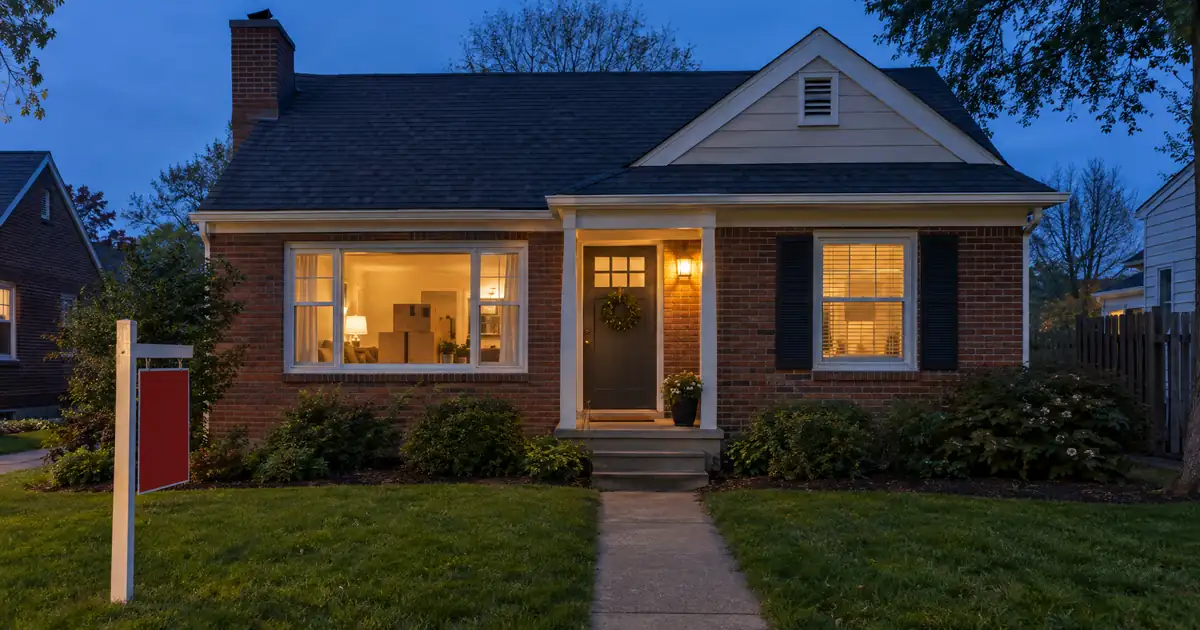
The Quick Read: A cash-out refinance on a true second home does not come with the federal three-day right to cancel. That right exists to protect the home you live in, and a vacation home or second residence is not that home. Once you sign, the loan stands. The protection moves earlier in the process, to how carefully you read the paperwork before closing.
Key Takeaways
- The three-day cancellation window covers your principal dwelling, meaning the home you actually live in. It does not cover a second home.
- Planning to move into the second home someday does not change the answer.
- A conventional cash-out on a second home typically reaches 75% loan-to-value, against 80% on a one-unit primary residence.
- Lenders look at how the property is really used, not only the box you check on the application.
- With no cooling-off period, your protection is the Loan Estimate and Closing Disclosure review before you sign.
What Is the Right of Rescission, in Plain English?
The right of rescission is a short cooling-off period after you sign certain home loans. During it, you can cancel the new loan for any reason, with no penalty. It applies to many refinances and home equity loans. It does not apply to a purchase loan.
The window is three business days. Saturdays count as business days. Sundays and legal public holidays do not.
The right is built around one idea: your home is the roof over your head. Lenders put a lien on it, and the law gives you a few days to reconsider before that lien takes hold. A second home does not fit that idea. If the loan goes bad, you are not at risk of losing the place you live.
So the real question is not “is this a refinance?” It is “is this my principal dwelling today?” A person can have only one at a time.
How the Occupancy Label Decides Everything
Occupancy is how you use the home, and it is the first thing a lender settles. There are three common types: primary residence, second home, and investment property. Each carries different leverage limits.
Across the conventional cash-out refinance programs Lendmire arranges, the leverage gap is easy to see. A one-unit primary residence typically reaches 80% loan-to-value. A second home typically reaches 75%. That 5-point difference means a smaller check at the closing table on the second home, even if both houses have identical value and equity.
If you are comparing options for cash out, Lendmire’s cash-out refinance programs page lays out the program categories. For a second home, the conventional lane is the realistic path. The government streamlines, the FHA Streamline and the VA IRRRL, are built for existing government loans on homes people live in. They are not the route for pulling cash from a vacation property.
Here is the catch that trips people up. The application is not the final word on what the property is. A lender can ask how often you stay there, who else controls it, and whether it earns rent. If the facts say second home, the loan is a second-home loan, no matter what you hoped to call it.
How a Second-Home Cash-Out Is Underwritten, Step by Step
Here is the sequence from application to closing table.
1. Declare occupancy honestly. The application and the automated underwriting run both reflect the occupancy you state. Declaring a primary residence to reach better terms, when it is not one, invites a misrepresentation problem. Skip it.
2. Confirm the property qualifies as a second home. The agency rules are specific, and the next section covers them.
3. Check the seasoning clocks. Two timers matter. The existing first mortgage being paid off must be at least 12 months old, counted from note date to note date. You must also have been on title for six months. There are exceptions for delayed financing, inheritance and legal awards. A buyer who paid cash may want to read Lendmire’s explainer Cash-Out Refinance Delayed Financing Rules for a Second Home.
4. Apply the leverage cap. On a conventional second-home cash-out, the new loan typically tops out at 75% of the appraised value. The appraisal sets that value.
5. Order a new appraisal. A cash-out refinance needs a fresh valuation. You cannot lean on the value from your original purchase.
6. Review the disclosures. You receive a Loan Estimate and a Closing Disclosure, as with any consumer mortgage. A Notice of Right to Cancel is not part of a true second-home package, because the right does not exist there.
7. Close and fund. With no statutory waiting period, the timing of cash depends on the closing and title process. Do not build your budget around a fixed funding date.
Every figure here is subject to lender guidelines and full file review, and nothing is a commitment to lend.
What Counts as a Second Home?
Fannie Mae’s Selling Guide sets the test. A second home must be occupied by the borrower for some portion of the year. It must be a one-unit dwelling suitable for year-round use. You must keep exclusive control of it, and it cannot be a timeshare or a rental arrangement.
It also cannot be subject to agreements that give a management firm control over who occupies it. That detail matters for owners who enroll a cabin in a rental pool. Heavy rental use can push a property toward investment treatment, and the leverage cap drops with it. Fannie Mae does allow a second-home delivery when rental income is not used to qualify and every other second-home rule is met.
The Fannie Mae and Freddie Mac guides decide eligibility and leverage. They say nothing about rescission. They decide the label, and the label decides whether the federal cooling-off window exists.
Where the Rule Itself Comes From
The right to cancel comes from Regulation Z, the federal rule that implements the Truth in Lending Act. Section 1026.23 applies it to a transaction that places a lien on a consumer’s principal dwelling. The CFPB’s published text and commentary add two points. A consumer can have only one principal dwelling at a time. A vacation or other second home is not one.
The commentary also covers the move-in-later situation directly. A loan secured by a second home is not rescindable, even if the consumer intends to live there in the future. Intent does not count. The home has to be your principal dwelling when the loan is made.
The same page explains the clock. The three business days run from the last of three events: closing, receipt of the Truth in Lending disclosure, and receipt of the notice of right to cancel. The CFPB’s Know Before You Owe explainer walks through that same sequence. If you cancel a loan that does carry the right, the Ask CFPB guidance says the lender must return money or property you paid within 20 calendar days of receiving your notice.
Side by Side: Where the Cancel Right Applies
| Situation | Cancel right? | Why |
|---|---|---|
| Cash-out on your primary residence | Yes | It is your principal dwelling |
| Cash-out on a true second home | No | Not a principal dwelling |
| Second home you plan to move into later | No | Intent does not change the rule |
| Same-lender refinance of a primary home | Only on new money | Applies to the amount above the old balance and costs |
On a primary-residence cash-out, the lender cannot release funds until the window closes. That built-in pause is the cost of the protection. A second home skips the pause, and it skips the protection too.
Edge Cases Where the General Rule Bends
Part-year residents and snowbirds. Spending winters in a warm-weather home does not make it your principal dwelling if your main home is elsewhere. One principal dwelling at a time is the test.
Planning to move in. The commentary closes this door. Until the home is genuinely your principal dwelling, a loan on it is not rescindable.
Buying or building a home you will occupy within a year. The regulation has a special rule for a consumer who buys or builds a dwelling that will become the principal dwelling within one year. That applies to the acquisition or construction loan. It is a purchase-money situation, not a cash-out refinance of a second home.
Converting a home you live in. If the property is your primary residence at the time of the loan, the right applies, and the lender should treat it as a primary-residence loan with the 80% cap. If you later move out, the next loan is judged on the facts at that time.
Rental use. A second home with light, incidental rental use can stay a second home. A property run mainly as a rental, or placed in a management firm’s rental program, can be treated as an investment property. This article does not cover that lane.
Condo, co-op and manufactured home exceptions. Fannie Mae’s matrix carries special limits for some of these property types. Check the live matrix with your loan officer before assuming your property fits the standard box.
Missed or defective notices on a primary home. If a lender fails to deliver the required notice or key disclosures on a loan that does carry the right, the cancel period can run longer. That is a primary-residence issue. Receiving a cancellation form on a second-home loan does not create a right the law does not give.
What the Rule’s Absence Means for Your Budget
No cooling-off window means you cannot walk away for free after signing. Cash-out also raises your loan balance, so your monthly obligation changes. Ask your loan officer for the Loan Estimate and read it line by line, because it is the plan you will be held to.
Three practical points follow.
- Expect a smaller cash-out check than on a primary home. The 75% cap against 80% is the reason. The gap grows with the value of the property.
- Do not plan around a funding date. Timing on a second home depends on the closing and title process.
- Treat the Closing Disclosure as your last checkpoint. Compare it against your Loan Estimate before you sign. Differences in the loan amount, terms or costs are the thing to question at the table.
Fannie Mae’s cash-out guidance confirms the loan must pay off the existing first mortgage, or be a new mortgage on a free-and-clear property, and that proceeds can be used for any purpose. Tax treatment can depend on your situation; borrowers should speak with a qualified tax professional before relying on any deduction or credit.
Already Signed and Having Second Thoughts?
You have fewer options than on a primary home, so decide before closing. Here is what remains.
- Before you sign: you can pause, ask questions, or walk away without owing a cancellation. Closing is the point of no return.
- After you sign: there is no federal right to undo the loan. Paying off or refinancing it later is possible, subject to lender terms, and it brings new costs and a new application.
- Check your loan terms: ask whether a prepayment charge applies before you rely on paying the loan off early.
One honest note from the broker’s side of the desk. The borrowers who regret a second-home cash-out usually regret the amount, not the process. Borrowing the maximum because the equity is there is a decision worth a second look. A smaller draw leaves cushion if the vacation market softens.
Common Misconceptions
- “Every refinance gets three days.” It does not. The right covers principal dwellings.
- “If I plan to move in, it counts.” It does not, until the home is actually your principal dwelling.
- “The three days start when I sign.” They run from the last of closing, the Truth in Lending disclosure and the notice.
- “Rescinding wipes out my old mortgage.” It does not. Cancelling a loan that carries the right cancels the new loan, and your original mortgage still has to be paid.
- “A second-home refinance is the same as a rental refinance.” Second homes and investment properties are separate occupancy types with different leverage limits.
- “The agency guides tell you the rescission rule.” They set eligibility and leverage. Rescission comes from the federal rule.
Key Terms Defined
Right of rescission: a short window after signing certain home loans in which you can cancel the new loan without penalty.
Principal dwelling: the one home you actually live in as your main residence. You can have only one at a time.
Second home: a one-unit property you occupy for part of the year, keep under your exclusive control, and do not run as a rental.
Cash-out refinance: a new first mortgage that pays off the old one and lets you borrow against your equity, with the extra cash going to you.
Seasoning: the waiting period a lender requires before a refinance, such as 12 months on the existing first mortgage and six months on title.
Loan-to-value (LTV): the new loan balance divided by the home’s appraised value, shown as a percentage.
Next Steps
If you are weighing a cash-out refinance against keeping the loan you have, Lendmire can help you compare the programs and the equity each one reaches. Bring your occupancy facts, your title date and your current loan date. Those three details set most of what is possible on a second home. Everything remains subject to lender guidelines and full file review.
Frequently Asked Questions
Can I cancel a cash-out refinance on my second home after I sign?
No, not under the federal right of rescission. That right protects your principal dwelling. A true second home sits outside it. Your protection is reviewing the Loan Estimate and Closing Disclosure before you sign.
If I plan to retire to the second home, do I get the three-day window?
No. The CFPB’s commentary says a second-home loan is not rescindable even if you intend to live there later. The home must be your principal dwelling at the time of the loan.
Why is the cash-out limit lower on a second home?
Leverage caps follow occupancy. Conventional programs typically allow 80% loan-to-value on a one-unit primary residence and 75% on a second home. Lenders treat a second home as a higher risk than the home you live in.
What waiting periods apply before I can take cash out of a second home?
Two apply on conventional loans. The mortgage being paid off must be at least 12 months old, counted from note date to note date, and you must have been on title for six months. Delayed financing, inheritance and legal-award exceptions exist.
Does Sunday or Saturday count when the window applies?
On a loan that carries the right, Saturdays count as business days. That is only relevant if you are refinancing a home that is your principal dwelling.
For your own numbers, request a scenario review with Lendmire.
About Lendmire
Lendmire, NMLS# 2371349, is a mortgage brokerage with consumer lending licenses in 16 states. FHA, VA, conventional and jumbo purchase and refinance loans are arranged through wholesale lending partners, and each application is reviewed individually by the lender. Scotsman Guide named Lendmire a Top Mortgage Workplace in both 2025 and 2026.
Get Started
Ready to find the right loan for you?
In about 30 seconds you can review financing options available for your home or investment property. No commitment required.
Informational only. Not a Loan Estimate, approval, or commitment to lend. Program availability and eligibility are subject to lender guidelines, credit approval, property review, and underwriting.
References
1. Fannie Mae Selling Guide B2-1.1-01, Occupancy Types
2. CFPB, Regulation Z § 1026.23 and official commentary
3. CFPB, Know Before You Owe: right to cancel explainer
4. CFPB, Ask CFPB: right of rescission
5. Fannie Mae Selling Guide B2-1.3-03, Cash-Out Refinance Transactions
This article is part of Lendmire’s Refinance series — every loan program’s qualification details, guidelines, and scenarios live on the loan options page.
Related reading: Texas Cash-Out Refinance Rules for a Paid-Off Home · How to Raise Your Credit Tier for a Second Home Cash-Out Refinance · Can a Retiree Qualify for a Second Home Cash-Out Refinance?
Brandon Miller
Founder & CEO, Mortgage Loan Originator, Lendmire LLC
- Mortgage Loan Originator · NMLS# 1129696 · Verify on NMLS Consumer Access
- North Carolina Real Estate Broker · License# 343312 · Verify on NCREC
- North Carolina Insurance Producer · License# 19053198 · Property, Casualty, Life, Health · Verify on NAIC SBS
- Lendmire LLC · Firm NMLS# 2371349 · Verify firm licensure
Important disclosures. Lendmire (NMLS# 2371349) is a licensed mortgage brokerage. Lendmire is not a direct lender, depository institution, or financial advisor. All loan inquiries are subject to lender underwriting; this article does not constitute a commitment to lend. Rates, terms, and program guidelines are subject to change without notice and vary by borrower profile, property type, and state. Information in this article is general in nature and is not financial, legal, or tax advice. Equal Housing Opportunity. NMLS Consumer Access: nmlsconsumeraccess.org.