
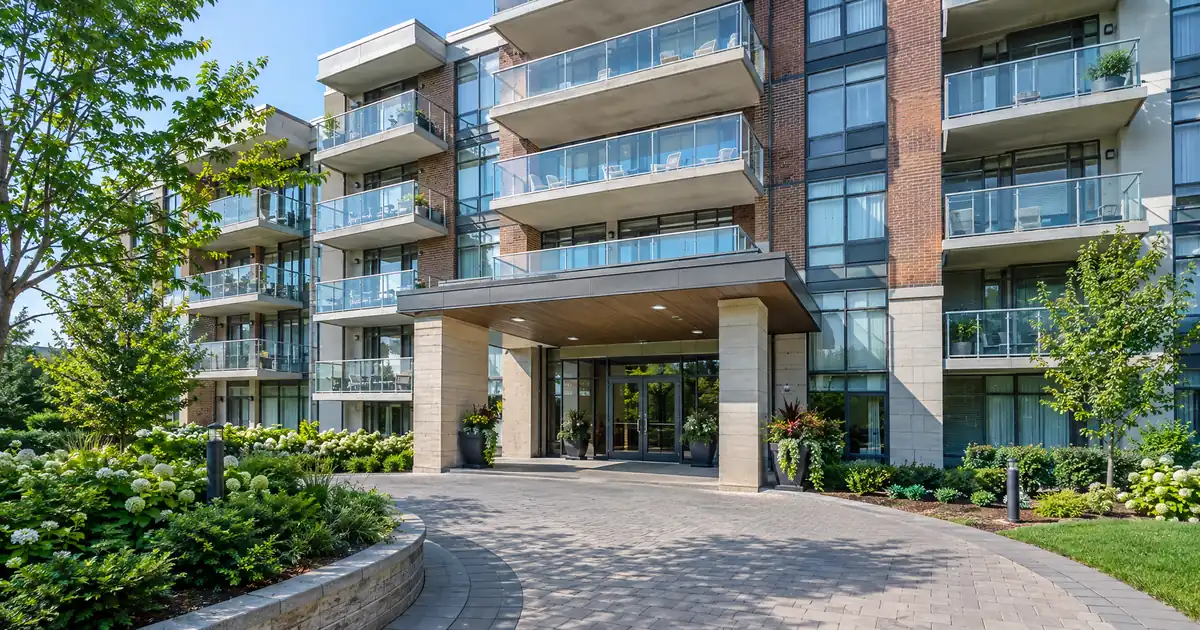
The Quick Read: A condo cash-out has two gates, and you have to clear both. Gate one is you: your ownership time, equity, credit, income and occupancy. Gate two is the building: the condo project must be eligible for the program you pick. FHA caps a cash-out at 80% of the home’s value, and a conventional cash-out sits at a similar ceiling on a one-unit home. A strong borrower can still be stopped by a weak association. Every figure here varies by lender and program — guidelines, property type, leverage, and credit profile all apply.
What Counts as a Primary Home on a Condo Cash-Out?
Your primary home is the place you live most of the year. For an FHA cash-out, you must have owned the condo and lived in it for 12 months before the case number is assigned. A case number is the file ID the lender requests to start an FHA loan.
That 12-month clock is the first thing that trips people up. A condo you bought last spring as a rental and moved into last month does not qualify yet. Neither does a unit you bought and lived in for a few months.
Lenders check occupancy with ordinary paperwork:
- A driver’s license and voter registration showing the condo address
- Bills, bank statements and tax records mailed to the unit
- A lease history, if the unit was ever rented, so the lender can see when you moved in
FHA financing is for a principal residence only. If you own the condo as a second home or rental, the program does not fit. Occupancy decides the leverage, so those loans are priced and capped differently.
Conventional loans handle occupancy differently. They focus on how long you have been on title and how old your current first mortgage is. They do not tie you to a 12-month occupancy clock the way FHA does. Your honest answer on occupancy still has to match your paperwork.
The Two Gates: You and the Building
Most borrowers expect the lender to look at them. Fewer expect the lender to look at the building too. On a condo, the lender must confirm the project itself meets program rules before it can fund anything.
Gate one covers the borrower and the loan:
- Time on title and time living in the unit
- Credit history and payment history
- Debt ratios, which compare your monthly debts to your monthly income
- The appraised value and the equity you will keep
Gate two covers the project:
- How many units are owner-occupied versus rented
- Whether the association is current on its own bills and reserves
- Whether the master insurance policy is adequate
- Whether any lawsuit involves the association
- Whether too many owners are behind on dues
In practice, gate two is where condo cash-outs stall. The lender needs documents from your association or its management company. You do not control how fast they respond or what the numbers show. That is why it helps to ask for the association’s documents early.
If you want the FHA route on your own unit, Lendmire’s FHA cash-out refinance program page walks through how that loan is structured. The condo-specific rules below tell you whether your building is a fit.
How an FHA Cash-Out Works on a Condo
An FHA cash-out replaces your current first mortgage with a larger FHA loan. The new loan pays off the old one and the closing costs. What is left over comes to you as cash. Across the files Lendmire arranges, the maximum is 80% of the home’s appraised value, on a home you have owned and occupied for 12 months before the case number.
The 80% cap is a lower number than many older articles show. HUD lowered the FHA cash-out ceiling so it matches the ceiling used for conventional cash-outs. If a page quotes a higher cap, it is out of date.
The cap applies to the combined debt. Any other loan that stays on the property counts against it.
Here are the steps on a condo:
1. Borrower screen. The lender checks title, occupancy, the age of your current loan, your payment history, credit and ratios. The base ratio pair is 31/43, meaning housing costs at 31% of income and total debts at 43%. With documented compensating factors, ratios can reach 40/50 at the top tier. The automated underwriting finding governs most files.
2. Project screen. The lender checks whether your condo project is on FHA’s approved list. HUD says FHA insures condo loans in approved projects, and also in unapproved projects that meet Single-Unit Approval requirements.
3. Appraisal. The appraiser values the unit. Value times the 80% cap sets the most the new loan can reach.
4. Underwriting and closing. You receive a Loan Estimate early and a Closing Disclosure before signing. Compare them line by line.
FHA charges mortgage insurance, which protects the lender if the loan goes bad. It has two parts. The upfront premium is 1.75% of the base loan, and it can be financed into the loan. The annual premium runs between 0.15% and 0.75% of the balance, depending on term, loan amount and LTV. LTV, or loan-to-value, is the loan balance divided by the home’s value.
On a thirty-year loan at or below 90% LTV, the annual premium ends after eleven years. A cash-out tops out at 80%, so that is the bucket it falls in. Above 90% LTV, the premium lasts the whole term. These are program mechanics, not prices, and your Loan Estimate shows what applies to your file. Final terms depend on lender guidelines, property type, leverage, and the borrower’s complete credit picture.
How a Conventional Cash-Out Works on a Condo
It also replaces your first mortgage and hands you the difference.
The Fannie Mae Selling Guide’s cash-out rules set a minimum time that at least one borrower must be on title before funding. There is a named exception, called delayed financing, for people who bought with cash and can document the source of those funds. The guide also ties reserves to higher debt ratios. Reserves are the savings left over after closing.
A separate rule says the loan being paid off must have some age of its own. A first mortgage you took out recently may not be eligible to refinance for cash yet. Ask the lender to check the note date of your current loan before you pay for an appraisal.
On a one-unit condo that is your home, the conventional leverage ceiling is close to FHA’s 80%. The gap shows up elsewhere: credit expectations, mortgage insurance and project review.
Project review is its own step. Before it funds a loan on a condo, the lender must determine the project meets Fannie Mae’s eligibility requirements. The review comes in forms called Full Review and Limited Review, depending on the project. A project can fail for reasons you cannot fix as a unit owner, such as too many owners behind on dues or terms that let the association’s unpaid charges outrank a mortgage.
FHA vs. Conventional Cash-Out on a Condo
This table narrows it to condos.
| Factor | FHA cash-out | Conventional cash-out |
|---|---|---|
| Leverage ceiling | 80% LTV | Close to FHA on one unit |
| Occupancy | Owned and lived in 12 months | Time on title; age of first loan |
| Project path | Approved list or Single-Unit Approval | Full or Limited Review |
| Mortgage insurance | Upfront plus annual | Generally none at this leverage |
| Ratios | 31/43 base; up to 40/50 | Automated findings; reserves may apply |
| Occupancy type | Principal residence only | Other occupancies allowed |
The right pick usually comes down to the building and your credit file, not the headline number. A condo that is not on FHA’s list may still pass conventional review. A unit with a strong building but a thinner credit file may fit FHA better. This is a genuine toss-up until the lender sees the association’s documents.
What Lenders Actually Check in the Building
The association’s paperwork is the bottleneck on most condo refinances. The lender sends a questionnaire to the association or management company. Someone there fills it out. Then the lender reads it against the program’s rules.
On the FHA side, the lender completes a project form from information that has to come from verifiable sources, such as the association, its management company, public records or independent third parties. The information has to be recent. FHA also counts owner-occupancy by a defined test: a unit counts as owner-occupied if the owner lived in it for part of the year and did not rent it out for most of the year. Units still owned by the builder do not count as owner-occupied.
Typical questions the lender wants answered:
- What share of units are owner-occupied?
- How concentrated is FHA financing in the project?
- Is the association in a lawsuit?
- Are there special assessments, meaning extra charges on owners for repairs?
- Does the master insurance policy cover what the program requires?
- How many owners are behind on dues?
On the conventional side, the Full Review includes a delinquency test. If too large a share of units are 60 or more days behind on association dues, the project can fail review. Fannie Mae also lists ineligible projects, including those where unpaid common expenses can take priority over the mortgage lien beyond set limits.
Here is the practical advice. Ask your association manager for the budget, the reserve study, the insurance certificate and any litigation notice before you apply. A bad surprise that you find first is easier to handle than one the lender finds mid-file.
A Worked Example in Percentages
Say your condo appraises at 100% of value, and your current first mortgage is 55% of that value. Say you have owned and lived in the unit for more than 12 months, and the building passes review.
An FHA cash-out can reach 80% of value. That leaves a gap of about 25 points of value between your payoff and the cap. Costs come out of that gap. They include the appraisal, title charges, and the upfront mortgage insurance premium. The premium is 1.75% of the base loan, and when it is financed, it sits inside the new loan.
What reaches you is the gap minus those costs. A smaller appraisal shrinks everything. If the unit appraises 5% lower than you hoped, the cap moves with it, and your cash falls by more than 5%.
Condo status can shrink proceeds further. If your project needs a different review path or a lender will not take the file at the full cap, the usable leverage can fall below the program maximum. Ask early whether the lender will fund at the cap for your building, not only for your credit.
Remember what a cash-out does to the loan you keep. A cash-out replaces your current loan with a larger one. The CFPB notes this can raise the monthly payment and change the terms, and cash-out loans are usually repaid over 30 years. If you use proceeds to pay off other debts, CFPB research warns that converting non-mortgage debt into home-secured debt puts the home at risk if payments become unsustainable. Tax treatment can depend on your situation; borrowers should speak with a qualified tax professional before relying on any deduction or credit.
Where the General Rule Breaks
The rules above describe the typical file. Several edge cases change the answer.
The building is not on FHA’s approved list. That does not end the FHA route. Single-Unit Approval lets a loan go forward on a unit in an unapproved project, if the project meets a subset of the approval requirements. Those include owner-occupancy and how much of the building already carries FHA loans. The cap on FHA concentration is tight, so a building with several FHA loans may be out of room.
Very small projects. Single-Unit Approval requires a minimum number of units, so a project of only a few units cannot use it. FHA has a separate pathway for small condo projects, so ask the lender which one applies.
Manufactured-home condos. FHA excludes these from Single-Unit Approval.
Existing FHA loan. If you already have an FHA loan and want a lower payment, an FHA Streamline is a different product. It refinances an FHA loan with no appraisal and a limited credit review. It requires a net tangible benefit, and the mortgage insurance continues. It does not pay you cash.
Rate-and-term instead of cash-out. If you only want to change your loan and take no cash, the FHA rate-and-term with an appraisal can reach 97.75% on a principal residence you occupied for the previous 12 months. It is a different loan with a different cap.
A conventional waiver that does not apply. Some project-review waivers apply to rate-and-term refinances and do not carry over to cash-out. If a lender says a waiver is available, confirm it covers a cash-out.
Veterans. If you served, VA is another route.
If Your Condo Does Not Qualify
A failed project review is common enough to plan for. You have a few options.
1. Try the other program. A building that fails FHA review may pass conventional review, or the reverse. Different programs weigh different things.
2. Wait and fix. Some problems pass with time. Dues delinquency can fall, a lawsuit can settle, and an insurance gap can close. If the association is working on it, ask for a timeline in writing.
3. Change the goal. If you only want a lower payment, a rate-and-term or Streamline might clear a hurdle that cash-out cannot.
4. Use a different product. A home equity loan or HELOC leaves your first mortgage in place. A cash-out replaces it. Those loans carry their own project and lender rules, so ask before assuming they are easier.
Lenders tend to be most cautious about leverage when the building looks weak.
What the Decision Looks Like in Practice
Start with the building, not the loan. Call your association and ask for the budget, the reserve study, the master insurance certificate, a list of any lawsuits and the owner-occupancy share. Then check your own file: how long you have lived in the unit, how old your current loan is, and what your ratios look like.
Then compare the programs against what you find. If you have lived in the unit for 12 months, your building is FHA-eligible or can use Single-Unit Approval, and your credit sits in FHA’s range, FHA is worth pricing. If your credit is strong and your building passes conventional review, a conventional cash-out may carry less mortgage insurance cost. If your building fails both, the answer is to fix the building or change the plan.
Keep in mind that every figure here is subject to lender guidelines and full file review. Nothing here is a commitment to lend.
Key Terms Defined
Cash-out refinance: a new, larger mortgage that pays off your current one and gives you the difference in cash.
LTV (loan-to-value): the loan balance divided by the home’s appraised value, shown as a percentage.
Single-Unit Approval: an FHA path that lets a loan go forward on a unit in a condo project that is not on the approved list, if the project meets a subset of FHA’s rules.
Warrantable condo: a project that meets a program’s eligibility rules and can be financed under it; a non-warrantable project does not.
Seasoning: the waiting period a program requires before you can refinance, such as time on title or the age of your current loan.
Owner-occupancy share: the percentage of units in the building that are lived in by their owners rather than rented out.
Your Next Step
If you are weighing a cash-out refinance against keeping the loan you have, Lendmire can help you compare the programs and the equity each one reaches.
Frequently Asked Questions
Can I do an FHA cash-out on a condo I just bought?
Not yet. FHA cash-out requires that you have owned and occupied the home for 12 months before the case number is assigned. If you want cash sooner, a conventional program may allow it, depending on time on title and the age of your first loan, subject to lender guidelines.
What if my condo is not on FHA’s approved list?
Single-Unit Approval may still work. FHA insures loans on units in unapproved projects that meet its requirements, including limits on how many units already carry FHA loans. The project must be complete, and very small projects cannot use this path.
Is a condo cash-out harder to get than one on a house?
It adds a second review. On a house, the lender looks at you and the property. On a condo, the lender also looks at the association’s finances, insurance and legal status, and a weak building can stop a strong borrower.
Does FHA cash-out allow more leverage than conventional?
On a one-unit home, no. FHA caps cash-out at 80% LTV, and HUD set that level to match the conventional ceiling. The difference is in credit expectations, mortgage insurance and project review. These specifics are subject to lender guidelines and a full review of property, leverage, and credit.
Can I rent my condo out and still use FHA?
FHA financing is for a principal residence only. Renting the unit can break the occupancy rule and affect the project’s owner-occupancy count. Occupancy decides leverage, so a rental or second home falls under different rules.
For your own numbers, request a scenario review with Lendmire.
About Lendmire
Lendmire (NMLS# 2371349) is a mortgage broker licensed for consumer lending in 16 states. Lendmire arranges FHA, VA, conventional and jumbo purchase and refinance loans through wholesale lenders; every file is underwritten by the lender under the applicable program guidelines. Scotsman Guide named Lendmire a Top Mortgage Workplace in both 2025 and 2026.
Get Started
Ready to find the right loan for you?
In about 30 seconds you can review financing options available for your home or investment property. No commitment required.
Informational only. Not a Loan Estimate, approval, or commitment to lend. Program availability and eligibility are subject to lender guidelines, credit approval, property review, and underwriting.
References
1. HUD Archives – FHA cash-out LTV press release
3. Fannie Mae Selling Guide B2-1.3-03, Cash-Out Refinance Transactions
4. Fannie Mae Selling Guide B4-2.1-01, Project Standards
5. Fannie Mae B4-2.2-02 Full Review
6. CFPB – Using Home Equity guide
7. CFPB – Cash-out refinances and paydown behavior of non-mortgage debt balances
This article is part of Lendmire’s FHA Loan series — every loan program’s qualification details, guidelines, and scenarios live on the loan options page.
Related reading: FHA Cash-Out Requirements for a Conventional Borrower With Tight DTI · FHA and Conventional Cash-Out Credit Requirements for a Lower Score Tier · FHA Cash-Out Refinance Requirements at a Glance
Brandon Miller
Founder & CEO, Mortgage Loan Originator, Lendmire LLC
- Mortgage Loan Originator · NMLS# 1129696 · Verify on NMLS Consumer Access
- North Carolina Real Estate Broker · License# 343312 · Verify on NCREC
- North Carolina Insurance Producer · License# 19053198 · Property, Casualty, Life, Health · Verify on NAIC SBS
- Lendmire LLC · Firm NMLS# 2371349 · Verify firm licensure
Required disclosures. Lendmire (NMLS# 2371349) operates as a licensed mortgage broker, not a direct lender or depository. The discussion in this article is general in nature and should not be relied upon as financial, legal, or tax advice — every investment scenario is unique and should be reviewed by a qualified professional. Any loan inquiry is subject to lender underwriting, and this article is not a commitment to lend or a guarantee of approval. Mortgage rates, loan terms, and program guidelines vary by borrower, property, and state, and may change without notice. Equal Housing Opportunity. Verify licensure at NMLS Consumer Access.