
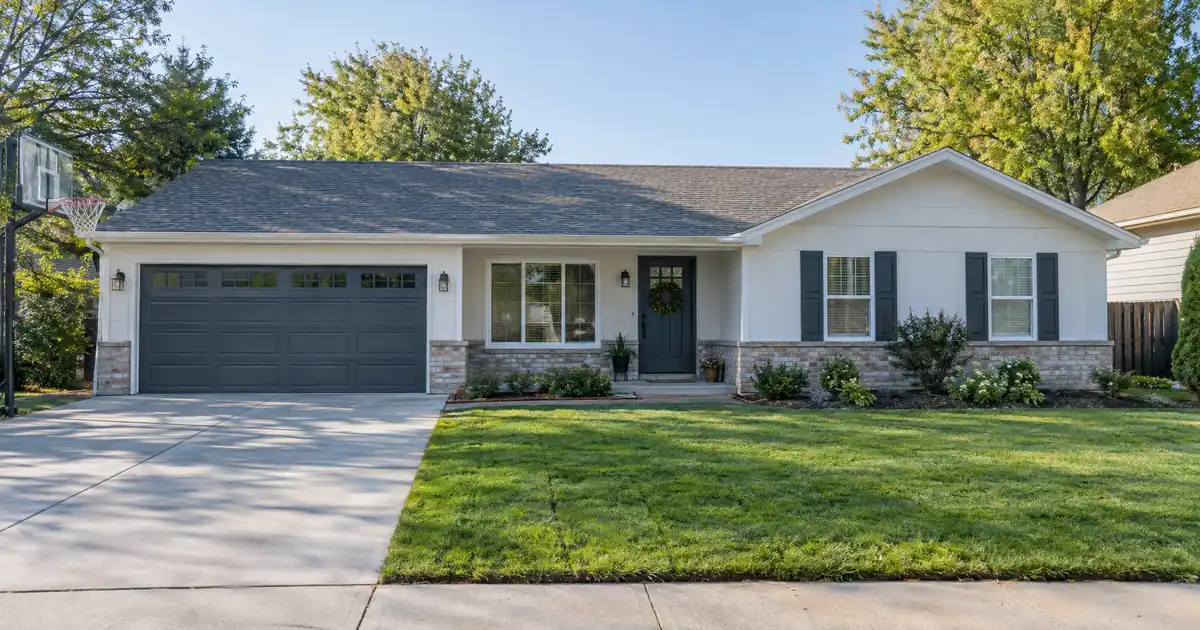
The Quick Read: Yes, usually, when the home sits in a revocable family living trust and the veteran keeps a beneficial interest in it. Retirement does not block the loan. The deciding factors are the type of trust, whether title and the lien are acceptable, and whether the lender is comfortable closing trust files. Irrevocable trusts are where this most often fails.
Does Being Retired Change Anything?
No. Retired status is not an eligibility test. VA looks at service and entitlement (shown on the certificate of eligibility, or COE), occupancy, credit, and income. Nothing in the federal sources treats “retired” as a bar to a cash-out refinance.
What retirement does change is the paperwork. A working borrower shows pay stubs. A retiree shows pension statements, Social Security awards, VA disability compensation, or documented retirement-account distributions. Residual income is the controlling test on a VA loan, so steady, documentable retirement income can carry a file well. The 41% debt-to-income figure is a guideline, not a cap. A ratio above it needs residual income well above the VA table.
One related point. Veterans who receive VA disability compensation, including retirees who take retirement pay instead of compensation, may be exempt from the funding fee. Exemption turns on receiving or being entitled to that compensation. Check VA’s funding fee page and the exemption language on your COE before closing.
What Is a VA Cash-Out Refinance?
A VA cash-out refinance replaces your current mortgage with a new VA-guaranteed loan and lets you take some equity as cash. It is one new loan, not a second loan stacked on the first. The program works on any existing loan type, so a conventional or FHA mortgage can be refinanced into VA.
Across the wholesale programs Lendmire places VA files with, the cash-out reaches up to 100% of the appraised value, with the financed funding fee counted inside that figure. There is no mortgage insurance of any kind, and with full entitlement there is no VA loan limit. The wholesale programs start at a 580 decision score, though VA itself sets no minimum score and some lenders set a higher floor. The VA cash-out refinance program also requires a net tangible benefit and seasoning: the later of 210 days from the first payment on the existing loan and the sixth payment. All of it is subject to lender guidelines and full file review.
The 100% ceiling comes from VA itself. VA Circular 26-19-05 says VA will no longer guaranty refinancing loans when the loan-to-value ratio exceeds 100 percent. A financed funding fee cannot push the loan past reasonable value. Many lenders cap cash-out lower than VA does, so a 90% limit is common elsewhere. That is a lender overlay, not a VA rule.
Can a Veteran Hold Title in a Living Trust and Still Qualify?
Yes, if the trust is a revocable family living trust. The regulation that sets the minimum title a veteran must hold is 38 CFR 36.4354. It allows fee simple, a life estate, or a beneficial interest in a revocable family living trust that ensures the veteran, or the veteran and spouse, an equitable life estate. Two conditions come attached. The lien must attach to any remainder interest, and the trust arrangement must be valid under state law. Title must also be marketable, meaning acceptable to informed buyers, title companies, and attorneys in the community.
VA’s General Counsel reached the same conclusion in opinion VAOPGCPREC 26-95. An otherwise qualified veteran may obtain a VA-guaranteed loan when title is held in a family living trust meeting those conditions. The opinion also says the lender may make the first call on whether the trust and lien are valid under state law. VA can adjust a claim later if the lien proves invalid. That is why lenders are careful with trust files. They carry the first-line risk.
What Must Be True for a Trust-Held Home?
The trust must pass a short list of tests. Expect the lender or its title company to review the trust document, or a certification of trust, and confirm each item below.
- Revocable. The trust can be changed or revoked by the grantor.
- Veteran is a beneficiary. The veteran, or the veteran and spouse, holds the equitable life estate.
- Trustee authority. The trustee has power to borrow against and pledge the property.
- Vesting. Title is recorded in the trustee’s name exactly as the trust describes.
- State-law validity. The trust arrangement and the lien are valid where the home sits.
- Lien reach. The mortgage attaches to the remainder interest too.
An attorney or title company review is typical. It is general practice rather than a VA rule, and it takes time, so trust documentation can lengthen the file.
Revocable vs. Irrevocable: Where This Breaks
| Trust type | VA cash-out fit | What to confirm |
|---|---|---|
| Revocable family living trust | Generally workable | Veteran’s beneficial interest, lien, state law |
| Irrevocable trust | Usually a problem | Whether the veteran keeps the required estate |
| Trust limiting veteran’s rights | Often a problem | Trustee powers and veteran’s interest |
| Veteran plus non-veteran co-owner | Varies | Lender’s treatment of both parties |
The regulation names a revocable trust only. An irrevocable trust does not fit that language. A MOAA article, now several years old, describes a couple who moved their home into an irrevocable trust and were told they could not get a new VA loan. Treat it as an illustration, not current guidance.
Co-owners add a wrinkle. VA guarantees only the veteran’s portion, and the same MOAA piece reports a VA office saying both people in the trust had to qualify. That is old and unverified against current handbook language. If a non-veteran spouse, child, or co-trustee is on title, confirm treatment with the lender before you apply.
Should You Retitle Into the Trust Before or After Closing?
Ask the lender first. This is the step people get wrong, so work it out before any deed is signed.
If the home is already in a revocable trust, the same title rules apply to the refinance, and the lender builds the file around the trust. If the home is in your own name and you plan to move it into a trust, there are two common sequences. You can close the cash-out in your own name and retitle afterward. Or you can retitle first and have the lender review the trust at application.
Retitling an existing mortgaged home can raise due-on-sale questions with the current lender, so confirm the loan terms or ask the servicer before you move the deed. Some lenders decline trust closings, or ask for the deed out of trust before closing. Across the wholesale programs Lendmire works with, appetite for trust files differs from one lender to the next. A veteran turned down by one lender is not necessarily out of options.
What Does the Process Look Like Step by Step?
1. Confirm eligibility. Get your COE and check your entitlement. If an existing VA loan is being paid off, its entitlement carries over.
2. Trust review. Provide the trust or a certification of trust. The lender or title company checks revocability, beneficiary status, trustee powers, and vesting.
3. Appraisal. A VA appraisal sets reasonable value on the Notice of Value. Loan-to-value is the total loan, including any financed funding fee, divided by that value.
4. Net tangible benefit. VA Circular 26-18-30 requires cash-out loans to pass this test. The same circular defines Type I cash-outs (loan not above the payoff) and Type II (loan above the payoff).
5. Occupancy. You certify the home as your primary residence.
6. Underwriting. Full credit and income review, with residual income as the controlling test.
7. Disclosures. Your Loan Estimate and Closing Disclosure show the funding fee and costs. If you are exempt, confirm the fee was removed before you sign.
Cash back always means full underwriting and an appraisal. There is no streamlined skip, unlike the IRRRL.
How Much Does the Funding Fee Matter?
For most borrowers it is the largest single cost factor, and it can be financed. On a cash-out refinance the fee is 2.15% on first use and 3.3% on subsequent use. It is waived for veterans receiving compensation for a service-connected disability and for the other exempt groups. Because the fee counts inside the 100% cap, financing it leaves slightly less cash in your hands.
A bigger balance also means a bigger monthly obligation, and financing the fee raises it further. That matters on a fixed retirement income. Run the budget before you decide how much equity to take.
Cash-Out, IRRRL, HELOC, or Reverse Mortgage?
| Option | Cash to you | Underwriting | Fits when |
|---|---|---|---|
| VA cash-out | Yes | Full, with appraisal | You want equity and one loan |
| IRRRL | No | Streamlined, no appraisal | You only want a lower rate or fixed term |
| HELOC or second loan | Yes | Varies | You want to keep the first loan |
| Reverse mortgage | Yes | Age and equity based | You want no monthly payment |
If the goal is only a lower rate or a move from adjustable to fixed on an existing VA loan, the IRRRL is a separate program. It carries a 0.5% fee unless exempt, with the same seasoning and a net tangible benefit. For an IRRRL, title must still conform to the same 36.4354 language. A reverse mortgage is a different product with different tradeoffs, so compare it against the other options in the table and talk it through with a housing counselor.
What About Occupancy for Retirees?
The home must be your primary residence when you close. Retirees who split time between homes, move into care, or spend long stretches away should say so up front. The test is a certification of occupancy, and lenders can ask follow-up questions. If you do not intend to live in the home, this is the wrong program.
Does the Trust Affect Heirs?
The trust’s probate-avoidance purpose is an estate-planning matter, not a VA one. A VA cash-out does not change what a trust is for, but a new mortgage does change what heirs inherit, since the debt stays with the home. How the loan passes to a successor trustee or heirs depends on your documents and state law. Talk to an estate attorney before moving a home into or out of a trust.
One more case worth knowing. A family living trust does not give a veteran enough ownership to qualify for a Specially Adapted Housing grant, per VA’s General Counsel opinion. If you are a disabled veteran planning adaptations, ask about that before choosing title.
When Will This Not Work?
- The trust is irrevocable, or limits the veteran’s rights.
- The veteran is not a beneficiary with the required equitable estate.
- The trustee lacks borrowing power under the trust document.
- The lender will not close trust files and will not accept a deed out of trust.
- The appraisal comes in too low to support the cash you want within the 100% cap.
- The home is not your primary residence.
- Seasoning on the old loan is not yet met.
None of these is permanent. Some, like seasoning and trustee powers, can be fixed. Others call for a different lender or a different structure.
Key Terms Defined
Certificate of eligibility (COE): The VA document showing you have the service and entitlement for a VA loan.
Reasonable value: The appraised value VA sets on the Notice of Value, which caps the loan.
Revocable family living trust: A trust you can change or cancel, with you as beneficiary, often used for estate planning.
Net tangible benefit: A test showing the refinance gives the borrower a real, measurable gain.
Residual income: What remains each month after debts and living costs, the controlling VA underwriting test.
Seasoning: The waiting period before a loan can be refinanced.
Frequently Asked Questions
Can a retired veteran use VA disability or Social Security income to qualify?
Yes, if the income is documented and expected to continue. Pension, Social Security, VA disability compensation, and documented retirement distributions are all income types lenders review. Residual income is the controlling test, so stable retirement income can support a file even when the debt-to-income ratio is high. Final treatment depends on lender guidelines and full file review.
Does a living trust use up my VA entitlement?
No. The trust affects title, not entitlement. Entitlement depends on your COE and any existing VA loan. If you are paying off a VA loan with the cash-out, its entitlement carries over to the new loan. Your loan officer can confirm what remains on your certificate.
Can I put my home in a trust after the cash-out closes?
Possibly, but ask the lender first. Retitling a financed home can raise due-on-sale questions with the lender. Get written confirmation before signing a deed.
What if one lender declines my trust file?
Another may accept it. VA rules allow a revocable family living trust, but lenders add their own overlays, and some decline trust closings or require the deed out of trust. A mortgage broker with several wholesale channels can look for one comfortable with trusts.
Are the funding fee and a 100% cash-out available to every retired veteran?
Not automatically. The funding fee is waived for exempt veterans, such as those receiving VA disability compensation, and the 100% ceiling depends on the appraisal and a lender willing to go that high. Both are subject to lender guidelines and full file review.
Tax treatment can depend on your situation; borrowers should speak with a qualified tax professional before relying on any deduction or credit.
If you are weighing a cash-out refinance against keeping the loan you have, Lendmire can help you compare the programs and the equity each one reaches.
For your own numbers, request a scenario review with Lendmire.
About Lendmire
Lendmire — NMLS# 2371349 — is a mortgage broker that arranges FHA, VA, conventional and jumbo home purchase and refinance financing in 16 states through wholesale lenders. Every option is subject to the lender’s guidelines and full underwriting. Scotsman Guide named Lendmire a Top Mortgage Workplace in both 2025 and 2026.
Get Started
Ready to find the right loan for you?
In about 30 seconds you can review financing options available for your home or investment property. No commitment required.
Informational only. Not a Loan Estimate, approval, or commitment to lend. Program availability and eligibility are subject to lender guidelines, credit approval, property review, and underwriting.
References
3. VA General Counsel Opinion VAOPGCPREC 26-95
4. MOAA, Beware: Trusts and VA Home Loans Don’t Mix
This article is part of Lendmire’s VA Loans series — every loan program’s qualification details, guidelines, and scenarios live on the loan options page.
Related reading: Is a VA Cash-Out Worth It for a Veteran With an Existing VA Loan? · Can a Veteran Get a VA Cash-Out While a Divorce Is Pending? · VA Cash-Out Credit Requirements for a Veteran With an Existing VA Loan
Brandon Miller
Founder & CEO, Mortgage Loan Originator, Lendmire LLC
- Mortgage Loan Originator · NMLS# 1129696 · Verify on NMLS Consumer Access
- North Carolina Real Estate Broker · License# 343312 · Verify on NCREC
- North Carolina Insurance Producer · License# 19053198 · Property, Casualty, Life, Health · Verify on NAIC SBS
- Lendmire LLC · Firm NMLS# 2371349 · Verify firm licensure
Disclosure information. Lendmire is a state-licensed mortgage brokerage under NMLS# 2371349. Lendmire is not a depository institution, direct lender, or financial advisor — all loans referenced are placed through wholesale lender partners and are subject to each lender's underwriting standards. This article is provided for general informational purposes and is not a commitment to lend, nor does it constitute financial, legal, or tax advice. Loan programs, terms, rates, and qualification standards change without notice and depend on borrower profile, property type, and the state in which the subject property is located. Equal Housing Opportunity provider. NMLS Consumer Access: nmlsconsumeraccess.org.