
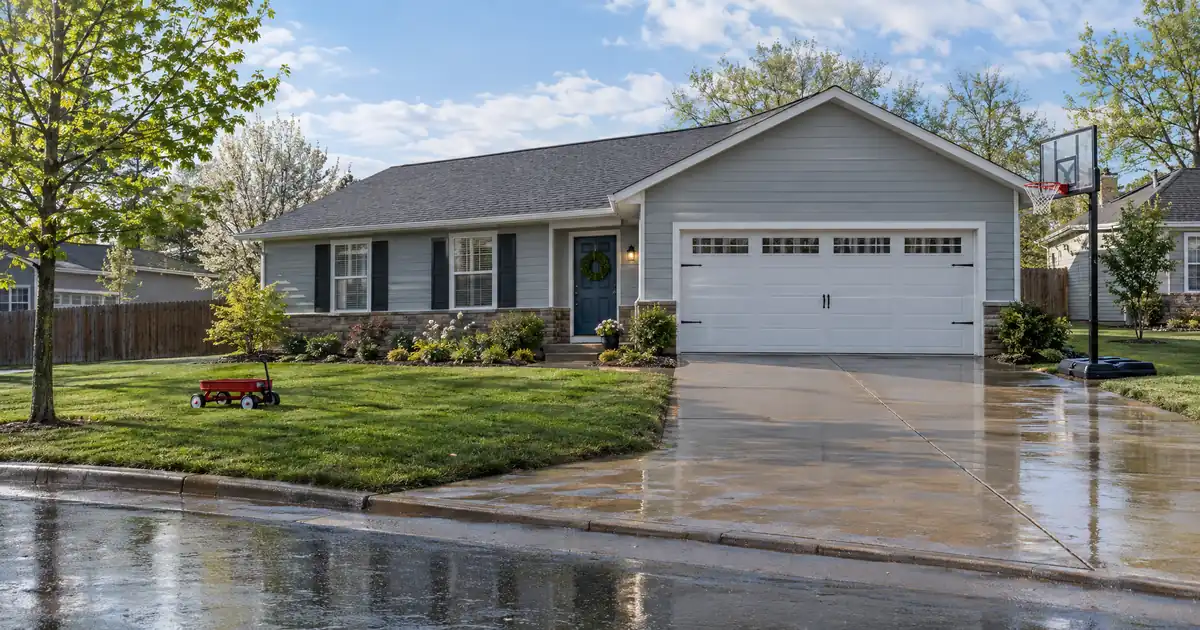
The Quick Read: The smallest down payment on a conventional second home is 10%, because second homes are capped at 90% LTV on a purchase. That is more than the 3% or 5% available on a primary residence. The extra cost shows up in four places: more cash at closing, mortgage insurance above 80% LTV, a pricing adjustment that grows as leverage rises, and the full second payment counting against your debt-to-income ratio. Terms are subject to lender guidelines and full file review.
Key Terms Defined
LTV (loan-to-value): the loan amount divided by the lesser of the purchase price or appraised value.
Mortgage insurance: coverage on the part of the loan above 80% LTV, paid by the borrower, that protects the lender and not you. Final terms depend on lender guidelines, property type, leverage, and the borrower’s complete credit picture.
Pricing adjustment (LLPA): a one-time, risk-based charge that Fannie Mae builds into a loan’s pricing, and second homes carry an extra one.
Reserves: liquid assets you still hold after closing, counted in months of housing payment.
Occupancy: how you declare you will use the home: primary residence, second home, or investment property.
Conventional payment estimate
The starting figures are an example price at the first-time buyer’s minimum down payment. Replace them with yours.
Editable benchmark: 7.32% as of October 22, 2026 · Freddie Mac 30-year average via FRED®. A conventional market reference, not a conventional loan quote.
Estimate seeded at the low end of Fannie Mae’s published range (0.58%–1.86% a year); the insurer prices the actual premium on the score and the leverage. Applies only above 80% loan-to-value.
Illustrative starting assumptions: a $350,000 price, the first-time buyer’s minimum down payment, a thirty-year term at the current Freddie Mac benchmark, mortgage insurance at the low end of Fannie Mae’s published range, and property taxes and insurance estimated at typical national rates. Every field is editable.
Illustrative estimate only — not a Loan Estimate, approval, quote, or commitment to lend. The rate field carries the weekly Freddie Mac thirty-year conventional benchmark, a market reference and not a conventional loan quote; your rate is set by the lender at lock. The mortgage insurance figure is an editable estimate seeded from Fannie Mae’s published typical range, not a premium quote; the insurer prices the actual premium, and the cancellation month assumes scheduled payments with no extra principal and no change in value. Taxes, insurance and dues are editable estimates; closing costs are not included. Conforming loan limits apply by county. Licensed in sixteen states for consumer mortgages.
Key Takeaways
- Occupancy sets the leverage ceiling. Primary homes reach 97% or 95% LTV, and second homes stop at 90%.
- A 10%-down second home normally carries mortgage insurance. How and when it comes off depends on your loan’s insurance terms, so ask before you close.
- Second homes carry an extra pricing adjustment that rises as your down payment falls.
- The new payment counts in full toward your ratios, and rental income can’t be used to qualify.
- Misclassifying how you’ll use the home can change the loan entirely.
What Does “Small Down Payment” Mean on a Second Home?
It means 10% down on a one-unit property, and that is the floor. Fannie Mae’s Eligibility Matrix lists a 90% maximum LTV for a one-unit second home on a purchase, for fixed-rate and adjustable-rate loans alike. These specifics are subject to lender guidelines and a full review of property, leverage, and credit.
Compare that with the home you live in. Across the wholesale programs placed through Lendmire, a one-unit principal residence can reach 97% LTV (3% down) when at least one borrower is a first-time buyer, and 95% LTV (5% down) otherwise. Fannie Mae’s HomeReady product is for principal residences only. The 3% options simply don’t carry over to a second home. Terms depend on the lender’s guidelines, the property type, the leverage, and a full review of the credit profile.
Occupancy is the reason. A lender sees a vacation home as the first payment a stretched borrower would skip, so it asks for more equity up front.
In practice, the borrower who wants this lane usually has equity or savings but would rather keep cash liquid. That is the person this article is written for.
How Is a Second Home Defined?
A second home is a one-unit property you occupy for part of the year, suitable for year-round living, and one you control exclusively. Fannie Mae’s occupancy rules set those tests.
Freddie Mac adds more detail in its Seller/Servicer Guide. The property must be available primarily for your personal use, meaning more than half the calendar year. Short-term renting is allowed only when the home isn’t in a rental pool or a similar arrangement, such as one that forces you to rent, gives a manager control of occupancy, or shares revenue. Timeshares are out.
Those rules matter for cost. If the home doesn’t qualify as a second home, it is underwritten as an investment property, and the leverage limits change. That is a different loan with different terms, and this article doesn’t cover it.
How Is the Loan Underwritten, Step by Step?
Underwriting a conventional second home runs through seven checkpoints, and each one can add to your cost.
1. Occupancy declaration. You state on the application that the home is a second home. The lender checks that against the rules above.
2. Automated underwriting. Most files run through the agencies’ automated systems. Freddie Mac’s guide requires an “Accept” finding from its system. The automated finding governs most files, with a total ratio ceiling of 50%.
3. Maximum LTV. For a second home, that is 90% on a purchase. On a cash-out refinance, the cap drops to 75%, per the earlier Fannie Mae matrix.
4. Appraisal. The loan is sized from the lower of the price or the appraised value. A low appraisal means you bring more cash. If the property has seasonal access limits, such as winter inaccessibility, Freddie Mac asks the appraiser for a comparable with similar seasonal limitations.
5. Assets and reserves. You need funds for the down payment, closing costs, and reserves. Fannie Mae’s matrix notes add reserve requirements for borrowers with multiple financed properties. The exact number of months depends on your file, so a loan officer should confirm it against the current Selling Guide. Exact terms depend on the lender’s guidelines, property type, leverage, and a full review of the borrower’s file.
6. Debt-to-income. The whole payment on the new home, taxes and insurance included, counts against you. Rental income can’t be used to qualify.
7. Pricing. Fannie Mae’s LLPA Matrix includes a second-home adjustment that grows as LTV rises. The lender builds it into your pricing.
What Are the Three Costs of Putting Less Down?
The cost of a small down payment is upfront cash, a pricing adjustment, and mortgage insurance. Each is separate, and they stack.
Upfront cash. At 10% down, you fund a tenth of the price plus closing costs plus reserves. Many second-home buyers underestimate the reserves and furnishing line. The exact numbers vary by lender and program and follow a full review of property, leverage, and credit.
The pricing adjustment. Because second homes carry an extra adjustment that climbs with LTV, 10% down costs more per dollar borrowed than 20% down. The adjustment can show up as a higher interest rate or an added cost, and your Loan Estimate shows how your lender handled it. No percentage is quoted here because it changes and varies by file. Final terms depend on the lender’s guidelines, the property type, and the borrower’s complete credit picture.
Mortgage insurance. Fannie Mae’s Selling Guide calls for mortgage insurance on the portion above 80% LTV, so a 10%-down second home normally carries it. Published typical annual premiums run 0.58% to 1.86% of the balance. That is a range, not a quote, and your actual figure depends on credit, leverage, and the insurer.
How Do the Down Payment Tiers Compare?
Percentages tell the story better than dollars, because they scale to any price.
| Down payment | LTV | Mortgage insurance | Pricing adjustment |
|---|---|---|---|
| 10% | 90% | Yes | Highest |
| 15% | 85% | Yes | Lower |
| 20% | 80% | None required | Lower still |
| 25% | 75% | None required | Lowest of the four |
Moving up a tier does three things. It shrinks the loan, it softens the pricing adjustment, and at 20% it removes mortgage insurance. The tradeoff is simple. Every extra point of down payment is cash you can’t hold in reserve.
When Does a Bigger Down Payment Pay Off?
It pays off when you’ll hold the home long enough for the monthly savings to outrun what the cash could do elsewhere. That break-even is personal, and two things move it.
First, the mortgage insurance. At 10% down you pay it until it comes off under your loan’s terms (covered below). Putting down 20% skips it altogether, which is a permanent monthly saving for as long as you own. Each figure is subject to lender guidelines and a complete review of property type, leverage, and credit.
Second, your alternative use of the money. A buyer with a thin emergency fund is usually better off keeping cash and accepting the insurance. A buyer who is sitting on idle savings has less reason to stay at 10%.
Here’s the honest flip point. If putting 20% down would drain your reserves, the small down payment is the safer structure, even though it costs more per month. If 20% down leaves you comfortable, the insurance and the heavier pricing adjustment are costs you may not need to carry. Leverage, reserves, and pricing vary by lender and program; the final terms follow the full file review.
What Cash Do You Need Beyond the Down Payment?
Plan on four buckets: the down payment, closing costs, reserves, and the cost of making the home livable.
Gifts can help, but only within limits. Fannie Mae’s guide allows gifts from acceptable donors on a second home. When LTV is above 80%, the borrower generally must put in 5% from their own funds before gifts supplement the rest. A gift of equity can’t count toward reserves. Because the gift rules have fine print, confirm them in the Selling Guide before you count on one.
Community Seconds and 105% CLTV financing exist only inside specific affordable programs. They are not a path for a second home.
For a fuller look at the leverage side, Lendmire’s piece How Much Down Payment a Conventional Second Home Loan Needs covers it.
How Does a Second Payment Affect Qualification?
It counts in full. Your ratios must absorb two housing payments, and the 50% total ratio ceiling on the automated finding is the outer limit. Manually underwritten loans use tighter ratios of 36% or 45%, tied to the reserve and score factors in the Eligibility Matrix.
Picture a buyer whose current housing payment already uses about a third of gross income. Adding a second home’s full payment, with taxes and insurance, can push the total ratio toward the ceiling, even with strong credit. Mortgage insurance on the second home adds to that payment, which is another reason a larger down payment can make qualifying easier.
On credit, the wholesale conventional programs generally start at a 620 decision score. Fannie Mae removed the fixed 620 minimum for new Desktop Underwriter casefiles created on or after November 16, 2025, per HousingWire. The system now relies on a broader risk analysis, but credit still affects approval and pricing, and individual lenders can add their own floors. Treat the automated finding as the decision, and a score near the floor as a warning sign for a second home.
Where Does the General Rule Break?
Several edge cases change the answer, and a few of them cost real money.
- Two-unit properties. Fannie Mae limits second homes to one unit. Freddie Mac treats a two-unit property used as a second home as an investment property. A duplex isn’t a second-home loan.
- Second-home cash-out refinance. Leverage falls to 75%, so the 90% figure applies to purchases and limited cash-out refinances only.
- Rental use. Rental pools and timeshares disqualify the property. Heavy rental plans can reclassify the loan.
- Seasonal access. Eligible when the appraiser can support value with a comparable that has similar seasonal limits.
- Manufactured homes. Fannie Mae’s product matrix allows them as second homes, but eligibility details differ by version, so check the current page.
- Condos. A condo second home adds project review on top of these rules. Lendmire’s piece How Much a Small Down Payment Conventional Loan Costs on a Condo covers that layer.
- Several financed properties. More financed homes means more reserves and, at higher counts, stricter credit requirements. Ask your loan officer where your count lands.
How and When Does Mortgage Insurance Come Off a Second Home?
Here is the catch most buyers miss: the federal cancellation rules are written for the home you live in. The Homeowners Protection Act sets cancellation on request at 80% of original value and automatic termination at 78%, but its protections cover primary residences. The CFPB’s bulletin lays out those rules for that setting.
On a second home, removal follows the terms of your loan’s mortgage insurance and the servicer’s and investor’s guidelines. Those terms may look similar to the 80% and 78% marks, but don’t assume it. Ask your loan officer how and when the insurance can come off, and look for the answer in your loan documents before you close.
One point carries over in spirit. Cancellation timing is usually tied to original value, not today’s value, and a current appraisal is typically used only to show value hasn’t fallen. Paying down faster can get you there sooner, but a rising market alone may not move the mark. Paying 20% down avoids the question entirely.
Is a Small Down Payment Right for You?
For some buyers, yes. Consider three profiles:
- The cash-light high earner. Strong income, modest savings. Ten percent down preserves reserves and fits, as long as the ratio holds with two payments.
- The buyer with idle savings. If 20% down leaves a healthy cushion, skipping the insurance and the heavier pricing adjustment usually wins.
- The buyer planning heavy rental use. This one is a genuine warning. If the plan depends on renting the home most of the year, a second-home loan may be the wrong product, and the occupancy rules can undo the structure.
Frequently Asked Questions
Can I use a 3% or 5% down program on a second home?
No. The 97% and 95% options and HomeReady are for principal residences. A second home tops out at 90% LTV on a purchase, which means 10% down at minimum. Terms vary by lender guidelines, property type, leverage, credit profile, and full file review.
Will I pay mortgage insurance on a second home?
Usually, yes, when you put down less than 20%. Insurance applies to the portion of the loan above 80% LTV. The Homeowners Protection Act’s 80% and 78% cancellation rules are written for primary residences, so on a second home, ask your lender how and when the insurance can be removed under your loan’s terms.
Can gift funds cover my down payment?
Partly. With LTV above 80% on a second home, the borrower generally must contribute 5% from their own funds, and gifts can supplement after that. A gift of equity can’t be used for reserves. Confirm the details in the current Selling Guide.
Does rental income help me qualify?
No. The second home’s full payment counts toward your ratios, and rental income can’t be used to qualify. The home must also be available primarily for your personal use, meaning more than half the year.
Can a duplex be a second home?
Not with Fannie Mae, which limits second homes to one unit. Freddie Mac treats a two-unit property used as a second home as an investment property, which carries different rules.
If you are buying a home and want to see whether a conventional loan fits your file, Lendmire can help you compare the options and what each one asks of the file. You can review the conventional loan programs or call 828-256-2183.
About Lendmire
Lendmire — NMLS# 2371349 — is a mortgage broker that arranges FHA, VA, conventional and jumbo home purchase and refinance financing in 16 states through wholesale lenders. Every option is subject to the lender’s guidelines and full underwriting. Scotsman Guide named Lendmire a Top Mortgage Workplace in both 2025 and 2026.
For your own numbers, request a scenario review with Lendmire.
Get Started
Ready to find the right loan for you?
In about 30 seconds you can review financing options available for your home or investment property. No commitment required.
Informational only. Not a Loan Estimate, approval, or commitment to lend. Program availability and eligibility are subject to lender guidelines, credit approval, property review, and underwriting.
References
1. Fannie Mae Eligibility Matrix
3. Fannie Mae Selling Guide: Occupancy Types
4. Freddie Mac Seller/Servicer Guide 4201.12
6. Fannie Mae (document 20786)
7. LLPA Matrix
9. HousingWire: Fannie Mae Credit Score Update
10. Fannie Mae Manufactured Housing Product Matrix
11. CFPB Bulletin on PMI Cancellation and Termination
This article is part of Lendmire’s conventional loan program — full qualification details, guidelines, and scenarios live on the program page.
Related reading: How Much Cash a Low Down Payment Conventional Loan Needs at Closing · How Much a Second Home Conventional Refinance Can Finance · How Much More Down Lowers PMI on a Conventional Loan for a Condo
Brandon Miller
Founder & CEO, Mortgage Loan Originator, Lendmire LLC
- Mortgage Loan Originator · NMLS# 1129696 · Verify on NMLS Consumer Access
- North Carolina Real Estate Broker · License# 343312 · Verify on NCREC
- North Carolina Insurance Producer · License# 19053198 · Property, Casualty, Life, Health · Verify on NAIC SBS
- Lendmire LLC · Firm NMLS# 2371349 · Verify firm licensure
Disclosure information. Lendmire is a state-licensed mortgage brokerage under NMLS# 2371349. Lendmire is not a depository institution, direct lender, or financial advisor — all loans referenced are placed through wholesale lender partners and are subject to each lender's underwriting standards. This article is provided for general informational purposes and is not a commitment to lend, nor does it constitute financial, legal, or tax advice. Loan programs, terms, rates, and qualification standards change without notice and depend on borrower profile, property type, and the state in which the subject property is located. Equal Housing Opportunity provider. NMLS Consumer Access: nmlsconsumeraccess.org.