
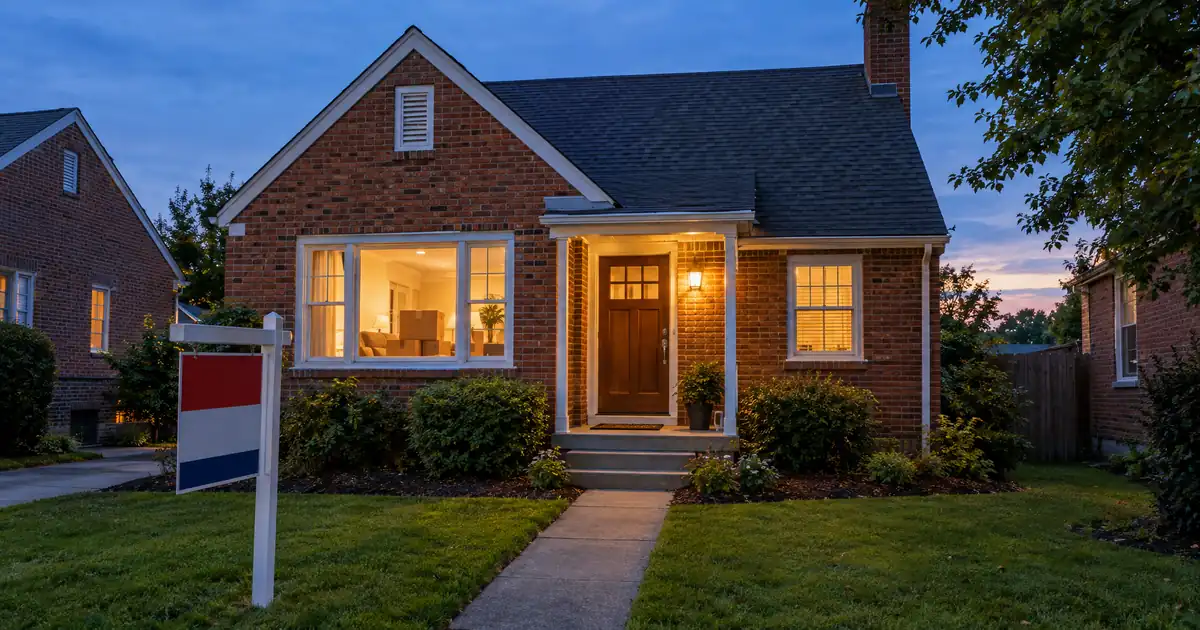
The Quick Read: A standard cash-out refinance replaces your current mortgage with a new, larger one and pays you the difference as one lump sum at closing. The new loan covers your old payoff and closing costs, and the rest goes to you. On a conventional one-unit primary residence, the new loan generally tops out at 80% of the home’s value, subject to lender guidelines and full file review. That cash becomes part of your mortgage balance, so you repay it with interest over the new loan’s term.
What Makes a Cash-Out Refinance “Standard”?
A standard cash-out refinance is the conventional version of the loan. It pays off your existing first mortgage with a new first mortgage and puts equity in your pocket. Fannie Mae’s Selling Guide says the cash can be taken “for any purpose.”
Three things it is not:
- A rate-and-term refinance. That loan swaps your mortgage for a new one with only incidental cash back.
- An FHA Streamline. That one is for existing FHA loans, with limited credit review.
- A VA streamline refinance. That one is for existing VA loans.
People mix these up constantly. The streamlines exist to lower a payment. A cash-out exists to turn equity into money. Lendmire’s cash-out refinance programs page covers the versions it arranges through wholesale lenders.
One edge worth knowing: a home you own free and clear still counts. A new loan on a paid-off house is treated as cash-out.
Key Terms Defined
Equity: the part of your home’s value you own, meaning value minus what you owe.
LTV (loan-to-value): the new loan amount divided by the home’s appraised value, shown as a percentage.
Seasoning: a required waiting period, such as how long you have owned the home or held the current loan.
Payoff: the amount needed to retire your existing mortgage and any liens being cleared at closing.
Cancellation: the window after signing when you can cancel a refinance of your home.
Key Takeaways
- The lump sum equals the new loan minus your payoff, closing costs and any financed fees.
- Conventional cash-out on a one-unit primary residence generally caps at 80% LTV.
- Your old rate and terms are replaced entirely.
- You owe interest on the full new balance from day one.
- Plan the use of the money before you apply.
How Does the Lump Sum Actually Work?
You get the cash only after the old loan is paid. The closing agent sends your old lender the payoff first, clears any liens and pays closing costs. Whatever remains goes to you.
Here is the flow:
1. The lender orders an appraisal to set your home’s value.
2. The value times the program’s LTV cap sets the maximum new loan.
3. Subtract the old payoff, any liens being paid and the costs rolled in.
4. What is left is your lump sum.
Costs can be financed within the cap. That matters. Every financed dollar shrinks your cash dollar for dollar.
Picture a homeowner with a one-unit primary residence and a modest balance. At the 80% cap, the new loan can reach four-fifths of the appraised value. If the old payoff and costs take half the value, the remaining sliver is theirs. Run that with your own numbers, because a high balance can leave little to take.
How Much Can You Take Out?
On a conventional loan, the limit depends on occupancy and unit count. Across the wholesale programs Lendmire places files with, the cash-out caps are:
| Property | Max LTV (conventional cash-out) |
|---|---|
| One-unit principal residence | 80% |
| Two- to four-unit principal residence | 75% |
| Second home | 75% |
| Investment property | 75% |
The Fannie Mae Eligibility Matrix lays out cash-out limits by unit count and property type. Manufactured housing carries its own, lower cap there. Occupancy decides the leverage, so a second home gets less than your main residence.
One wholesale lane reaches 89.99% LTV with no mortgage insurance. It requires a 680 score, a 50% ratio, a thirty-year fixed loan, a primary residence, a conforming balance and its own six months of seasoning. Not every borrower fits it. Leverage, reserves, and pricing vary by lender and program; the final terms follow the full file review.
Consumer guidance is blunt on this point. The CFPB notes that no equity option turns 100% of your equity into cash. The cap leaves you a cushion on purpose.
What Does a Lender Check? (A Self-Test)
Ask yourself these questions before applying.
Have I owned the home long enough? The first mortgage being paid off must be at least 12 months old, measured note date to note date. A borrower must also have been on title for 6 months. Delayed financing, inheritance and legal-award exceptions exist.
Is my credit in range? The wholesale conventional programs start at a 620 decision score. The automated underwriting finding governs most files.
Is my debt load manageable? The total ratio ceiling is 50% on automated files. Manually underwritten loans use 36% or 45%, with reserve and score factors from the Eligibility Matrix. For loans with a ratio above 45%, Fannie Mae’s reserve reference says reserves apply.
Do I live in the home? For a primary residence, you must actually live there.
Is my credit history clean enough? Agency waiting periods follow credit events: four years from a chapter 7 discharge, seven from a foreclosure, four from a short sale or deed-in-lieu. Documented extenuating circumstances can shorten them.
Is there anything unusual on the property? Specialty liens, such as a PACE assessment, can limit eligibility. More on that below.
Everything here is subject to lender guidelines and full file review. Nothing is a commitment to lend.
From Application to Funding
Your file moves through these stages:
1. Application and documents.
2. Underwriting review of credit, income, ratios and equity.
3. Appraisal of the property.
4. Loan Estimate, then Closing Disclosure.
5. Signing at closing.
6. The three-business-day right to cancel.
7. Payoffs and your lump sum.
The cancel window matters for a lump sum. On a refinance of your home, the CFPB says you generally have three business days to rescind. Funds are released after that window. If you cancel, you still owe the original loan.
Documents to gather: recent pay records, traditional personal-income documentation where required, current mortgage statement, homeowners insurance, and proof of any liens or HOA dues. Having them ready keeps the file moving.
What Does It Cost You?
Closing costs are new-loan costs. They are not rolled back from the old loan. VA’s cash-out page warns they can add up to thousands of dollars.
You can finance them inside the loan, as Fannie Mae’s guide allows. That trades cash now for a bigger balance later. Pricing for cash-out also tends to run higher than for a no-cash-out refinance, because lenders see more risk. Your Loan Estimate shows the terms for your file.
Above 80% LTV, conventional loans need mortgage insurance. That is rare on cash-out because of the 80% cap. The exception is the wholesale lane above that reaches 89.99% without it. Terms vary by lender guidelines, property type, leverage, credit profile, and full file review.
Is a Lump Sum the Right Fit?
A lump sum fits a one-time, defined need. Think a renovation with a set budget or a debt payoff with a known total. If you need flexible draws over time, a different product may suit you better.
Here is the part people skip. A cash-out replaces your old rate and terms entirely. A low existing mortgage is gone. So compare two paths:
- Keep the old loan and borrow separately. You keep the old terms, but add a second loan.
- Refinance everything. One loan and one payment, but the whole balance reprices.
The honest test is the blended cost. If the old loan is cheap and the cash you need is small, replacing it all can cost more. If the old loan is expensive anyway, the swap makes more sense. If you expect to need cash again later, Lendmire’s piece Cash-Out Refinance for Homeowners Who Want to Tap Equity More Than Once explains how repeat borrowing works.
Also weigh the term. A longer term lowers the monthly payment but raises lifetime interest. VA News warns that a cash-out rarely lowers the payment, so be cautious if anyone claims otherwise. Tax treatment can depend on your situation; borrowers should speak with a qualified tax professional before relying on any deduction or credit.
Where the Standard Rules Bend
These edge cases change the answer.
- Recent all-cash buyers. The delayed financing exception lets some skip the usual seasoning if the original purchase was documented and arm’s-length.
- PACE liens. Some programs require the PACE obligation to be paid when proceeds are used for it, and may restrict cash-out otherwise.
- Temporary buydowns. These can make a loan ineligible for cash-out.
- Delinquent property taxes. Taxes more than 60 days past due can be financed, typically with an escrow account.
- Student loans. Fannie Mae can waive the cash-out pricing adjustment when proceeds pay off eligible student loans.
- FHA and VA. FHA lowered its cash-out cap from 85% to 80% for case numbers on or after September 1, 2019, per HUD. VA cash-out requires a Certificate of Eligibility, and leverage depends on the lender.
- Texas. A homestead cash-out is a special loan type under the state constitution, capped at the agency figure. The wholesale lane is not written there.
Smart Uses and Mistakes to Avoid
Debt payoff and home repairs are the most common reasons people take cash out, per CFPB research. That research also notes that paying non-mortgage debt with mortgage debt can raise foreclosure risk. Credit-card balances tended to drift back toward earlier levels.
Smart habits:
- Tie the lump sum to a purpose and a number.
- Pay off the targeted debts directly at closing.
- Do not rebuild the card balances you just cleared.
Mistakes:
- Borrowing a small amount against a very low existing loan.
- Planning to sell soon, before costs are recouped.
- Funding spending that leaves nothing behind.
Your home secures this loan. Miss payments and you risk losing it.
Frequently Asked Questions
Is a cash-out refinance the same as a HELOC?
No. A cash-out replaces your first mortgage with one new loan. A HELOC or home equity loan sits as a second loan on top of your existing one. That changes both your old terms and your total costs.
Can I cash out if my house is paid off?
Yes. A new first mortgage on a free-and-clear home is treated as cash-out. The same caps and rules apply, and the lump sum is the loan amount less costs.
Can I cancel after I sign?
Generally yes, for three business days on a refinance of your home. The CFPB says the right can extend up to three years if required disclosures were not delivered. Waiving it requires a genuine financial emergency.
Will my payment go down?
Rarely. A larger balance usually means a higher payment or a longer payoff. Compare the full terms on your Loan Estimate before you decide.
How much of my equity can I actually get?
On a conventional one-unit primary residence, the new loan generally reaches 80% of value, minus your payoff and costs. Other occupancies and unit counts cap lower. All figures are subject to lender guidelines.
If you are weighing a cash-out refinance against keeping the loan you have, Lendmire can help you compare the programs and the equity each one reaches for the home you live in.
For your own numbers, request a scenario review with Lendmire.
For current guidelines and terms, see Lendmire’s refinance programs page.
About Lendmire
Lendmire is a mortgage brokerage (NMLS# 2371349) licensed for consumer mortgage lending in 16 states, arranging FHA, VA, conventional and jumbo purchase and refinance loans through a wholesale lending network. Eligibility is determined by the lender on each file. Scotsman Guide named Lendmire a Top Mortgage Workplace in both 2025 and 2026.
Get Started
Ready to find the right loan for you?
In about 30 seconds you can review financing options available for your home or investment property. No commitment required.
Informational only. Not a Loan Estimate, approval, or commitment to lend. Program availability and eligibility are subject to lender guidelines, credit approval, property review, and underwriting.
References
1. Fannie Mae Selling Guide B2-1.3-03
2. Fannie Mae Eligibility Matrix
3. CFPB
4. Fannie Mae DU reserve reference
7. VA News
8. HUD press release on FHA cash-out limits
This article is part of Lendmire’s cash-out refinance program — full qualification details, guidelines, and scenarios live on the program page.
Related reading: Cash-Out Refinance for Homeowners With a Plan for the Cash · Cash-Out Refinance for Homeowners With Equity: The Most You Can Take · Cash-Out Refinance for Homeowners: What the Appraisal Must Show
Brandon Miller
Founder & CEO, Mortgage Loan Originator, Lendmire LLC
- Mortgage Loan Originator · NMLS# 1129696 · Verify on NMLS Consumer Access
- North Carolina Real Estate Broker · License# 343312 · Verify on NCREC
- North Carolina Insurance Producer · License# 19053198 · Property, Casualty, Life, Health · Verify on NAIC SBS
- Lendmire LLC · Firm NMLS# 2371349 · Verify firm licensure
Disclosures. The information presented in this article is general market commentary, not financial, legal, or tax advice. Lendmire is a mortgage brokerage (NMLS# 2371349) — not a direct lender or depository institution — and loan placement is subject to lender underwriting. Nothing in this content represents a commitment to lend. Loan terms, pricing, and program availability vary based on borrower qualifications, property characteristics, and state of subject property, and are subject to change at any time. Lendmire complies with Equal Housing Opportunity requirements. Consumer access: nmlsconsumeraccess.org.