
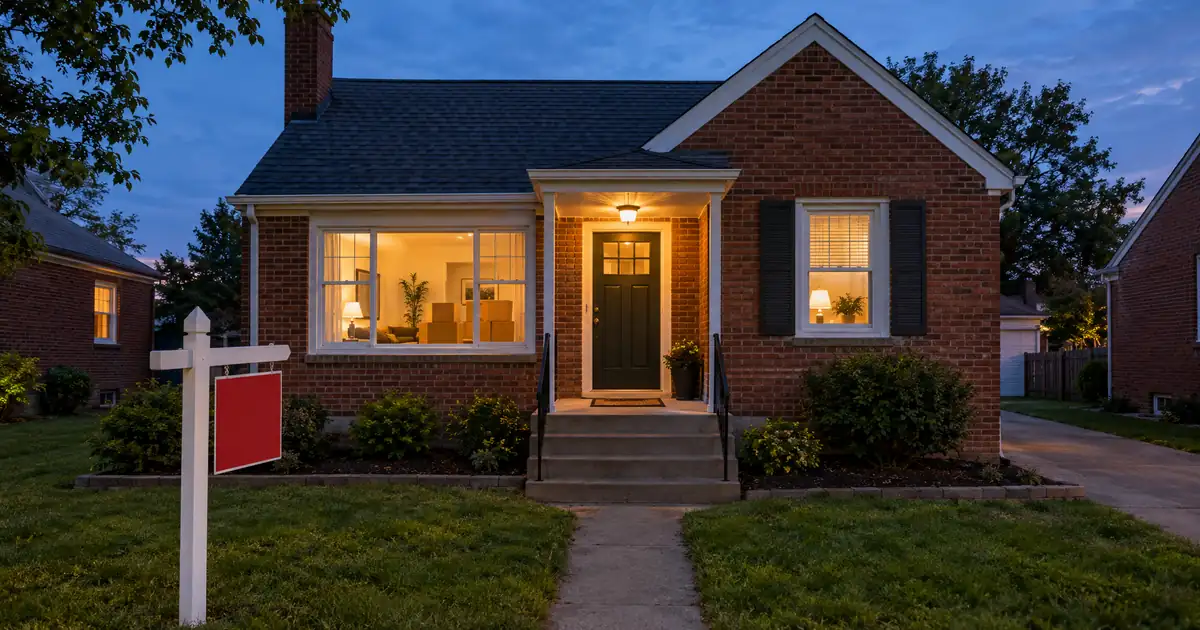
The Quick Read: Homeowners cash out because most of their wealth sits in a house they can’t spend. A cash-out refinance replaces the current first mortgage with a larger one and pays the difference in cash. The trade-off is that the whole balance moves to new terms, not just the new money. Eligibility, appraised value and the equity cushion the lender requires decide how much cash is available, subject to lender guidelines and full file review.
Why Is Everyone Talking About Record Equity?
Mortgage holders now hold more equity than at any point on record. ICE Mortgage Monitor reported $18 trillion in total mortgage holder equity, with about $11.7 trillion of it tappable across 47.5 million borrowers.
“Tappable” is the word to watch. ICE counts only the equity left after a 20% stake stays in the home. Total equity and spendable equity are different numbers.
Averages also hide the edges. Record equity is a national headline, not your balance sheet. Your number comes from your appraisal, your payoff and your loan program.
Another reason is the lock-in effect. Many owners hold a first mortgage they don’t want to give up. Owners who do choose a cash-out refinance have decided the new first mortgage is worth the reset.
What Is a Cash-Out Refinance?
A cash-out refinance is a new, larger first mortgage. It pays off the old loan, and you take the rest in cash. The new loan carries a new rate, a new term and a new payment.
That is the core difference from a HELOC or home equity loan. Those leave your first mortgage in place and add a second lien. A cash-out refinance takes the place of the first mortgage entirely. Across the wholesale programs Lendmire places, the cash-out refinance programs all follow that same replace-the-first-lien design.
How Is a Cash-Out Refinance Underwritten, Step by Step?
The deal works through the same gates on almost every conventional cash-out. Here is the sequence.
1. Equity check. The lender compares the new loan, plus any liens that stay, to the appraised value. On a conventional one-unit principal residence the cap is 80% of value. On two- to four-unit principal residences, second homes and investment property, it is 75%.
2. Seasoning. The first mortgage being paid off must be at least 12 months old, counted note date to note date. At least one borrower must have been on title for 6 months.
3. A home listed for sale has to come off the market by the disbursement date, per Fannie Mae.
4. Credit and ratios. The wholesale conventional programs start at a 620 decision score. The automated finding governs most files, with a total ratio ceiling of 50%. Manually underwritten loans run at 36% or 45%, with reserve and score factors from the eligibility matrix. Fannie Mae requires six months of reserves on automated files with a ratio above 45%.
5. Appraisal. Value sets the ceiling. A soft appraisal shrinks the cash, and sometimes ends the idea.
6. Payoff and disbursement. The old first mortgage is paid, closing costs come out, and the borrower gets the difference. The cost is based on the whole new loan, not only the cash taken.
The step that trips most files is seasoning. Borrowers assume a recent purchase or a recent refinance clears automatically. It doesn’t. Check the note date of the loan you are paying off before anything else.
Which Structures and Variations Exist?
Several loan types sit near the cash-out refinance, and the labels get mixed up. The table separates them.
| Structure | Cash to borrower | Key limit |
|---|---|---|
| Conventional cash-out | Equity beyond payoff | 80% LTV, one-unit primary |
| Rate-and-term (limited cash-out) | Incidental only | Up to 95% LTV, one-unit primary |
| FHA Streamline | None; rate-and-term | Existing FHA loan, net tangible benefit |
| VA IRRRL | None; rate-and-term | Existing VA loan, net tangible benefit |
| High-LTV wholesale lane | Equity beyond payoff | 89.99% LTV, 680 score, 50% ratio |
A limited cash-out refinance pays off the first mortgage, closing costs and any purchase-money second. Fannie Mae caps the cash back at the greater of 1% of the new loan balance or $2,000, per its announcement SEL-2025-08. Take more than that, or pay off a non-purchase second, and it becomes a true cash-out.
The FHA Streamline and VA IRRRL exist for existing government loans. They are refinance tools, not ways to pull equity. Taking equity out of an FHA or VA loan runs through different cash-out rules. HUD cut the FHA cash-out cap to 80% in Mortgagee Letter 2019-11, citing the growth in insured balances on cash-out loans. VA cash-out requires a net tangible benefit finding and cash-out compliance disclosures, per VA’s cash-out guide.
One wholesale lane reaches 89.99% LTV with no mortgage insurance. It needs a 680 score, a 50% ratio, a thirty-year fixed rate, a primary residence and a conforming balance, plus its own six months of seasoning. Above the conforming limit, the jumbo lanes take over. They start at a 660 decision score and reach 90% leverage. Exact terms depend on the lender’s guidelines, property type, leverage, and a full review of the borrower’s file.
Mortgage insurance, where it applies, is described mechanically. It is required above 80% LTV. The borrower can request cancellation at 80% of original value with good payment history, no subordinate liens and no decline in value. The servicer must end it automatically at 78%. Every figure here varies by lender and program — guidelines, property type, leverage, and credit profile all apply.
Where Does the General Rule Break?
The 80% cap and the seasoning clocks have named exceptions. These are the ones that come up on real files.
Delayed financing. A cash buyer can borrow against the home inside six months if the purchase was arm’s length, the settlement statement shows no mortgage financing, and the buying entity qualifies. Fannie Mae’s Selling Guide lists the conditions. Missing paperwork kills this one.
Inheritance and legal awards. Inherited homes and homes awarded in a divorce can skip the title waiting period. The exceptions carry conditions. Confirm them against the current guide before assuming.
Owning the house outright doesn’t make it a limited refi.
Energy liens. A PACE obligation paid off with cash-out proceeds must be paid in full.
Texas homesteads. A cash-out on a Texas homestead is capped by the state constitution. The 89.99% wholesale lane is not written there.
Underwater borrowers. If values fell after purchase, there is no equity to tap. This is more common among recent buyers and FHA and VA loans.
What Does the Decision Look Like in Practice?
The question is not whether equity is high. It is whether replacing the first mortgage is worth what it resets. The CFPB‘s guide on using home equity says a cash-out refinance may stretch out the payoff time and raise the monthly payment. The new rate and terms replace the old ones.
Picture a homeowner whose first mortgage carries terms they like, who needs a modest amount for a roof. A second lien leaves the first loan alone. A cash-out would move the whole balance to new terms for a small project. That’s usually a poor fit.
Now picture an owner with a first mortgage on terms they’d happily replace, plus a large need for cash. The reset costs little, because they wanted a new loan anyway. Cash-out fits that file. That is the pattern behind the strongest cash-out files: the borrower wanted the new first mortgage regardless of the cash.
| Good fit | Think twice |
|---|---|
| Existing first loan you’d replace anyway | Existing loan terms you value |
| Cash need is large relative to the balance | Cash need is small |
| Stable income and reserves | Tight monthly budget |
| Clear plan for the funds | Funds cover recurring spending |
Debt consolidation deserves its own warning. The CFPB found more than half of cash-out borrowers surveyed from 2014 to 2019 chose paying off other bills and debts, per its newsroom report. The same research found credit scores improved sharply, then slipped gradually, though they stayed above pre-refinance levels. Moving card debt into the mortgage puts the home behind that debt. If the spending that built the balance doesn’t change, the cards refill.
Equity is also not fixed. If values soften after you borrow, the cushion thins. Keep a gap between what you can borrow and what you do borrow.
Tax treatment can depend on your situation; borrowers should speak with a qualified tax professional before relying on any deduction or credit.
Key Terms Defined
Tappable equity: The equity you can borrow against after the lender’s required cushion stays in the home.
Loan-to-value (LTV): The loan balance divided by the home’s appraised value.
Seasoning: The minimum time a loan or ownership must exist before a refinance qualifies.
Limited cash-out refinance: A refinance that pays off the first mortgage and costs with only small cash back to the borrower.
Delayed financing: An exception letting a cash buyer take a cash-out loan inside the usual six-month title wait.
Net tangible benefit: A government-loan test showing the refinance helps the borrower in a measurable way.
Frequently Asked Questions
Is record equity the same as the equity I can borrow?
No. National figures count tappable equity after a 20% stake stays in the home. Your own number depends on your appraised value, your payoff and the program’s cap, which is 80% of value on a conventional one-unit primary residence.
Is it smart to replace my mortgage just to get cash?
It depends on how you feel about the loan you have. A cash-out moves the entire balance to new terms. If the existing loan is one you’d keep, a second lien that leaves it intact may fit better. If you’d replace it anyway, the reset costs less.
How long do I have to own the home first?
Conventional programs generally want at least one borrower on title for six months, and the first mortgage being paid off must be at least 12 months old. Delayed financing, inheritance and legal-award exceptions exist, subject to lender guidelines.
Can I do a cash-out on a rental or second home?
Yes, but the leverage drops. Conventional cash-out on second homes and investment property tops out at 75% LTV, versus 80% on a one-unit primary residence. Final terms depend on lender guidelines, property type, leverage, and the borrower’s complete credit picture.
Does a cash-out refinance affect my credit?
Initially it can help, mainly when proceeds pay down cards. CFPB research found scores rose sharply and then slipped gradually while staying above pre-refinance levels. Rebuilding card balances erases that benefit.
If you are weighing a cash-out refinance against keeping the loan you have, Lendmire can help you compare the programs and the equity each one reaches. Program details are subject to lender guidelines and full file review, and nothing here is a commitment to lend.
For your own numbers, request a scenario review with Lendmire.
For current guidelines and terms, see Lendmire’s refinance programs page.
About Lendmire
As a mortgage broker (NMLS# 2371349), Lendmire helps homeowners and home buyers in 16 states with FHA, VA, conventional and jumbo purchase and refinance loans arranged through wholesale lenders. Lendmire is never the lender; program terms are set by the lender and the agency guidelines. Scotsman Guide named Lendmire a Top Mortgage Workplace in both 2025 and 2026.
Get Started
Ready to find the right loan for you?
In about 30 seconds you can review financing options available for your home or investment property. No commitment required.
Informational only. Not a Loan Estimate, approval, or commitment to lend. Program availability and eligibility are subject to lender guidelines, credit approval, property review, and underwriting.
References
1. Fannie Mae SEL-2025-08 announcement
2. HUD Mortgagee Letter 2019-11
4. Fannie Mae Selling Guide B2-1.3-03 Cash-Out Refinance
5. CFPB
This article is part of Lendmire’s Refinance series — every loan program’s qualification details, guidelines, and scenarios live on the loan options page.
Related reading: Cash-Out Refinance Closing Costs Line by Line for Homeowners · How to Turn Cash-Out Refinance Equity Into a Second Home Down Payment · How to Remove Your Ex From Title and Note With a Cash-Out Refinance
Brandon Miller
Founder & CEO, Mortgage Loan Originator, Lendmire LLC
- Mortgage Loan Originator · NMLS# 1129696 · Verify on NMLS Consumer Access
- North Carolina Real Estate Broker · License# 343312 · Verify on NCREC
- North Carolina Insurance Producer · License# 19053198 · Property, Casualty, Life, Health · Verify on NAIC SBS
- Lendmire LLC · Firm NMLS# 2371349 · Verify firm licensure
Disclosures. The information presented in this article is general market commentary, not financial, legal, or tax advice. Lendmire is a mortgage brokerage (NMLS# 2371349) — not a direct lender or depository institution — and loan placement is subject to lender underwriting. Nothing in this content represents a commitment to lend. Loan terms, pricing, and program availability vary based on borrower qualifications, property characteristics, and state of subject property, and are subject to change at any time. Lendmire complies with Equal Housing Opportunity requirements. Consumer access: nmlsconsumeraccess.org.