
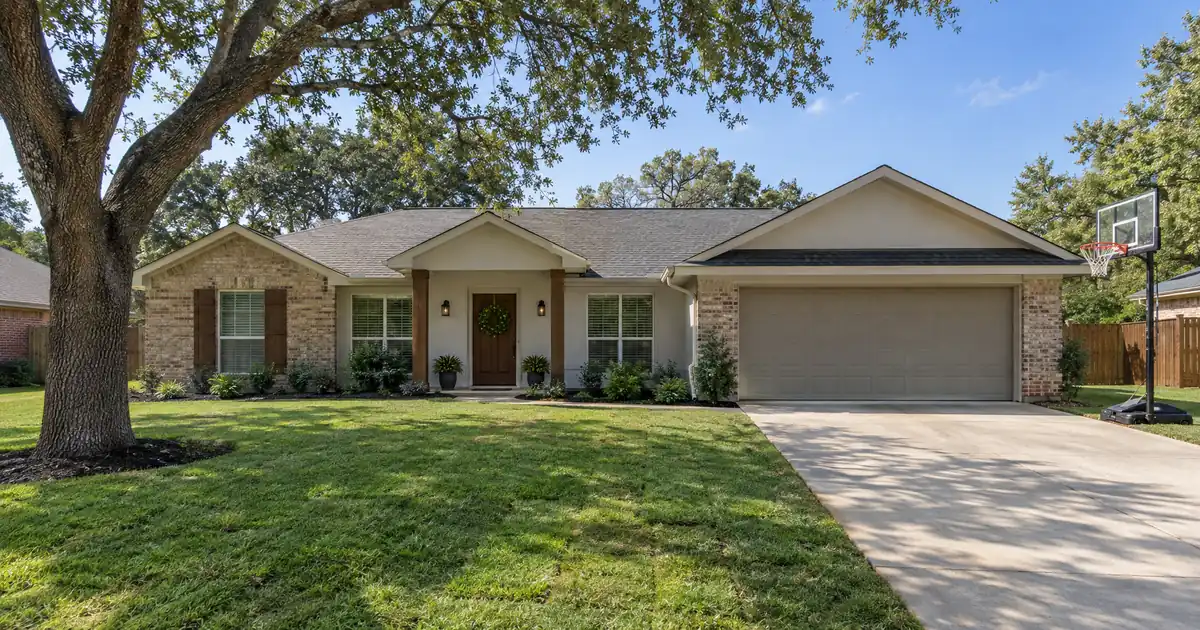
The Quick Read: It depends on your credit and on whether an FHA cash-out is offered for your Texas homestead file at all. Texas puts its own ceiling on home equity loans, so the amount you can borrow is the same either way. The real choice comes down to credit flexibility, mortgage insurance costs and how much the paperwork asks of you. Borrowers with solid credit usually land on conventional. Borrowers with thin credit or a high debt load may need to look at FHA first.
Why Is Texas a Different Case?
Texas treats the home you live in with extra protection. Cash-out loans against a homestead follow state home equity rules, no matter which loan program sits on top. Those rules cap total debt against the home, limit how often you can do this, and require a specific closing process.
That matters for this question. Elsewhere, borrowers sometimes assume FHA stretches further than conventional on a cash-out. That idea is dated, and in Texas the state ceiling flattens any difference anyway.
Here is the catch. Lenders do not agree on whether FHA cash-out is offered on a Texas homestead. Some publish it as an option. Others say it is off the table. Both camps can be describing real lender policy, because each lender decides which loans it will offer under the state’s rules.
So the first step is not choosing between programs. The first step is finding out what your file can actually reach. A broker with access to several wholesale lenders can check that before you spend money on an appraisal.
Lendmire is a mortgage broker licensed for consumer lending in 16 states, Texas among them. It arranges FHA, VA, conventional and jumbo loans through wholesale lenders. The brokerage’s FHA cash-out refinance program tops out at 80% loan-to-value on a home you have owned and lived in for 12 months. Whether a given wholesale lender applies that program to a Texas homestead is a file-level answer. Treat anyone who gives you a flat yes or no from a web page with some caution.
What Does the Lender Look At Either Way?
The same basics apply to both routes. Here is what a Texas cash-out file generally has to show.
- Occupancy. The home must be your principal residence. FHA cash-out also requires 12 months of ownership and occupancy before the case number.
- Value. An appraisal sets the number, and every cap is a share of that value across all liens.
- Payment history. Lenders review how you have paid your current mortgage, usually over the prior year.
- Credit and income. These decide which program fits. They are covered below.
- Closing process. Texas home equity loans must close at the office of the lender, an attorney or a title company. You do not close at your kitchen table.
There is also a statutory notice you must receive before closing. The Texas Bankers Association’s loan document checklist lists it as the “Notice Concerning Extension of Credit.” Build that wait into your plans. It is a legal step, not a lender delay.
Does FHA Still Let You Borrow More Than Conventional?
No. FHA used to allow more, and it no longer does. HUD cut the maximum on FHA cash-out refinances from 85 to 80 percent of adjusted value in Mortgagee Letter 2019-11. The agency’s press release on the change says the cut limits risk to the FHA insurance fund and aligns FHA with the conventional cash-out limit.
On the conventional side, Freddie Mac’s Guide says a Texas home equity mortgage must not exceed 80% loan-to-value. It can be lower if other cash-out rules call for it.
So both caps sit at 80%. The old “FHA lets you take out more” idea is outdated.
That leaves three things to compare: insurance, credit flexibility and eligibility.
FHA Cash-Out vs. Conventional on a Texas Homestead
| Factor | FHA cash-out | Conventional |
|---|---|---|
| Maximum loan-to-value | 80% | 80% under Texas rules |
| Availability on a Texas homestead | Depends on the lender | Standard route |
| Mortgage insurance | Upfront plus annual premium | Usually none at 80% or below |
| Credit flexibility | Wider | Generally stricter |
| Debt-ratio flexibility | Up to 40/50 with factors | Set by automated findings |
| Property type | One to four units, general rules | One-unit homestead in Texas |
Two lines in that table decide most files, so take them one at a time.
How does the mortgage insurance differ?
FHA charges two premiums. The upfront premium is 1.75% of the base loan, and it is usually financed into the balance. The annual premium runs between 0.15% and 0.75% of the balance, depending on term, loan amount and loan-to-value.
Here is the part borrowers miss. Both premiums apply to the whole new loan, not only to the cash you take out. On a thirty-year loan above 90% loan-to-value, the annual premium lasts for the term of the loan. At or below 90%, it ends after eleven years. An 80% cash-out starts in the shorter bucket, which helps. But “it ends after eleven years” is still eleven years of a monthly cost that conventional may not carry. Exact terms depend on the lender’s guidelines, property type, leverage, and a full review of the borrower’s file.
Conventional at 80% loan-to-value or below usually carries no monthly private mortgage insurance. Texas’ 80% cap keeps a conventional cash-out in that zone. For a borrower who qualifies, that is a real cost advantage.
Which one bends more on credit and ratios?
FHA does. Across the wholesale programs Lendmire places FHA files with, the starting floor is a 580 decision score. The base debt ratios are 31/43 for housing and total debt with no extra support. Documented compensating factors can stretch that to 40/50 at the top tier, though the automated finding governs most files.
Conventional generally asks for stronger credit and cleaner ratios. If your score is borderline or your debts are heavy, conventional may simply not approve you. In that case FHA is the lane worth checking.
Which One Fits Your Situation?
Picture a few borrower profiles. These are scenarios, not promises of approval.
Strong credit, steady income, a loan well under 80% of value. Conventional is usually the better fit. No monthly insurance after closing, and the file leans on automated findings you likely clear. The FHA premiums buy you nothing here.
Thinner credit or a high debt load. FHA is worth a serious look, if a wholesale lender will offer it on your Texas homestead. The wider ratios can be the difference between a file that works and one that does not. Weigh that against the premiums you will carry.
You already hold an FHA loan and want cash. You have two paths. You can do a cash-out, subject to the Texas rules above, or you can keep the loan and skip the cash. An FHA Streamline refinances an existing FHA loan with no appraisal and a limited credit review. It requires a net tangible benefit, and the premium continues. It does not put cash in your hand.
You only want a lower payment. A refinance with no cash back is generally treated differently from a Texas home equity loan. Texas commentary describes a rate-and-term refinance as exempt from the home equity provisions. Watch for one trap: if any cash comes back through subordinate financing, the loan is treated as cash-out. The FHA rate-and-term option with an appraisal reaches 97.75% on a principal residence you have occupied for the previous twelve months. That is a different tool from cash-out.
A veteran. VA loans are a separate conversation. How Texas rules apply to a VA cash-out is a question for a loan officer who handles VA files directly.
You are weighing a rental or second home. Occupancy decides leverage. A Texas homestead loan is limited to your principal residence.
What Does an 80% Cap Look Like in Practice?
Skip the dollar figures and think in shares of value. Say your home appraises at 100% of its value. The cap is 80% across all liens combined. If your current mortgage is 55% of value, you have room for roughly 25 points of value before costs.
Then subtract. With FHA, the 1.75% upfront premium is usually financed, so it rides inside the new balance and eats part of that room. Closing costs and any second liens that must be paid off come out of the same pool. A home equity line you want to keep may not fit alongside a Texas cash-out at all, because the cap counts every lien.
The takeaway: appraised value is the biggest lever. A low appraisal can shrink your cash more than any choice between programs.
Notice what this example shows. FHA and conventional give you the same ceiling. The difference is what the loan costs to carry afterward, and what credit it asks for upfront.
What Can’t You Undo?
Two choices stick with you in Texas.
The label follows the loan. A Texas home equity loan carries its status into later refinances. There is an exit path back to a non-equity loan, but it comes with conditions. Those include no new money beyond the payoff and actual costs, an 80% cap, notice requirements and seasoning. Do not treat a cash-out as a casual step. It can shape your next refinance.
Every lien counts against the cap. If you take cash now, a later home equity line has less room, and may not be allowed. Fannie Mae’s Texas Section 50(a)(6) loan guidance also limits how proceeds can be used. They cannot fund buying or improving the homestead if a different loan type could have done that job. Fannie Mae’s own system also does not contain the Texas rules, so an “Eligible” automated finding does not prove the loan complies. A careful lender checks that separately.
There is also the debt question. The Consumer Financial Protection Bureau cautions that paying non-mortgage debts with mortgage debt can raise the risk of foreclosure. Turning unsecured debt into debt secured by your home is a real tradeoff, even when the monthly number looks better.
What Are the Alternatives?
Each option below fits a specific goal.
- Conventional Texas cash-out. Choose this if your credit and ratios qualify and you want to avoid monthly insurance.
- FHA cash-out. Choose this if credit or ratios are the obstacle and a lender will offer it on your file.
- FHA Streamline. Choose this if you hold an FHA loan and want no cash, just a better loan structure.
- Rate-and-term refinance. Choose this if the goal is a different term or payment, with no cash back.
- A home equity line. Choose this if you want flexible access to equity, understanding it must fit under the same total cap.
What Does the Process Look Like?
1. Check eligibility first. Confirm the program is available for a Texas homestead on your file before you pay for anything.
2. Gather your documents. Expect pay stubs, statements and a mortgage payment history for the prior year.
3. Get the appraisal. Value drives your maximum.
4. Receive the Texas notice. The statutory waiting period runs before you can close.
5. Review the Loan Estimate and Closing Disclosure. As a consumer mortgage, the loan follows those disclosure rules.
6. Close at an approved location. That means a lender’s office, an attorney or a title company.
Tax treatment can depend on your situation; borrowers should speak with a qualified tax professional before relying on any deduction or credit.
Key Terms Defined
Homestead: The home you live in as your principal residence, which Texas law protects with extra rules.
Cash-out refinance: A new loan larger than your current mortgage, with the difference paid to you.
Loan-to-value (LTV): Your loan balance divided by the home’s appraised value.
Upfront mortgage insurance premium: A one-time FHA charge of 1.75% of the base loan, usually financed.
Annual mortgage insurance premium: A yearly FHA charge, collected monthly, that depends on term, amount and loan-to-value.
Streamline refinance: An FHA-to-FHA refinance with no appraisal and a limited credit review.
Frequently Asked Questions
Can I do an FHA cash-out on a Texas homestead?
It depends on the lender. Availability turns on whether a specific wholesale lender offers FHA on a Texas home equity loan. The program itself reaches 80% loan-to-value after 12 months of ownership and occupancy. A broker can check availability on your file before you commit to an appraisal. Every program is subject to lender guidelines and full file review.
Will FHA let me borrow more than conventional in Texas?
No. Both cap at 80% of value. HUD lowered FHA’s cash-out limit from 85% to 80% years ago, and Texas sets 80% for conventional home equity loans anyway. The difference is in insurance costs and credit flexibility, not the amount.
Does FHA mortgage insurance go away when I reach 80% equity?
Not automatically. FHA sets the length of the annual premium at the start. Above 90% loan-to-value on a thirty-year loan, it lasts for the term. Conventional loans at 80% or below usually carry no monthly insurance.
What if I just want a lower payment on my FHA loan?
An FHA Streamline may fit. It needs no appraisal and a limited credit review, but it requires a net tangible benefit, and the premium continues. Avoid taking cash back in any form if you want to stay out of the cash-out rules.
Can I close at home or online?
No. Texas limits closing on a home equity loan to the office of the lender, an attorney or a title company. Plan to attend in person.
What Is the Next Step?
If you are weighing a cash-out refinance against keeping the loan you have, Lendmire can help you compare the programs and the equity each one reaches. Nothing here is a commitment to lend, and every figure is subject to lender guidelines and full file review.
For your own numbers, request a scenario review with Lendmire.
About Lendmire
Lendmire (NMLS# 2371349) is a mortgage brokerage serving homeowners and home buyers in 16 states. FHA, VA, conventional and jumbo purchase and refinance loans are arranged through wholesale lending channels; Lendmire brokers the financing and the lender underwrites each application. Scotsman Guide named Lendmire a Top Mortgage Workplace in both 2025 and 2026.
For current guidelines, see FHA loan programs.
Get Started
Ready to find the right loan for you?
In about 30 seconds you can review financing options available for your home or investment property. No commitment required.
Informational only. Not a Loan Estimate, approval, or commitment to lend. Program availability and eligibility are subject to lender guidelines, credit approval, property review, and underwriting.
References
1. Texas Bankers Association, Home Equity Loan Document Checklist
2. HUD Mortgagee Letter 2019-11
4. Freddie Mac Guide, Section 4301.7
5. Fannie Mae Selling Guide, Texas Section 50(a)(6) Loans
6. Consumer Financial Protection Bureau
This article is part of Lendmire’s FHA Loan series — every loan program’s qualification details, guidelines, and scenarios live on the loan options page.
Related reading: How Much Equity an FHA Texas Homestead Needs for Conventional Cash-Out · Can a Newly Bought Texas Homestead Get an FHA Cash-Out Refinance? · How to Get an FHA Cash-Out on Texas Homestead Acreage
Brandon Miller
Founder & CEO, Mortgage Loan Originator, Lendmire LLC
- Mortgage Loan Originator · NMLS# 1129696 · Verify on NMLS Consumer Access
- North Carolina Real Estate Broker · License# 343312 · Verify on NCREC
- North Carolina Insurance Producer · License# 19053198 · Property, Casualty, Life, Health · Verify on NAIC SBS
- Lendmire LLC · Firm NMLS# 2371349 · Verify firm licensure
Important disclosures. Lendmire (NMLS# 2371349) is a licensed mortgage brokerage. Lendmire is not a direct lender, depository institution, or financial advisor. All loan inquiries are subject to lender underwriting; this article does not constitute a commitment to lend. Rates, terms, and program guidelines are subject to change without notice and vary by borrower profile, property type, and state. Information in this article is general in nature and is not financial, legal, or tax advice. Equal Housing Opportunity. NMLS Consumer Access: nmlsconsumeraccess.org.