
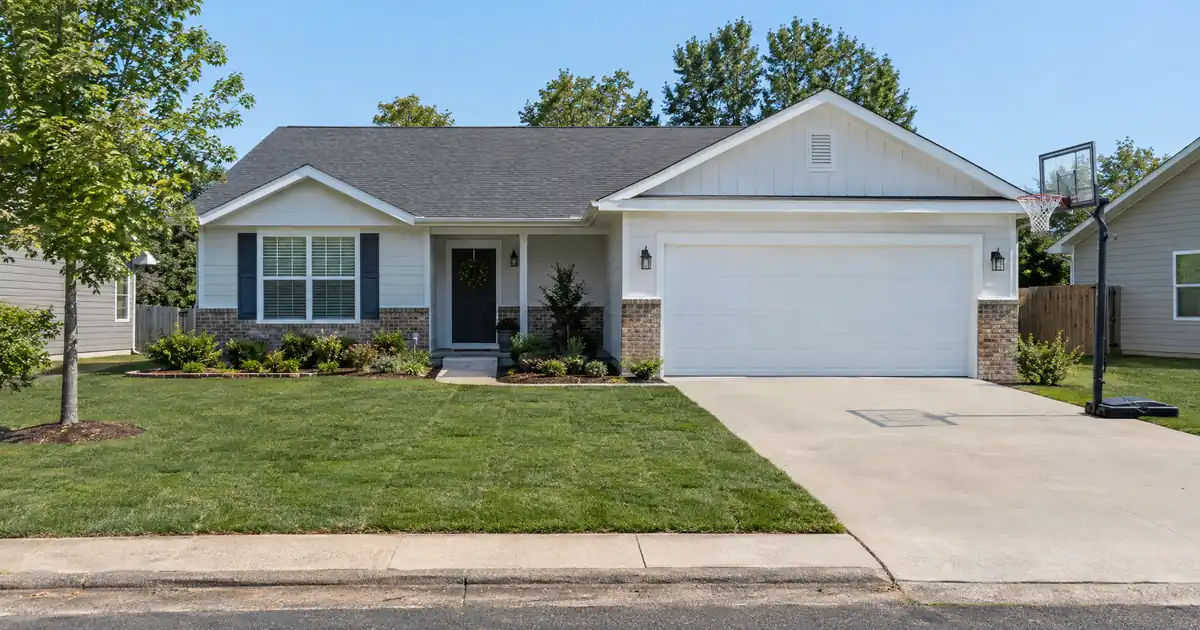
The Quick Read: No published source gives a closing-cost figure that applies only to second homes. The usual planning range for any refinance is 3% to 6% of the loan amount, per Freddie Mac’s consumer guidance, and the final number depends on the lender, your credit score and your location. A second home adds its own pressure points: a lower leverage cap than a primary home gets on a rate-and-term refinance, extra pricing for occupancy and loan purpose, and a different set of consumer protections. Your Loan Estimate is the only number that counts.
Key Takeaways
- Plan on roughly 3% to 6% of the new loan as a general refinance range, then adjust after you see a real Loan Estimate.
- On a conventional one-unit second home, cash-out tops out at 75% LTV. A one-unit primary residence gets 80%.
- Costs you roll into the loan count against that cap, so they shrink the cash you actually receive.
- The first mortgage must be at least 12 months old, and a borrower must have been on title for 6 months.
- FHA Streamline and VA IRRRL loans are not second-home tools. Final terms depend on lender guidelines, property type, leverage, and the borrower’s complete credit picture.
Which “Second Home” Do You Mean?
Two different situations share this search, and the costs differ.
Situation one: you already own a second home and want to pull cash out of it. This article is mostly about you.
Situation two: you want to tap equity in your primary home to buy a second one. That is a cash-out on a primary residence, which allows a higher leverage cap (80% on one unit). The closing costs are those of a primary-home refinance. The second home only matters later, when you buy it.
If you are in the first group, the rest of this applies directly.
What Closing Costs Actually Are
Closing costs are the upfront charges for getting the new loan. They fall into two broad groups on your paperwork: loan costs and other costs. Loan costs split again into services you can shop for and services you cannot.
Three categories usually do the heavy lifting:
- Lender charges. These cover origination and underwriting, and they are the biggest single group on most files.
- Title and settlement. Title insurance, settlement fees and recording come next.
- Appraisal. The appraisal is a third-party cost, and its result sets your borrowing ceiling.
Prepaids come on top of that. These are items such as homeowners insurance, property taxes and interest paid ahead of time. They inflate the cash you owe at closing, but they are not lender fees.
Here is who gets paid and how much room you have to shop.
| Item | Who receives it | Can you shop or negotiate? |
|---|---|---|
| Origination and underwriting | Lender or broker | Yes, compare across quotes |
| Appraisal | Appraiser | Usually ordered for you |
| Title insurance and settlement | Title company | Often partly shoppable |
| Recording | Local government | No |
| Credit report, flood check | Vendors | Rarely worth the effort |
| Prepaid taxes, insurance, interest | Escrow and carriers | Insurance, yes; the rest, no |
How the Loan Is Underwritten, Step by Step
The costs make more sense once you see the order of operations.
1. The transaction type is set. Taking cash, or paying off any lien that wasn’t used to buy the property, makes it a cash-out. Pulling out a home equity line you used for a kitchen remodel is cash-out, not rate-and-term. A true rate-and-term refinance pays off your first mortgage, the closing costs and a purchase-money second lien, with only incidental cash back.
2. Occupancy and property are confirmed. Conventional second-home rules are built around a one-unit property. The home must truly be a second home and not a rental. It also has to be suitable for year-round occupancy and sit far enough from your primary home to make sense as a second one.
3. Seasoning is checked. Two clocks run at once. The mortgage being paid off must be at least 12 months old, counted from note date to note date. And at least one borrower must have been on title for 6 months. The Fannie Mae Selling Guide spells out both rules, along with the exceptions for delayed financing, inheritance and legal awards.
4. The Loan Estimate arrives. It itemizes loan costs, other costs, any lender credits and cash to close. This is the document you compare across lenders.
5. The appraisal sets the ceiling. The maximum loan is the appraised value times the cap, which is 75% on a conventional second home.
6. Pricing is applied. Agency pricing adjusts for credit score, loan purpose, occupancy, units and product. Cash-out and second-home status each add to it. These are risk-based adjustments. They usually show up in the interest rate or points, not as a neat line item.
7. The Closing Disclosure is issued ahead of signing, so you can compare final figures against the estimate.
Step five is a point where second-home borrowers can get surprised. They saw 90% on a purchase or a rate-and-term and assumed it carried over to cash-out. It doesn’t.
Why the 75% Cap Matters More Than the Fees
The leverage cap is the quiet cost. On a conventional one-unit second home, cash-out stops at 75% of appraised value. A one-unit primary residence gets 80%. The Fannie Mae Eligibility Matrix lists both.
That cap includes everything rolled into the new loan. Payoff, other liens and any closing costs you finance all sit inside it.
Here is the net-proceeds logic in plain words:
1. Start with the appraised value and multiply by 75%. That is your maximum new loan.
2. Subtract the payoff of your current first mortgage.
3. Subtract any other liens being paid off.
4. Subtract closing costs you choose to finance.
5. What remains is cash in your hand.
If you pay closing costs out of pocket, step four drops out and you keep more cash from the loan. You trade a bigger check at closing for a bigger cash-out. Neither choice is wrong. It depends on whether you have the cash on hand and what the proceeds are for.
Consider a homeowner whose second home has appreciated and whose first mortgage is modest. They may have lots of room under 75%. Another owner who bought with a small down payment and has paid the loan down only slightly may find that room has nearly vanished once costs are included. Same fees, very different outcomes.
One more wrinkle. A refinance on a second home can reach a higher leverage than cash-out can. If your goal is mainly a lower payment and you only want a small amount of cash, taking more than incidental cash flips the loan into the lower-cap category. Separating a payment-driven refinance from a cash-driven one early saves a lot of disappointment.
What Moves the Cost Up or Down
Because no second-home-specific average exists, think in drivers:
- Loan size. Many fees scale with the loan, which is why a percentage range is used at all.
- Credit score and leverage. Both feed the pricing adjustments. Higher leverage and lower scores generally cost more.
- Occupancy. Second homes carry more pricing than primary homes, and cash-out adds more on top.
- Debt ratio and reserves. Higher debt ratios can call for extra months of reserves. The second home’s payment is counted along with your primary residence’s.
- Location. Title, recording and transfer charges vary by county and state, and a second home is often in a different one from your primary.
- Appraisal difficulty. Resort and rural properties can mean harder comparables and a more involved appraisal.
Treat the 3% to 6% as a planning range for a general refinance, not a second-home quote. The range comes from Freddie Mac, which also notes that the total is set by your lender, your credit score and your location. Expect your own file to land where those factors put it.
Three Ways to Pay, and the Trade-Offs
| Method | How it works | The trade-off |
|---|---|---|
| Out of pocket | You bring cash to closing | Keeps the loan and your cash-out larger |
| Financed into the loan | Costs are added to the balance | Reduces cash out and counts toward the cap |
| “No-closing-cost” structure | Costs are built into the rate or the balance | Lower cash upfront, higher carrying cost over time |
A “no-closing-cost” refinance is a marketing term, not a free loan. The costs still exist. They are either priced into the interest rate or added to the balance. A lender credit works the same way. You receive money at closing and pay for it through the pricing.
Which one is better depends on how long you expect to hold the loan. If you plan to refinance or sell soon, building costs into the pricing can make sense. If you intend to keep the loan for many years, paying more upfront usually costs less in total. That flip point is worth testing with two Loan Estimates side by side.
Where the General Rule Breaks
These are the situations where the usual picture changes.
Delayed financing. Conventional cash-out normally requires six months on title. An exception exists for owners who bought with all cash and want to pull money back out sooner. The lender must document that no mortgage was used and trace where the funds came from. The paperwork is heavier than on a standard file.
Title-seasoning exceptions. Inheritance and legal awards, such as those from a divorce, can waive the six-month title wait. The details live in the Selling Guide, so rely on the lender’s review for your case.
Co-op second homes. Cash-out is not permitted on co-op share loans.
Manufactured homes. Fannie Mae publishes a separate manufactured housing matrix with its own leverage limits. The cash-out limits there are much tighter than for site-built homes. Check before assuming a site-built answer applies.
A property that was listed for sale. It must be off the market by the disbursement date.
No cancellation window. On a refinance of a principal dwelling, federal rules give you a short right to cancel after signing. A second home is not a principal dwelling, so that rescission right under Regulation Z generally does not apply. Do not assume you can change your mind after signing. Decide before you close.
FHA and VA streamlines. The FHA Streamline is for existing FHA loans and is a principal-residence program. The VA IRRRL is a rate-reduction product for existing VA loans. Neither is a cash-out tool, and neither is built for a vacation home. For cash-out on a second home, you are in conventional territory.
Occupancy honesty. Occupancy decides both the leverage cap and the pricing. Calling a second home a primary residence to get better terms is misrepresentation, and lenders treat it as a serious problem.
Is It Worth It? A Break-Even Check
The classic break-even test divides total closing costs by monthly savings. That works for a refinance whose purpose is a lower payment.
Cash-out changes the math. The new balance is usually larger, so the payment may not fall at all. The better question is whether the cost of the cash is worth what you will do with it.
Ask yourself:
- Will the proceeds improve the property or pay off debt at a higher cost than this loan?
- How long will you keep the loan before selling or refinancing again?
- Would a different tool, such as a home equity line, cost less for the amount you need?
- If you finance the costs, can you live with the smaller check?
If the answers are vague, slow down. Fees on a smaller cash-out amount are proportionally harder to recover.
Tax treatment can depend on your situation; borrowers should speak with a qualified tax professional before relying on any deduction or credit.
Comparing Loan Estimates Like a Pro
Request estimates from more than one lender on the same day, with the same loan amount and the same structure. Then compare:
- Origination and underwriting charges line by line.
- Which services you can shop for and which you can’t.
- Whether credits are offered and what pricing they came with.
- The cash-to-close figure at the bottom, including payoffs.
Question any line you don’t recognize. A lender or broker should be able to say what it pays for and who receives the money. For a deeper look at line items, Lendmire’s article Cash-Out Refinance Closing Costs for a Primary or Second Home goes through the fee categories in more detail.
Key Terms Defined
Closing costs: The upfront charges for originating the loan and transferring or recording the property interest.
Limited cash-out refinance: A refinance that pays off the first mortgage, closing costs and a purchase-money second lien, with only incidental cash back.
Cash-out refinance: A refinance that gives you cash, or pays off liens not used to buy the home, and carries a lower leverage cap on a second home.
LTV (loan-to-value): The new loan balance divided by the appraised value.
Prepaids: Items such as insurance, taxes and interest paid ahead of time at closing.
Loan-level price adjustment: A risk-based pricing add-on set by factors like credit, occupancy and loan purpose. It affects the rate or points, not a standard fee line.
Seasoning: How long you have held the property or the loan before refinancing.
Frequently Asked Questions
Is there a fixed percentage for second-home closing costs?
No. A general refinance planning range is 3% to 6% of the loan, but that figure is not specific to second homes. Your lender, credit score, location and loan structure set the real number. The Loan Estimate shows it in black and white.
Can I borrow up to 90% on a second home?
Not with a conventional cash-out. Ninety percent applies to second-home purchases, and a limited cash-out refinance can also reach higher leverage. Taking true cash out caps a one-unit second home at 75% LTV. Subject to lender guidelines and full file review.
How soon after buying can I cash out?
The first mortgage you are paying off must be at least 12 months old, and one borrower must have been on title for 6 months. An exception exists for owners who bought with all cash, with heavier documentation. Inheritance and legal awards have their own exceptions.
Can I roll closing costs into the loan?
Often yes, but it reduces your cash out. Financed costs sit inside the 75% cap with everything else. If the cap leaves little room, paying some costs out of pocket may be the only way to receive the cash you want.
Do I get a few days to cancel after signing?
Generally not on a second home. The federal cancellation right applies to a principal dwelling. Decide before you sign.
Next Step
If you are weighing a cash-out refinance against keeping the loan you have, Lendmire can help you compare the programs and the equity each one reaches. A good starting point is Lendmire’s cash-out refinance programs, which lay out how leverage and seasoning differ by occupancy. Lendmire is a mortgage broker, so any structure is subject to lender guidelines and full file review, and nothing here is a commitment to lend.
For your own numbers, request a scenario review with Lendmire.
About Lendmire
Lendmire — NMLS# 2371349 — is a mortgage broker that arranges FHA, VA, conventional and jumbo home purchase and refinance financing in 16 states through wholesale lenders. Every option is subject to the lender’s guidelines and full underwriting. Scotsman Guide named Lendmire a Top Mortgage Workplace in both 2025 and 2026.
Get Started
Ready to find the right loan for you?
In about 30 seconds you can review financing options available for your home or investment property. No commitment required.
Informational only. Not a Loan Estimate, approval, or commitment to lend. Program availability and eligibility are subject to lender guidelines, credit approval, property review, and underwriting.
References
1. Freddie Mac: Planning to refinance
2. Fannie Mae Selling Guide B2-1.3-03, Cash-Out Refinance Transactions
3. Fannie Mae Eligibility Matrix
4. Fannie Mae Manufactured Housing Product Matrix
5. CFPB, Regulation Z section 1026.23 (Right of Rescission)
This article is part of Lendmire’s cash-out refinance program — full qualification details, guidelines, and scenarios live on the program page.
Related reading: How to Get the Most From a Cash-Out Refinance on Your Home · Is a Cash-Out Refinance a Bad Idea on a Second Home? · Is a Cash-Out Refinance a Good Idea to Buy a Second Home?
Brandon Miller
Founder & CEO, Mortgage Loan Originator, Lendmire LLC
- Mortgage Loan Originator · NMLS# 1129696 · Verify on NMLS Consumer Access
- North Carolina Real Estate Broker · License# 343312 · Verify on NCREC
- North Carolina Insurance Producer · License# 19053198 · Property, Casualty, Life, Health · Verify on NAIC SBS
- Lendmire LLC · Firm NMLS# 2371349 · Verify firm licensure
Disclosure information. Lendmire is a state-licensed mortgage brokerage under NMLS# 2371349. Lendmire is not a depository institution, direct lender, or financial advisor — all loans referenced are placed through wholesale lender partners and are subject to each lender's underwriting standards. This article is provided for general informational purposes and is not a commitment to lend, nor does it constitute financial, legal, or tax advice. Loan programs, terms, rates, and qualification standards change without notice and depend on borrower profile, property type, and the state in which the subject property is located. Equal Housing Opportunity provider. NMLS Consumer Access: nmlsconsumeraccess.org.