
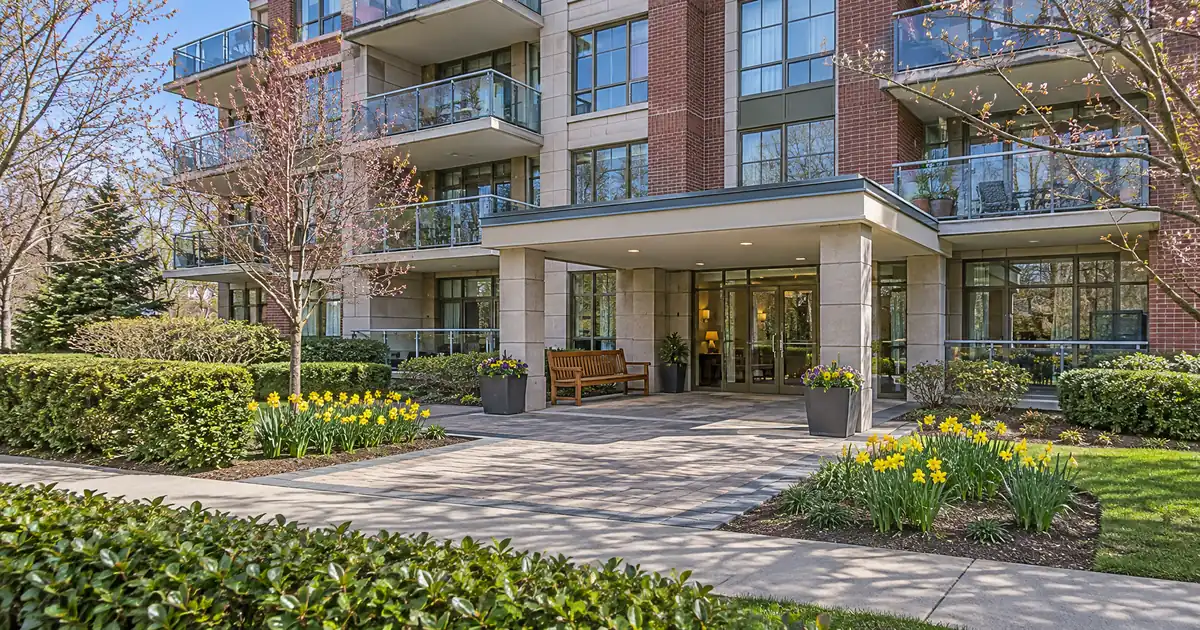
The Quick Read: It depends on the project and on the kind of lawsuit, not on the borrower. VA approves the whole condominium project before it guarantees any unit loan, and litigation is one item in that review. A conventional loan sold to Fannie Mae asks a different question: is the project eligible, and is the suit minor? A veteran with a strong file can still be stopped by the building, under either path.
The Honest Answer First
VA cash-out suits a veteran whose project is already on VA’s approved list, or can get there, and who wants high leverage with no mortgage insurance. Conventional cash-out suits a borrower who is not VA-eligible, or whose project clears conventional review but not VA’s. In both cases the lawsuit is judged at the project level. Strong credit, high equity and a clean payment history do not change that.
VA cash-out estimate
Seeded with an example value, a typical balance, and a round cash request at the first-use fee; change any field.
Editable benchmark: 7.18% as of November 5, 2026 · Freddie Mac 30-year average via FRED®. A conventional market reference, not a VA cash-out refinance quote.
Illustrative starting assumptions: a $350,000 home value, a $193,000 current balance, the full-value VA cap with the first-use funding fee financed, a thirty-year term at the current Freddie Mac benchmark, and property taxes and insurance estimated at typical national rates. Every field is editable.
Illustrative estimate only — not a Loan Estimate, approval, quote, or commitment to lend. The rate field carries the weekly Freddie Mac thirty-year conventional benchmark, a market reference and not a VA cash-out refinance quote; a VA loan is priced by the lender at lock. The total loan, funding fee included, is capped at the program leverage on the reasonable value; the fee follows the tier chosen. The cash available is what the cap allows less the balances paid off and the fee, before closing costs, which are not included. The HELOC line is the line program’s combined loan-to-value ceiling applied to the same value and balance. Taxes and insurance are editable estimates. The debt-to-income figure is a guideline; residual income decides a VA file. Licensed in sixteen states for consumer mortgages.
Two gates apply on every file: the borrower and the building. Most borrowers focus on the first. On a condo in litigation, the second gate decides the outcome.
Side-by-Side
| Factor | VA Cash-Out | Conventional Cash-Out |
|---|---|---|
| Project review | VA approves the whole project | Lender checks project status and eligibility |
| Litigation | Litigation statement is part of the review | Pending HOA suits can make a project ineligible |
| Single-unit approval | Not available | Depends on the review path |
| Leverage | Up to 100% of appraised value, fee included | Lower; equity must stay in the home |
| Mortgage insurance | None | Often applies when equity is thin |
| Credit floor | 580 decision score on the wholesale programs Lendmire places | Set by the lender and the loan program |
| Who qualifies | Veterans with a certificate of eligibility | Any borrower meeting program rules |
| Key underwriting test | Residual income | Debt-to-income and credit |
| One-time fee | VA funding fee, waived for exempt veterans | None of that kind |
All figures are subject to lender guidelines and full file review. Not a commitment to lend. Conventional leverage varies by lender and loan type, so ask your loan officer for the current ceiling on a primary residence.
How VA Treats a Condo in Litigation
VA does not approve a single unit. Under 38 CFR Part 36, the legal documents that establish a condominium project must be approved by the Secretary before VA guarantees any individual unit loan in it. That is a precondition, and it applies to a cash-out refinance the same way it applies to a purchase.
The VA Lenders Handbook, Chapter 16 says a condominium must be approved by VA before any unit is eligible for guaranty. Its list of required documents includes a special assessments and litigation statement. So litigation is a document item inside a larger review. No public VA text sets a severity threshold, which means reviewers have discretion.
Here is how the process runs on the VA side:
1. The lender checks VA’s list of approved condominiums.
2. If the project is not listed, the lender or sponsor sends a written request and the organizational documents to the VA office of jurisdiction. The Handbook also encourages an attorney’s opinion.
3. VA reviews the declaration, bylaws, budget and litigation statement against its regulations and notifies the requester.
4. The appraisal follows. VA’s Buyer’s Guide says an appraisal is mandatory on a cash-out refinance and leads to a Notice of Value. That guide is older, so treat it as a description of process only.
The borrower does not file the project request. The lender or sponsor does. The association supplies the litigation statement, so the borrower depends on the HOA’s cooperation. Some lenders won’t order the appraisal until the project is listed. That is a lender practice, not a VA rule.
How Conventional Treats It
Most conventional loans follow Fannie Mae standards. Its Selling Guide section on ineligible projects makes a project ineligible when the HOA is a party to pending litigation. The same goes when the sponsor or developer is in litigation tied to the project’s safety, structure, habitability or functional use.
There is an exception path for minor matters that do not touch those areas. The lender must document its analysis. Non-monetary disputes and claims covered by insurance are typical examples. Do not assume your suit qualifies. The lender decides, and the Selling Guide page is the place to read the actual language.
Then there is project status. The full review process lists statuses including Approved, Conditional Approval, Unavailable and Guide Ineligible. A loan in an Unavailable project cannot be sold to Fannie Mae. A Conditional Approval loan cannot be sold until the status moves to Approved. Borrower strength does not override either one.
Other conventional investors have their own rules, and a lender may add overlays on top. Ask your loan officer which standard the file will follow.
When VA Cash-Out Is the Better Fit
VA cash-out is the stronger choice in these situations:
- The project is already on VA’s approved list. Then the building gate is open, and the borrower side is where VA shines.
- You need more access to equity. The VA cash-out reaches 100% of the appraised value, including the financed funding fee, with no mortgage insurance.
- You are moving out of a conventional loan. VA cash-out refinances any loan type into VA, with or without taking cash.
- Your credit is bruised. Across the wholesale programs Lendmire places VA loans with, the decision-score floor starts at 580.
- Your debt load is heavy. VA’s controlling test is residual income, the money left after debts and living costs. The 41% debt-to-income figure is only a guideline, not a cap, so a higher ratio needs residual income well above the table.
The costs run in one direction. VA cash-out carries a funding fee of 2.15% on first use and 3.3% on later use. Exempt veterans, including those receiving compensation for a service-connected disability, do not pay it. The fee can be financed. Seasoning applies: the later of 210 days from the first payment and the sixth payment. The loan also needs a net tangible benefit, one of VA’s eight listed benefits. The rate-reduction and fee-recoupment tests belong to the streamline (IRRRL) and do not apply to cash-out.
The catch: if the project is not approved and the HOA will not cooperate, none of this matters.
When Conventional Cash-Out Is the Better Fit
Conventional is the stronger choice here:
- You are not VA-eligible. A certificate of eligibility from VA decides that, and service requirements are VA’s rules.
- The project clears conventional review but has no VA approval. If the building is not on VA’s list and the association won’t or can’t submit documents, conventional may be the only door.
- The lawsuit fits a minor-litigation exception. A documented, insurer-covered or non-monetary matter may pass conventional review where VA’s discretion is harder to predict.
- You have deep equity. Conventional cash-out holds back more equity than VA does, but with ample equity that limit matters less, and mortgage insurance is less likely to apply when equity is thick.
- You want to avoid the one-time funding fee. Conventional carries no such fee, though it may carry mortgage insurance when equity is thin.
The tradeoff is leverage and cost structure. Conventional generally reaches less of the home’s value than VA, and mortgage insurance changes the monthly budget when equity is thin. Residual income does not apply, so a heavy debt load is tested differently.
Edge Cases Worth Knowing
- No single-unit route at VA. FHA’s spot-approval path does not carry over. VA approves the project or it doesn’t.
- FHA approval does not make a condo VA-approved. VA does add projects accepted on HUD or USDA approval to its list, with no formal approval letter. Lenders should confirm current standing.
- PUDs differ from condos. VA no longer reviews PUD organizational documents. The lender confirms title and lien requirements. A lender may still apply its own PUD litigation screen, which is an overlay, not a VA rule.
- Streamlines are unsettled. Sources conflict on whether an IRRRL needs current project approval. Ask your loan officer rather than assume.
- A ruling or settlement can change the answer. Project status can move after a case resolves, but the timing depends on the association, VA or the investor.
If Both Paths Are Closed
A project rejected by both programs leaves a short list. Wait for the case to resolve, then re-run the review. Ask whether a different conventional investor or a portfolio lender reviews the project differently. Or hold the existing loan until the building clears. One practical habit: ask the HOA early for the litigation statement, the attorney’s letter and the insurance coverage details. Having those three documents in hand lets your loan officer start the project review sooner under either program.
Key Terms Defined
Project approval: VA’s review of a condominium’s legal documents, done before any unit loan in the project is guaranteed.
Litigation statement: The HOA’s disclosure of pending lawsuits, reviewed as part of VA’s project documents.
Unavailable status: A Fannie Mae project designation meaning loans in that project cannot be sold to Fannie Mae.
Overlay: A lender’s own rule layered on top of the program’s published guideline.
Residual income: The money left each month after major obligations, which is VA’s controlling underwriting test.
Notice of Value (NOV): The document VA issues from the appraisal.
Verdict
Neither path wins on every file. VA cash-out gives the most access to equity and drops mortgage insurance, but it needs a VA-approved project and a veteran with eligibility. Conventional has more routes through a minor lawsuit and no funding fee, but it holds back more equity and may add mortgage insurance. On a condo in litigation, check the project first and the borrower second. Lendmire’s VA cash-out refinance program page lays out the borrower side of VA cash-out.
If you are weighing a cash-out refinance against keeping the loan you have, Lendmire can help you compare the programs and the equity each one reaches. Lendmire is a mortgage broker and arranges these loans through wholesale lenders. Every program detail is subject to lender guidelines and full file review.
Frequently Asked Questions
Does VA review the condo again when I refinance with cash-out?
Yes, the project approval rule is a precondition to any guaranty on a unit in the project. Secondary sources say refinances are included. A cash-out is not treated more leniently than a purchase.
Can VA approve just my unit?
No. VA approves the whole project and has no spot approval. FHA’s single-unit route does not carry over to VA.
Does any lawsuit block a conventional loan?
No. Fannie Mae allows exceptions for minor matters that do not affect safety, structure, habitability or functional use, and the lender must document its analysis. A pending suit against the HOA can still make the project ineligible. Your lender decides which side your case falls on.
Who files the VA condo request?
The lender or the sponsor does. The borrower does not. The HOA supplies the litigation statement, so ask the association for it early.
Can I refinance a conventional loan into VA on a condo?
Yes, VA cash-out refinances any loan type into VA, if you hold a certificate of eligibility and the project meets VA’s requirements. The funding fee, seasoning and net tangible benefit rules apply, subject to lender guidelines.
For your own numbers, request a scenario review with Lendmire.
About Lendmire
Lendmire (NMLS# 2371349) is a mortgage broker licensed for consumer lending in 16 states. Lendmire arranges FHA, VA, conventional and jumbo purchase and refinance loans through wholesale lenders; every file is underwritten by the lender under the applicable program guidelines. Scotsman Guide named Lendmire a Top Mortgage Workplace in both 2025 and 2026.
Get Started
Ready to find the right loan for you?
See your offer in seconds. No credit pull, no obligation.
Informational only. Not a Loan Estimate, approval, or commitment to lend. Program availability and eligibility are subject to lender guidelines, credit approval, property review, and underwriting.
References
2. VA Lenders Handbook, Chapter 16
3. VA Home Loan Guaranty Buyer’s Guide
4. Fannie Mae Selling Guide B4-2.1-03, Ineligible Projects
5. Fannie Mae Selling Guide B4-2.2-02, Full Review Process
This article is part of Lendmire’s VA cash-out refinance program — full qualification details, guidelines, and scenarios live on the program page.
Related reading: How a VA Cash-Out Works for a First-Time VA User · How a VA Cash-Out Works After a Sale Listing Expires · How a Lender Weighs VA Cash-Out Against Conventional for a Veteran
Brandon Miller
Founder & CEO, Mortgage Loan Originator, Lendmire LLC
- Mortgage Loan Originator · NMLS# 1129696 · Verify on NMLS Consumer Access
- North Carolina Real Estate Broker · License# 343312 · Verify on NCREC
- North Carolina Insurance Producer · License# 19053198 · Property, Casualty, Life, Health · Verify on NAIC SBS
- Lendmire LLC · Firm NMLS# 2371349 · Verify firm licensure
Legal disclosures. Lendmire (NMLS# 2371349) is a state-licensed mortgage brokerage that arranges financing through wholesale lender relationships. Lendmire is not a direct lender, depository institution, or registered financial advisor. The discussion above is general informational content about real estate financing — it is not financial, legal, or tax advice, and readers should consult licensed professionals for guidance on their individual circumstances. Loan inquiries are subject to lender underwriting; this article does not represent a commitment to lend. Loan terms, rates, and qualification standards vary by borrower, property, and state, and are subject to change at any time. Equal Housing Opportunity. NMLS Consumer Access: nmlsconsumeraccess.org.