
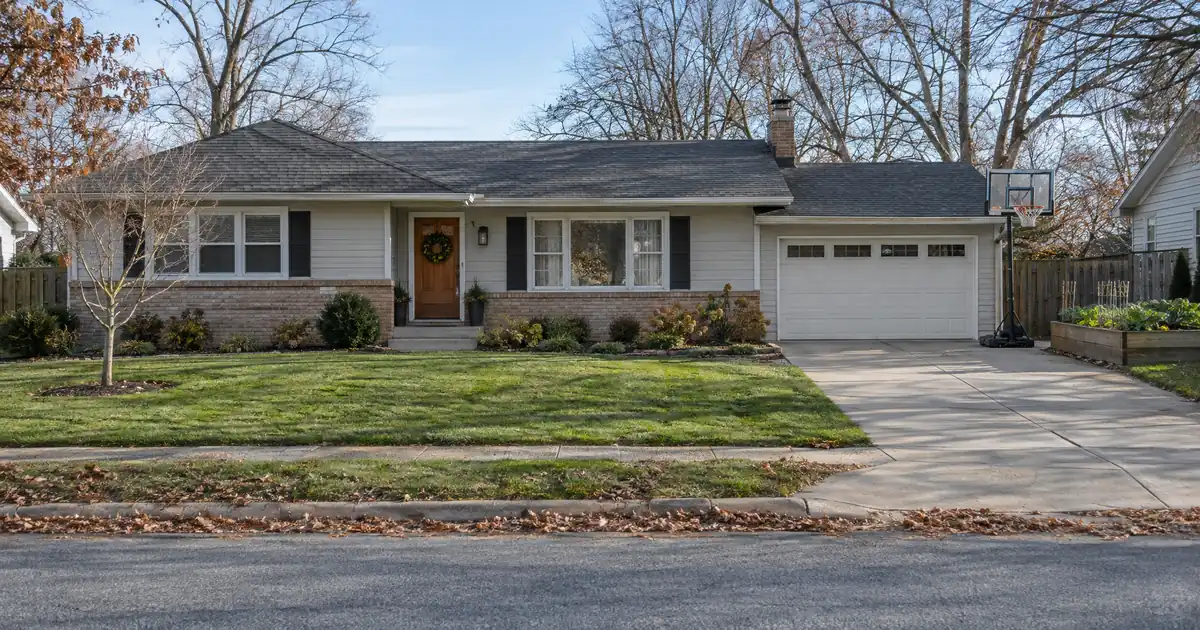
The Quick Read: No, you generally can’t waive the appraisal on an FHA purchase, and you can’t reuse one under a different case number. The appraised value sets the maximum loan, so a low number stays low. The one real “no appraisal” path is the FHA Streamline, which only applies when you already hold an FHA loan. On a purchase, your options are to renegotiate, bring more cash, challenge the value, or walk away.
Why Can’t You Waive an FHA Appraisal?
The FHA appraisal does two jobs. It sets the value the loan is sized on, and it checks that the home meets basic condition standards. A lender can’t skip either job on a purchase.
FHA payment estimate
Starting assumptions reflect an example price and the FHA minimum investment. Replace them with your own figures.
Editable benchmark: 7.32% as of October 22, 2026 · Freddie Mac 30-year average via FRED®. A conventional market reference, not an FHA loan quote.
Illustrative starting assumptions: a $350,000 price, the FHA minimum investment as the down payment, a thirty-year term at the current Freddie Mac benchmark, and property taxes and insurance estimated at typical national rates. Every field is editable.
Illustrative estimate only — not a Loan Estimate, approval, quote, or commitment to lend. The rate field carries the weekly Freddie Mac thirty-year conventional benchmark, a market reference and not an FHA loan quote; your rate is set by the lender at lock. FHA mortgage insurance follows HUD’s published schedule for the term, leverage and loan size entered; taxes, insurance and dues are editable estimates; closing costs are not included; county loan limits are not checked here. Licensed in sixteen states for consumer mortgages. Lendmire is not affiliated with or acting on behalf of FHA, HUD, or the federal government.
Here is how the loan size works. The maximum loan is a percentage of the “Adjusted Value,” which is the lesser of the purchase price or the appraised value. Per HUD’s FHA Q&A on purchase loan amounts, that cap is 96.5% LTV, with a minimum investment of 3.5% from the borrower. LTV means loan-to-value: the loan as a share of the home’s value. Across the wholesale programs Lendmire places FHA files with, 96.5% financing with 3.5% invested starts at a 580 decision score, subject to lender guidelines and full file review.
Notice the wording. The percentages apply to the lesser number. A low appraisal drags the loan down with it.
Two different things people call “waiving”
This is where most of the confusion lives. Two separate actions get the same label.
- A lender appraisal waiver means the lender skips the appraisal entirely. FHA doesn’t offer this on a purchase.
- Waiving the appraisal contingency means you promise the seller you’ll close even if the value comes in low. The appraisal still happens. The loan is still sized on the lower value.
So waiving the contingency doesn’t make the appraisal disappear. It just means you’ve committed to cover any gap with your own cash. Think of it as removing your exit, not removing the appraisal.
When Does an FHA Loan Skip the Appraisal?
The FHA Streamline Refinance is the exception. It refinances an existing FHA loan with no appraisal, a limited credit review, and a net tangible benefit test. The mortgage insurance premium continues.
Per the FDIC’s summary of the streamline program, there are no LTV limits on a streamline. The program works off the balance of the loan being refinanced. That’s why a low home value doesn’t block it.
Two limits matter:
- The loan you’re refinancing must already be FHA-insured. A conventional, VA, or USDA loan can’t use a streamline.
- A standard refinance from a non-FHA loan into FHA needs a full appraisal.
The FHA rate-and-term refinance with an appraisal reaches 97.75% LTV on a home you’ve occupied as your principal residence for the previous twelve months. The FHA cash-out reaches 80% LTV on a home owned and occupied for 12 months before the case number. Both depend on the appraised value, so a low number limits what you can refinance. If a low value is hurting a cash-out plan, Lendmire’s piece How to Prepare for a Cash-Out Refinance Appraisal That Comes In Low walks through the problem. Terms depend on the lender’s guidelines, the property type, the leverage, and a full review of the credit profile.
Can You Reuse an FHA Appraisal?
Mostly no. An FHA appraisal is tied to a case number, and the case number is tied to the property. Per HUD’s handbook language as quoted by FHA News and Views, a lender must order a new appraisal for each case number. It can’t reuse one done under a different case number, even if that report is still in its validity window. That quote dates from the older 120-day era, so the exact current handbook text is worth confirming with your lender.
“Reuse” can mean different things, and each has a different answer.
| Situation | Can the appraisal be reused? | What to know |
|---|---|---|
| Same buyer, same lender | Yes | It’s the report for your case number |
| You switch lenders mid-deal | Generally yes | The case number and appraisal stay with the property |
| New borrower, same home | No | A new case number means a new appraisal |
| Different case number | No | A new appraisal is ordered |
| Expired appraisal | Needs an update or new report | See the validity window below |
The point of this design is to block “appraisal shopping.” You can’t take a low value to a different lender and hope for a better number. The value follows the home.
One more catch. A second lender can’t ask the appraiser to re-address the report. If it finds deficiencies, it must order a new appraisal, and the fee lands on whoever is the new borrower.
How long is an FHA appraisal good for?
Longer than it used to be. HUD’s summary of Mortgagee Letter 2022-11 raised the initial validity period from 120 days to 180 days. It also extended the appraisal update validity from 240 days to one year and removed the optional 30-day extension. That applies to case numbers assigned on or after June 1, 2022.
The old 120-day figure still floats around online. It’s outdated. Even so, a valid appraisal is only usable under its own case number.
What Happens When the Appraisal Comes In Low?
The loan is sized on the lower number. The seller’s contract price doesn’t change that. Say a home is under contract at a price and the appraisal comes in below it. The lender uses the appraised value for the 96.5% math, and the 3.5% minimum investment is figured on that same lower Adjusted Value. If you want to proceed at the contract price, you cover the gap in cash.
You can’t finance the difference. That’s the part that surprises first-time buyers.
The FHA Amendatory Clause protects your earnest money
FHA purchase contracts carry an amendatory clause when you haven’t already received the appraised-value statement (Form HUD-92800.5B) before signing. In plain terms, you aren’t obligated to complete the purchase, or forfeit your earnest money, unless you receive a written statement of an appraised value at or above the stated amount. You may still choose to proceed. The choice is yours.
That’s the buyer’s real leverage. The seller doesn’t have to drop the price. But if they won’t, you can usually cancel and recover your deposit. Have your agent confirm exactly how the clause reads in your contract.
What Are Your Options With a Low Appraisal?
You have four, and they often work in this order.
| Option | Who it helps | Main tradeoff |
|---|---|---|
| Renegotiate the price | Buyer | Seller has to agree |
| Split the gap | Both sides | Buyer still brings some extra cash |
| Pay the gap in cash | Seller | Buyer pays above the appraised value |
| Cancel and recover earnest money | Buyer | You lose the home and start over |
Here is a plain scenario with no dollar figures. A buyer offers on a home, and the appraisal lands a few percent under the price. The buyer asks for a price cut. The seller counters by meeting halfway. The buyer covers the remaining gap in cash, and the loan stays sized on the appraised value. Everyone gave a little.
Whether the seller budges often comes down to the market. In a slow market, sellers cut. In a hot one, they may wait for another buyer.
Paying the gap changes your cash to close and, by changing the amount you borrow, your monthly payment. A bigger down payment means a smaller loan. Your Loan Estimate will show the real figures once the structure is set.
How Do You Challenge a Low Value?
You ask for a Reconsideration of Value, or ROV. An ROV is a request, routed through the lender’s underwriter, asking the appraiser to re-assess the report based on information that may affect value.
The rules here have shifted. A 2024 HUD mortgagee letter added formal borrower-initiated ROV procedures. In March 2025, FHA rescinded that letter and reverted to earlier language. Per the National Association of Realtors, borrowers can still request an ROV by contacting their lender. So don’t assume the 2024 process is current. Ask your loan officer how their ROV process works.
A few practical points:
- Get the report first. Federal law gives you a free copy of the appraisal, even if your loan is denied or withdrawn. Read it for errors like wrong square footage, missed features, or weak comparables.
- Bring better comparables. Recent sales of similar homes nearby are the strongest evidence. Opinions and listing prices are weak.
- Go through the lender. The request runs from the underwriter to the appraiser. You don’t call the appraiser yourself.
- Expect no guarantee. Appraisers can and do hold their number.
A second appraisal isn’t granted just because the value is low. It generally takes documented material deficiencies in the first report. HUD has also removed some redundant appraisal protocols, including extra comparable-sales requirements in changing markets. That trims paperwork. It does not create a waiver.
What Won’t Work
Some moves sound clever and go nowhere.
- Switching lenders to find a higher number. The case number and appraisal stay with the property.
- Pressuring the appraiser. It’s improper, and it can sink the report.
- Ordering a private appraisal and expecting it to replace the FHA one. The FHA appraisal governs the loan.
- Waiving the contingency and assuming the appraisal goes away. It doesn’t. You’ve only agreed to cover the gap.
- Assuming a switch of lenders clears required repairs. Repairs tied to the appraisal travel with it.
A related wrinkle: a “low” appraisal can also come with required repairs, which is a separate issue from value. Those conditions are about the home meeting standards, not the price.
Key Terms Defined
Adjusted Value: The lesser of the purchase price or the appraised value. The FHA loan is sized on this number.
Case number: The FHA identifier tied to the property. The appraisal is ordered under it.
Reconsideration of Value (ROV): A request, routed through the lender’s underwriter, asking the appraiser to re-assess the report.
Amendatory clause: A contract provision that protects your earnest money if the appraised value comes in too low.
FHA Streamline: A refinance of an existing FHA loan that doesn’t require an appraisal.
Frequently Asked Questions
Can I waive the appraisal and close on an FHA loan anyway?
No. An FHA purchase needs an appraisal, and the loan is sized on the appraised value. You can waive the contingency, meaning you agree to pay any gap in cash, but the appraisal still happens. Only the FHA Streamline skips it, and only for an existing FHA loan.
Can I use the same appraisal if I switch lenders?
Yes, within the same deal. The case number and appraisal stay with the property, so a new lender picks up the existing report. That also means switching won’t produce a better number, because the value follows the home. The new lender can’t ask the appraiser to re-address the report. If it finds deficiencies, it must order a new appraisal. A new case number, such as a different buyer on the same home, also means a new appraisal.
Do I lose my earnest money if the appraisal is low?
Usually not, if your contract carries the FHA amendatory clause. It lets you cancel without forfeiting the deposit unless you receive an appraised value at or above the stated amount. Your contract’s wording controls, so have your agent confirm it.
Does the seller have to lower the price?
No. The seller can hold the price. Your protection is the right to cancel and recover your earnest money, or to negotiate. Many deals land on a price cut, a split of the gap, or extra cash from the buyer.
Can I get a second appraisal if I think the first is wrong?
Not just because the value is low. A second appraisal generally needs documented material deficiencies in the first. The usual route is an ROV through your lender, with stronger comparables and any errors you found in the report.
Next Steps
If you’re buying a home and want to see whether an FHA loan fits your file, Lendmire can help you compare the options and what each one asks of the file. Lendmire is a mortgage broker, and every program detail here is subject to lender guidelines and full file review. Nothing in this piece is a commitment to lend. You can start with Lendmire’s FHA loan programs page.
For your own numbers, request a scenario review with Lendmire.
About Lendmire
Lendmire — NMLS# 2371349 — is a mortgage broker that arranges FHA, VA, conventional and jumbo home purchase and refinance financing in 16 states through wholesale lenders. Every option is subject to the lender’s guidelines and full underwriting. Scotsman Guide named Lendmire a Top Mortgage Workplace in both 2025 and 2026.
Get Started
Ready to find the right loan for you?
In about two minutes you can review financing options available for your home or investment property. No commitment required.
Informational only. Not a Loan Estimate, approval, or commitment to lend. Program availability and eligibility are subject to lender guidelines, credit approval, property review, and underwriting.
References
1. HUD FHA Q&A: How do I calculate the loan amount for an FHA purchase transaction
2. FDIC: FHA streamline refinance summary
3. FHA News and Views: HUD 4000.1 on appraisal expiration dates
4. HUD FHA INFO 2022-71 (Mortgagee Letter 2022-11 summary)
5. National Association of Realtors: FHA rescinds multiple appraisal-related policies
This article is part of Lendmire’s FHA loan program — full qualification details, guidelines, and scenarios live on the program page.
Related reading: How a Low Appraisal Changes a Refinance of an Existing FHA Loan · Can You Get an FHA Loan and What Decides Approval? · FHA Loan Requirements for a Second Loan After Payoff
Brandon Miller
Founder & CEO, Mortgage Loan Originator, Lendmire LLC
- Mortgage Loan Originator · NMLS# 1129696 · Verify on NMLS Consumer Access
- North Carolina Real Estate Broker · License# 343312 · Verify on NCREC
- North Carolina Insurance Producer · License# 19053198 · Property, Casualty, Life, Health · Verify on NAIC SBS
- Lendmire LLC · Firm NMLS# 2371349 · Verify firm licensure
Important disclosures. Lendmire (NMLS# 2371349) is a licensed mortgage brokerage. Lendmire is not a direct lender, depository institution, or financial advisor. All loan inquiries are subject to lender underwriting; this article does not constitute a commitment to lend. Rates, terms, and program guidelines are subject to change without notice and vary by borrower profile, property type, and state. Information in this article is general in nature and is not financial, legal, or tax advice. Equal Housing Opportunity. NMLS Consumer Access: nmlsconsumeraccess.org.