
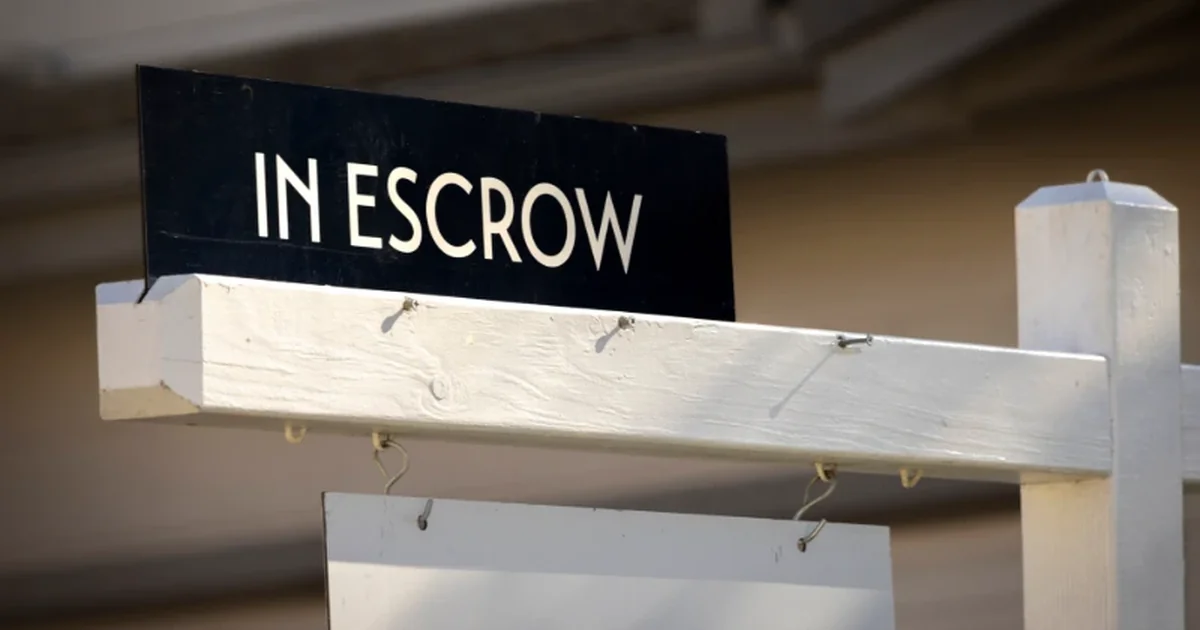
Understanding Escrow Accounts
When you’re buying a home, you’ll hear a lot of new terms—one of the most important is “escrow.” While it might sound technical, escrow is simply a tool that helps manage and protect certain parts of your mortgage and homeownership.
Your lender sets up an escrow account to hold funds for property taxes and homeowners insurance. Rather than paying these large bills all at once, you make smaller monthly contributions along with your mortgage payment. Your lender then pays those bills when they come due.
Why It’s Helpful
Escrow simplifies homeownership by breaking big annual or semiannual costs into manageable chunks. It ensures these critical bills are paid on time—which helps you avoid late fees, lapses in coverage, or even liens on your property.
It also takes a lot of stress off your plate. You don’t have to track payment dates or save up for large tax or insurance bills—the funds are already set aside and handled on your behalf.
Is Escrow Required?
In many cases, yes. Most lenders require escrow accounts if you’re putting down less than 20%, or if you’re using a government-backed loan (like FHA or VA). But even if it’s not required, many homeowners choose to use escrow for the peace of mind it provides.
Some buyers may have the option to waive escrow if they meet certain qualifications, but they would then be responsible for paying property taxes and insurance directly—and on time.
Annual Escrow Review
Your lender will typically conduct an annual review of your escrow account. This is to make sure the amount being collected still matches what’s owed.
If your taxes or insurance costs go up, your monthly escrow payment may increase to cover the difference. If they go down, you might see a refund or reduced payment. This process is called an escrow analysis.
What to Expect at Closing
When you close on your home, you’ll often pay an initial amount into your escrow account—this is called “escrow reserves.” It ensures your account starts off with enough funds to cover early expenses.
You’ll see this listed in your closing documents, and it’s a normal part of most mortgage transactions.
Final Thoughts
While it may seem like just another part of the mortgage process, escrow plays a vital role in keeping your home (and your finances) secure. It simplifies budgeting, ensures timely payments, and gives both you and your lender peace of mind.
If you have questions about how escrow works with your specific loan, don’t hesitate to reach out. A quick conversation with your mortgage advisor can help clarify the details and ensure you’re fully prepared for homeownership.
For current guidelines and terms, see Lendmire’s DSCR loan programs page.
About Lendmire
Lendmire is a DSCR-focused mortgage brokerage, NMLS# 2371349, placing investor loans across 41 markets, including Washington, D.C. DSCR eligibility is generally reviewed by the lender on a property’s rental income rather than personal income documentation, which fits LLC-held rentals, self-employed investors, and portfolios scaling past conventional financed-property limits. Scotsman Guide named Lendmire a Top Mortgage Workplace in both 2025 and 2026.
Get Started
Ready to find the right loan for you?
In about 30 seconds you can review financing options available for your home or investment property. No commitment required.
Informational only. Not a Loan Estimate, approval, or commitment to lend. Program availability and eligibility are subject to lender guidelines, credit approval, property review, and underwriting.
This article is part of Lendmire’s Escrow series — every loan program’s qualification details, guidelines, and scenarios live on the loan options page.
Brandon Miller
Founder & CEO, Mortgage Loan Originator, Lendmire LLC
- Mortgage Loan Originator · NMLS# 1129696 · Verify on NMLS Consumer Access
- North Carolina Real Estate Broker · License# 343312 · Verify on NCREC
- North Carolina Insurance Producer · License# 19053198 · Property, Casualty, Life, Health · Verify on NAIC SBS
- Lendmire LLC · Firm NMLS# 2371349 · Verify firm licensure
Compliance and disclosures. Lendmire (NMLS# 2371349) is a licensed mortgage broker and is not a direct lender, depository institution, financial advisor, or tax professional. Content in this article is general market analysis and educational information — not financial, legal, or tax advice for any specific situation. Lendmire does not guarantee loan approval; every transaction is subject to underwriting by the funding lender. Mortgage pricing and loan program guidelines are subject to change at any time without notice and vary by borrower characteristics, property type, and state regulations. Lendmire complies with Equal Housing Opportunity. Licensure verification: NMLS Consumer Access.