
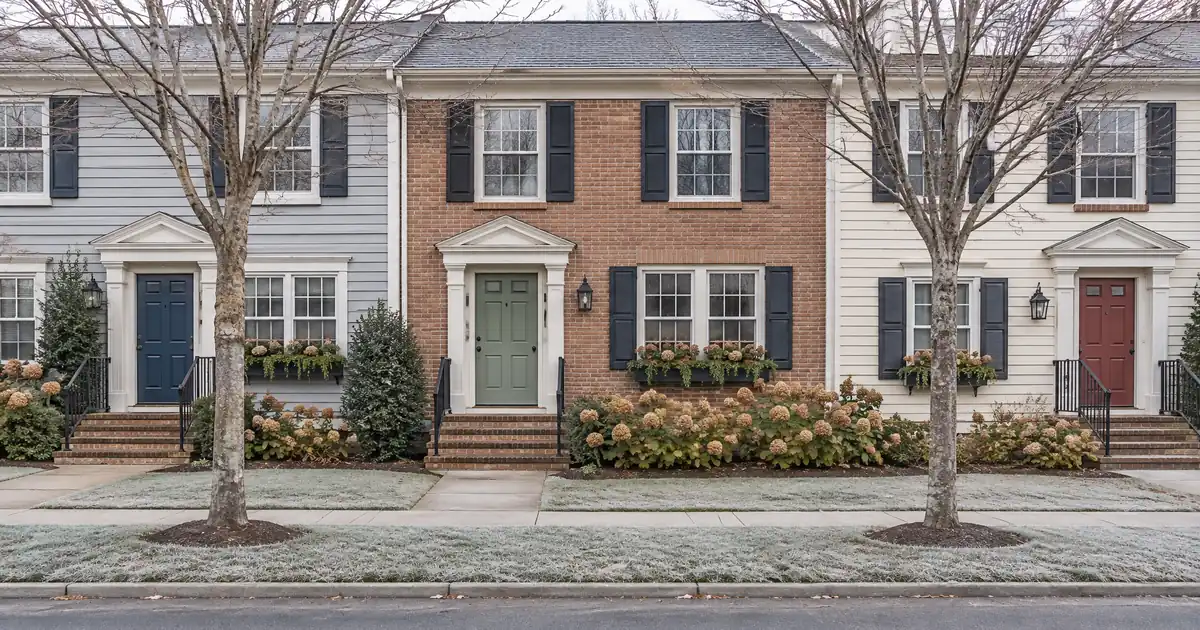
The Quick Read: Banks, credit unions, mortgage companies, and brokers who place loans with them all offer it. Conventional, FHA, and VA loans each have their own equity limits. A cash-out refinance replaces your mortgage with a larger one and pays you the difference. You can use that cash for debt or renovations, subject to lender guidelines and full file review.
Who Actually Makes These Loans?
Private lenders make cash-out refinances. That includes banks, credit unions, mortgage companies, and online lenders. Brokers don’t lend. They shop your file across lenders. The agencies behind FHA, VA, and conventional loans set the rules, but they don’t hand you the money.
Cash-out refinance estimate
The starting figures are an example value with a balance and a cash request in proportion. Replace them with yours.
Editable benchmark: 7.18% as of November 5, 2026 · Freddie Mac 30-year average via FRED®. A conventional market reference, not a cash-out refinance quote.
Illustrative starting assumptions: a $350,000 home value, a $193,000 current balance, the agency cap on a one-unit principal residence, a thirty-year term at the current Freddie Mac benchmark, and property taxes and insurance estimated at typical national rates. Every field is editable.
Illustrative estimate only — not a Loan Estimate, approval, quote, or commitment to lend. The rate field carries the weekly Freddie Mac thirty-year conventional benchmark, a market reference and not a cash-out refinance quote; a cash-out loan is priced by the lender at lock. The cash available is the loan the program cap allows less the balances paid off, before closing costs, which are not included. The HELOC line is the program’s combined loan-to-value ceiling applied to the same value and balance. Taxes and insurance are editable estimates. Licensed in sixteen states for consumer mortgages.
Here is how the main sources compare:
| Source | Strength | Trade-off | Best for |
|---|---|---|---|
| Bank or credit union | Existing relationship | One set of programs | Borrowers happy with one lender |
| Mortgage company or online lender | Broad program menu | Less in-person help | Self-directed borrowers |
| Mortgage broker | Many lenders, one file | Depends on broker’s network | Borrowers comparing options |
FHA and VA loans are not a separate kind of lender. A private lender from any row above can offer them, and the program rules apply whichever source you choose.
A bank or credit union can be a fine choice. If you already hold your mortgage there, the conversation is easy. The catch is that you see only that lender’s menu.
A broker sees many menus. Lendmire is a mortgage broker, not a lender. It arranges FHA, VA, conventional, and jumbo loans through wholesale lenders. You can see how that works on Lendmire’s cash-out refinance programs page.
A broker is paid by the lender or by you, and that pay is disclosed on your Loan Estimate. Whoever you pick, compare the full terms line by line.
Which Loan Type Fits Your Goal?
Conventional, FHA, and VA all allow cash-out refinances. Each draws a different line on how much equity must stay in the home. Conventional is the broadest. FHA suits some borrowers with lower credit. VA suits eligible veterans and service members.
Conventional. On a one-unit principal residence, a conventional cash-out tops out at 80% loan-to-value (LTV). LTV is the new loan divided by the home’s value. On two- to four-unit principal residences, second homes, and investment property, the cap is 75%. Occupancy sets the leverage. For a one-unit home you live in, the 80% cap is the one that applies.
Conventional cash-out has a waiting period too. The mortgage you are paying off must be at least 12 months old, counted note date to note date. You also need to have been on title for 6 months. Exceptions exist for delayed financing, inheritance, and legal awards.
Some wholesale lenders go further. One lane reaches 89.99% LTV with no mortgage insurance. It needs a 680 score, a 50% total debt ratio, a 30-year fixed rate, a primary residence, and a conforming loan balance. It has its own six months of seasoning. That lane is not written in Texas. Terms depend on the lender’s guidelines, the property type, the leverage, and a full review of the credit profile.
Texas has its own rule. A cash-out on a Texas homestead is capped at 80% of the home’s value by the state constitution.
FHA. Per HUD Handbook 4000.1, the maximum LTV and combined LTV on an FHA cash-out is 80 percent. A standard FHA cash-out is for an owner-occupied principal residence. FHA loans carry mortgage insurance, which adds to your cost.
VA. Per the VA’s cash-out loan page, you go through a private bank, mortgage company, or credit union, not through the VA itself. The VA says terms and fees vary, so it suggests contacting several lenders. You need a Certificate of Eligibility, and the loan must pass a net tangible benefit test, which means the refinance has to leave you better off.
What Counts as Cash-Out?
A refinance counts as cash-out when you take real cash or pay off debt that wasn’t used to buy the home. The cap is on the whole new loan, not on the cash you receive. That distinction is easy to miss.
Here is the picture. Say you owe 65% of your home’s value. A conventional cash-out caps the new loan at 80%. Your room is the gap between what you owe and that cap, and closing costs come out of that room too. The cash in your pocket is what’s left.
A refinance is the lighter cousin. It pays off your first mortgage, the closing costs, and a purchase-money second lien. Only a small, capped amount of cash back is allowed. A rate-and-term reaches 95% LTV on a one-unit principal residence. Final terms depend on the lender’s guidelines, the property type, and the borrower’s complete credit picture.
Paying off a HELOC (home equity line of credit) or another second lien changes the label. If that second loan wasn’t used to buy the home, the refinance generally becomes a cash-out. On a conventional loan, leverage then drops from the 95% of a rate-and-term to the 80% cap of a conventional cash-out on a one-unit principal residence. This surprises people. Check it before you assume a rate-and-term will work.
Buying out a co-owner under a written agreement is a limited cash-out at both major agencies. It follows the lighter rules.
Debt Payoff or Renovations: Which Use Fits?
Both uses are common, and both work. The money behaves the same way. The difference is what happens after closing. Debt payoff swaps one kind of debt for another. Renovations can add value to the asset securing the loan.
| Question | Debt payoff | Renovations |
|---|---|---|
| What you get | Lower-stress cash flow, maybe | A better or more valuable home |
| Main risk | Balances creep back | Costs run over budget |
| Home at risk? | Yes, unsecured debt becomes secured | Yes, as with any mortgage |
| Best test | Will you stop using the cards? | Will the work pay off for you? |
Debt payoff scenario. Picture a homeowner with 60% LTV and several credit cards. A cash-out refinance can wipe the card balances. It rolls them into the mortgage. The risk is that the cards slowly fill up again. Terms vary by lender guidelines, property type, leverage, credit profile, and full file review.
The mortgage is cheaper debt than a card in many cases. But you are now paying it off over a long term. Cards you stop using are the whole point. Cards you refill make the plan backfire.
Renovation scenario. Say a homeowner at 70% LTV wants a kitchen and a roof. A cash-out gives a lump sum at closing. You don’t get draws as the work goes. That means you hold the money and manage the budget yourself. A dedicated renovation loan works differently, so ask about it if the project is large. Leverage, reserves, and pricing vary by lender and program; the final terms follow the full file review.
What Lenders Look At
- Equity left after the loan. This is the LTV cap, from the section above.
- Credit. Wholesale conventional programs start at a 620 decision score. Some lenders set a higher floor. The automated underwriting finding governs most files.
- Debt-to-income (DTI). Your monthly debts divided by your monthly income. The total ceiling is 50% on the automated path.
- Reserves. The Fannie Mae Eligibility Matrix notes that cash-out refinances need minimum reserves on files with DTI above 45%. Reserves are savings left after closing.
- Seasoning. The 12-month and 6-month clocks described above.
- Occupancy and property type. These set the cap.
Waiting periods after credit events are agency rules. Four years from a chapter 7 discharge, seven from a foreclosure, and four from a short sale or deed-in-lieu. They can be shorter with documented extenuating circumstances.
A standard file also needs income documents, asset statements, credit, title work, payoff statements, and an appraisal. Some files get an appraisal waiver, but the automated finding decides that. Don’t count on one.
A Streamline Is Not a Cash-Out
The FHA Streamline and the VA IRRRL (Interest Rate Reduction Refinance Loan) are rate-reduction tools. They are not cash-out products. They do not pay off debt.
The VA IRRRL is “VA to VA.” You need an existing VA-guaranteed loan. It requires a net tangible benefit, a seasoning period, and a 0.5% funding fee unless you are exempt. It does not need a VA appraisal or a new Certificate of Eligibility.
The FHA Streamline works the same way for an existing FHA loan. There’s no appraisal and the credit review is limited.
VA cash-outs come in two types, as VBA Circular 26-18-30 lays out. Type I refinances an existing VA loan without exceeding the payoff. Type II exceeds the payoff, which is what puts cash in your hands. Read the circular for the exact definitions.
One more edge case. Fannie Mae’s high-LTV refinance option is paused, so it isn’t a path today. Check with your lender.
When a Cash-Out Is the Wrong Move
A cash-out refinance is a poor fit when it adds cost without solving the problem. Skip it if you plan to keep spending on the cards. Skip it if you are close to payoff on your current mortgage. Skip it if the new loan would stretch your monthly budget.
The CFPB notes that a cash-out may extend the time it takes to pay off your mortgage. Your monthly payment may also rise, since you replace your loan with a larger one. VA says a cash-out rarely lowers the payment. Be wary if anyone promises a lump sum and a lower payment together.
Turning card debt into mortgage debt also shifts risk. Miss card payments and the lender sends letters. Miss mortgage payments and the home is on the line.
Whether a cash-out makes sense for you can go either way. It can be the cleanest fix for a stack of high-balance debt. It can also be a way to feel better without changing the habit. Be honest about which one you are.
Here are your alternatives:
| Option | How it works | Trade-off |
|---|---|---|
| Keep your loan, add a HELOC | Second lien on top | Variable terms, second payment |
| Home equity loan | Fixed second loan | Two mortgages to carry |
| Personal loan | Unsecured | Smaller amounts |
| Cash-out refinance | One new loan | Resets your whole mortgage |
If your current mortgage terms are strong, a second lien may beat a cash-out. If your terms are weak anyway, one new loan can be cleaner.
Questions to Ask Any Lender
- Which program am I being placed in: conventional, FHA, or VA?
- What is the maximum LTV on this loan for my occupancy?
- Does paying off my second lien change the loan to cash-out?
- Is there mortgage insurance, and does it cancel?
- What is the total of all costs on the Loan Estimate?
- Will my payment go up or down?
Mortgage insurance on conventional loans cancels at your request at 80% of the original value, with good payment history and no subordinate liens. The servicer must end it at 78%. Conventional cash-out tops out at 80% on a one-unit principal residence, so insurance matters less there than on a purchase. One wholesale lane, for a primary residence with a conforming balance, reaches 89.99% LTV with no mortgage insurance, so ask whether it applies to you.
Ask for the same quote shape from every lender. That makes comparison simple.
Key Terms Defined
LTV (loan-to-value): The new loan balance divided by your home’s value.
Cash-out refinance: A new, larger mortgage that pays off your old one and gives you the difference in cash.
Limited cash-out (rate-and-term): A refinance that pays off your mortgage and costs with only a small capped amount of cash back.
Seasoning: The waiting period a lender wants between events, such as owning the home or holding the loan you’re paying off.
Net tangible benefit: A test that the refinance leaves you better off in a concrete way.
Reserves: Savings you still hold after closing.
Frequently Asked Questions
Can a cash-out refinance pay off credit cards?
Yes. The cash can go toward any debt, and lenders commonly see cards and auto loans. The VA’s page lists debt payoff among its allowed uses. Fresh equity limits still apply, so how much you can clear depends on how much equity remains after the new loan, subject to lender guidelines.
Can I get a cash-out refinance through the VA directly?
No. The VA works through private lenders. You pick a lender, then get a Certificate of Eligibility. The VA advises contacting several lenders because terms and fees vary.
Does paying off a HELOC count as a rate-and-term refinance?
Usually not. If that second lien wasn’t used to buy the home, the transaction generally counts as cash-out. Leverage then follows the lower cash-out cap instead of the 95% rate-and-term level.
Will a cash-out refinance lower my monthly payment?
Rarely. You are taking a larger loan, and the term may stretch. The result depends on your starting loan and the new terms. Ask each lender for the full picture on the Loan Estimate.
How much equity do I need?
Meaningful equity must remain after the loan. On a conventional one-unit principal residence, the cap is 80% LTV, so you need to keep at least 20% equity. FHA also tops out at 80%. Some wholesale lanes reach higher on conforming primary residences, subject to guidelines. Each figure is subject to lender guidelines and a complete review of property type, leverage, and credit.
Next Step
If you are weighing a cash-out refinance against keeping the loan you have, Lendmire can help you compare the programs and the equity each one reaches. Program figures are subject to lender guidelines and full file review, and nothing here is a commitment to lend. You can reach the team at 828-256-2183.
For your own numbers, request a scenario review with Lendmire.
About Lendmire
Lendmire (NMLS# 2371349) is a mortgage broker licensed for consumer lending in 16 states. Lendmire arranges FHA, VA, conventional and jumbo purchase and refinance loans through wholesale lenders; every file is underwritten by the lender under the applicable program guidelines. Scotsman Guide named Lendmire a Top Mortgage Workplace in both 2025 and 2026.
Get Started
Ready to find the right loan for you?
See your offer in seconds. No credit pull, no obligation.
Informational only. Not a Loan Estimate, approval, or commitment to lend. Program availability and eligibility are subject to lender guidelines, credit approval, property review, and underwriting.
References
1. HUD Handbook 4000.1 transmittal (Update 7.5)
2. VA: Cash-out refinance loan
3. Fannie Mae Eligibility Matrix
5. CFPB: Using Home Equity guide
This article is part of Lendmire’s cash-out refinance program — full qualification details, guidelines, and scenarios live on the program page.
Related reading: Best Cash-Out Refinance Program on a House That Is Fully Paid Off · Cash-Out Refinance vs Home Equity Loan to Fund Renovations · How Much Debt a Lender Allows on a Cash-Out Refinance
Brandon Miller
Founder & CEO, Mortgage Loan Originator, Lendmire LLC
- Mortgage Loan Originator · NMLS# 1129696 · Verify on NMLS Consumer Access
- North Carolina Real Estate Broker · License# 343312 · Verify on NCREC
- North Carolina Insurance Producer · License# 19053198 · Property, Casualty, Life, Health · Verify on NAIC SBS
- Lendmire LLC · Firm NMLS# 2371349 · Verify firm licensure
Disclosure information. Lendmire is a state-licensed mortgage brokerage under NMLS# 2371349. Lendmire is not a depository institution, direct lender, or financial advisor — all loans referenced are placed through wholesale lender partners and are subject to each lender's underwriting standards. This article is provided for general informational purposes and is not a commitment to lend, nor does it constitute financial, legal, or tax advice. Loan programs, terms, rates, and qualification standards change without notice and depend on borrower profile, property type, and the state in which the subject property is located. Equal Housing Opportunity provider. NMLS Consumer Access: nmlsconsumeraccess.org.