
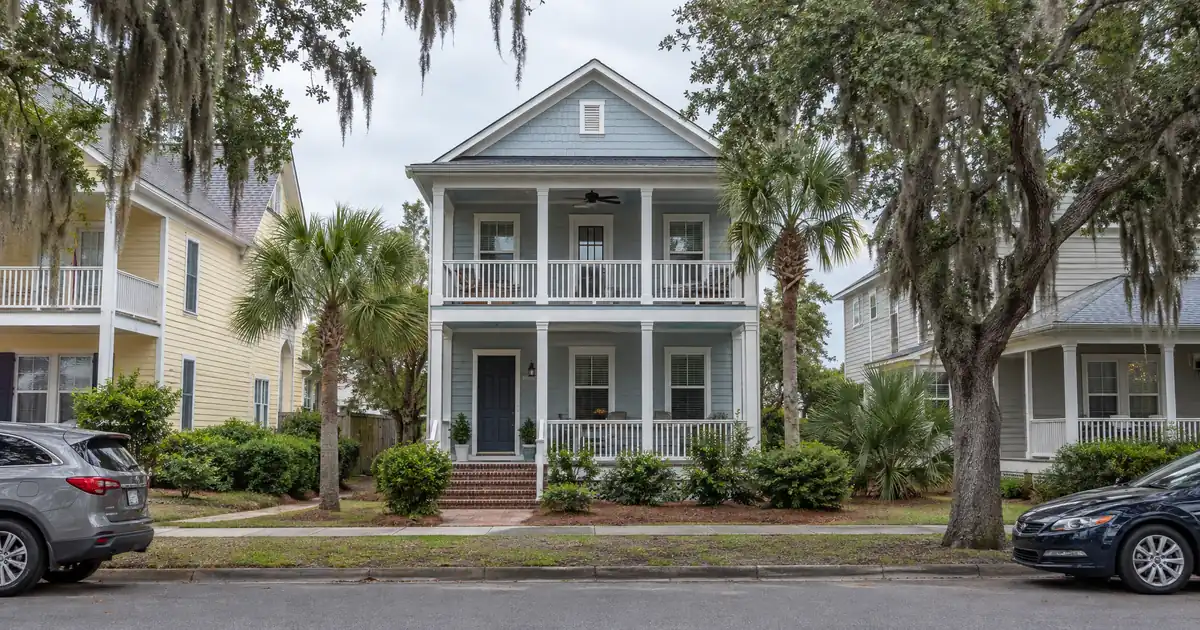
Only 18% of North Myrtle Beach households rent, per RentCafe, so a DSCR cash-out here draws on a thin long-term tenant pool. Zillow puts the average home value at $397,671, down 0.7% year over year. That combination sets the terms for equity extraction in this city. Appreciation is not doing the work, so the loan depends on the basis the investor already holds, the appraisal, and whether long-term rent can carry the new balance.
Lendmire (NMLS# 2371349), a DSCR-focused mortgage broker arranging DSCR investor loans across 40 states plus Washington, D.C., researched this market for owners who already hold a North Myrtle Beach rental and want to pull capital out for the next purchase. The conclusion is that cash-out works best on lower-basis, lower-priced units. Coverage on average-priced homes is tight.
DSCR Cash-Out Calculator
Run the cash-out numbers in North Myrtle Beach, SC
Rate source: Freddie Mac 30-yr average via FRED® — Federal Reserve Bank of St. Louis · effective Sep 24, 2026
Prefilled with starting assumptions — enter your property’s value, balance, taxes, and insurance for a more accurate picture.
Program parameters update from Lendmire’s centralized guideline source. Taxes and insurance are editable estimates.
As of Sep 24, 2026 · General Freddie Mac market benchmark, not a Lendmire loan offer. Property value, balance, taxes, and insurance are editable estimates. Maximum loan-to-value varies by lender, program, property type, and seasoning. Not a Loan Estimate, approval, or commitment to lend. Program availability and eligibility are subject to lender guidelines, credit approval, property review, and underwriting.
At a Glance: A DSCR cash-out refinance in North Myrtle Beach, South Carolina is underwritten primarily on the property’s rental income measured against its full monthly obligation, with proceeds capped by a 75% loan-to-value ceiling and the appraised value, subject to lender guidelines.
- Average home value sits near $397,671 with a slightly negative one-year trend, per Zillow.
- Median rent is $2,039, with houses ranging from $950 to $3,500, per Zillow Rental Manager.
- Horry County condo medians fell 12.2% in the first quarter, which shrinks cash-out proceeds on condos.
- Cash-out LTV tops out at 75%, with about 6 months of seasoning from title recording.
Why Equity Extraction Plays Differently Here
Cash-out in North Myrtle Beach is a basis story, not an appreciation story. The Zillow trend is flat to slightly negative. An owner who bought before recent softening may hold real equity, but a recent buyer at peak pricing may find the 75% ceiling leaves little to extract.
The mechanics are straightforward. Lenders in the network typically look for about 6 months of ownership measured from title recording, then order an appraisal. They apply a hard ceiling of 75% of that value and size the loan against the property’s rent used for lender review versus its full monthly obligation, which covers principal, interest, taxes, insurance and any HOA dues. Most standard programs are built around a 1.00x benchmark because rent covers the payment at that level. Some lenders review lower ratios with compensating factors such as less leverage or stronger reserves, and eligibility ultimately depends on lender guidelines, credit profile and property review. The guide “What Is a DSCR Loan” is worth reading if the ratio concept is new.
Slow markets also make the appraisal matter more. Redfin’s data for Myrtle Beach city, a different market from North Myrtle Beach, shows homes selling after 121 days versus 102 a year earlier, at a median of $258K, down 5.4%. That is the neighboring city, but it shows how the Grand Strand behaves when buyers get choosy. Appraisers lean on recent closed comps, so a cash-out should be modeled on today’s comps. The purchase price and last year’s values are the wrong inputs.
Run the Numbers: 75% LTV Against a $2,039 Rent
Exact terms depend on the lender’s guidelines, property type, leverage, and a full review of the borrower’s file.
At the ceiling leverage, an average-priced North Myrtle Beach house does not clear 1.00 on market rent alone. Modeled on the Zillow average value and the Zillow median rent, coverage lands around 0.9. Dropping to about 65% LTV brings it to roughly 1.0. Both figures are conservative, include taxes and insurance, and treat the inputs as modeled assumptions rather than a quote. Every figure here varies by lender and program — guidelines, property type, leverage, and credit profile all apply.
Here is the setup. Say an investor owns a single-family rental appraising near the $397,671 average, with a modeled rent equal to the $2,039 median from Zillow Rental Manager. The gross rent-to-value ratio is about 0.51% per month, or roughly 6.2% gross annually. That ratio leaves little room once taxes, insurance and management come out. It also assumes a median unit, and the published rent range for houses spans $950 to $3,500, so the actual rent on any given home can land far from the median.
That is the honest read of the market: the cash-out is a thin-margin exercise, and the investor controls the variable that matters most, which is how much to take.
When coverage falls below 1.00, several structures may be worth a lender’s review: a sub-1.00 program, an interest-only structure, or a lower cash-out amount that trims the new balance. None of these is an entitlement, and qualification stays subject to lender guidelines, credit approval and property review. The decision usually comes down to whether the investor prefers maximum proceeds or a cleaner ratio. Pulling less often gets more files through, and the difference between 65% and 75% LTV is about the difference between a pass and a borderline case on this kind of house.
Other file requirements follow the standard pattern. Credit scores typically start near 620 with pricing tiers stepping up at higher scores, reserves are generally around 6 months of the full monthly obligation, and standard programs go up to $3,000,000. LLC-titled properties are typically workable, subject to lender program eligibility. Run your own numbers on the cash-out qualification details before ordering an appraisal.
Condos: The Cheap Entry With an Appraisal Problem
Condos are the lowest-basis way to reach 1.00 coverage in North Myrtle Beach, but current comps are working against the cash-out. Per SC Association of Realtors data as reported by MyrtleBeachSC (a secondary source), Horry County condo listings rose 10.5% in the first quarter while the median condo price fell 12.2%, from $222,000 to $195,000. Condos took about 143 days to sell.
Both points matter for extraction. Falling comps reduce the appraised value the 75% ceiling applies to, and long marketing times signal that appraisers will lean conservative. An owner who bought a condo in the $220,000s is likely looking at a smaller cash-out than the original basis suggested.
The other side is coverage. Take a modeled unit valued near the county median. Assume a rent near the lower HUD HOME ceiling for Horry County, which a Carolina Crafted Homes blog citing HUD lists at $1,248 for a two-bedroom and $1,433 for a three-bedroom. These are program ceilings for income-restricted units, not market rents, and the blog’s numbers should be confirmed against HUD’s own tables. At 75% LTV on that modeled unit, coverage lands modestly above 1.0 once taxes and insurance are included, but before HOA dues are counted. Dues are part of the monthly obligation, so they can erase that cushion. Collect the HOA budget and any special assessment history before running the numbers. Final terms depend on lender guidelines, property type, leverage, and the borrower’s complete credit picture.
Some condos, including condotel-structured buildings, are not warrantable and don’t fit conventional guidelines. That is a legitimate DSCR use case, but the lender will still review the project. Budget extra time with the file on that review. No timeline is implied.
Small Multi-Unit and Workforce Stock
Oceanfront multi-unit stock is priced for vacation income, and a long-term rent rarely carries those prices. Homes.com shows six multi-family listings in Cherry Grove ranging from $450,000 to $2,900,000, averaging 77 days on market. Many are marketed on vacation-rental potential. These are listing descriptions, not verified rents, and no reliable local rent data turned up for duplexes, triplexes or fourplexes.
The realistic long-term multi-unit targets are older, smaller, non-oceanfront duplexes and fourplexes. Smaller fully occupied fourplexes and triplexes do appear in listing results, but in-place leases and actual rents have to be verified before anyone assumes income stacking. A fourplex with one vacant unit and a month-to-month tenant in another is a different loan than the listing suggests.
Workforce single-family homes and townhomes are the best fit for a long-term DSCR refinance, and they most likely sit inland. The brief found no sourced rent or price data for inland pockets such as the Hillside Drive and Sea Mountain Highway corridor or the 29582 and 29583 zip codes, so treat them as candidates and not as findings. The investor math there is the same: rent against full monthly obligation at a conservative LTV.
Consider a scenario in which an investor holds a modest inland townhome with a long-standing tenant. The cash-out at 75% LTV may yield proceeds that cover a down payment on the next property, though coverage has to be checked against the lower rent a workforce unit typically commands. The lower the basis, the better the ratio. That is the pattern across every property type in this market.
Who Actually Rents Here
The long-term tenant pool is real but narrow. According to Data USA, the top resident industries are retail trade (951 people), health care and social assistance (947) and construction (725). Census Reporter shows a population near 19,855, and the metro sits at 413,391 per Census Reporter’s metro profile. Growth since the 2020 census has been over 15%, per Wikipedia’s city entry. The 18% renter share from RentCafe means most of that growth went into owner-occupied or second-home stock, so the renter base stays small relative to the housing stock.
Employment anchors sit in Horry County more than in the city itself. The Myrtle Beach Regional Economic Development Corp. lists Horry County School District at 6,400, Coastal Carolina University at 2,700, Horry County Government at 2,650, Conway Medical Center at 1,800 and McLeod Seacoast in Little River at 1,700. Grand Strand Regional Medical Center follows at 1,300, then the City of Myrtle Beach at 1,050. McLeod Seacoast is the closest to North Myrtle Beach, and MBREDC describes it as a 50-bed hospital serving northern Horry County. Nurses and hospital support staff are a plausible workforce tenant pool, though no source quantifies how many live in the city.
Education adds a little to the regional picture. Coastal Carolina University reports fall enrollment of 12,006, up 5.8%, and Horry-Georgetown Technical College reports opening enrollment of 9,148. Both are in or near Conway, so they support regional rental demand more than North Myrtle Beach specifically.
Rent sources disagree. RentCafe reports average rent down 4.07% to $1,720, based on buildings with 50 or more units, while Zillow’s median rent is $2,039. Present it as a range of roughly $1,720 to $2,039. The safest read is flat to slightly soft.
The Supply Question (Skip This and Get Burned)
New apartment deliveries are the main threat to rent assumptions, and the evidence is mixed. Colliers’ multifamily report says the North Myrtle Beach submarket absorbed 113 units in the first quarter. It also says outlying Horry County occupancy recovered from 65.30% to 68.90% after heavy deliveries outpaced demand.
A Tactica RES analysis of ApartmentList data places the Myrtle Beach metro at 9.2% apartment vacancy, among the highest of the metros it tracked. That is a metro-level apartment figure and a secondary source. The practical takeaway is to model a vacancy factor above the standard 5%, and to expect that a lender may haircut market rent. Older small units compete with new complexes that offer concessions, so underwrite the rent you could sign tomorrow. The rent on last year’s lease is the wrong input.
Submarkets from the Four Villages
The city was formed in 1968 by merging four beach communities: Cherry Grove, Ocean Drive, Crescent Beach and Windy Hill, per Wikipedia. Residents still use the old names as neighborhood identities, and the brief found no sourced neighborhood-level prices or rents for any of them, so the profiles below are qualitative.
Cherry Grove is the priciest tier, with oceanfront and canal homes. Stock skews toward vacation and second-home use, which is why the multi-unit listings above run so high. It is a tough place for long-term coverage. The cash-out works here only for owners with a very low basis.
Ocean Drive is the center of the city’s shag-dance culture, with spring and fall festivals. No sourced pricing exists, and festival demand is a visitor dynamic more than a long-term lease driver.
Crescent Beach and Windy Hill are beachside neighborhoods with no sourced pricing. Treat them as coastal-priced until the appraisal says otherwise.
Inland and western areas are where workforce rentals most likely sit, based on inference and not on published data. They are the strongest candidates for a long-term DSCR refinance because basis tends to run lower.
The feeder markets matter too. A broker blog puts single-family prices in Carolina Forest and Conway between $300,000 and $450,000. These are growth corridors where an investor might redeploy cash-out proceeds, a point that only needs a comp check before it becomes an acquisition plan.
What Lendmire Sees on Files Like This
On files from coastal markets with soft comps and a small tenant pool, the common friction point is a gap between the owner’s expected value and the appraisal, followed by a gap between market rent and what the lender will use. The cleaner files tend to arrive with a current lease or a rent schedule, an HOA budget for condos, a fresh insurance quote, and a realistic view of how much cash the investor needs, since taking less often clears the ratio. Investors who order the numbers before the appraisal usually avoid the most painful surprises.
DSCR vs. conventional financing
There are two common ways to finance an investment property in North Myrtle Beach, SC, and they qualify you differently — here’s how investors weigh them.
Why investors choose it
- Qualifies on the property’s rental income — no personal tax returns, W-2s, or pay stubs needed to document income.
- No personal debt-to-income ceiling to clear, so existing mortgages and obligations don’t cap your borrowing the same way.
- Can be closed in an LLC, keeping the property inside a business entity.
- Built for scaling — not held to the limit on number of financed properties that conventional financing applies.
- Underwriting centers on the deal: generally qualifies when the rent covers the payment, a 1.00x coverage ratio being a common baseline (confirmed in underwriting).
- Designed specifically for investment property, including long-term and, where the program allows, short-term rentals.
Where it’s strong
- Often the lowest ongoing financing cost for a buyer who fully qualifies on personal income — a fit for a first property or a cost-first purchase.
Trade-offs for investors
- Requires full personal income documentation and must fit within a debt-to-income limit — salary, existing debts, and other mortgages all count.
- Typically held in your personal name rather than a business entity.
- Caps how many financed properties you can carry, which can become a ceiling as a portfolio grows.
- Evaluates you as a borrower as much as the property, which usually means more paperwork.
How investors usually choose: a first or single property often optimizes for the lowest financing cost; portfolio builders often optimize for leverage, vesting in an LLC, and scaling past conventional caps. The right answer depends on your goals, the property, and current guidelines — both paths run through select lenders in Lendmire’s wholesale network, with eligibility and terms confirmed in underwriting.
Six to Twenty-Four Months Out: What to Track
Four indicators will decide whether extraction gets easier or harder in North Myrtle Beach. Watch them in this order.
Condo comps. If the county condo median keeps sliding from the $195,000 mark, cash-out on condos shrinks further. A stabilization in days on market would be the first sign of relief. The 143 days quoted above is the baseline.
Absorption versus deliveries. The 113 units absorbed in the North Myrtle Beach submarket is a positive, but the outlying Horry occupancy rebound from 65.30% to 68.90% is still low. If deliveries slow and absorption holds, small-unit rents stabilize and coverage firms up.
The Zillow trend. A move from -0.7% to flat would change the math for owners who bought in the last year and are waiting out the 6-month seasoning window. A deeper decline would argue for a lower LTV target on any refinance.
Rent disagreement. The spread between roughly $1,720 and $2,039 is wide. If sources converge, the rent a lender uses becomes more predictable.
The scenario that would break the current pattern is a sustained price decline combined with a growing renter base. Then coverage would improve because rents rise, while proceeds fall because values drop, and the investor would be trading one for the other. Planning for both outcomes is easier than guessing which one arrives. When you are ready to test a specific property, see how the DSCR math pencils or call Lendmire at 828-256-2183. The investor refinance breakdown covers the wider refinance options, and the comparison shows where a DSCR loan differs from conventional financing. For the state-level picture, see Lendmire’s South Carolina DSCR loan programs. Investors should also verify current local rental rules, taxes and insurance with qualified local professionals.
Frequently Asked Questions
How do you qualify for a DSCR cash-out refinance in North Myrtle Beach?
The property’s rental income is measured against its full monthly obligation, with 1.00 as the common baseline. Borrowers typically need about 6 months of ownership from title recording, a credit score starting near 620, and reserves around 6 months. The loan cannot exceed 75% of the appraised value. Final eligibility depends on lender guidelines, credit profile and property review.
What are the requirements for an investment property cash-out refinance in North Myrtle Beach, South Carolina?
Expect a rental property held long enough to season, a lease or rent schedule, an appraisal, proof of reserves and entity documents if the property sits in an LLC. Standard programs go up to $3,000,000. Lenders review each file individually, and program details can change.
Can a condo in North Myrtle Beach support a DSCR cash-out?
Often yes, but the proceeds are smaller than owners expect. Horry County condo medians fell from $222,000 to $195,000, and condos took about 143 days to sell, so appraisals may come in below prior values. HOA dues also count in the monthly obligation. A lender will review the building as well as the unit.
Why is the 18% renter share important for a North Myrtle Beach refinance?
It signals a small long-term tenant pool, which raises the importance of conservative rent and vacancy assumptions. The property’s rent has to carry the loan on its own, and lenders may haircut market rent when local vacancy runs high. Units near workforce employers tend to hold up better than oceanfront stock.
What documents matter most for a North Myrtle Beach DSCR cash-out review?
A current lease or rent schedule, the insurance quote, an HOA budget for condos and entity documents for LLC-held properties matter most. Lendmire arranges DSCR investor loans as a non-QM mortgage broker, and the rental-income-based review is the program feature that separates these loans from W-2-driven conventional loans.
For current guidelines and terms, see Lendmire’s DSCR loan programs page.
About Lendmire
Lendmire, NMLS# 2371349, is a mortgage brokerage focused on DSCR investor loans. It arranges financing across 41 markets, including Washington, D.C., through wholesale and investor-lending channels. The lender’s review centers on the property’s rental income and not on W-2 documentation, subject to lender guidelines, which suits entity-owned and multi-property investors. Lendmire was recognized by Scotsman Guide as a 2026 Top Workplace and was a top-ranked workplace in 2025.
Get Started
Ready to find the right loan for you?
In about 30 seconds you can review financing options available for your investment property. No commitment required.
Informational only. Not a Loan Estimate, approval, or commitment to lend. Program availability and eligibility are subject to lender guidelines, credit approval, property review, and underwriting.
References
1. RentCafe, North Myrtle Beach
2. Zillow Home Values, North Myrtle Beach
4. Redfin’s data for Myrtle Beach city
5. myrtlebeachsc.com — Horry Countys Real Estate Market
6. Carolina Crafted Homes blog citing HUD
7. Homes.com
8. Data USA, North Myrtle Beach
10. Myrtle Beach Regional Economic Development Corp.
11. Coastal Carolina University
12. Horry-Georgetown Technical College
13. Colliers Myrtle Beach Multifamily Report
15. recognized by Scotsman Guide as a 2026 Top Workplace
16. Scotsman Guide — Top Workplaces 2025
This article is part of Lendmire’s investment property cash-out refinance program — full qualification details, guidelines, and scenarios live on the program page.
Related reading: Cash Out Refinance Investment Property in North Myrtle Beach · Investment Property Loans in North Myrtle Beach, SC: Condos Outearn Channel Homes · Buying an Investment Condo in Myrtle Beach With a HELOC
Guides: Investment Property Cash-Out Refinance in North Myrtle Beach, SC · Investment Property Cash-Out Refinance in South Carolina
Brandon Miller
Founder & CEO, Mortgage Loan Originator, Lendmire LLC
- Mortgage Loan Originator · NMLS# 1129696 · Verify on NMLS Consumer Access
- North Carolina Real Estate Broker · License# 343312 · Verify on NCREC
- North Carolina Insurance Producer · License# 19053198 · Property, Casualty, Life, Health · Verify on NAIC SBS
- Lendmire LLC · Firm NMLS# 2371349 · Verify firm licensure
Disclosure information. Lendmire is a state-licensed mortgage brokerage under NMLS# 2371349. Lendmire is not a depository institution, direct lender, or financial advisor — all loans referenced are placed through wholesale lender partners and are subject to each lender's underwriting standards. This article is provided for general informational purposes and is not a commitment to lend, nor does it constitute financial, legal, or tax advice. Loan programs, terms, rates, and qualification standards change without notice and depend on borrower profile, property type, and the state in which the subject property is located. Equal Housing Opportunity provider. NMLS Consumer Access: nmlsconsumeraccess.org.