How Do I Do A Cash Out Refinance?
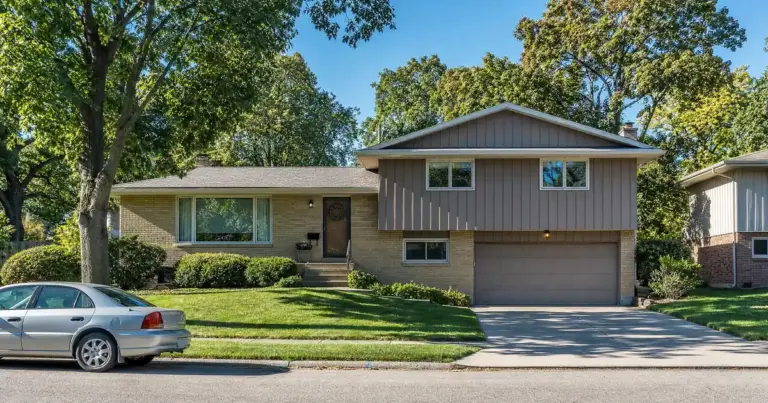
On a rental, underwriting checks the property’s rental income, not your paycheck.

On a rental, underwriting checks the property’s rental income, not your paycheck.
The appeal is real: private lending yields have long drawn investors who want income tied to real estate without the headaches of owning it.
They just swap the paperwork — verifying repayment with bank statements, asset accounts, or the property’s own rental income instead of a 1040.
– A second-lien HELOC on a rental is sized off combined loan-to-value (CLTV) and still qualifies the borrower on personal debt-to-income, not the lease.
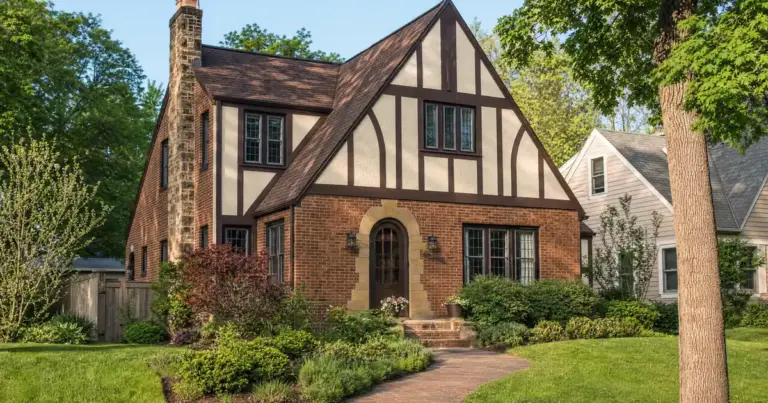
The lender is underwriting the deal and the collateral, not the borrower’s paycheck. That’s the short version.

That’s the short version. The rest of this comes down to mechanics, who this actually works for, and where the risk sits.
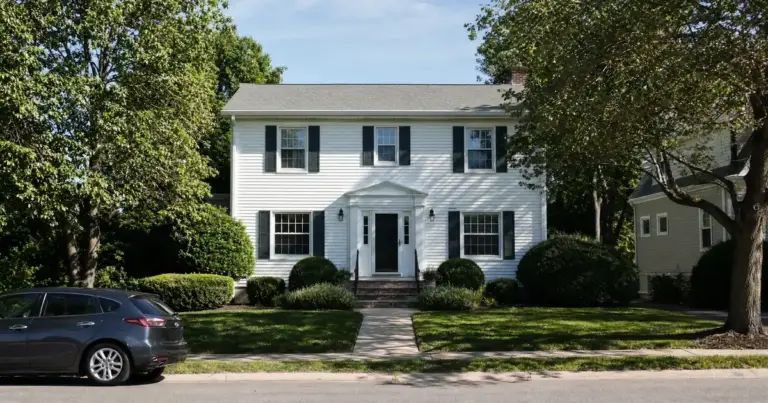
Terms typically run 6-18 months, payments are interest-only, and the loan comes due in one balloon payment when you sell or refinance.
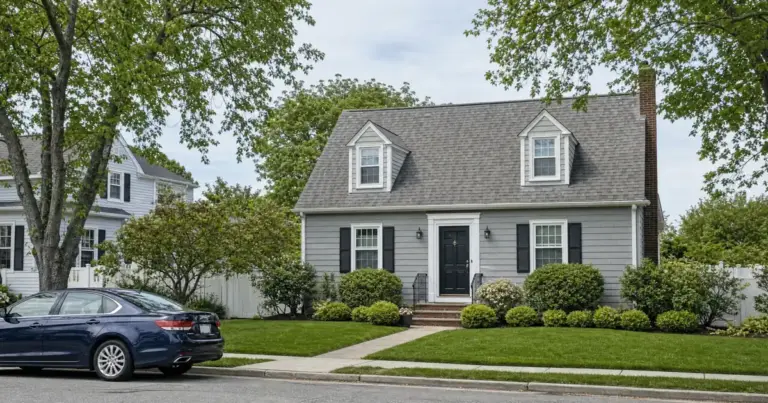
Big banks routinely decline lines on non-owner-occupied property regardless of how strong the file looks, which is the real gap these programs fill.
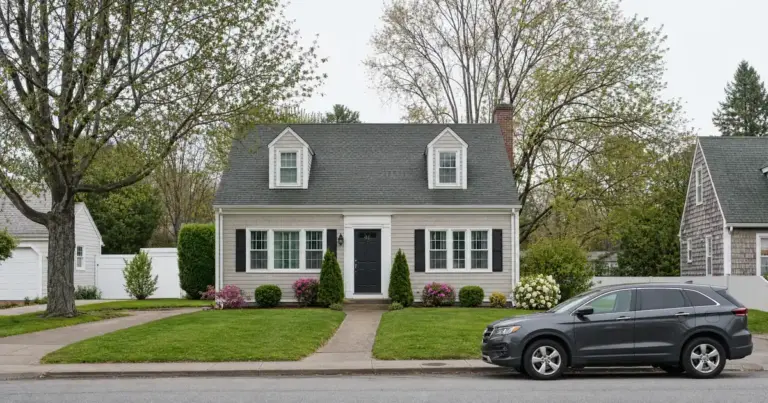
How To Qualify For A Hard Money Loan — Qualification runs on the deal, not the borrower’s paycheck.
I Do A Cash Out Refinance And Then Rent My House Out — Yes, this happens all the time, and it isn’t fraud by default.

The right answer depends less on which bank you call and more on which underwriting lane actually fits your file.

Lendmire (NMLS 2371349) arranges DSCR investor loans across 39 states plus Washington, D.C.
They differ on leverage, title requirements, and who can even use them, and picking the wrong one wastes a credit pull.
Most lenders across Lendmire’s wholesale network want roughly six months of ownership on title before they’ll refinance based on current value.
The property, the title, and the state all carry their own rules that determine whether a line is even an option.