
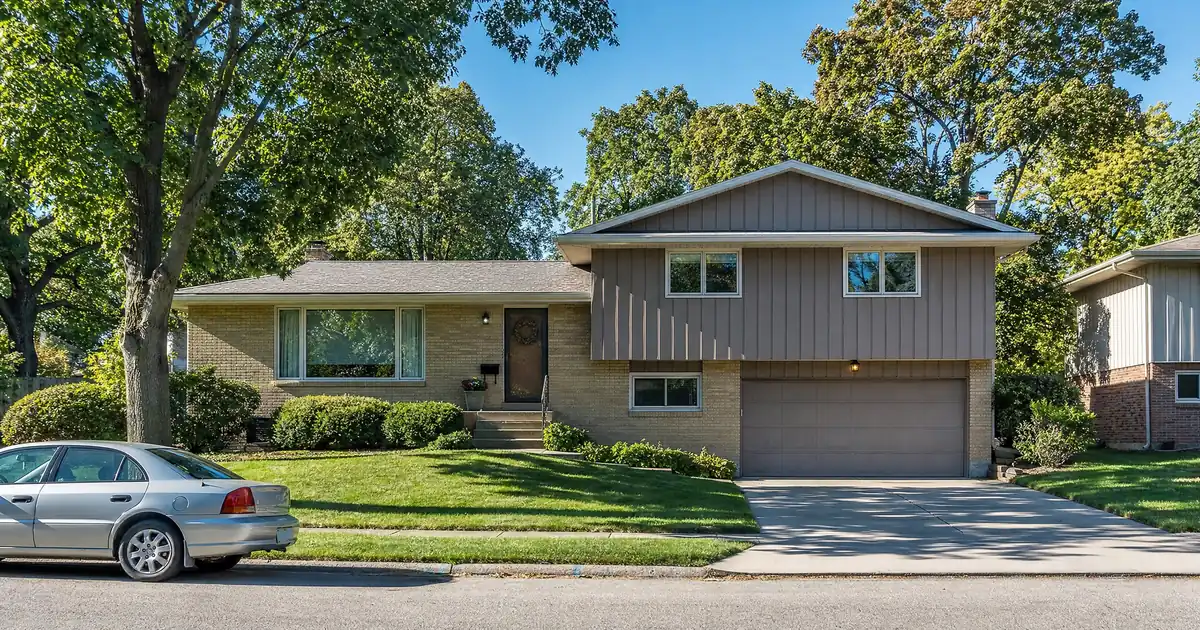
The Quick Read: A cash-out refinance pays off your current loan with a new, larger one and sends you the difference in cash at closing. On a rental, underwriting checks the property’s rental income, not your paycheck. Most investor cash-out programs cap leverage near 75% of appraised value and expect about six months of ownership first. The real decision comes down to coverage math, seasoning, and any prepayment penalty on the loan being replaced. Final terms depend on lender guidelines, property type, leverage, and the borrower’s complete credit picture.
Cash-out refinance estimate
The starting figures are an example value with a balance and a cash request in proportion. Replace them with yours.
Editable benchmark: 7.40% as of October 15, 2026 · Freddie Mac 30-year average via FRED®. A conventional market reference, not a cash-out refinance quote.
Illustrative starting assumptions: a $350,000 home value, a $193,000 current balance, the agency cap on a one-unit principal residence, a thirty-year term at the current Freddie Mac benchmark, and property taxes and insurance estimated at typical national rates. Every field is editable.
Illustrative estimate only — not a Loan Estimate, approval, quote, or commitment to lend. The rate field carries the weekly Freddie Mac thirty-year conventional benchmark, a market reference and not a cash-out refinance quote; a cash-out loan is priced by the lender at lock. The cash available is the loan the program cap allows less the balances paid off, before closing costs, which are not included. The HELOC line is the program’s combined loan-to-value ceiling applied to the same value and balance. Taxes and insurance are editable estimates. Licensed in sixteen states for consumer mortgages.
That’s the mechanic in one breath. The rest of this comes down to how the math actually works, what a lender checks before saying yes, and the edge cases that trip investors up — sub-1.00 coverage (where available through select lenders, with LTV and terms adjusting and everything subject to underwriting), seasoning clocks, prepayment penalties, and how the whole thing gets taxed.
Key Terms Defined
DSCR (debt-service coverage ratio) compares a property’s monthly rent to its total monthly payment. A ratio at or above 1.00 means the rent covers the payment; below 1.00, it doesn’t — on paper, anyway.
PITIA stands for principal, interest, taxes, insurance, and association dues. It’s the full monthly obligation the coverage ratio measures rent against.
LTV (loan-to-value) is the new loan amount expressed as a percentage of the property’s appraised value. Cash-out refinances allow less LTV than a purchase does — the lender is handing back equity, not just financing a sale.
Seasoning is the minimum time a lender wants you to have held title on a property before it will consider a cash-out refinance on it.
Business-purpose loan describes financing made for investment or business reasons rather than to buy a home to live in. DSCR loans fall in this bucket, and it changes how the loan gets reviewed.
Prepayment penalty is a fee some loans charge if you pay off or refinance the loan within a set window after closing. It’s a separate cost from seasoning, and it’s easy to forget about.
How the Cash-Out Math Actually Works
Three things decide how much you can pull: appraised value, the lender’s LTV ceiling, and whether the rent can support the loan size that ceiling would allow.
Say a rental appraises at $400,000. At a 75% cash-out ceiling — the common cap across most of Lendmire’s wholesale network — the new loan is sized as a percentage of that appraised value, not a dollar figure anyone can quote in advance. The exact number depends on the appraisal, the existing payoff amount, and the reserve requirement the lender applies to that specific file. What actually decides approval isn’t the appraised value alone. It’s whether the rent on that property clears the coverage ratio the lender needs at the loan size it’s willing to offer. These specifics are subject to lender guidelines and a full review of property, leverage, and credit.
Most cash-out files in the network land at or under that 75% LTV ceiling, expect roughly six months of seasoning from the recorded title date, and look for a coverage ratio at or above 1.00 — a floor that applies on select programs rather than a universal rule, and one that shifts depending on credit tier, loan size, and property type. A borrower with a 700+ score and a coverage ratio comfortably above 1.00 typically sees the strongest leverage. A borrower at the 620 floor, or a property that barely clears 1.00, usually sees the leverage pull back to compensate.
For the general mechanics of how the payoff-and-disbursement process works on any property type, Lendmire’s explainer on how a cash-out refinance works walks through the plumbing in more detail.
The Step-by-Step Process
1. Confirm ownership and seasoning. Check when title recorded. Most DSCR cash-out programs want roughly six months of ownership before they’ll consider the file.
2. Estimate equity conceptually. Appraised value minus current payoff, checked against that 75% ceiling most programs use.
3. Pull the rent number. A signed lease or a credible market-rent estimate — this is what underwriting tests against PITIA.
4. Run the coverage math. Rent divided by PITIA. Many programs set the floor at 1.00 on select products, with stronger ratios opening better leverage.
5. Check the credit tier. A 660 score clears most programs; some in the network go down to a 620 floor at reduced leverage; 700+ unlocks the higher-leverage tiers.
6. Order the appraisal. For a one-unit rental, the appraiser typically pairs the value appraisal with a comparable-rent schedule; small multifamily uses an operating-income form instead. Fannie Mae’s Selling Guide describes the same two forms used across the industry as the reference standard for documenting a rental’s income potential.
7. Clear underwriting. Reserves — commonly around six months of PITIA, stepping up near nine months on loans above roughly $1.5 million — plus title and property eligibility all get confirmed before the file clears.
8. Sign and receive funds. The new loan pays off the old one, closing costs come out of the proceeds, and whatever’s left disburses to you.
Should You Do It Right Now? A Quick Self-Check
Do this if:
- Rent on the property clears, or comes close to, 1.00x coverage at the new loan size
- You’ve owned it long enough to clear the lender’s seasoning window
- No prepayment penalty stands in the way — or the penalty is smaller than the value of the equity coming out
- The cash has a clear next use: another down payment, a renovation, or paying down higher-cost debt
Reconsider if:
- Coverage sits meaningfully under 1.00 and the tradeoff on a below-1.00 program — where available through select lenders, with reduced LTV and adjusted terms, subject to underwriting — doesn’t fit your goals
- You’re still inside a prepayment penalty window and the penalty outweighs the benefit
- Seasoning hasn’t cleared and a bridge loan makes more sense in the meantime
- You don’t have a plan for the cash beyond “it’s sitting there”
For a deeper look at when pulling equity actually pays off versus when it doesn’t, see Lendmire’s piece on whether a cash-out refinance makes sense for your situation.
Cash-Out Refinance vs. HELOC vs. Home Equity Loan vs. Personal Loan
A cash-out refinance isn’t the only way to pull equity out of a rental — it’s just the one that replaces the whole first mortgage instead of stacking a second loan on top of it.
| Factor | Cash-Out Refi | HELOC | Home Equity Loan | Personal Loan |
|---|---|---|---|---|
| Position | Replaces first mortgage | Second lien, revolving | Second lien, lump sum | Unsecured |
| Payment shape | One new fixed loan | Draw, then repay | Fixed installment | Fixed installment |
| Investment-property cap | Up to 75% LTV typical | Caps at $500,000 total | Varies by lender | Not property-based |
| Underwriting basis | Rental income (DSCR) | Combined equity + income | Combined equity + income | Personal credit/income |
| Best for | Larger, one-time pulls | Flexible, repeat draws | One-time, fixed need | Small amounts, no collateral |
Worth flagging: on investment property, HELOC lines through Lendmire’s network cap at $500,000 total — there’s no higher tier above that. Investors chasing a bigger draw usually end up in a cash-out refinance instead.
What the Cash Can Do — and What It Costs You
Common uses on the investor side: a down payment on the next rental, a renovation that lifts rent, paying down higher-cost debt, or building reserves across the portfolio.
DSCR loans are designed for non-owner-occupied investment properties. Because they’re business-purpose investor loans, they’re reviewed differently from a standard owner-occupied mortgage — and the proceeds have to serve that same business purpose. That means further investment, property improvements, or costs tied to the rental business, not personal spending. The “investment property” label alone doesn’t automatically decide how a loan gets classified, either — occupancy and unit count matter too, a nuance Compliance Alliance breaks down in more detail than most investors expect to need.
The cost side is real, too. A cash-out refinance resets the amortization clock on the whole loan, not just the new money. It ties up leverage room the property could otherwise offer down the line. And pulling cash on a property with marginal coverage can push the ratio below what the lender will actually approve at that leverage — which is why the math comes before the wish list, not after.
Tax treatment can depend on how the funds are used and how the property is held; investors should keep clear records and speak with a qualified tax professional before relying on any deduction.
Seasoning and Prepayment Penalties — the Two Clocks That Matter
These are separate constraints, and conflating them is a common mistake investors make on a cash-out file.
Seasoning is a lender policy, not a law. For contrast, Fannie Mae’s Selling Guide requires at least six months of title seasoning on a conventional cash-out and generally wants the existing first mortgage to be at least 12 months old — but that’s an agency-loan rule. It doesn’t bind DSCR or investor loans at all. Across Lendmire’s wholesale network, most cash-out files want roughly six months of ownership from the recorded title date, though the exact window still depends on the lender and the file.
Prepayment penalties are a different animal entirely. Even once seasoning clears, the loan you’re replacing may carry its own penalty for paying it off early — and that cost comes out of your proceeds one way or another. Check the current loan’s terms before assuming a refinance right now is free.
This matters most for investors running the buy-renovate-refinance playbook. An investor who bridges into a property with a short-term or hard money loan, planning to exit into a DSCR cash-out refinance once the renovation is done, needs to time that exit around the eventual seasoning window — not around how fast the renovation wraps up. Lendmire’s piece on whether a hard money lender will cash-out refinance walks through that transition in more depth.
What If the Rent Doesn’t Quite Cover the Payment?
Coverage under 1.00 isn’t an automatic no — it’s a different program, with different terms. Sub-1.00 files are available only through select lenders in the network, and when they are available, LTV and terms adjust to compensate — typically lower leverage and tighter conditions — with everything subject to full underwriting and lender guidelines. A property that doesn’t clear 1.00 simply won’t be offered the same terms as one that clears 1.30. No-ratio qualification — skipping the coverage test altogether, so the file rests on credit and equity rather than rent coverage — is also available through select lenders in the network only, again with LTV and terms adjusting accordingly and subject to underwriting, and generally for borrowers who already own a primary residence.
Short-term rentals add another layer. Cash-out leverage on an STR typically runs closer to 70% rather than the 75% ceiling on a long-term rental, and lenders generally want around 12 months of hosting history plus a stronger credit profile before they’ll consider the file at all. Appraisers can’t just multiply a nightly rate by 30 days to estimate monthly rent for underwriting purposes — per McKissock Learning, the standard comparable-rent form isn’t built for STR income, so the appraisal leans on comparable long-term lease rates instead. Short-term rental rules can also vary by city, county, HOA, and property type, so it’s worth confirming local rules before relying on projected nightly income for anything.
Every scenario like this qualifies primarily on property-level rental income covering the payment, subject to lender guidelines — not a guarantee, but not a dead end either. Lendmire’s guide to who qualifies for a DSCR cash-out refinance on a rental covers the fuller rundown on who actually clears these files. And for the complete underwriting picture across purchase, refinance, and cash-out programs, Lendmire’s complete DSCR loans guide covers the qualification model end to end.
Frequently Asked Questions
How do you qualify for a DSCR cash-out refinance?
Qualification runs on the property, not your paycheck: a documented rent figure (signed lease or credible market-rent estimate) measured against PITIA, an appraisal that supports the requested leverage, enough seasoning on title, reserves, and a credit profile that fits the program tier. Coverage at or above 1.00 is the floor on select programs; sub-1.00 files exist only with select lenders, with LTV and terms adjusting to compensate and everything subject to underwriting.
What are the requirements for pulling cash out of a rental property?
In broad strokes: ownership seasoning of roughly six months from the recorded title date on most network programs, leverage at or under the 75% cash-out ceiling, rental income documentation, reserves — commonly around six months of PITIA, stepping up near nine months on loans above roughly $1.5 million — an eligible property type, and clear title. Exact requirements vary by lender, program, and the full credit picture.
Do I have to refinance with my current lender?
No. A cash-out refinance pays off whatever loan you have now, regardless of who holds it, and originates a fresh loan. The payoff amount gets pulled from your current servicer at closing, and there’s no requirement — or advantage — to sticking with the same institution.
What happens if my current loan has a prepayment penalty?
The penalty typically comes out of the payoff, reducing the cash you actually walk away with. It doesn’t block the refinance, but it changes the math — pull the current note’s terms before assuming the numbers work the way you expect.
Is the cash I receive taxable income?
No. It’s loan proceeds, not income, and it isn’t reported as taxable. The interest deductibility on the new loan is a separate question from the taxability of the cash itself, and it depends on how the funds get used — one more reason to keep clean records.
Can I do this on a property titled in an LLC?
Generally yes, subject to lender program eligibility. Vesting and disclosure handling can vary by originator, so it’s worth confirming upfront how the entity will be reflected on the loan documents before signing anything.
Are any property types excluded from these programs?
Yes. Manufactured housing (single- and double-wide), log homes, and barndominiums are not offered through DSCR cash-out programs in Lendmire’s network. If a property falls into one of those categories, a different financing path is needed regardless of how strong the rental income looks.
If you’re sitting on equity in a rental and want to see how the numbers actually pencil, Lendmire can help you compare cash-out refinance options based on the property’s rental income, your credit profile, and how much leverage the file can support. Reach the team at 828-256-2183 or request a quote to start the conversation.
For how equity extraction works on an investment property, see cash-out refinance on an investment property.
About Lendmire
Lendmire is a non-QM DSCR mortgage broker (NMLS# 2371349) serving 41 markets. We work through a wholesale lender network on business-purpose investment-property financing, including purchase, rate-and-term, and cash-out programs. Most scenarios described here qualify primarily on property-level rental income covering the payment, and all program parameters — leverage, coverage floors, seasoning, and reserves — are subject to lender guidelines, property type, and a full review of the borrower’s credit picture. Nothing here is an offer, commitment, or guarantee of terms. Scotsman Guide named Lendmire a Top Mortgage Workplace in both 2025 and 2026.
Get Started
Ready to find the right loan for you?
In about 30 seconds you can review financing options available for your investment property. No commitment required.
Informational only. Not a Loan Estimate, approval, or commitment to lend. Program availability and eligibility are subject to lender guidelines, credit approval, property review, and underwriting.
References
1. Fannie Mae Selling Guide — B3-3.8-01 Rental Income
2. Compliance Alliance — Regulation Z and Investment Properties
3. Fannie Mae Selling Guide — B2-1.3-03 Cash-Out Refinance Transactions
4. McKissock Learning — Form 1007 and Short-Term Rental Appraisals
This article is part of Lendmire’s cash-out refinance program — full qualification details, guidelines, and scenarios live on the program page.
Related reading: How Does Cash Out Refinance Work · Can You Cash Out Refinance Investment Property? · Cash Out Refinance?
Brandon Miller
Founder & CEO, Mortgage Loan Originator, Lendmire LLC
- Mortgage Loan Originator · NMLS# 1129696 · Verify on NMLS Consumer Access
- North Carolina Real Estate Broker · License# 343312 · Verify on NCREC
- North Carolina Insurance Producer · License# 19053198 · Property, Casualty, Life, Health · Verify on NAIC SBS
- Lendmire LLC · Firm NMLS# 2371349 · Verify firm licensure
Required disclosures. Lendmire (NMLS# 2371349) operates as a licensed mortgage broker, not a direct lender or depository. The discussion in this article is general in nature and should not be relied upon as financial, legal, or tax advice — every investment scenario is unique and should be reviewed by a qualified professional. Any loan inquiry is subject to lender underwriting, and this article is not a commitment to lend or a guarantee of approval. Mortgage rates, loan terms, and program guidelines vary by borrower, property, and state, and may change without notice. Equal Housing Opportunity. Verify licensure at NMLS Consumer Access.