
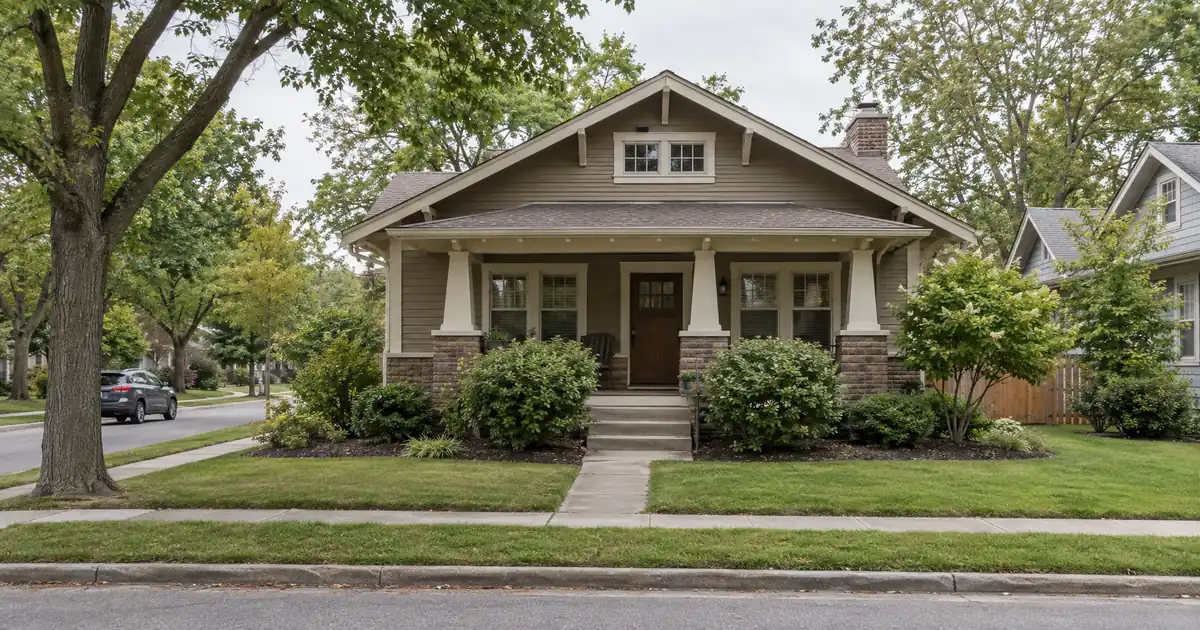
Maximize Your Mortgage Potential — The Quick Read: Back-to-school season does not change lender pricing or loosen underwriting. What it changes is the rental calendar. Late summer is the last busy leasing window of the year, and the leases signed then become the rent evidence your DSCR file relies on. Buy a rental with that calendar in mind, and the file has stronger proof of what the property earns.
Key Takeaways
- No lender program gives a “back-to-school discount.” The seasonal effect is on tenant demand, not on loan terms.
- DSCR (debt service coverage ratio) compares rent to the full monthly housing payment. A lease helps only up to the appraiser’s market rent.
- A vacant unit leans entirely on the appraiser’s market-rent opinion, so lease-up timing matters.
- A bigger down payment can lift coverage. It never erases credit floors, reserve rules, or leverage caps.
- Clearing 1.00x is not the same as positive cash flow.
Key Terms Defined
DSCR: monthly rent divided by the full monthly housing payment. A result of 1.00 means rent equals the payment.
DSCR Calculator
Run the numbers in your market
Rate source: Freddie Mac 30-yr average via FRED® — Federal Reserve Bank of St. Louis · effective Sep 24, 2026
Prefilled with local estimates — enter your own rent or nightly figures, taxes, insurance, and HOA for a more accurate picture.
Program parameters update from Lendmire’s centralized guideline source. Taxes and insurance are editable estimates.
As of Sep 24, 2026 · General Freddie Mac market benchmark, not a Lendmire loan offer. Rent, nightly rate, occupancy, taxes, and insurance are editable estimates. Short-term rental figures are estimates only and vary significantly by season, property type, management approach, and local short-term-rental rules — confirm local regulations before relying on them. Qualifying income for short-term rentals varies by program — some use appraisal market rent, others use documented STR history or projections — and is confirmed in underwriting. Not a Loan Estimate, approval, or commitment to lend. Program availability and eligibility are subject to lender guidelines, credit approval, property review, and underwriting.
PITIA: principal, interest, taxes, insurance, and any HOA dues. It is the payment side of the DSCR math.
Market rent: what the appraiser estimates the unit would rent for, based on comparable leases nearby.
Rent schedule (Form 1007 or 1025): the appraisal add-on that documents market rent. Form 1007 covers single-family homes and Form 1025 covers 2–4 unit properties. These are appraisal form names only, and DSCR loans are not agency products.
LTV: loan-to-value, the loan amount as a percentage of the property’s value.
Reserves: liquid savings, usually counted in months of PITIA, that you hold after closing.
Lease-up: the stretch between a unit becoming rent-ready and a tenant signing a lease.
What Does Back-to-School Actually Change?
It changes tenant demand and vacancy risk. Rents rise in spring and summer, when most moves happen, and soften in fall and winter. The Apartment List national rent report showed rents slipping 0.1% month over month as the market entered its off-season. That was the first monthly decline since January. Rents were down 0.4% year over year, and units averaged 34 days to lease, a bit longer than usual for that time of year.
Vacancy figures differ by source. Apartment List put national multifamily vacancy near 7%. Apartments.com reported 7.9% at the end of summer moving season and noted that the best prices generally appear in fall and winter. Different methods, same message: the market is soft and elevated on vacancy, and it tightens only gradually.
Read that from a renter’s side and it is good news. Read it from an owner’s side and it means a unit that misses the late-summer window will probably sit longer. Not ideal.
Now the myth. No source supports the idea that timing an application to the school calendar earns better terms. Lender guidelines don’t check the date. Every file is underwritten individually, and program terms depend on the borrower, the property, and the lender.
How Does Underwriting Read Rent, Step by Step?
Underwriting turns rent evidence into one number, then tests it against the payment. Across the wholesale network Lendmire works with, the sequence is consistent even though details vary by lender.
1. Identify the rent evidence. That means a signed lease, a vacant rent-ready unit, or short-term rental history.
2. Order the appraisal with a rent schedule. The appraiser pulls a handful of comparable rentals leased recently, usually within the past year. The instructions for Form 1007 describe it as the way a lender gets market rent for a single-family investment property from the appraiser.
3. Compare lease to market rent. If a lease exists, underwriting uses the lower of the two. An above-market lease does not raise the number.
4. Compute PITIA and the ratio. Rent goes over the full payment, taxes and insurance included.
5. Review everything else. Credit, reserves, property condition, and overall risk all get a look.
Here is a detail most new investors miss: the appraiser estimates rent, but the lender decides what income to use, as McKissock’s appraisal education explains. The appraiser is an input, not the decision-maker.
One more point on scope. DSCR loans are designed for non-owner-occupied investment properties. Because they are business-purpose investor loans, they are reviewed differently from a standard owner-occupied mortgage. So “new home financing” here means a rental you buy, not a house you plan to live in.
How Does the Season Show Up in Your Appraisal?
It shows up through the comps. The appraiser looks back over recent leases, so leases signed during the late-summer rush become the evidence for appraisals ordered in the months after. Strong leases in your area lift the market-rent opinion. Older, lower leases pull it down.
Size matters here. In a file that would otherwise run in the high 1.2x range, comps reflecting older, lower leases can drag coverage to around 1.1x. That is an illustration of how the pull works, not a benchmark you should expect.
A practitioner observation from many files: investors often obsess over the purchase price and ignore the rent comps. The comps carry half of the DSCR. When a file runs tight, the productive question is rarely “which lender?” It is “what did similar units nearby actually lease for, and when?”.
What Rent Evidence Do You Have? A Quick Decision Table
| Your situation | What underwriting leans on | Watch-out |
|---|---|---|
| Signed lease in place | Lower of lease and market rent | Above-market lease gets capped |
| Vacant, rent-ready | Appraiser’s market rent alone | Nothing to compare against |
| Nine-month student lease | Program guidelines, reviewed per file | No universal rule to rely on |
| Short-term rental | Operating history or STR analysis | Form 1007 wasn’t built for nightly rates |
Where the General Rule Breaks
The above-market lease. Say a tenant signs at a rent well above what nearby comps support. Underwriting still uses the lower figure. Pricing a lease high to impress the file gains you nothing (and can cost you vacancy).
The vacant unit at closing. The appraiser’s market rent is the sole basis for the numerator. Properties generally need to be rent-ready or near rent-ready. If you buy in October, expect a longer lease-up than you would have seen in August, and remember that the lease you sign afterward can become evidence for a later cash-out refinance.
Student and nine-month leases. Academic-year leases running late August to mid-May are common, according to Matchbook Rentals. How a program treats a lease shorter than twelve months depends on the lender and the file. No blanket rule applies, so ask before you rely on one. Student-rental owners also tend to start placing tenants months ahead of lease end, so vacancy risk clusters in a narrow window.
Short-term and mid-term rentals. Form 1007 uses monthly comps. Appraisers can’t multiply a nightly rate by 30. Most STR programs in the network look at about 12 months of hosting history on a refinance, and purchases lean on the appraisal’s STR analysis. Expect a score of 640 or better. STR purchases typically run up to 75% LTV, while STR refinances and STR cash-out sit around 70%. Seasonality is the trap: a strong annual ratio can hide thin off-season months. Underwriters use a full-year picture, not your peak month. Short-term rental rules can vary by city, county, HOA, and property type, so investors should confirm local rules before relying on projected rental income.
Coverage below 1.00. Programs below 1.00 are available through select lenders in the network, with leverage and terms adjusted. Thin coverage is a trade, not a wall.
Property types. Manufactured homes (single- and double-wide), log homes, and barndominiums are not offered through the network’s DSCR programs.
Does a Bigger Down Payment Fix a Thin Ratio?
It helps, but only on one side of the file. A larger down payment shrinks the loan, lowers the monthly payment, and can lift the DSCR. It does not touch credit floors, reserve rules, or property eligibility.
Think of it as two tests. The first is equity: are you putting enough in for the leverage tier? The second is coverage: does the rent carry the payment? The strongest files clear both.
Here are the typical ranges from select wholesale-network guidelines. Actual terms are subject to lender guidelines, and nothing here is a commitment to lend.
- Purchase leverage: most files land at 75%–80% LTV. Cash-out on standard rentals tops out around 75%, while STR cash-out is lower, around 70%.
- Coverage: 1.00 is where select programs start. It is a floor for specific programs, never a universal standard. Stronger ratios generally open better pricing and leverage.
- Credit: a 620 floor exists in parts of the network. Most programs want closer to 660, and 700 or higher unlocks the strongest tiers.
- Reserves: commonly around six months of PITIA. Files above $1,500,000 typically step up to about nine months, and some conservative files at modest leverage may see reserves waived.
- Loan size: standard programs reach up to $3,000,000. Smaller balances route through select lenders in the network.
The ratio has a blind spot. It compares rent to PITIA only. Repairs, vacancy, management, utilities, and capital expenses sit outside it. A property can clear 1.00x and still lose money once those show up. Run your own budget beyond the lender’s math.
What Should You Do Before Late Summer Ends?
Work the calendar backward from your goals.
If you are buying a rental. Check recent comparable leases in the submarket. If the unit is occupied, get the lease and confirm it is not far above market. If it is vacant, ask how long comparable units took to lease and plan the lease-up cost, because the appraiser’s opinion is all the file has.
If you already own and want to pull equity. A fresh lease signed during the busy season can support a stronger market-rent picture later. Renewing a paying tenant usually costs less than vacancy, marketing, and make-ready for a new one, so raising rent aggressively at renewal deserves a second thought.
Get your paperwork in order. Have credit in shape, reserves documented, insurance quotes in hand, and lease copies ready. Tax treatment can depend on how the funds are used and how the property is held; investors should keep clear records and speak with a qualified tax professional before relying on any deduction.
Test the rent in your market. National averages are soft. Assumptions should come from local comps, not headlines.
If a file has unusual construction financing or non-standard income, Lendmire’s related pieces on bank-statement mortgages for new construction cover a different track. For the mechanics of the DSCR track itself, see the complete DSCR loans guide.
This one is a toss-up worth naming. Closing before the leasing window ends favors faster rent evidence, while waiting for a better price in fall favors your purchase terms. Most investors would rather own a leased property than a discount vacant one, but a well-priced, rent-ready unit in a strong submarket can justify the wait.
Frequently Asked Questions
Does buying in late summer get me better loan terms?
No. Nothing in DSCR underwriting rewards a calendar date. The seasonal effect is on tenant demand and vacancy, which influence the rent evidence in your file. Loan terms depend on your credit, leverage, coverage, reserves, and the lender’s guidelines.
Will a high lease raise my DSCR?
Only up to market rent. Underwriting takes the lower of the lease and the appraiser’s market rent, so a lease above comps gets capped. The ratio is built on the lower figure, then compared with the full payment.
Can I qualify if the unit is vacant when I buy?
Yes, in many cases. The appraiser’s market rent becomes the sole numerator, and the property generally needs to be rent-ready or close to it. Eligibility still turns on credit, reserves, leverage, and lender review, and every file is underwritten individually.
Does a nine-month student lease count?
It depends on the program and the file. No source gives a universal rule for leases under twelve months, so investors should ask before assuming a treatment. The lender decides what income counts, not the appraiser.
Does clearing 1.00 mean the property makes money?
Not necessarily. DSCR compares rent to PITIA only. Maintenance, vacancy, management, utilities, and capital expenses sit outside the ratio, so a property can clear the number and still run thin on real cash flow.
Next Step
If you are buying or refinancing a rental property and want to see how the numbers work, Lendmire can help you compare DSCR loan options based on the property income, credit profile, leverage, and investor goals. As a mortgage broker, Lendmire arranges DSCR financing through select lenders in its wholesale network, covering 41 markets, including Washington, D.C. Call 828-256-2183 or request a quote.
The fall leasing lull is short. Investors who sign tenants before it deepens usually come out with cleaner rent evidence for whatever loan comes next.
About Lendmire
Lendmire is a non-QM mortgage brokerage (NMLS# 2371349) arranging DSCR investor loans in 41 markets, including Washington, D.C., through wholesale and investor-lending channels. DSCR loans are evaluated by the lender on rental income rather than personal income, subject to lender guidelines — a fit for LLC-owned portfolios, self-employed investors, and operators scaling beyond conventional loan caps. Recognized as a Scotsman Guide Top Mortgage Workplace in 2025 and 2026.
Lendmire’s Top Mortgage Workplace recognition is documented by Scotsman Guide 2025 Top Mortgage Workplace and Scotsman Guide 2026 Top Mortgage Workplace.
Get Started
Ready to find the right loan for you?
In about 30 seconds you can review financing options available for your home or investment property. No commitment required.
Informational only. Not a Loan Estimate, approval, or commitment to lend. Program availability and eligibility are subject to lender guidelines, credit approval, property review, and underwriting.
References
1. Apartment List National Rent Report
2. Apartments.com National Rent Trends Report
3. Fannie Mae Form 1007 (instructions)
4. McKissock Learning: Form 1007 and short-term rental appraisals
5. Matchbook Rentals: Student housing and semester leases
This article is part of Lendmire’s Mortgage Tips series — every loan program’s qualification details, guidelines, and scenarios live on the loan options page.
Related reading: Mid-Summer Mortgage Moves: What Current Trends Mean for Your August Home Purchase or Refinance · Autumn Awaits: Key Homebuying and Refinancing Tips to Consider Before Fall Officially Begins · 5 Things to Consider Before Buying a Foreclosed Home
Brandon Miller
Founder & CEO, Mortgage Loan Originator, Lendmire LLC
- Mortgage Loan Originator · NMLS# 1129696 · Verify on NMLS Consumer Access
- North Carolina Real Estate Broker · License# 343312 · Verify on NCREC
- North Carolina Insurance Producer · License# 19053198 · Property, Casualty, Life, Health · Verify on NAIC SBS
- Lendmire LLC · Firm NMLS# 2371349 · Verify firm licensure
Required disclosures. Lendmire (NMLS# 2371349) operates as a licensed mortgage broker, not a direct lender or depository. The discussion in this article is general in nature and should not be relied upon as financial, legal, or tax advice — every investment scenario is unique and should be reviewed by a qualified professional. Any loan inquiry is subject to lender underwriting, and this article is not a commitment to lend or a guarantee of approval. Mortgage rates, loan terms, and program guidelines vary by borrower, property, and state, and may change without notice. Equal Housing Opportunity. Verify licensure at NMLS Consumer Access.