
The Quick Read: A cash-out refinance on a 2–4 unit pencils only when the cash you pull out earns or saves more each year than the whole deal costs you. That cost has two parts: closing costs, and the interest on the larger balance, including any higher interest cost that now applies to the loan you are replacing. No single return number works for everyone. The hurdle is whatever those parts add up to, divided by the cash you actually receive.
What “Pencil” Means for a Cash-Out Refinance
A cash-out refinance pencils when the annual benefit of the cash beats the annual cost of getting it. That is the whole test. The hard part is measuring the cost honestly.
Most homeowners compare the new loan to the old one and stop. That works for a plain rate-and-term refinance. It misses the point on a cash-out, because you are buying cash with a bigger, longer, often costlier loan.
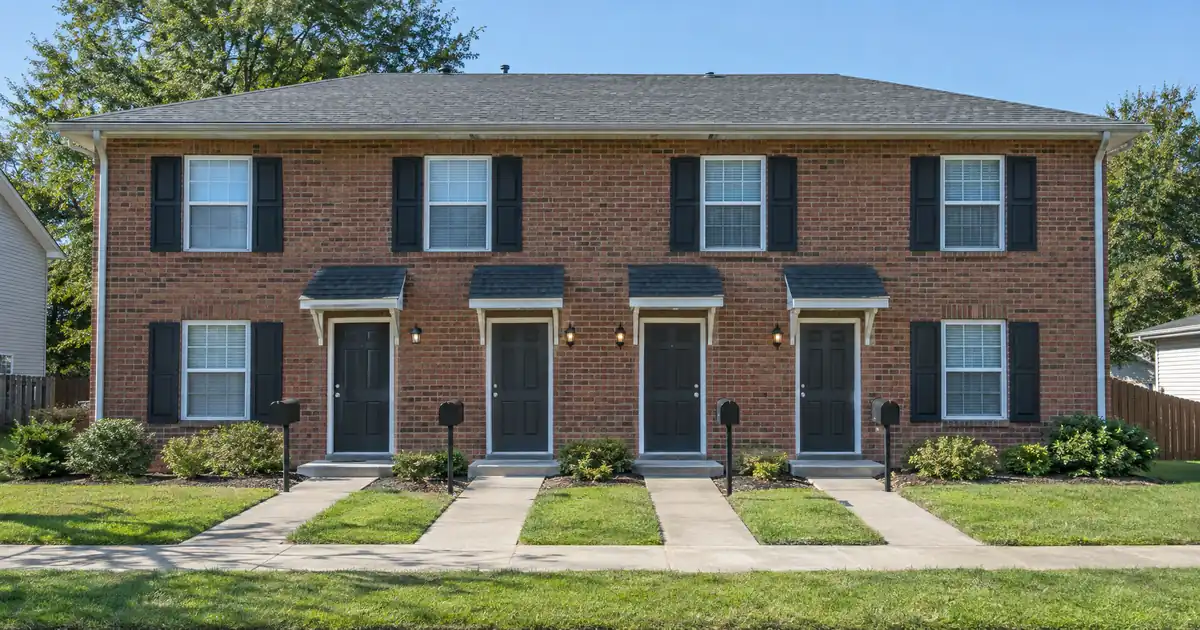
On a 2–4 unit you live in, the stakes run a bit higher. The leverage cap is tighter than on a single-family home. The rent from the other units helps you qualify, but it does not cover the payment the way people expect. Both facts shape the hurdle.
Lendmire arranges cash-out refinance programs for homeowners through wholesale lenders in 16 states. The patterns below come from what shows up across those files. Program details are subject to lender guidelines and full file review, and nothing here is a commitment to lend.
Why the Usual Refinance Payback Test Fails
The usual test divides closing costs by monthly savings. It tells you how long until a lower payment repays the fees. It works only when the new loan is smaller or cheaper than the old one.
A cash-out flips that. Your payment usually goes up, because the balance is larger. There are no monthly savings to divide by. So the question changes from “how long until I recover the fees?” to “what does the cash earn compared with what it costs?”
Here’s the catch. The new loan replaces your whole old mortgage. If your existing first mortgage carries a lower interest cost than the new one, you pay the higher cost on every dollar of the old balance too. That penalty belongs to the cash. Most quick comparisons leave it out.
The Four Cost Pieces
Count all four before you decide.
| Cost piece | What it is | Where you see it |
|---|---|---|
| Closing costs | Upfront charges for the new loan | Loan Estimate |
| Interest on the new cash | Added balance, added interest | Loan terms |
| Cost shift on the old balance | New interest cost applied to the old loan amount | Compare old and new loans |
| Clock reset | A new term starts, so payoff is pushed out | Loan term |
Two more items sit on top. Cash-out loans carry risk-based pricing add-ons that rate-and-term loans do not. And if your loan-to-value ends above 80%, mortgage insurance applies. It can be cancelled at 80% of the original value on request and ends automatically at 78%, but it is a real cost until then.
The Hurdle-Return Formula, Step by Step
The hurdle return is the yearly cost of the cash, expressed as a percentage of the cash you receive. Work it in five steps.
1. Find your usable cash. Take the appraised value times the cap. Subtract your current payoff, closing costs and any liens that must be paid. What is left is the cash in hand.
2. Add up the extra yearly interest on the cash. This is the new loan’s interest cost applied to the cash portion only.
3. Add the cost shift on the old balance. Take the gap between the new loan’s interest cost and your old loan’s. Apply it to your old balance for one year.
4. Spread closing costs over how long you will hold the loan. If you may sell or refinance in a few years, spread them over that shorter period. A shorter hold makes the hurdle taller.
5. Add steps 2, 3 and 4, then divide by the cash in hand. The result is your hurdle return.
The cash must earn more than that percentage after taxes, vacancy and the risk you take. If it does, the deal pencils. If it only matches the hurdle, you carry risk for no gain.
The cost shift in step 3 is what trips people up. When the old loan is much cheaper than today’s loans, step 3 can swamp everything else. In that case the hurdle on a small cash-out can be steep. Sometimes the right move is a second lien or a home equity line instead, which leaves the cheap first mortgage in place.
The 75% Cap Sets How Much Cash You Can Reach
The conventional cash-out lane caps leverage at 80% of value on a one-unit principal residence. On a two- to four-unit principal residence, the cap drops to 75%. That figure is the same one Fannie Mae and Freddie Mac publish. Fannie Mae’s eligibility matrix shows the one-unit and 2–4 unit caps side by side. Each figure is subject to lender guidelines and a complete review of property type, leverage, and credit.
A strong credit score does not raise that cap. A weaker score affects pricing, not the ceiling.
Run a quick picture. Say your home appraises at 100% of value and your first mortgage sits at 50% of that value. A 75% cap leaves 25% of value, before closing costs and any liens. Your usable cash is less than 25%. Equity is not cash. Payoff, fees and prepaids come out first.
Two more rules matter before you plan around the cash.
- Seasoning. The first mortgage you are paying off must be at least 12 months old, measured note date to note date. A borrower must have been on title for 6 months. Exceptions exist for delayed financing, inheritance and legal awards.
- Occupancy. For a principal residence, every borrower must live in the home. Fannie Mae’s cash-out refinance guideline spells that out, along with the delayed financing exception for homes bought with cash.
Across the wholesale programs placed with Lendmire, a separate lane reaches 89.99% loan-to-value with no mortgage insurance. It requires a 680 score and a 50% ratio ceiling on a thirty-year fixed, primary residence, conforming balance, with its own six months of seasoning. It is a one-unit-style lane. Do not assume it applies to a 2–4 unit. Ask before you plan around it. Exact terms depend on lender and investor guidelines, credit profile, reserves, and property review.
If your home is not your primary residence, occupancy decides the leverage. A second home or an investment property is treated differently, and that is a different loan conversation.
How the Rent From Your Other Units Counts
The rent from the other units helps you qualify, but only a part of it counts. Fannie Mae’s subject-property rental income policy applies a 75% factor to gross monthly rent on a purchase of a 2–4 unit principal residence. That discount is built in to cover vacancy and upkeep. Confirm how the same documents are handled on a refinance, since the policy described here covers the purchase case.
Two other things to know:
- Fannie Mae’s underwriting system counts the full payment on the subject property as a housing expense. The rent only offsets part of it.
- The appraisal on a 2–4 unit supports market rent, and the value it sets moves your maximum loan directly.
So the “rent pays the mortgage” picture does not match how the file is read. On paper, your payment is the full amount. Your qualifying income gets a discounted share of the rent. If the payment on the larger balance is stretched, the file can fall short even when the rent is real.
Does the New Payment Still Cash-Flow?
Check the before and after. The payment on the new loan covers the whole new balance, and cash-out makes it bigger. Rent from the other units has to carry more weight.
A simple stress test works well. Take the rent from the other units. Cut it by 25% for the discount the underwriter applies. Then take away one more unit’s rent for a full vacancy. Ask whether you can still pay the new loan from your own income.
Picture a fourplex where you live in one unit. Three units produce rent. If one sits empty for a few months, you lose a third of the rent you counted on. A triplex is more sensitive still. If the cash-out pushed the payment up and the stress test breaks, the deal may work on paper and fail in practice.
This is the point where many borrowers decide to take less cash. Pulling a smaller amount keeps the payment manageable. It also makes the hurdle steeper, because the cost shift on the old balance does not change, and that fixed cost is divided by less cash. Do the math both ways before you commit.
Required Return by Use of Proceeds
The right test depends on what the cash does. Each use has a different measure.
| Use of cash | What to measure | Hurdle it must clear |
|---|---|---|
| Renovate your own unit | Added value or saved cost | Full yearly cost of the cash |
| Renovate a rented unit | Added rent per year | Full yearly cost of the cash |
| Pay off higher-cost debt | Interest saved | Cost of cash, plus the old-balance shift |
| Fund a down payment elsewhere | Net return on that purchase | Cost of cash, plus extra risk |
Paying off higher-cost debt is the cleanest case. The interest you stop paying is a known number. If that saving beats the hurdle, you win. Renovations are harder. An improvement only pays if it raises value or rent. Cosmetic work that does neither is just a cost.
Using cash for the next down payment adds a second layer of risk. You now owe more on your home so you can own more elsewhere. If the next purchase underperforms, the debt on the first one is still there. Lendmire’s piece How Much a First Cash-Out Refi Needs to Return to Break Even walks through the same break-even logic for a single-unit home.
Where the General Rule Breaks
The hurdle formula is a general method. A few situations bend it.
A very cheap existing loan. If your current mortgage is far cheaper than anything available now, the cost shift swamps the cash. A second lien that leaves the first alone can be cheaper.
Short holding period. If you may sell in a few years, the closing costs are spread over a short span. The hurdle jumps. A cash-out rarely pencils for a short hold unless the cash replaces very expensive debt.
A rate-and-term goal. If you want a lower payment and not cash, a no-cash-out refinance avoids the 75% cap and the cash-out pricing add-ons. The limited cash-out lane runs to 95% loan-to-value on a one-unit principal residence, well above the 75% cash-out cap. Leverage, reserves, and pricing vary by lender and program; the final terms follow the full file review.
Government loans. An FHA Streamline is not a cash-out product. HUD limits cash on a streamline to a token amount and does not let closing costs be rolled into the new balance. The VA IRRRL does not allow cash out either. A VA cash-out is a separate product.
FHA on three and four units. FHA has historically applied a self-sufficiency test to three- and four-unit homes. Confirm the current handbook language before relying on it, since older notices are dated.
Student loan variant. One cash-out variant allows cash back only up to a small cap, and the proceeds go to student loans. It is a narrow tool, not a general cash source.
Multiple financed properties. A principal residence has no limit on the number of financed properties. A multi-unit counts as one. That helps if you own other homes.
Key Terms Defined
Cash-out refinance. A new first mortgage that pays off your old one and gives you the leftover equity as cash.
Loan-to-value (LTV). The loan balance divided by the home’s appraised value, shown as a percentage.
Hurdle return. The yearly percentage the cash must earn to cover what it costs you.
Seasoning. The minimum time you must have owned the home or held the loan being paid off.
Limited cash-out refinance. A rate-and-term refinance with only a small, incidental amount of cash back.
Mortgage insurance. Coverage the borrower pays when the balance is above 80% of value. It cancels at 80% on request and ends at 78%.
When It Doesn’t Pencil: A Walk-Away Checklist
Skip the cash-out, or take less cash, if any of these are true.
- The cash has no clear use, or the use does not earn more than the hurdle.
- Your old loan is far cheaper, and the new interest cost would apply to the whole balance.
- You may sell or refinance again within a short time.
- The rent stress test breaks the payment.
- The loan-to-value after closing lands above 80% and brings mortgage insurance back.
- The plan depends on the appraisal coming in high.
Tax treatment can depend on your situation; borrowers should speak with a qualified tax professional before relying on any deduction or credit.
Alternatives to Compare
| Option | Leaves your first mortgage alone | Best when |
|---|---|---|
| Cash-out refinance | No | You want one new loan and the cost shift is small |
| Home equity line | Yes | Your old loan is cheap and you need flexible cash |
| Home equity loan | Yes | You need a lump sum and a fixed term |
| Rate-and-term refinance | No | You want a lower payment, not cash |
The Loan Estimate is the document that lets you compare real costs side by side. The CFPB explains how to read the Loan Estimate, including the cash-to-close line. Get one for each option and run the hurdle formula on each.
Frequently Asked Questions
How much return does the cash from a cash-out refi need to earn?
It needs to earn more than your hurdle return, which is the yearly cost of the loan divided by the cash you receive. There is no standard number. Add closing costs spread over your holding period, interest on the new cash, and the extra cost on your old balance. Then divide by the cash in hand. Anything the cash earns above that, after vacancy and taxes, is your real gain.
Why is the cash-out cap lower on a 2–4 unit?
Lenders and the agencies see multi-unit homes as carrying more risk, so the cap is set at 75% of value, against 80% on a one-unit principal residence. A better credit score does not raise it. It affects pricing only. Payoff, fees and prepaids also reduce the cash below the cap.
Does all the rent from the other units count toward qualifying?
No. On a purchase of a 2–4 unit principal residence, Fannie Mae’s policy counts 75% of gross monthly rent, and the underwriting system counts the full payment as your housing expense. Documentation on a refinance should be confirmed against the current guide. Plan on a discounted share, not full rent.
Can an FHA Streamline or a VA IRRRL give me cash?
Not in any meaningful way. The FHA Streamline limits cash to a token amount, and the VA IRRRL allows none. Both are built for lowering the cost of an existing government loan. If you want real cash from an FHA or VA home, that is a separate cash-out product with its own rules.
Is a cash-out always the right way to reach equity?
No. If your existing first mortgage is far cheaper than current loans, a second lien or a home equity line can leave it untouched. The cash-out applies the higher cost to your entire balance. Compare the options on the same hurdle formula before choosing.
Next Step
If you are weighing a cash-out refinance against keeping the loan you have, Lendmire can help you compare the programs and the equity each one reaches. Run the hurdle math first. Then see whether the 75% cap leaves enough usable cash to be worth it.
For your own numbers, request a scenario review with Lendmire.
For current guidelines and terms, see Lendmire’s refinance programs page.
About Lendmire
Lendmire, NMLS# 2371349, is a mortgage brokerage with consumer lending licenses in 16 states. FHA, VA, conventional and jumbo purchase and refinance loans are arranged through wholesale lending partners, and each application is reviewed individually by the lender. Scotsman Guide named Lendmire a Top Mortgage Workplace in both 2025 and 2026.
Get Started
Ready to find the right loan for you?
In about 30 seconds you can review financing options available for your home or investment property. No commitment required.
Informational only. Not a Loan Estimate, approval, or commitment to lend. Program availability and eligibility are subject to lender guidelines, credit approval, property review, and underwriting.
References
1. Fannie Mae Eligibility Matrix
2. Fannie Mae Selling Guide B2-1.3-03: Cash-Out Refinance Transactions
3. Fannie Mae Selling Guide B3-3.8-02: Rental Income, Subject Property
4. HUD: FHA Streamline Refinance
5. CFPB: Loan Estimate Explainer
This article is part of Lendmire’s Refinance series — every loan program’s qualification details, guidelines, and scenarios live on the loan options page.
Related reading: How a PAL Sizes on a Purchase vs Cash-Out Before a Maintenance Call · How Much More a Cash-Out Refinance Releases Behind a Low First Mortgage · How to Weigh a Cash-Out on a 2–4 Unit by Payment Math
Brandon Miller
Founder & CEO, Mortgage Loan Originator, Lendmire LLC
- Mortgage Loan Originator · NMLS# 1129696 · Verify on NMLS Consumer Access
- North Carolina Real Estate Broker · License# 343312 · Verify on NCREC
- North Carolina Insurance Producer · License# 19053198 · Property, Casualty, Life, Health · Verify on NAIC SBS
- Lendmire LLC · Firm NMLS# 2371349 · Verify firm licensure
Required disclosures. Lendmire (NMLS# 2371349) operates as a licensed mortgage broker, not a direct lender or depository. The discussion in this article is general in nature and should not be relied upon as financial, legal, or tax advice — every investment scenario is unique and should be reviewed by a qualified professional. Any loan inquiry is subject to lender underwriting, and this article is not a commitment to lend or a guarantee of approval. Mortgage rates, loan terms, and program guidelines vary by borrower, property, and state, and may change without notice. Equal Housing Opportunity. Verify licensure at NMLS Consumer Access.