
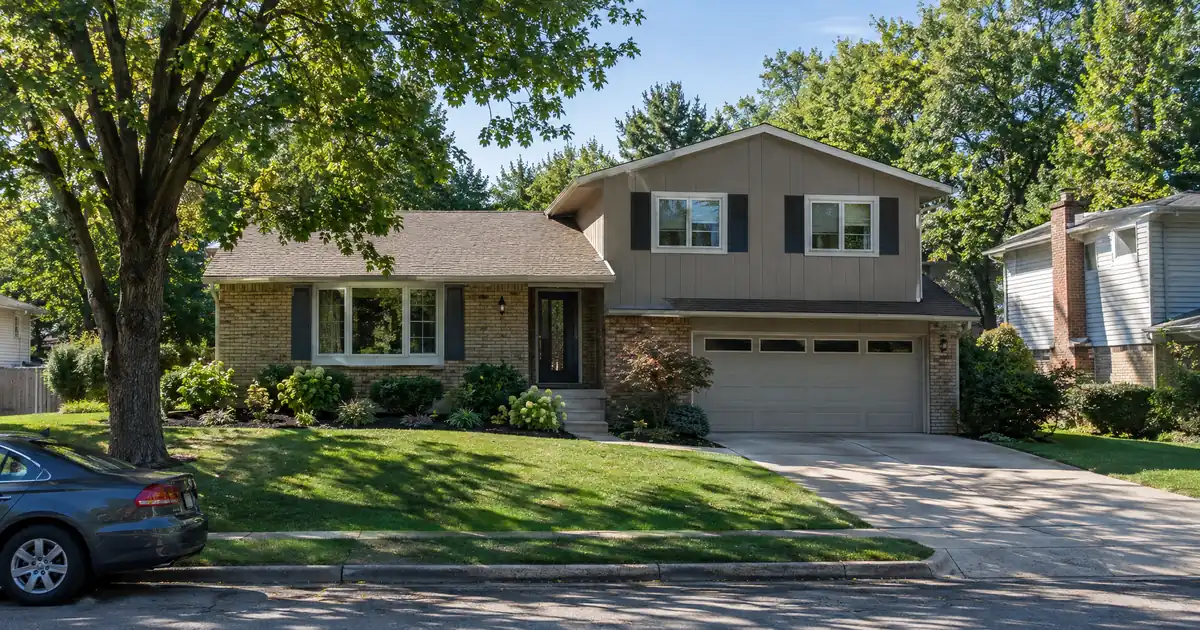
The Quick Read: Occupancy changes almost everything on a bank statement cash-out, because the same deposits get tested against a different leverage ceiling and a different file type. A primary home or second home is a consumer mortgage with a lower-risk posture and a higher cash-out ceiling. A non-owner-occupied rental is a business-purpose loan with a tighter ceiling and a different paper trail. Eligibility on either side is subject to lender guidelines.
- Owner-occupied cash-out typically tops out near 80% LTV on select programs, with a lower 75% LTV tier when the borrower brings an accountant-prepared expense ratio.
- Investment-property cash-out tops out around 75% LTV.
- The 90% LTV figure applies to primary-residence purchase and rate-term loans, not cash-out.
- Loan sizes generally run from $125,000 to $3,500,000, with reserves commonly near six months of the housing payment.
- A rental can sometimes qualify on the property’s rent instead of the borrower’s deposits.
Here’s the honest answer on who each option is for. A self-employed owner pulling equity from the home they live in is using the owner-occupied lane, where deposits, credit, and personal obligations decide the file. A self-employed investor pulling equity from a rental has a choice. Deposits can carry the file, or the property’s own rent can carry it. Which one fits depends on how strong the deposits look and how well the rent covers the payment.
DSCR Cash-Out Calculator
Run the cash-out numbers in your market
Rate source: Freddie Mac 30-yr average via FRED® — Federal Reserve Bank of St. Louis · effective Oct 8, 2026
Prefilled with starting assumptions — enter your property’s value, balance, taxes, and insurance for a more accurate picture.
Program parameters update from Lendmire’s centralized guideline source. Taxes and insurance are editable estimates.
As of Oct 8, 2026 · General Freddie Mac market benchmark, not a Lendmire loan offer. Property value, balance, taxes, and insurance are editable estimates. Maximum loan-to-value varies by lender, program, property type, and seasoning. Not a Loan Estimate, approval, or commitment to lend. Program availability and eligibility are subject to lender guidelines, credit approval, property review, and underwriting.
This piece compares the two lanes as a referee, not a salesperson. The column for rentals below describes what the wholesale network typically sees, and the other lane is described by published industry norms where they exist. For the broader product family, Lendmire’s complete DSCR loans guide covers the rent-based side in detail.
Side-by-Side
| Factor | Primary or second home | Non-owner-occupied rental |
|---|---|---|
| Review basis | Documented income from deposits | Deposits, or property rent on a rent-based program |
| Documentation | 12 months of business or personal statements | Same statements, or a lease and rent schedule |
| Cash-out LTV ceiling | Up to about 80% | Up to about 75% |
| Expense factor | Fixed ratio; 75% with accountant-prepared ratio | Varies by lender program |
| Property types | Primary and second homes | Single-family, 2-4 unit, and short-term rentals |
| Entity vesting | Usually personal name | Entity vesting possible, subject to program terms |
| Disclosure regime | Consumer mortgage, TRID applies | Business-purpose, TRID-exempt |
| Reserves | Commonly around 6 months | Commonly around 6 months |
| Appraisal extras | Standard valuation | Rent schedule commonly added |
Timeline differences are real but they track file complexity, not occupancy alone, so this table leaves them out. Every file is underwritten individually.
What Stays the Same on Both Sides
Three things carry across occupancy. The first is the way income gets built. Lenders take 12 months of business or personal statements, strip out transfers between the borrower’s own accounts, loan proceeds, and one-time deposits, then apply an expense factor on business accounts and divide by the months. HousingWire’s non-QM guide describes the same family of methods, noting that bank statement programs commonly use 12 to 24 months of statements with an expense factor that may apply.
The second is the two-limit logic. Income sets one ceiling. Equity sets another. The maximum loan is the appraised value times the program’s cash-out LTV, and the lower of the two limits sets the check. Investors who only watch the income side get surprised when the appraisal caps the cash.
The third is the credit pull and reserves. Strong credit earns the top of any leverage range. Reserves get documented with statements, not self-reported.
Primary Home Rules
The primary-home lane is the higher-leverage lane. On select programs in the wholesale network, owner-occupied cash-out runs up to 80% LTV with a fixed expense ratio, or 75% when the borrower brings an accountant-prepared ratio. Loan size and credit move the number within that range. The top of it goes to stronger files.
Don’t confuse this with the 90% figure. Up to 90% LTV applies to a primary-residence purchase or rate-term refinance. On a cash-out, that ceiling doesn’t carry over. Files that assume it does get reset at the first lender review.
There’s also an asset-depletion alternative. A borrower with large liquid balances can qualify from assets instead of deposits, which runs to about 80% LTV on a primary residence. That’s a different document set, so it won’t suit someone whose strength is monthly cash flow. Leverage, reserves, and pricing vary by lender and program; the final terms follow the full file review.
Because the file is a consumer mortgage, the lender has to be able to show it considered the borrower’s ability to repay. The CFPB’s ATR/QM compliance guide lists eight underwriting factors a creditor weighs, and its newer guidance notes the general standard requires considering debt-to-income or residual income without setting a fixed threshold. Bank statement loans are non-QM, but non-QM doesn’t mean unregulated. In practice, that means debt-to-income, credit, and assets all get a real look on owner-occupied files.
Second homes are treated as owner-occupied for these purposes. So the 80% ceiling and the consumer-mortgage handling follow the second home too.
Rental Rules
Rental cash-out sits in a different regulatory lane and a different leverage lane. Investment-property cash-out tops out around 75% LTV. On the paperwork side, a non-owner-occupied rental is generally treated as business-purpose credit. The CFPB’s exempt-transactions page for Regulation Z says credit to acquire, improve, or maintain rental property that is not owner-occupied is deemed to be for business purposes. Lenders still decide purpose file by file, so the label isn’t automatic. A borrower who lives in one unit of a duplex falls back toward the primary-residence side.
Short-term rentals follow the same logic when the borrower doesn’t live there. Short-term rental rules can vary by city, county, HOA, and property type, so investors should confirm local rules before relying on projected rental income.
The important choice on a rental is the qualification lane. Under a bank statement program, deposits carry the file and the property is just collateral. Credit, assets, reserves, and debt-to-income still apply. The statements change how income is shown, not whether the loan is underwritten. Under a rent-based program, the property’s rent against its monthly obligation carries the file, and personal deposits stop being the test. Lendmire’s piece How To Cash Out Refinance A Rental Property Without Showing Income covers that second lane.
Entity vesting matters here too. Credit to a non-natural person is separately exempt under the federal rule text, and rental loans to LLCs are available subject to program terms. An LLC doesn’t turn a consumer-purpose loan on your own home into a business loan, though. Same entity, different purpose, different treatment.
When a Primary-Home Bank Statement Cash-Out Is the Better Fit
It fits when the equity sits in the house you live in and the goal is personal or household. Leverage runs higher here, so a borrower who needs more cash from the same value usually gets more room on the owner-occupied side.
It also fits a self-employed owner whose traditional personal-income documentation shows heavy write-offs but whose deposits show real cash flow. Picture an owner with a strong business account and a home with plenty of equity. Deposits average well, the expense factor lands in a workable place, and the 80% ceiling leaves room.
It works less well when personal debts are heavy. On an owner-occupied file, debt-to-income gets tested, and heavy obligations can shrink the check regardless of how strong the deposits look. It also works less well when the borrower wants to hold the loan in an entity, since the file is a consumer mortgage.
Another honest caution: lump-sum deposits are read as anomalies. A large one-time deposit from a sale or a windfall gets stripped out of the average unless it’s documented as recurring business income.
When a Rental Cash-Out Is the Better Fit
It fits when the equity sits in a property the borrower doesn’t occupy and the money is going back into the portfolio or the business. The business-purpose treatment removes the consumer disclosure regime, which changes the paperwork, though not the underwriting care.
It also fits investors who want a choice of lane. Consider a self-employed investor with thin deposits but a rental that clearly covers its own payment. A rent-based program may fit better there. Flip it around: a borrower with strong deposits and a rental whose rent is thin may do better on a bank statement program. Both can be right on different properties in the same portfolio.
The portfolio view is the quiet advantage. Rent-based underwriting lets each rental stand alone. Personal-income underwriting ties every new loan to the same deposits and the same debt-to-income math, so each added loan eats into the same capacity.
The cost is leverage. The ceiling is lower, around 75% LTV, so the same equity produces a smaller check than it would on a primary home. A borrower who needs maximum cash from a given value should weigh that against the benefits above. Terms vary by lender guidelines, property type, leverage, credit profile, and full file review.
Programs below 1.00 coverage on the rent-based side are available through select lenders, though LTV and terms adjust.
One Borrower, Two Properties
Run the same self-employed borrower through both files. Say they own a primary home and a rental, each with similar equity. On the home, the 80% ceiling and the fixed expense ratio apply, and personal debt-to-income gets tested. On the rental, the 75% ceiling applies, and the borrower can pick deposits or rent.
On the home, the income test often binds when personal debts are heavy. On the rental, the equity test often binds because the ceiling is lower. Different limit, different fix. Paying down personal debt helps the first. Waiting for appreciation or a stronger appraisal helps the second.
That’s the reason the same borrower can get a large check on one property and a modest one on the other. Neither result means the deposits changed.
Edge Cases
- Second home. Treated as owner-occupied, so it follows the primary-home side.
- Short-term rental. Treated as a rental when the borrower doesn’t live there, so business-purpose handling and the lower ceiling apply.
- Converted residence. A home turned into a rental changes occupancy, and the lender looks at the lease and the move-out evidence.
- Owner-occupied 2-4 unit. A borrower living in one unit sits on the primary-residence side, and purpose still gets judged file by file.
- Paid-off homes. The equity test gets simpler, but the income test still decides the check.
- Many financed properties. On personal-income underwriting, each new loan draws on the same debt-to-income capacity.
Common Confusions
“Bank statement loans are investor-only.” They’re not. Owner-occupied bank statement cash-out exists, though availability varies by program and by state on the consumer side.
“Same rules on every occupancy type.” Leverage, regulatory handling, and vesting all shift with occupancy.
“Cash-out gets the same ceiling as purchase.” Not so: the 90% ceiling belongs to primary-residence purchase and rate-term loans, and cash-out loans are capped well below it. Exact terms depend on the lender’s guidelines, property type, leverage, and a full review of the borrower’s file.
“An LLC makes any loan exempt.” Not for a consumer-purpose loan on a home you live in.
“Non-QM means no debt-to-income limit.” The general standard sets no numeric cap, but lenders still consider debt-to-income or residual income on owner-occupied files.
Documents to Gather, by Occupancy
For a primary home: 12 months of business or personal statements, an accountant-prepared expense ratio if the borrower wants the 75% route, a current mortgage statement, an insurance declaration, and proof of reserves.
For a rental: the same statements, plus a lease or rent schedule, entity documents if the property is vested in an LLC, and the insurance declaration. A rent schedule appraisal is commonly added. Tax treatment varies; consult a qualified professional.
The Verdict
Choose the primary-home lane for higher leverage and a household purpose, accepting consumer-mortgage scrutiny of personal debts. Choose the rental lane for portfolio flexibility and the choice between deposits and rent, accepting a lower ceiling.
Reach the team at 828-256-2183 or request a quote. Consumer bank statement availability covers 16 states, and qualification is on documented income under the applicable program, subject to lender guidelines.
Frequently Asked Questions
Does a bank statement cash-out work the same on a rental as on a primary home?
No. The income method is similar, but the leverage ceiling, the disclosure regime, and the vesting options all differ. Owner-occupied files run up to about 80% LTV on cash-out, and rentals run around 75%. Every figure here varies by lender and program — guidelines, property type, leverage, and credit profile all apply.
Can I use the 90% LTV figure on a cash-out?
No. That figure applies to primary-residence purchase and rate-term transactions. Cash-out on an owner-occupied home tops out near 80% on select programs, subject to lender guidelines.
Can a rental qualify without using my bank deposits?
Often, yes. A rent-based program tests the property’s rent against its monthly obligation instead of your deposits. Which lane fits depends on how strong the deposits are and how well the rent covers the payment.
Is a second home treated like a primary or a rental?
It’s treated as owner-occupied, so it follows the primary-home side for leverage and for consumer-mortgage handling.
Does an LLC change the rules on my own home?
Not by itself. A consumer-purpose loan on a home you live in stays a consumer loan, even if an entity is involved.
Key Terms Defined
Expense factor: the percentage of business deposits treated as operating cost before income is averaged.
Cash-out LTV: the maximum loan as a share of appraised value on a cash-out refinance.
Reserves: liquid funds, documented with statements, held after the loan funds.
Business-purpose loan: credit extended primarily for a business or investment reason, such as a non-owner-occupied rental.
Vesting: the way title is held, such as a personal name or an LLC.
Debt-to-income: monthly obligations compared with monthly qualifying income.
A deeper walk-through of investment-property equity extraction lives in Lendmire’s guide to cash-out refinance on an investment property.
About Lendmire
Lendmire (NMLS# 2371349) is a mortgage brokerage focused on DSCR investor financing, helping arrange programs through wholesale and investor-lending channels in 41 markets, including Washington, D.C. DSCR loans are evaluated by the lender on property cash flow rather than personal income, subject to lender guidelines, supporting LLC closings and accommodating investors with four or more financed properties. Scotsman Guide Top Mortgage Workplace in both 2025 and 2026.
Get Started
Ready to find the right loan for you?
In about 30 seconds you can review financing options available for your home or investment property. No commitment required.
Informational only. Not a Loan Estimate, approval, or commitment to lend. Program availability and eligibility are subject to lender guidelines, credit approval, property review, and underwriting.
References
1. HousingWire, non-QM loans guide
2. CFPB, ATR/QM rule compliance guide
3. CFPB, Regulation Z exempt transactions
This article is part of Lendmire’s bank statement loan program — full qualification details, guidelines, and scenarios live on the program page.
Related reading: Should Understated Income Mean DSCR Cash-Out Over a Bank Statement HELOC? · Can a First-Timer Get a Bank Statement HELOC Before the Divorce Is Final? · Does a Quitclaim Delay a First-Time Borrower’s Bank Statement HELOC?
Brandon Miller
Founder & CEO, Mortgage Loan Originator, Lendmire LLC
- Mortgage Loan Originator · NMLS# 1129696 · Verify on NMLS Consumer Access
- North Carolina Real Estate Broker · License# 343312 · Verify on NCREC
- North Carolina Insurance Producer · License# 19053198 · Property, Casualty, Life, Health · Verify on NAIC SBS
- Lendmire LLC · Firm NMLS# 2371349 · Verify firm licensure
Compliance and disclosures. Lendmire (NMLS# 2371349) is a licensed mortgage broker and is not a direct lender, depository institution, financial advisor, or tax professional. Content in this article is general market analysis and educational information — not financial, legal, or tax advice for any specific situation. Lendmire does not guarantee loan approval; every transaction is subject to underwriting by the funding lender. Mortgage pricing and loan program guidelines are subject to change at any time without notice and vary by borrower characteristics, property type, and state regulations. Lendmire complies with Equal Housing Opportunity. Licensure verification: NMLS Consumer Access.