
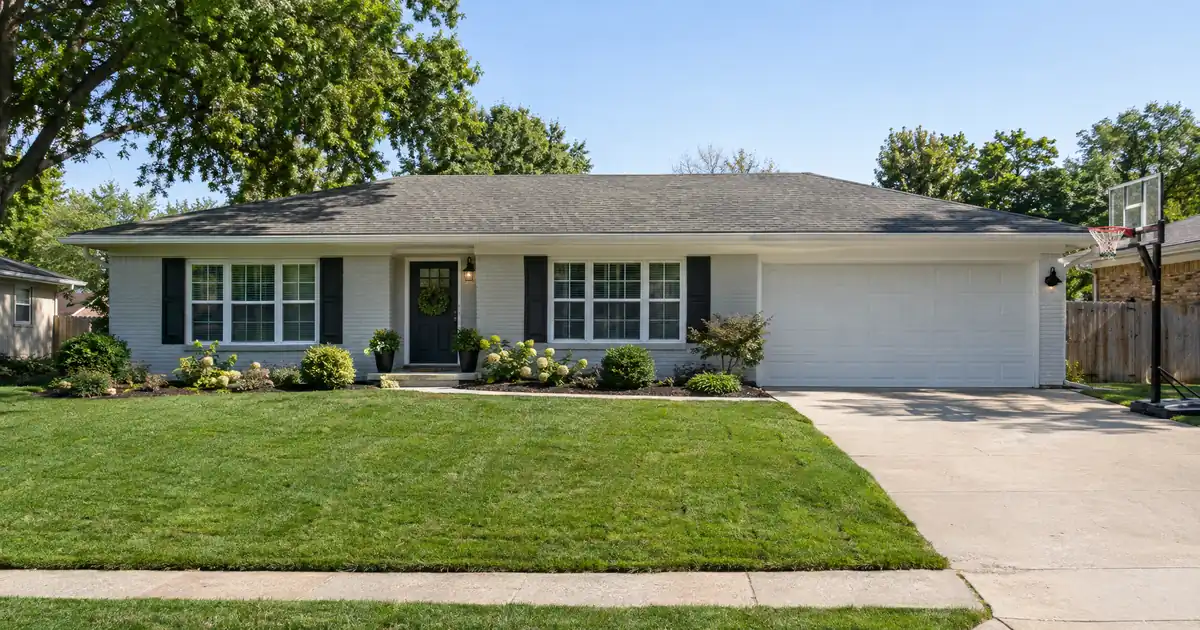
The Quick Read: Cash-out refinance appraisal requirements come down to one point. Your home’s value sets how much you can borrow, so the loan almost always needs a valuation of the home. In most cases that means a full appraisal with an inside look at the property. A narrow automated waiver exists on some conventional files, but it is the exception. Second homes get a lower borrowing ceiling than primary homes, so the appraised number matters even more there.
Key Takeaways
- A cash-out refinance turns equity into cash, so the lender needs a trusted value before it sizes the loan.
- Conventional cash-out tops out at 80% of value on a one-unit primary home. It tops out at 75% on a second home or a two- to four-unit primary home.
- A waiver of the appraisal is possible on some conventional files. Many wholesale lenders still order a full appraisal anyway.
- FHA Streamlines and VA IRRRLs skip the appraisal because they never hand you cash. They are not a way to tap equity.
- A low appraisal shrinks both the maximum loan and the cash you walk away with.
Why Does a Cash-Out Refinance Need an Appraisal?
A cash-out refinance needs an appraisal because the lender is lending against the home, and your cash comes out of the equity in it. The lender wants an independent opinion of value before it sizes the loan. A guess from you or from an online estimate does not do that job.
Think about what the loan does. It pays off your current mortgage and then adds cash on top. Every dollar of cash raises the loan balance against the same house. The lender caps that balance at a percentage of value, called loan-to-value, or LTV. The appraisal supplies the “value” half of that ratio.
A plain rate-and-term refinance is lower risk. It swaps one loan for another and only allows incidental cash back. That is why it can carry looser rules, including streamlines and waivers in the right situations. Cash-out lenders look harder because the balance goes up.
Across the wholesale programs Lendmire places files with, the appraisal is the single biggest swing factor on a cash-out file. Credit and income are usually clear early. The value is the unknown, and it moves the final numbers more than anything else. If you want the program overview before the mechanics, Lendmire’s cash-out refinance programs page lays out the basic structure.
The conventional rules come from Fannie Mae and Freddie Mac. Fannie Mae’s Selling Guide says cash-out proceeds can pay off your first mortgage, cover closing costs, clear other liens and leave you cash for any purpose. It also says the mortgage being paid off must be at least 12 months old. Freddie Mac’s cash-out product page says a new appraisal and inspection report is required.
Key Terms Defined
Appraised value: A licensed appraiser’s written opinion of what your home would sell for, based on its condition and on recent sales of similar homes nearby.
Loan-to-value (LTV): The new loan balance divided by the home’s value. An 80% LTV means the loan is 80% of what the home is worth. Terms vary by lender guidelines, property type, leverage, credit profile, and full file review.
Equity: The home’s value minus what you owe on it. Cash-out refinancing turns part of that equity into cash.
Limited cash-out (rate-and-term) refinance: A refinance that pays off your current mortgage and costs, with only a small amount of cash back. It allows higher leverage than cash-out.
Seasoning: The waiting period a lender wants before you refinance. For conventional cash-out, the mortgage being paid off must be at least 12 months old, and a borrower must have been on title for 6 months. Delayed financing, inheritance and legal-award exceptions exist.
Appraisal waiver (value acceptance): An automated offer to accept an estimated value with no appraisal. Only some files get it.
How Does the Appraised Value Set Your Maximum Cash?
Your maximum loan is the appraised value times the LTV cap. Your cash is whatever is left after the loan pays off your current mortgage and closing costs. Because the cap is a percentage, a lower appraisal lowers the ceiling proportionally, and the cash falls by an even larger percentage, since the payoff and costs stay fixed.
Run it with percentages instead of dollars. Say you expect your primary home to be worth 100 units. You owe 50 units on the current mortgage. The 80% cap on a one-unit primary home gives a ceiling of 80 units. That leaves 30 units of room before closing costs. (These are modeled assumptions for illustration, not a quote.)
Now the appraisal comes in 5% lower than you expected, at 95 units. The ceiling becomes 76 units. Your payoff is still 50, so your room falls to 26 units. A 5% miss in value cost you more than 13% of your available cash.
| Scenario (percent of expected value) | Value | Ceiling | Room before costs |
|---|---|---|---|
| Primary home, appraisal as expected | 100 | 80 | 30 |
| Primary home, 5% low | 95 | 76 | 26 |
| Second home, appraisal as expected | 100 | 75 | 25 |
| Second home, 5% low | 95 | about 71 | about 21 |
The pattern is simple. The ceiling is a fixed percentage of the number the appraiser writes down. Your payoff does not shrink to match. The cash is what is left, so it absorbs the whole hit. Closing costs also come out of that room, which trims it further. Lower leverage on a second home leaves less equity within reach to begin with.
Primary Home vs. Second Home: What Changes?
Occupancy decides the leverage. On conventional cash-out, a one-unit primary home reaches 80% LTV. A second home reaches 75%. Two- to four-unit primary homes also top out at 75%. The appraisal itself is the same kind of report, but the stakes on the number are different. Exact terms depend on the lender’s guidelines, property type, leverage, and a full review of the borrower’s file.
Fannie Mae’s Eligibility Matrix lists the caps by occupancy and transaction. It also shows that second homes face tighter limits in other ways. Reserves can also come into play on cash-out files with higher debt ratios.
| Factor | Primary home | Second home |
|---|---|---|
| Conventional cash-out LTV | 80% (one unit) | 75% (one unit) |
| Appraisal | Required in most cases | Required in most cases |
| Waiver possible? | On some one-unit files | On some one-unit files |
| Occupancy check | You must live there | You must use it as a second home |
| Co-op property | Eligible | Cash-out not permitted |
A few differences sit under that table.
Occupancy documentation. On a primary home, every borrower must occupy it. Freddie Mac’s guide makes that a firm condition for cash-out. A second home must be a place you genuinely occupy part of the year, not a rental in disguise. The appraisal report records how the home is used, and a mismatch between that and your application raises questions.
Comparable sales. The appraiser picks recent sales of similar homes. On a vacation or seasonal property, good comparables can be thinner. A resort-area home may have fewer sales in a given season. Fewer comparables can mean wider adjustments and more room for a surprise.
Seasonal and rental use. A home that has been rented out often can complicate the occupancy picture. Be straight about how you use the property. The lender reviews the file against what it finds.
Planning to use a primary home’s equity toward the next purchase? Lendmire’s piece Cash-Out Refinance to Buy a Second Home: Using Your Primary Residence’s Value for the Down Payment covers that strategy directly.
Can You Skip the Appraisal on a Cash-Out Refinance?
Sometimes, but rarely. A narrow conventional waiver exists, and streamline programs skip the appraisal. Neither one is a general shortcut for people who want cash out of their equity.
The waiver lane. Fannie Mae’s value acceptance lets its automated underwriting system accept the lender’s submitted value with no appraisal requirement. On a refinance, that submitted value is an estimate. The offer depends on the system’s findings. It covers certain one-unit primary and second-home transactions, including some cash-out loans. The offer is valid only for a limited window before closing, and it is not a permanent pass.
Freddie Mac’s cash-out page, by contrast, says a new appraisal and inspection report is required. So the waiver depends on which agency guidelines the file runs under, and on the lender’s own rules.
Even when a waiver is offered, many wholesale lenders still order an appraisal on cash-out. A lender can also order one if something about the file looks off. Conflicting data, an unusual property, condition concerns or occupancy questions can all trigger it.
If you do get a waiver, you save one closing cost. That is a small perk. You also lose a safeguard. An appraisal that comes in at a solid number tells you the home supports the loan.
The streamlines. The FHA Streamline and the VA IRRRL are for people who already hold an FHA or VA loan. They skip the appraisal because they do not pull equity out of the home. The VA’s IRRRL page says no appraisal or credit underwriting package is required, and that you may not receive any cash from the loan. An FHA Streamline allows only a token amount of cash. Neither one gives you what a cash-out refinance does.
Terms that cause confusion. Freddie Mac calls Fannie Mae’s “limited cash-out” refinance a “no cash-out” refinance. Both allow minor cash back at closing. Neither is the same as true cash-out.
How Do the Rules Differ by Loan Type?
Conventional, FHA and VA all require a full appraisal on a true cash-out loan, with narrow conventional waiver exceptions. The streamlines are the only no-appraisal paths, and they are not equity products.
| Loan type | Cash-out appraisal | Notes |
|---|---|---|
| Conventional | Usually yes | Narrow waiver on some files |
| FHA cash-out | Yes | Caps leverage below full value |
| VA cash-out | Yes | Borrower pays for it |
| FHA Streamline | No | Token cash only; FHA-to-FHA |
| VA IRRRL | No | No cash; VA-to-VA |
A few points from the practitioner’s side of the desk. The VA cash-out and the IRRRL are separate products with separate rulebooks. A veteran who hears “no appraisal on a VA refinance” has heard about the IRRRL only. The VA cash-out needs a full appraisal, and the borrower pays for it.
You can also move from a conventional loan into an FHA or VA cash-out, subject to eligibility. Those loans have their own appraisal standards and property requirements, and their own insurance or funding-fee rules. A homeowner with a conventional loan who wants cash needs to compare programs rather than assume the streamlines apply.
Texas homestead cash-out loans follow state constitutional rules and sit outside the general waiver route. Texas borrowers should treat their file as its own case.
What Does the Appraiser Actually Look At?
The appraiser checks three things that matter to you: recent comparable sales, your home’s condition, and how the home is used. Together they produce the value that sets your ceiling.
Comparable sales. The appraiser finds recently sold homes similar in size, age, style and location. Then they adjust for differences, such as an extra bathroom or a better lot. The comps do most of the work in setting the number.
Condition. Expect an inside and outside look. The appraiser notes the roof, systems, finishes and any safety or structural concerns. Fannie Mae’s guidance allows an “as is” value where no safety, soundness or structural issue exists. Where one does, the value may be “as repaired,” with a completion report after the work.
Occupancy and use. The appraiser records whether the home looks owner-occupied or seasonal, and flags anything that does not fit the application.
An appraisal is not a home inspection. An inspector tests systems and looks for defects to protect a buyer. An appraiser estimates value for the lender. A title search is a third, separate task: it confirms who owns the home and what liens sit on it. Many homeowners lump the three together. They answer different questions.
What Is the Step-by-Step Process?
The process runs in a fixed order. Only the appraisal’s result can change the numbers.
1. Application. The lender classifies the loan as cash-out or limited cash-out. That label drives leverage, pricing and the appraisal rules.
2. Eligibility screens. The lender checks seasoning (the 12-month and 6-month tests) and occupancy.
3. Underwriting run. The automated system returns its findings, including whether a waiver is offered or a full appraisal is needed.
4. Appraisal. If one is required, an appraiser is assigned, visits the home and writes the report. The borrower typically pays for it as a closing cost. It appears on your Loan Estimate.
5. Loan sizing. The lender applies the LTV cap to the appraised value. The new loan covers the payoff, costs and your cash, up to that cap.
6. Copy and closing. You receive a copy of the appraisal. Federal rules give you the right to a free copy and require the lender to deliver it promptly and ahead of closing. Be careful before agreeing to waive any delivery window.
Mind the cost mechanics. Cash-out loans carry pricing adjustments that limited cash-out loans do not, so a cash-out file costs more to structure. Compare your Loan Estimate line by line.
What If the Appraisal Comes In Low?
A low appraisal leaves you several realistic options: challenge it, take less cash, wait, or compare other tools. Pick based on how far off the number is and whether you can show why.
- Request a reconsideration of value. Send the lender recent sales the appraiser missed, with addresses and sale details. Show why they are better matches. Focus on facts, not on how much you paid or what you need.
- Check for errors. Wrong square footage, a missed bedroom or an unrecorded upgrade can drag a value down. Correct those with documents.
- Take a smaller cash-out amount. The math in the earlier table shows the cost of a lower value. You may still reach a useful amount at the lower ceiling.
- Wait. If comparable sales are thin or the market has shifted, a later application may land a different number.
- Compare other tools. If the refinance no longer fits, weigh a home equity line against it.
A second appraisal is not automatic. Lenders have rules about when they will order another, and the borrower often pays.
How Should You Prepare?
Preparation will not change the facts about your home. It does make sure the appraiser sees them.
- Make a list of upgrades since you bought, with dates and, if you have them, receipts.
- Fix small, visible problems: broken fixtures, peeling paint, a leaking faucet.
- Clear access to the attic, basement, mechanicals and any outbuildings.
- Collect a few recent sales nearby that you believe match your home.
- Have your occupancy story ready and consistent with your application.
- Keep utility and tax documents handy if the lender asks to confirm use.
Tax treatment can depend on your situation; borrowers should speak with a qualified tax professional before relying on any deduction or credit.
Weighing a Cash-Out Refinance Against Keeping Your Loan
The appraisal is one gate in a series. Seasoning, credit, ratios and occupancy all matter, and each program sets its own limits, subject to lender guidelines and full file review. If you are weighing a cash-out refinance against keeping the loan you have, Lendmire can help you compare the programs and the equity each one reaches. Lendmire is a mortgage broker, not a lender, and nothing here is a commitment to lend.
Frequently Asked Questions
Do I need a new appraisal if I had one recently?
Usually yes on a cash-out. Fannie Mae allows reuse of an origination appraisal only for a subsequent limited cash-out refinance, and only within an age limit. That route does not apply to a true cash-out loan. Expect the lender to order a new report.
Can a lender order an appraisal after offering a waiver?
Yes. A waiver is an automated offer, not a guarantee of how the lender will handle your file. A lender can still order an appraisal if the property, the data or the occupancy raises questions. Many wholesale lenders order one on cash-out files regardless.
Who pays for the appraisal?
You do, in most cases, as a closing cost that shows on your Loan Estimate. A waiver removes that cost. The VA’s guidance also says the borrower pays for the appraisal on a VA cash-out loan.
Does a second home need a different appraisal than a primary home?
The report is the same type, but the use of the home is recorded and checked. The difference is the result. A second home carries a lower LTV cap of 75% versus 80% on a one-unit primary home. That means a given value reaches less equity.
Can I take cash out through an FHA Streamline or a VA IRRRL?
No. The FHA Streamline allows only a token amount of cash, and the VA says you may not receive any cash from an IRRRL. Both skip the appraisal because they do not extract equity. A cash-out loan is a separate product with a full appraisal.
For your own numbers, request a scenario review with Lendmire.
For current guidelines and terms, see Lendmire’s refinance programs page.
About Lendmire
Lendmire (NMLS# 2371349) is a mortgage brokerage serving homeowners and home buyers in 16 states. FHA, VA, conventional and jumbo purchase and refinance loans are arranged through wholesale lending channels; Lendmire brokers the financing and the lender underwrites each application. Scotsman Guide named Lendmire a Top Mortgage Workplace in both 2025 and 2026.
Get Started
Ready to find the right loan for you?
In about 30 seconds you can review financing options available for your home or investment property. No commitment required.
Informational only. Not a Loan Estimate, approval, or commitment to lend. Program availability and eligibility are subject to lender guidelines, credit approval, property review, and underwriting.
References
1. Fannie Mae Selling Guide B2-1.3-03, Cash-Out Refinance Transactions
2. Freddie Mac Cash-Out Refinance product page
3. Fannie Mae Eligibility Matrix
4. Fannie Mae Value Acceptance
5. VA Interest Rate Reduction Refinance Loan (IRRRL)
This article is part of Lendmire’s Refinance series — every loan program’s qualification details, guidelines, and scenarios live on the loan options page.
Related reading: Should a Homeowner With a Low First Mortgage Skip the Cash-Out Refinance? · Can a Builder Use Mixed Deposits to Cash Out a Paid-Off Home? · How to Cash-Out Refinance a Luxury Home After a Company Sale
Brandon Miller
Founder & CEO, Mortgage Loan Originator, Lendmire LLC
- Mortgage Loan Originator · NMLS# 1129696 · Verify on NMLS Consumer Access
- North Carolina Real Estate Broker · License# 343312 · Verify on NCREC
- North Carolina Insurance Producer · License# 19053198 · Property, Casualty, Life, Health · Verify on NAIC SBS
- Lendmire LLC · Firm NMLS# 2371349 · Verify firm licensure
Compliance and disclosures. Lendmire (NMLS# 2371349) is a licensed mortgage broker and is not a direct lender, depository institution, financial advisor, or tax professional. Content in this article is general market analysis and educational information — not financial, legal, or tax advice for any specific situation. Lendmire does not guarantee loan approval; every transaction is subject to underwriting by the funding lender. Mortgage pricing and loan program guidelines are subject to change at any time without notice and vary by borrower characteristics, property type, and state regulations. Lendmire complies with Equal Housing Opportunity. Licensure verification: NMLS Consumer Access.