
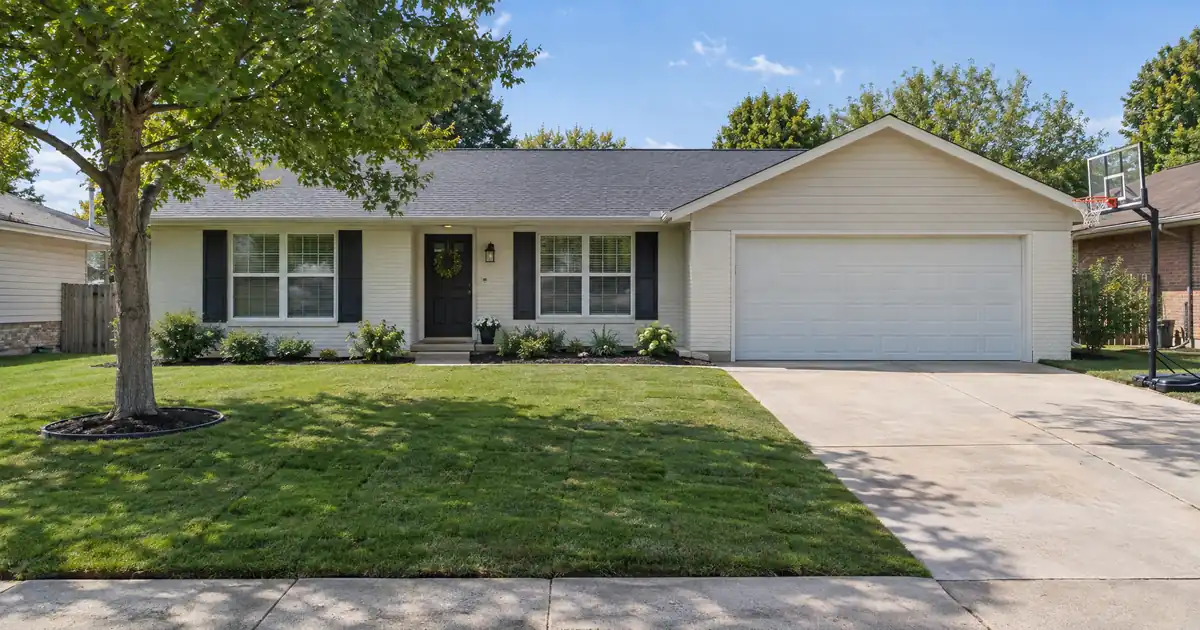
The Quick Read: A paid-off home still needs a full FHA appraisal before you can pull cash out. The appraisal does two jobs. It sets the home’s value, which caps your loan at 80% of that value. It also checks that the house meets basic safety and soundness standards. Owning the home free and clear changes the paperwork, but it does not remove the appraisal.
Key Takeaways
- A home with no mortgage is treated as a cash-out refinance, because you receive cash at closing.
- The loan tops out at 80% of the appraised value, so a low appraisal shrinks your cash. Each dollar of lost value cuts the maximum loan by 80 cents.
- Value and condition are separate tests. A house can pass one and fail the other.
- The home must be owned and lived in as your primary residence for 12 months before the FHA case number is assigned.
- You are swapping a debt-free house for a new monthly payment plus mortgage insurance. Treat that as a real decision.
What Do FHA Cash-Out Appraisal Standards Actually Cover?
They cover two separate questions: what the home is worth, and whether it is sound enough to insure. The appraiser answers both in one report, and either one can stop or shrink your loan.
FHA cash-out estimate
Seeded with an example value, a balance to match, and a round cash request; change any field.
Editable benchmark: 7.40% as of October 15, 2026 · Freddie Mac 30-year average via FRED®. A conventional market reference, not an FHA cash-out refinance quote.
Illustrative starting assumptions: a $350,000 home value, a $193,000 current balance, the FHA cap on a principal residence with the upfront premium financed, a thirty-year term at the current Freddie Mac benchmark, and property taxes and insurance estimated at typical national rates. Every field is editable.
An illustration, not a Loan Estimate, an approval, a quote, or a commitment to lend. The rate shown is the weekly Freddie Mac thirty-year conventional benchmark, used as a market reference; an FHA cash-out is priced by the lender at lock, and this is not an FHA cash-out refinance quote. HUD’s cap limits the base loan; the upfront premium is financed on top of the capped base loan; the monthly premium for the first year follows the snapshot’s schedule. Cash available means the base loan the cap permits less the balances retired, before closing costs, which this calculator leaves out. The line figure applies the line program’s combined loan-to-value ceiling to the same value and balance. Taxes and insurance are estimates you can edit. Licensed in sixteen states for consumer mortgages.
The first question is value. The appraiser compares your home to recent sales nearby and reaches an opinion of market value. Your lender uses that figure, not your estimate and not a tax bill, to size the loan.
The second question is condition. FHA insures loans only on homes that meet its minimum property requirements, which focus on health, safety and structural soundness. A home with a failing roof or a dead heating system can have plenty of value and still fail this test.
Those two jobs fail independently. Plenty of owners assume strong equity means a clean pass. Not so.
This is the core of the FHA cash-out refinance program. It reaches 80% of value on a home you have owned and lived in for 12 months before the case number is assigned. Subject to lender guidelines and full file review, the appraisal is the step that turns “I have equity” into a number a lender can lend against.
Why a Paid-Off Home Still Counts as Cash-Out
A paid-off home counts as cash-out because the loan produces cash for you instead of paying off an existing mortgage. There is no balance to pay off, so every dollar you receive beyond closing costs is cash in hand.
That surprises people. “No mortgage” sounds like it should make things simpler, maybe even like a purchase. It does not. In practice, a file on a free-and-clear home runs through the same cash-out rules as a file on a home with a balance.
Here is what follows from that classification:
- The 80% cap applies.
- The 12-month ownership and occupancy test applies.
- A new FHA case number and a new appraisal are required.
- You must qualify on income and debts for the new payment.
Some conventional lenders offer appraisal waivers on certain files. FHA cash-out has no equivalent, so expect a full appraisal with an appraiser walking the property.
One more consequence: the house becomes collateral again. Cash you take today is debt secured by the home, and missed payments put the house at risk.
How the Appraised Value Sets Your Cash
Your cash ceiling is 80% of the appraised value, and nothing you owe reduces it, because you owe nothing. If the appraisal comes in low, the ceiling drops by the same percentage.
Run the numbers on a modeled example, using percentages only. Say you expect the home to appraise at a certain value, call it 100%. At the 80% cap, the most the loan can reach is 80% of that figure. The other 20% of value always stays unborrowed.
Now say the appraiser lands 10% below your expectation. The ceiling falls by 10% as well. Because you owe nothing, no payoff balance sits in the way, so the whole drop in the ceiling is a drop in the cash you can take. A lower ceiling means less cash, plain and simple.
Closing costs and the mortgage insurance premium also reduce what you net. So the number you actually receive is lower than the ceiling.
The cap itself has moved over time. HUD lowered the maximum loan-to-value on FHA cash-out refinances to line FHA up with Fannie Mae and Freddie Mac. If you read an older page quoting a higher cap, that page is out of date.
What the Appraiser Checks (and What Gets Skipped)
The appraiser looks at what is readily visible: the structure, the major systems and the safety of the property. This is not a home inspection. HUD’s Handbook 4000.1 glossary describes the appraiser’s observation as limited to readily observable conditions and less comprehensive than a licensed inspection.
| Area | What the appraiser notes | Why it matters |
|---|---|---|
| Structure | Foundation, roof, visible damage | Soundness of the collateral |
| Safety | Stairs, railings, hazards | Health and safety standard |
| Major systems | Heat, water, electrical | Home must be livable |
| Exterior | Drainage, access, condition | Protects long-term value |
| Overall condition | Wear versus real defects | Affects value and repairs |
Cosmetic wear usually shows up as a value adjustment, not a repair demand. Worn carpet will not sink a file. A leaking roof can.
Because the appraiser is not an inspector, a clean report does not mean the home has no hidden problems. Consider paying for a private inspection if you have any doubt. Different job, different purpose.
When Repairs Are Required
If the report flags a problem that affects safety or soundness, the loan cannot be insured until it is fixed. The lender cannot waive this.
Two report types matter here:
- As-is. The appraiser found nothing that must be fixed first. The value stands on the home’s current condition.
- Subject to repairs. The value is conditional. Specific items must be corrected before the loan can move forward.
On a purchase, the seller often fixes the issue or the price gets renegotiated. On a cash-out, you are the owner and the borrower. You fix it, pay for it and document it.
In practice, the sequence looks like this:
1. The appraiser lists the required repairs.
2. You complete them, usually with a licensed contractor where the item calls for one.
3. The lender gets proof, often a re-inspection or a completion sign-off.
4. The file continues, with the appraisal still inside its validity window.
That window matters. HUD Mortgagee Letter 2022-11 extended the initial FHA appraisal validity from 120 to 180 days and removed the optional 30-day extension. A long repair job can run into that clock. If it does, a new appraisal may be needed.
Repair costs also change the math. Money you spend fixing the roof is money the cash-out has to cover. Price the repairs before you count on the proceeds.
Cash-Out vs. Purchase vs. Streamline Appraisals
The appraisal form is the same across FHA products. The consequences are not, which is where most of the confusion comes from.
| Loan type | Appraisal needed? | What it drives |
|---|---|---|
| Cash-out refinance | Yes, full | Value ceiling at 80% |
| Rate-and-term refinance | Yes, full | Value ceiling at 97.75% |
| FHA Streamline | No | Existing FHA loan carries over |
| Purchase | Yes, full | Lesser of price or value |
The Streamline is the source of a common misconception. It refinances an existing FHA loan with no appraisal and a limited credit review, but it requires a net tangible benefit and cannot pay you cash. You cannot use it on a paid-off home, because there is no FHA loan to refinance. The cash-out is the product you want here.
If the Value Comes In Low
A low appraisal reduces your ceiling, and you have a few honest options. None of them is a shortcut.
- Borrow less. Take the smaller amount, if the cash still serves your purpose.
- Review the comparable sales. If the report contains a factual error, such as the wrong square footage or a missed upgrade, your loan officer can ask the lender about a reconsideration of value. A disagreement about opinion is a harder sell than a documented mistake.
- Wait and reapply. Sometimes the market or your improvements will support a different value later. That means a new case number and a new appraisal.
- Compare other products. A home equity line or loan works on different rules and may suit a smaller cash need.
Paying for a second FHA appraisal on the same loan does not work. The appraisal ties to the case number, and an older appraisal from another loan does not carry over.
Where the General Rule Breaks
The rules above cover the standard path. Several situations bend them.
You have owned the home for less than 12 months. FHA cash-out requires 12 months of ownership and occupancy before the case number is assigned. Older HUD guidance also used the lesser of appraised value or original purchase price for recently acquired homes. Current treatment sits in the Handbook, and a lender confirms it on your file.
You inherited the home. Some lenders describe exceptions to the occupancy clock for inherited property. The exact conditions are set in HUD’s Handbook 4000.1 and by the lender. Do not assume the exception applies. Ask before you plan around it.
The home is not your primary residence. A second home or a rental does not qualify for this program. Occupancy decides the leverage: this program reaches 80% only on a principal residence, so a home you do not live in needs a different loan type.
The property has more than one unit. One to four units are eligible. A three- or four-unit building carries added tests, so confirm the current requirements with your lender.
A non-occupant co-borrower is helping. On a purchase, FHA allows a non-occupant co-borrower. For a cash-out, a relative’s income generally cannot be used to qualify. Check with your loan officer before counting on it.
Your income is hard to document. Self-employed owners often have the equity but a tricky income picture. Expect the lender to ask for more paperwork, and gather it before you apply.
What You Are Trading for the Cash
You are trading a payment-free home for a new monthly obligation. That is the real decision, and the appraisal only sets how big the loan can be.
Across the wholesale programs Lendmire places FHA files with, the typical cash-out structure carries mortgage insurance in two parts. There is an upfront premium of 1.75% of the base loan, which is usually financed. There is also an annual premium between 0.15% and 0.75% of the balance, depending on term, loan amount and loan-to-value. On a thirty-year loan above 90% loan-to-value, the annual premium lasts for the loan’s term. At or below 90%, it ends after eleven years. Those are program mechanics, not a quote.
Underwriting then looks at whether you can carry the new payment. The base ratios are 31/43: housing costs against income, and total debts against income. Documented compensating factors can stretch those toward 40/50 at the top tier. An automated finding governs most files. A decision score of 580 or higher is where the wholesale programs begin. Everything is subject to lender guidelines and full file review.
Here is the honest question: what is the cash for? Paying off high-interest debt, funding repairs that protect the home, or covering a major expense can all be reasonable. Spending equity on a vacation is a different conversation. Converting unsecured debt into debt secured by your house also deserves a clear head. Tax treatment can depend on your situation; borrowers should speak with a qualified tax professional before relying on any deduction or credit.
Your Copy of the Appraisal
You are entitled to a free copy of the appraisal. Under the ECOA valuations rule, a lender making a first-lien loan on a dwelling must provide free copies of appraisals and written valuations. It must also notify you of that right promptly after your application, per the CFPB’s coverage factsheet.
Read it. Check the square footage, bedroom and bath count, and the comparable sales. Errors happen, and you are the person best placed to catch them.
Before the Appraiser Arrives
Preparation will not change the comparables, but it keeps small issues from becoming repair conditions. The short version:
- Make sure the appraiser can reach the attic, crawl space, utility areas and heating equipment.
- Confirm that smoke detectors, railings and exterior steps are working and secure.
- Fix obvious leaks and visible damage that you already know about.
- Make a list of improvements, with approximate dates, and hand it over. A new roof or a finished basement should not go unnoticed.
- Keep the home tidy. Clutter is not scored, but it makes everything harder to see.
Comparing Your Options
If you are weighing a cash-out refinance on a home you own outright, Lendmire can help you compare the programs and the equity each one reaches. Nothing here is a commitment to lend, and every figure depends on lender guidelines and a full review of your file.
Key Terms Defined
Appraised value. The market value an FHA Roster Appraiser reports, based on comparable sales and the home’s condition.
Case number. The FHA identifier assigned to your loan. Your appraisal ties to it and cannot move to another loan.
Cash-out refinance. A new mortgage that gives you cash at closing. On a paid-off home, the whole loan is cash-out.
Minimum property requirements. FHA’s standards for health, safety and soundness that a home must meet to be insured.
As-is report. An appraisal that values the home in its current condition, with no required repairs first.
Subject-to report. An appraisal whose value depends on specific repairs being completed.
Loan-to-value (LTV). The loan amount divided by the appraised value. For FHA cash-out, the cap is 80%.
Frequently Asked Questions
Does an FHA cash-out loan on a paid-off home require a new appraisal?
Yes. Each FHA case number needs its own appraisal from an FHA Roster Appraiser. An older appraisal from a different loan does not carry over, and no waiver option exists for FHA cash-out.
How much can I borrow against a home with no mortgage?
Up to 80% of the appraised value, subject to lender guidelines and your qualifying income. Closing costs and the mortgage insurance premium reduce what you actually receive. At least 20% of the value stays unborrowed.
Is the FHA appraiser the same as a home inspector?
No. The appraiser reports value and notes readily observable conditions that affect safety and soundness. A licensed inspector examines the home in far more detail. Hidden defects can slip past an appraisal.
What happens if the appraiser finds a problem?
Items that affect health, safety or soundness have to be corrected before the loan can be insured. The report may be written subject to repairs, and you complete them and document it. Make sure the work fits inside the appraisal’s validity period of 180 days.
Can I use the FHA Streamline instead if I own my home outright?
No. The Streamline refinances an existing FHA loan, and a paid-off home has none. A cash-out refinance is the FHA path that puts cash in your hands, and it requires a full appraisal.
For your own numbers, request a scenario review with Lendmire.
About Lendmire
As a mortgage broker (NMLS# 2371349), Lendmire helps homeowners and home buyers in 16 states with FHA, VA, conventional and jumbo purchase and refinance loans arranged through wholesale lenders. Lendmire is never the lender; program terms are set by the lender and the agency guidelines. Scotsman Guide named Lendmire a Top Mortgage Workplace in both 2025 and 2026.
Get Started
Ready to find the right loan for you?
In about 30 seconds you can review financing options available for your home or investment property. No commitment required.
Informational only. Not a Loan Estimate, approval, or commitment to lend. Program availability and eligibility are subject to lender guidelines, credit approval, property review, and underwriting.
References
1. HUD press release, cash-out LTV reduction
2. HUD Handbook 4000.1 glossary
3. HUD Mortgagee Letter 2022-11, appraisal validity
4. HUD Housing Handbooks index (Handbook 4000.1)
5. CFPB ECOA Valuations Rule coverage factsheet
This article is part of Lendmire’s FHA cash-out refinance program — full qualification details, guidelines, and scenarios live on the program page.
Related reading: FHA Cash-Out Inheritance Exception on a Paid-Off Inherited Home · FHA Cash-Out Buyout Requirements for a Paid-Off Home · Can an Heir Get an FHA Cash-Out on a Paid-Off Inherited Home?
Brandon Miller
Founder & CEO, Mortgage Loan Originator, Lendmire LLC
- Mortgage Loan Originator · NMLS# 1129696 · Verify on NMLS Consumer Access
- North Carolina Real Estate Broker · License# 343312 · Verify on NCREC
- North Carolina Insurance Producer · License# 19053198 · Property, Casualty, Life, Health · Verify on NAIC SBS
- Lendmire LLC · Firm NMLS# 2371349 · Verify firm licensure
Compliance and disclosures. Lendmire (NMLS# 2371349) is a licensed mortgage broker and is not a direct lender, depository institution, financial advisor, or tax professional. Content in this article is general market analysis and educational information — not financial, legal, or tax advice for any specific situation. Lendmire does not guarantee loan approval; every transaction is subject to underwriting by the funding lender. Mortgage pricing and loan program guidelines are subject to change at any time without notice and vary by borrower characteristics, property type, and state regulations. Lendmire complies with Equal Housing Opportunity. Licensure verification: NMLS Consumer Access.