
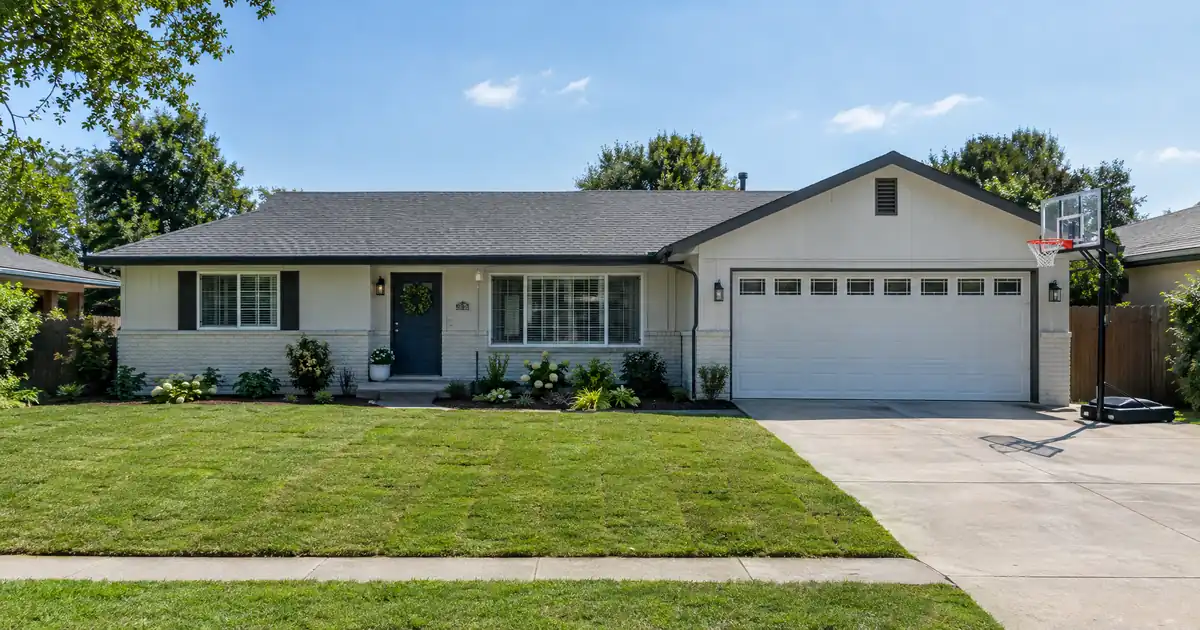
The Quick Read: The cash you walk away with is the new loan ceiling minus everything the new loan has to pay off. On a conventional second home, that ceiling is 75% of appraised value. The ceiling applies to the whole new loan, not just to the equity you keep. Payoffs, other liens and financed closing costs all come out of the same room, so the check you receive is usually smaller than the headline equity suggests.
Key Takeaways
- The maximum new loan on a one-unit second home is 75% of appraised value. A one-unit primary residence gets 80%.
- Released cash = (appraised value × 75%) − payoff of the current first mortgage − other required payoffs − financed costs.
- The 90% second-home figure you may have seen applies to purchases, not cash-out.
- The appraisal drives everything. A lower value cuts the ceiling and the cash together.
- Ownership clocks apply: the loan being paid off must be at least 12 months old, and a borrower must be on title for 6 months, with named exceptions.
What Is a Second-Home Cash-Out Refinance?
It is a new, larger mortgage on a home you keep for personal use but don’t live in full time. The new loan pays off your current first mortgage and puts the difference in your hands. The old rate and terms are replaced by the new ones.
Occupancy decides the leverage. Because a second home sits one step above a primary residence in risk, the ceiling is lower. Across the conventional programs Lendmire arranges through wholesale lenders, a one-unit primary residence reaches 80% on a cash-out. Two- to four-unit primary residences and investment properties sit at 75%. For a second home, the one-unit ceiling sets the dollar amount available.
If you are weighing the whole menu, Lendmire’s cash-out refinance programs page lays out the conventional options side by side.
How Is the Released Amount Calculated, Step by Step?
The formula has four moves. Each one subtracts something.
1. Start with appraised value. The appraisal sets the value, not your purchase price and not an online estimate.
2. Apply the 75% cap. That gives the maximum new loan. Think of it as 75 cents per dollar of value.
3. Subtract the payoff. Your current first mortgage is paid in full at closing. A second lien, such as a home equity line, is also paid off or handled under agency rules.
4. Subtract financed costs. If you roll closing costs into the loan, they use the same room as the cash. Every dollar financed is a dollar you don’t receive.
What’s left is your gross cash. The lender can also approve less than the ceiling if credit, ratios or reserves don’t support it.
What does it look like in percentages?
Skip the dollar math and think in percentages of appraised value. The table assumes a 75% cap and ignores financed costs, which would reduce each result.
| Current mortgage balance (% of value) | Maximum new loan | Gross cash room (% of value) |
|---|---|---|
| 40% | 75% | 35% |
| 55% | 75% | 20% |
| 70% | 75% | 5% |
| 76% or more | 75% | — |
Same cap, very different outcomes. The owner at 70% balance has a cash-out in name only, because financed costs could consume most of that 5%. The owner above 75% cannot do a cash-out at all. A no-cash-out refinance is a separate product with its own, higher leverage.
How Does a Second Home Compare With a Primary Residence?
A second home gets less cash-out leverage but more purchase leverage than many borrowers expect. Mixing up the two figures is the most common misunderstanding.
| Factor | One-unit primary residence | One-unit second home |
|---|---|---|
| Cash-out maximum | 80% | 75% |
| Purchase maximum | 95% (97% first-time buyer, fixed rate) | 90% |
| Mortgage insurance | Required above 80% | Required above 80% |
The Fannie Mae Eligibility Matrix lists these caps by occupancy and transaction type. The matrix is revised periodically, so lenders work from the current version.
Notice the practical effect. A 75% cap means at least 25% of value stays as equity in the home. Mortgage insurance isn’t a factor on a second-home cash-out, because the cap sits below the 80% line where insurance starts.
One more distinction. The wholesale lane that reaches 89.99% with no mortgage insurance is a primary-residence product. It doesn’t apply to second homes.
What Shrinks Your Cash Besides the Cap?
Five things routinely cut the number below the formula’s answer.
A lower appraisal. The cap applies to the appraised value, so a shortfall costs you 75 cents per dollar missed. If value comes in 10% below what you expected, the maximum loan falls by 7.5% of your expected value. Cash falls by the same amount. Appraisal risk is the swing factor in most second-home files.
Other liens. A home equity line or second mortgage on the property must be paid off from the new loan. That payoff comes straight out of your cash.
Financed closing costs. They are a meaningful share of the loan amount. You can pay them out of pocket, or finance them and accept a smaller check.
The loan-size ceiling. Conventional loans have a conforming limit that varies by county. A high-value second home may hit that limit before it hits 75% of value.
Credit, ratios and reserves. The wholesale conventional programs generally start at a 620 decision score. The automated finding governs most files, with a total ratio ceiling of 50%. Second homes also tend to draw closer attention to reserves, particularly when the ratio runs high. Stronger credit and lower ratios widen your options. Weaker ones can narrow them.
What Ownership Clocks Apply?
A cash-out refinance generally needs seasoning. The first mortgage being paid off must be at least 12 months old, measured from note date to note date. A borrower must also have been on title for 6 months.
Exceptions exist. Delayed financing, inheritance and legal-award situations each carve out a path around the clock. Delayed financing is the one most second-home owners ask about. It lets a cash buyer borrow against a recent purchase without waiting six months. It is still a cash-out loan, and the amount is limited to the documented purchase investment plus allowed costs. It doesn’t unlock the home’s full value.
Inheritance is separate. An inherited property is treated differently for the ownership clock, though the file still needs clean documentation.
Where Does the Rule Break?
The 75% cap holds for the standard one-unit case. These situations bend it or remove it.
- Co-ops. Cash-out refinances on second-home co-op share loans are not permitted under the matrix. If your second home is a co-op unit, this lane is closed.
- Manufactured homes. The matrix has no second-home cash-out row for manufactured housing. Second-home manufactured homes are limited to purchase and no-cash-out refinance structures.
- Two- to four-unit second homes. The matrix lists no separate cash-out row for them. The one-unit row is the only second-home line.
- Free-and-clear homes. A new loan on a home with no mortgage still counts as cash-out. The 75% cap applies, and the entire amount, less costs, is cash.
- Buying out a co-owner. This can qualify as a special-purpose cash-out. It must still meet cash-out leverage, not the higher no-cash-out limits.
- Down-payment assistance and renovation. Community Seconds programs don’t apply to second homes or cash-out refinances. For a second home, the renovation product lists only the no-cash-out refinance row.
- A recent cash-out on the same home. A recent cash-out note can block a later no-cash-out refinance, so sequence matters if you plan to refinance twice.
What Does the Decision Look Like in Practice?
Picture a borrower with a second home appraised well above their balance. The formula says a decent check is available. Then they stress-test it.
They ask three questions. First, how much is lost if the appraisal comes in low? Second, what are the financed costs, and would paying them out of pocket make sense? Third, what does the new mortgage do to the monthly budget on both properties?
That third question matters most. A cash-out refinance replaces your current mortgage with a larger loan. According to the CFPB’s guide to using home equity, that can lengthen your payoff time and raise your monthly payment. The new terms replace the old ones, and these loans are usually paid over 30 years. The same guide notes that no equity option converts 100% of your equity to cash, and that lenders typically want you to keep a meaningful cushion.
How you use the cash matters too. In the CFPB’s review of cash-out borrowers, paying other bills or debts was the most common use, with home repairs second. The agency cautions that paying non-mortgage debts with mortgage debt can raise foreclosure risk, per its newsroom summary of the research. Trading short-term debt for a 30-year balance isn’t free.
Here’s the flip point. If the gross cash room is small, say in the low single digits of value, a cash-out refinance may not be worth the closing costs. Consider keeping your current loan or exploring other equity tools. If the room is large and you have a defined use for it, the refinance can be a sound structure. Tax treatment can depend on your situation; borrowers should speak with a qualified tax professional before relying on any deduction or credit.
Key Terms Defined
Appraised value: The value an appraiser assigns to the home, which sets the lending ceiling.
Loan-to-value (LTV): The new loan amount divided by appraised value, shown as a percentage.
Cash-out refinance: A new mortgage that pays off the old one and returns the difference as cash.
Limited cash-out (rate-and-term) refinance: A refinance that pays off the old loan and costs, with only incidental cash back.
Second home: A property you occupy for part of the year for personal use, which is not your primary residence and not a rental.
Seasoning: The minimum time you must have owned the home, or held the loan, before a cash-out refinance is allowed.
Delayed financing: An exception that lets a cash buyer borrow against a recent purchase before the six-month ownership clock runs out.
Frequently Asked Questions
Can I take out 80% of my second home’s value?
No. The 80% cap belongs to a one-unit primary residence. A second home is capped at 75% on a conventional cash-out. The 90% figure you may have seen for second homes applies to purchases and no-cash-out refinances, not to cash-out.
Does a home I own free and clear count as a cash-out?
Yes. A new mortgage on a property with no existing loan is generally treated as cash-out. The 75% second-home cap applies, and your cash is the new loan minus financed closing costs and any required payoffs.
How long must I own the second home before I can cash out?
Generally, a borrower must have been on title for 6 months. If you are paying off an existing mortgage, that loan must be at least 12 months old. Delayed financing for cash buyers, inheritance and legal awards can change that timing. Subject to lender guidelines and full file review.
Can I use the cash to buy another property?
Often yes, since conventional cash-out proceeds aren’t typically restricted by use. The risk is yours, though. The new loan is secured by the home you already own. Keep in mind that owning several financed properties can affect eligibility and reserve requirements.
What if the appraisal comes in low?
The cash drops. The cap applies to appraised value, so each dollar of shortfall removes 75 cents of loan capacity. If your balance is already high relative to value, a low appraisal can erase the cash-out entirely.
Next Step
If you are weighing a cash-out refinance against keeping the loan you have, Lendmire can help you compare the programs and the equity each one reaches. Program figures are subject to lender guidelines and full file review, and nothing here is a commitment to lend.
For your own numbers, request a scenario review with Lendmire.
About Lendmire
Lendmire — NMLS# 2371349 — is a mortgage broker that arranges FHA, VA, conventional and jumbo home purchase and refinance financing in 16 states through wholesale lenders. Every option is subject to the lender’s guidelines and full underwriting. Scotsman Guide named Lendmire a Top Mortgage Workplace in both 2025 and 2026.
For the program’s current guidelines, see conventional loan programs.
Get Started
Ready to find the right loan for you?
In about 30 seconds you can review financing options available for your home or investment property. No commitment required.
Informational only. Not a Loan Estimate, approval, or commitment to lend. Program availability and eligibility are subject to lender guidelines, credit approval, property review, and underwriting.
References
1. Fannie Mae Eligibility Matrix
2. CFPB, guide to using home equity
3. CFPB newsroom, cash-out refinance borrowers
This article is part of Lendmire’s Conventional Loans series — every loan program’s qualification details, guidelines, and scenarios live on the loan options page.
Related reading: How to Get a Conventional Cash-Out on an Inherited Home · Can a Cash Buyer Do a Conventional Cash-Out Refinance in Six Months? · Should You Choose a Conventional Cash-Out Refinance Over a Second Lien?
Brandon Miller
Founder & CEO, Mortgage Loan Originator, Lendmire LLC
- Mortgage Loan Originator · NMLS# 1129696 · Verify on NMLS Consumer Access
- North Carolina Real Estate Broker · License# 343312 · Verify on NCREC
- North Carolina Insurance Producer · License# 19053198 · Property, Casualty, Life, Health · Verify on NAIC SBS
- Lendmire LLC · Firm NMLS# 2371349 · Verify firm licensure
Disclosures. The information presented in this article is general market commentary, not financial, legal, or tax advice. Lendmire is a mortgage brokerage (NMLS# 2371349) — not a direct lender or depository institution — and loan placement is subject to lender underwriting. Nothing in this content represents a commitment to lend. Loan terms, pricing, and program availability vary based on borrower qualifications, property characteristics, and state of subject property, and are subject to change at any time. Lendmire complies with Equal Housing Opportunity requirements. Consumer access: nmlsconsumeraccess.org.