
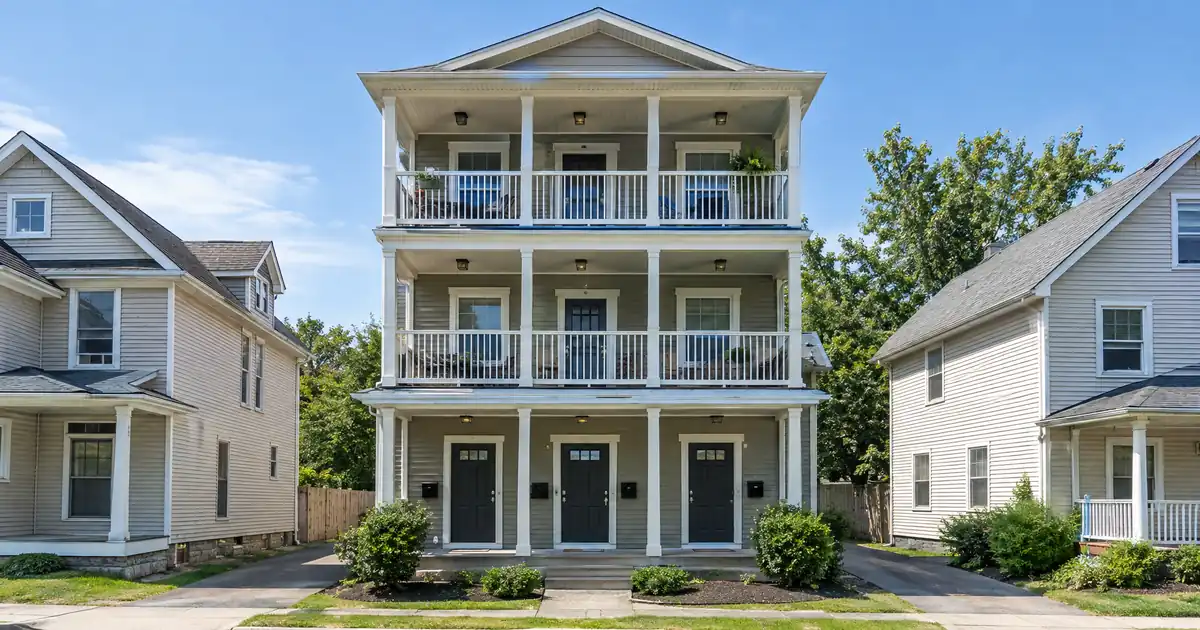
The Quick Read: The reserve requirement is a number of months of your full housing payment, and it is set by the lender’s program, not by a single federal rule. Across the wholesale jumbo programs Lendmire places files with, the months rise as the loan amount rises, and a second home usually carries a higher bar than a primary residence. The cash you pull out of the refinance does not count toward reserves. The money has to already sit in your accounts, after you cover closing costs.
Key Takeaways
- Reserves are measured in months of the full payment: principal, interest, taxes, insurance and association dues.
- The month count grows with the loan amount. It also moves with occupancy, credit, leverage and the number of properties you finance.
- Cash-out proceeds on the home you are refinancing do not count as reserves.
- Money you need at closing is subtracted before reserves are tested.
- You can have plenty of equity and still be turned away for thin liquidity.
What Reserves Are (and Are Not)
Reserves are liquid or near-liquid assets you hold after the loan closes. They show the lender you can keep paying if income dips for a stretch. They are not your down payment. They are not your closing costs. They are not the cash-out check.
Think of three buckets. Cash to close pays the costs of the refinance. Cash-out proceeds are the new money the loan creates. Reserves are what is left in your own accounts after both are accounted for.
Jumbo simply means the loan is larger than the county’s conforming limit. The Federal Housing Finance Agency sets that limit each year, with a higher ceiling in high-cost counties, equal to 150% of the baseline. A jumbo loan begins one dollar above your county’s limit. Fannie Mae and Freddie Mac cannot buy it, so each wholesale lender writes its own reserve rule.
That last point matters most. No one published number applies to every jumbo file.
How a Reserve Requirement Is Built, Step by Step
Terms depend on the lender’s guidelines, the property type, the leverage, and a full review of the credit profile.
Reserve math follows a repeatable sequence. The lender’s final number depends on the program, but the steps are the same.
1. Classify the file. The home must be a true second home, not a rental. The loan is a cash-out refinance, so cash-out leverage limits and reserve overlays apply. Loan size decides whether the file is jumbo at all.
2. Order the appraisal. Value sets the maximum loan. Cash-out is offered at lower leverage than a purchase. Above a lane’s threshold amount, two appraisals are required.
3. Compute the full payment on the new loan. That means principal, interest, taxes, insurance and any association dues. A bigger cash-out loan means a bigger payment. The same count of months then costs more dollars.
4. Apply the lane’s month count. Reserves are measured in months of that payment and rise with the amount. Jumbo files that look alike on paper can land on different counts because of loan size alone.
5. Subtract cash needed to close. Whatever you owe at closing leaves your assets first.
6. Count only acceptable assets. Statements are reviewed, and only the qualifying portion of each account counts.
7. Compare what remains to the requirement. If the leftover liquidity covers the months, the reserve test is met. If not, the file needs a fix.
Reserves are one test among several. The file also has to clear credit, leverage and debt ratios. On the wholesale jumbo lanes Lendmire works with, the headline lane starts at a 660 decision score and reaches up to 90% leverage on its best-fit scenarios. A second-home cash-out sits well below that top figure. Ratio ceilings run to 50% on the fixed lanes, 45% on the adjustable lanes and 43% on the interest-only lanes. Loans reach $5,000,000 on the largest lanes. All of these figures are subject to lender guidelines and a full file review, and none of them is a commitment to lend.
Many borrowers first see the program on Lendmire’s jumbo cash-out refinance program page, which lays out how those lanes differ in structure.
Do Cash-Out Proceeds Count as Reserves?
No. The money the refinance creates cannot be counted as the reserves that support that same refinance. The Fannie Mae Selling Guide lists cash proceeds from a cash-out refinance on the subject property as unacceptable for reserves. Jumbo lenders write their own rules, but this principle is a sound guide for what to expect.
The logic is simple. Reserves are supposed to be a cushion that exists independent of the loan. If the loan itself creates the cushion, it protects nothing.
This is the surprise that catches second-home owners. A borrower sees a large equity figure and assumes the cash-out check will double as the safety net. It will not. The reserves have to be sitting in your accounts first.
What Counts and What Does Not
Agency guidance gives the clearest public picture of how assets are treated. A jumbo lender may apply haircuts or extra documentation, so use this as a starting point, not a promise.
| Asset | Typically counts toward reserves? |
|---|---|
| Checking and savings | Yes |
| Stocks, bonds, mutual funds | Yes, at 100% of value under agency rules |
| Certificates of deposit, money market | Yes |
| Retirement accounts | Vested, usable portion only |
| Cash value of vested life insurance | Yes |
| Unvested stock or stock options | No |
| Unsecured personal loans | No |
| Cash-out proceeds on the subject home | No |
For marketable securities, the Fannie Mae guide on stocks, bonds and mutual funds allows full value for reserves without selling them. A jumbo lender may be more conservative. Ask before you assume.
Documents matter as much as balances. Expect to provide recent statements for each account. Large or recent deposits will draw questions. Move money well before you apply, not during the file.
Equity-based compensation deserves its own warning. Unvested shares are not reserves.
Where the General Rule Breaks
The basic sequence holds for most files. These edge cases are where borrowers get tripped.
“Second home” can mean two different things. In the first case, you are refinancing the second home itself with cash-out. Second-home occupancy rules and lower leverage apply to that loan. In the second case, you are taking cash out of your primary home to buy or improve a second one. Then the primary-residence rules govern the first loan, and the second purchase is underwritten as its own file. Cash taken from the first loan generally cannot be counted as reserves for the same subject property. Be clear on which situation you are in before you ask anyone for a reserve number.
Primary homes can carry a lighter requirement. Agency rules set no minimum reserve for a one-unit principal residence. That makes a second-home cash-out feel harsher by comparison. For loans run through Fannie Mae’s automated system, the guide cites two months for a second home. A jumbo lender will not simply adopt that figure. Treat it as a benchmark for how occupancy shifts the bar, not as the jumbo answer.
Leverage is lower on second-home cash-out. The Fannie Mae Eligibility Matrix caps a one-unit second-home cash-out at 75% and a primary-residence cash-out at 80%. Those are agency benchmarks. The wholesale jumbo lanes set their own limits, and cash-out sits below purchase leverage on each of them, with a cash cap on the largest lanes. The practical effect is that you may need a larger equity cushion than you would on a primary home. The exact numbers vary by lender and program and follow a full review of property, leverage, and credit.
A high debt ratio can add months. The same agency guide raises the reserve requirement on a cash-out refinance when the debt-to-income ratio is high. The jumbo lanes work the same way in spirit. A file near the ratio ceiling is more likely to be asked for more reserves. Final terms depend on the lender’s guidelines, the property type, and the borrower’s complete credit picture.
Other financed properties add months. If you already carry mortgages on other homes, agency rules call for extra reserves tied to those balances. The Fannie Mae section on multiple financed properties explains the principle. A jumbo lender may use a different formula, but the direction is the same. More financed homes means more cushion.
Retirement money is partial. Only the vested portion counts, and a lender may discount it. Do not count your full 401(k) balance.
Non-warrantable condos are a separate lane. If the second home is a condo that does not meet agency project rules, only certain wholesale lanes will consider it. Reserve requirements there can differ from the lane used for a detached house. Each figure is subject to lender guidelines and a complete review of property type, leverage, and credit.
A Walk-Through in Percentages and Months
Picture a borrower with a mountain cabin used as a second home. The cabin has substantial equity, and the borrower wants to pull cash out. The loan will be jumbo.
Start with the leverage. Because it is a second-home cash-out, the maximum loan as a share of value sits well below the headline 90%. The appraisal sets the value, and the percentage cap sets the ceiling. If the loan is above the lane’s threshold, a second appraisal is ordered.
Next comes the payment. It includes the new loan’s principal and interest, plus the cabin’s property taxes, insurance and any association dues. That full payment is the unit for reserves. If the lane calls for a given count of months, you multiply the full payment by that count.
Now subtract closing costs from the borrower’s savings and brokerage accounts. The cash-out proceeds are set aside, since they cannot count. Whatever remains is compared with the requirement. If this borrower also owns a primary home with a mortgage, the requirement may rise to cover that financed home as well.
Notice what moves the answer. A larger loan raises the payment, which raises the dollar reserve even if the month count stays put. A higher loan amount can also move the file into a lane with a higher month count. Two borrowers with the same equity can face very different cash needs.
If You Are Short
Falling short of the reserve requirement is common and often fixable. The right fix depends on why you are short.
- Take less cash out. A smaller loan means a smaller payment, which means fewer dollars of reserves. It can also bring leverage down.
- Season the funds. If you recently moved money between accounts, give it time on statements so the source is clear.
- Use the right assets. Brokerage holdings can count at full value under agency rules. Selling is not always required.
- Reconsider timing. If a stock grant vests soon, waiting can turn unusable assets into usable ones.
- Look at alternatives. A home equity line or home equity loan leaves your first mortgage in place, as the CFPB’s research on cash-out refinances explains. Whether those products trigger the same reserve test depends on the lender.
Weigh that last option carefully. The same CFPB work notes that debt secured by your home carries foreclosure risk if payments become unsustainable. A cushion is there for a reason.
If you are weighing a cash-out refinance against keeping the loan you have, Lendmire can help you compare the programs and the equity each one reaches, and tell you which reserve assumptions to test before you apply.
Key Terms Defined
Reserves: Liquid assets left in your accounts after closing, measured in months of your full housing payment.
Full housing payment (PITIA): Principal, interest, property taxes, homeowners insurance and association dues on the loan being made.
Cash to close: The money you must bring or pay at closing. It is subtracted from your assets before reserves are tested.
Cash-out proceeds: The new money the refinance puts in your hands. It does not count as reserves for that loan.
Jumbo loan: A mortgage above the county’s conforming limit, so Fannie Mae and Freddie Mac cannot buy it.
Vested funds: Money in an account that is yours to use. Unvested stock or options do not count.
Frequently Asked Questions
Is there one standard number of months for a second-home jumbo cash-out?
No. Each wholesale lender sets its own rule, and the count typically rises with the loan amount. Occupancy, credit, leverage and the number of financed properties also move it. The only responsible answer is to run your file against a specific program.
Can I use the cash-out money to meet the reserve requirement?
No. Proceeds from a cash-out refinance on the same property do not count as reserves. Agency guidance excludes them, and jumbo lenders follow the same logic. The reserves have to come from assets you already hold. Leverage, reserves, and pricing vary by lender and program; the final terms follow the full file review.
Do retirement accounts count?
Partly. Only the vested portion counts, and a lender may apply a discount or ask for extra paperwork. Outstanding loans against the account reduce what you can use. Ask which portion a given lane will accept.
Does a second home need more reserves than my primary residence?
Usually yes. Agency rules set no minimum for a one-unit primary residence but call for months of reserves on a second home. Jumbo lanes tend to follow that pattern, with leverage that is lower as well. The exact difference depends on the program.
What if I have equity but not enough savings?
Equity alone does not satisfy the reserve test. You can lower the loan amount, wait for assets to season or vest, or compare a product that leaves your first mortgage in place. Tell your broker early so the file is built around the real liquidity you have.
For your own numbers, request a scenario review with Lendmire.
About Lendmire
As a mortgage broker (NMLS# 2371349), Lendmire helps homeowners and home buyers in 16 states with FHA, VA, conventional and jumbo purchase and refinance loans arranged through wholesale lenders. Lendmire is never the lender; program terms are set by the lender and the agency guidelines. Scotsman Guide named Lendmire a Top Mortgage Workplace in both 2025 and 2026.
For the program’s current guidelines, see jumbo loan programs.
Get Started
Ready to find the right loan for you?
In about 30 seconds you can review financing options available for your home or investment property. No commitment required.
Informational only. Not a Loan Estimate, approval, or commitment to lend. Program availability and eligibility are subject to lender guidelines, credit approval, property review, and underwriting.
References
1. FHFA – 2026 Conforming Loan Limit Values
2. Fannie Mae Selling Guide B3-4.1-01, Minimum Reserve Requirements
3. Fannie Mae Selling Guide B3-4.3-01
4. Fannie Mae Eligibility Matrix
5. Fannie Mae Selling Guide B2-2-03, Multiple Financed Properties
6. CFPB – A Look at Cash-Out Refinance Mortgages and Their Borrowers
This article is part of Lendmire’s Jumbo Loans series — every loan program’s qualification details, guidelines, and scenarios live on the loan options page.
Related reading: How to Size a Jumbo Cash-Out Instead of a Second Lien · How to Size a Jumbo Cash-Out or a Second Lien for a Renovation · How Much a Jumbo Cash-Out Refinance Gives a W-2 Earner for a Second Home
Brandon Miller
Founder & CEO, Mortgage Loan Originator, Lendmire LLC
- Mortgage Loan Originator · NMLS# 1129696 · Verify on NMLS Consumer Access
- North Carolina Real Estate Broker · License# 343312 · Verify on NCREC
- North Carolina Insurance Producer · License# 19053198 · Property, Casualty, Life, Health · Verify on NAIC SBS
- Lendmire LLC · Firm NMLS# 2371349 · Verify firm licensure
Disclosures. The information presented in this article is general market commentary, not financial, legal, or tax advice. Lendmire is a mortgage brokerage (NMLS# 2371349) — not a direct lender or depository institution — and loan placement is subject to lender underwriting. Nothing in this content represents a commitment to lend. Loan terms, pricing, and program availability vary based on borrower qualifications, property characteristics, and state of subject property, and are subject to change at any time. Lendmire complies with Equal Housing Opportunity requirements. Consumer access: nmlsconsumeraccess.org.